

Apple Corers & Core Remover Tools | Walmart


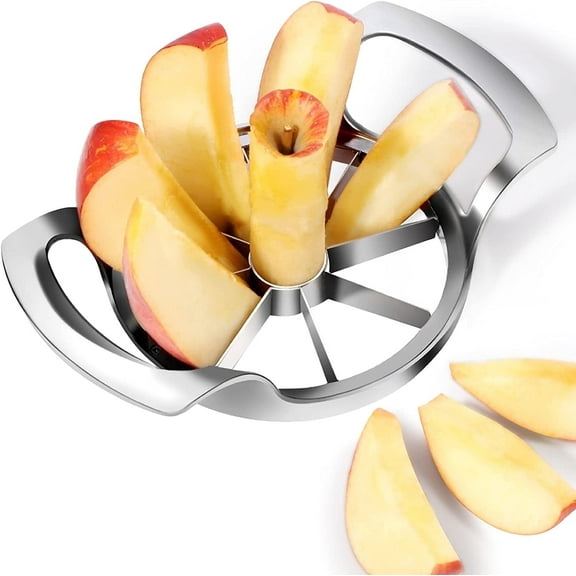










![Jeexi Apple Slicer + 2 Mini Forks - [Ultra-Sharp] Stainless Steel Corer Cutter, Professional 8 Blades Apple Cutter, Sharp Pear Divider Wedger with Comfortable Handle](https://i5.walmartimages.com/seo/Jeexi-Apple-Slicer-2-Mini-Forks-Ultra-Sharp-Stainless-Steel-Corer-Cutter-Professional-8-Blades-Apple-Cutter-Sharp-Pear-Divider-Wedger-Comfortable-Han_17ac0f39-fe8f-498b-9463-bd6d0ffdd0f5.0b182f7943d51a0e67cb7ebf2d1605d7.jpeg?odnHeight=576&odnWidth=576&odnBg=FFFFFF)












About Apple Corers & Core Remover Tools | Walmart - Walmart.com
You can organize busy floors with shoe racks and cubbies that fit your entryway, closet, or mudroom. You’ll notice these storage options help you sort pairs, use vertical space, and keep everyday footwear easier to reach.
When you compare this category, you should start with measurements, pair count, and placement. You’ll get a cleaner fit when your organizer matches your wall space, doorway clearance, and daily shoe routine.
How to choose shoe racks and cubbies for your space
You should measure width, depth, and height before choosing a unit for a narrow hall or closet corner. You’ll avoid overcrowding when your organizer leaves room for doors, trim, and walking paths.
If your home has a busy front door, you may prefer an entryway shoe rack with open access. When your storage sits inside a bedroom, you might choose a closet shoe organizer that stacks pairs vertically.
You can also compare freestanding, hanging, and over the door formats based on your layout. You’ll often find freestanding designs easier to move, while hanging styles can free up floor space.
What to look for in material and style
You should compare material first because it affects weight, appearance, and everyday upkeep. A wooden shoe rack can suit visible spaces, while a metal shoe shelf can feel lighter for closet use.
If you want a bench style, you may look for sturdy frames and a flat top surface. You’ll appreciate that combination when your household changes shoes near the door each morning.
You can choose plastic or fabric options when you want lighter storage for temporary setups or dorm rooms. You’ll often find those styles easier to reposition during seasonal closet changes.
- You can use wood styles when your organizer stays in an entryway and needs a furniture-like look.
- You can choose metal shelves when your closet needs airflow and a simple stacked layout.
- You can consider cabinet styles when you want shoes tucked behind doors for a tidier room view.
- You can pick hanging or over the door designs when your floor area feels limited.
You should also compare shelf, cabinet, bench, and cubby layouts by how you sort footwear. If your household mixes boots, sneakers, and sandals, you may want varied openings and adjustable shelves.
Choosing capacity and assembly for everyday use
You should match capacity to your household instead of guessing from shelf count alone. A shoe cubby organizer under 10 pairs can suit small apartments, while larger homes may need space for 20 pairs or more.
If your entry holds only daily pairs, you may want a compact shelf or cabinet. When your closet stores seasonal shoes too, you’ll likely need taller units with multiple levels.
You should also think about shoe shape because boots and high-tops need extra clearance. You’ll get a more useful setup when shelves fit bulkier pairs without crushing toes or uppers.
Assembly matters when you want your storage ready without a long project. You may prefer simple instructions, fewer parts, or tool-free steps if your organizer needs quick setup.
If you move often, you might choose lighter designs that come apart more easily. You’ll find that helpful when your storage needs change between dorms, apartments, or family rooms.
How your placement changes the right organizer
You should choose placement with your traffic pattern in mind, not just your available wall space. An entryway shoe rack should allow quick grab-and-go access, while a closet unit can focus on dense storage.
If your front door area collects wet sneakers, flats, and kids’ shoes, open shelves can simplify sorting. You’ll be able to separate school pairs, work shoes, and house slippers with less clutter.
When your bedroom closet needs cleaner lines, a shoe storage cabinet can hide mixed colors and styles. You may prefer enclosed doors when your room stays visible during the day.
You can use bench styles in foyers where your household sits to lace up shoes. You’ll get a practical combination of seating and storage that makes daily routines feel more organized.
For narrow apartments, you should check whether over the door or hanging designs fit your closet doors. You’ll keep floor space open while still storing several pairs in one vertical spot.
Using shoe racks and cubbies in real homes
You can use smaller shelves in kids’ rooms to keep school shoes and play shoes separated. You’ll make it easier for children to return pairs to the same cubby each day.
In shared households, you may assign one row or section to each person for faster mornings. You’ll cut down on mismatched pairs when everyone has a clear storage spot.
If your mudroom holds boots, slides, and sneakers together, you should look for wider openings and sturdy shelves. You’ll handle mixed footwear types more smoothly during busy seasons.
You can also place a wooden shoe rack in a hallway where storage doubles as room furniture. If your closet needs a lighter frame, you might lean toward a metal shoe shelf instead.
With the right measurements, material, and capacity, you can choose shoe racks and cubbies that match your daily routine. You’ll end up with cleaner floors, easier pair tracking, and a more organized entry or closet.