



Ankle Weights in Exercise & Fitness Accessories

























About Ankle Weights in Exercise & Fitness Accessories - Walmart.com
Ankle weights help you add steady resistance to walks, floor workouts, and strength sessions without changing your routine. You can compare fit, adjustability, and weight range here, so your training feels more focused and more comfortable.
How to choose ankle weights for your routine
You can start with the weight range that matches your movement style and current fitness level. You can choose lighter walking weights for cardio days, or you can choose heavy ankle weights for slower strength moves.
If you're adding resistance to leg lifts, Pilates, or barre, you may prefer one to five pounds per side. If you're building lower-body strength, you can compare heavier pairs that add more challenge.
You can also think about how long you plan to wear leg weights at one time. You may prefer lighter wearable weights for longer sessions, because your form can stay more natural.
Key benefits of adjustable ankle weights
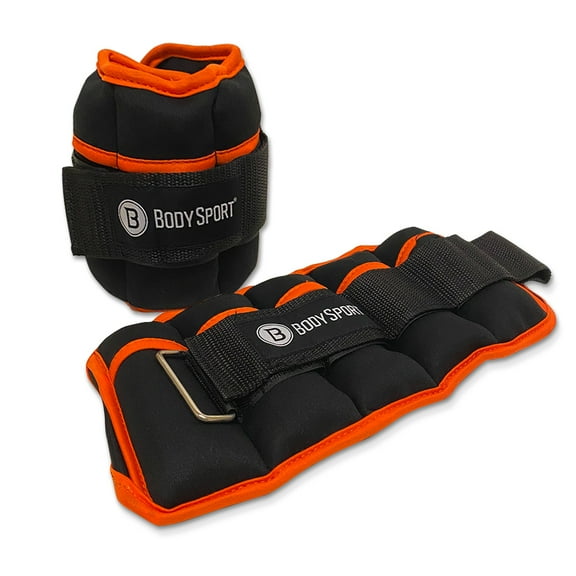
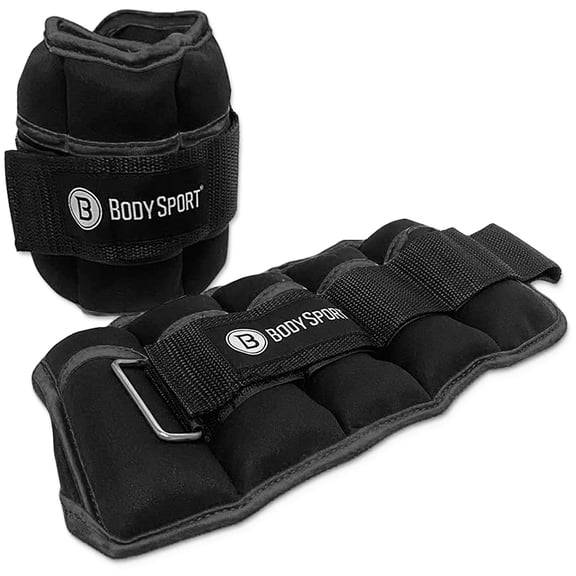
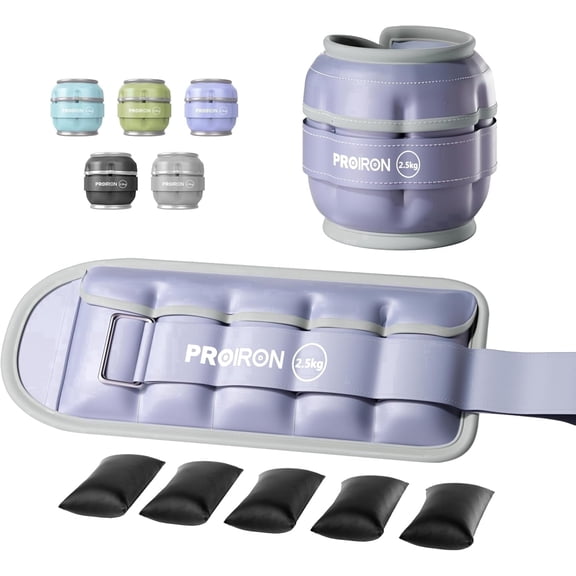
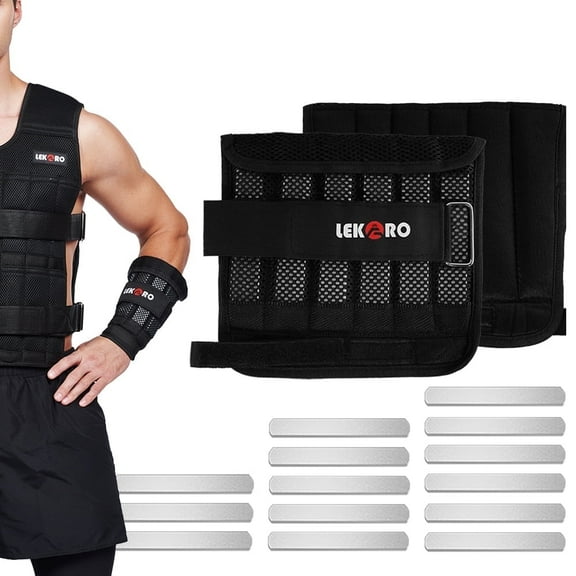
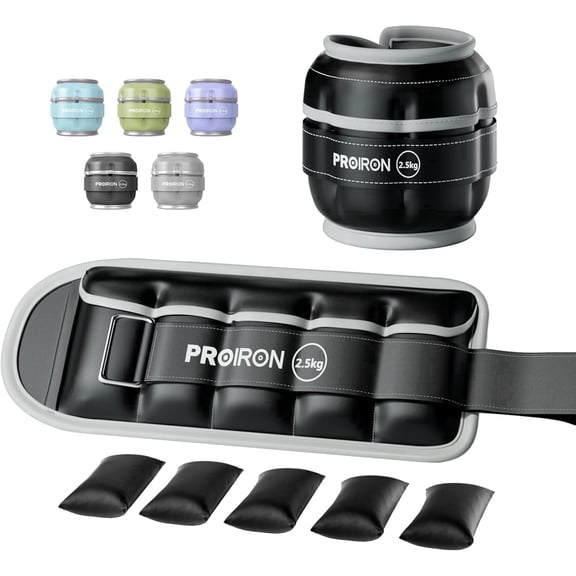
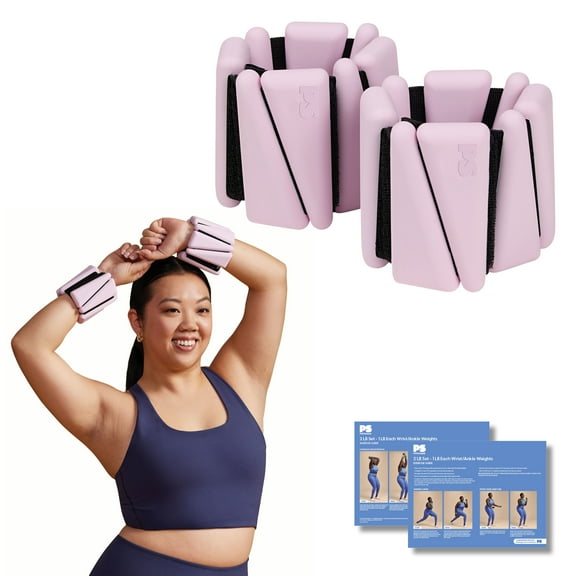
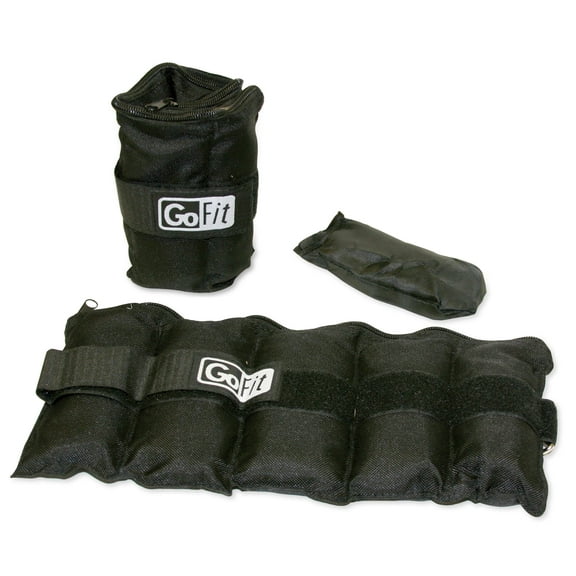
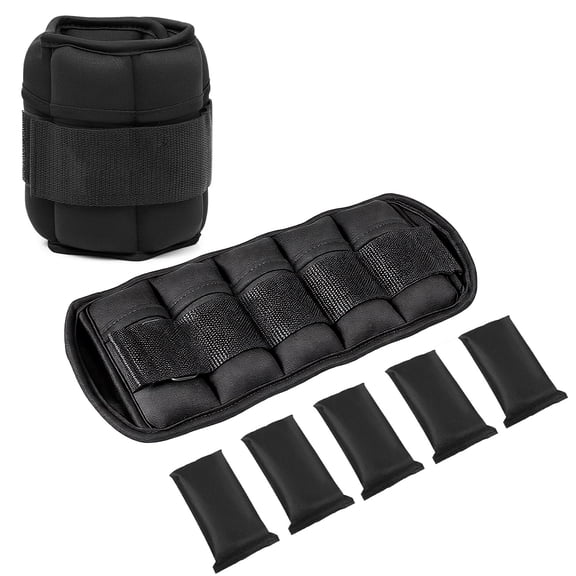
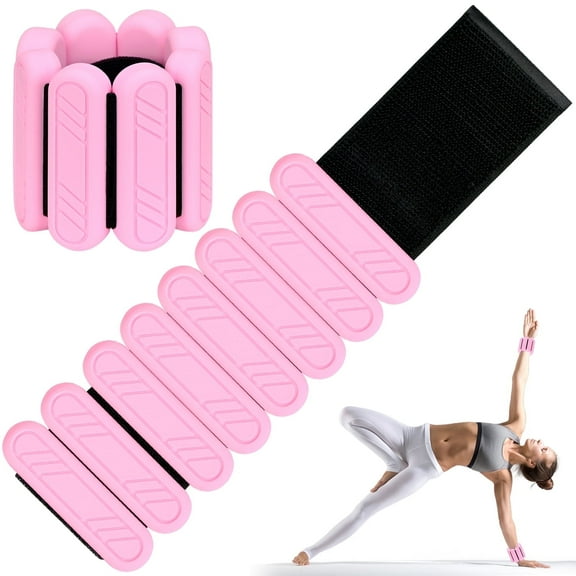
Adjustable ankle weights give you more control as your routine changes from day to day. You can remove or add weight packets, so your resistance matches walking, toning, or strength-focused sessions.
That flexibility helps you use one pair across several workout styles. You can switch from mobility work to core training without reaching for separate sets.
- You can add resistance to walks, kickbacks, leg lifts, and floor exercises.
- You can increase intensity gradually with adjustable weight packets.
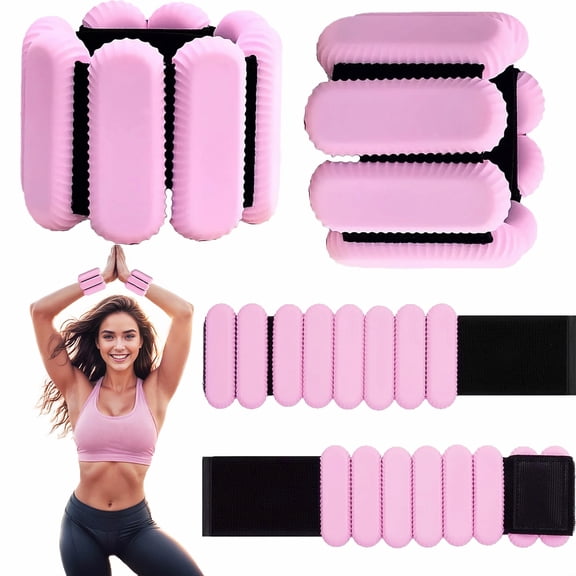
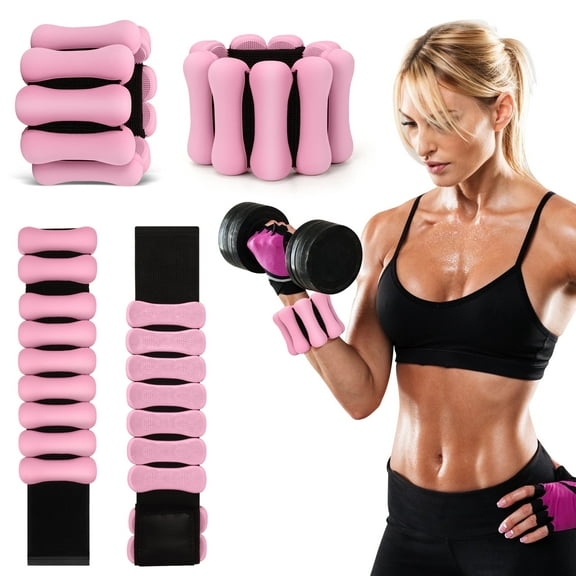
- You can wear some styles on your wrists for upper-body movements.
- You can choose compact designs that feel easier to store between workouts.
Wrist and ankle weights can also support mixed routines that combine lower-body and upper-body training. You can keep your setup simple while still changing the feel of each movement.
For walking workouts, you may want a lighter pair that feels secure through repeated steps. For controlled strength sets, you may want a heavier option that stays stable during slower reps.
Comparing weight range, fit, and closure details
You can find the right fit by comparing weight increments first, then checking strap design. You can match one pound or two pound options to cardio sessions, while five pound and 10 pound pairs suit strength work.
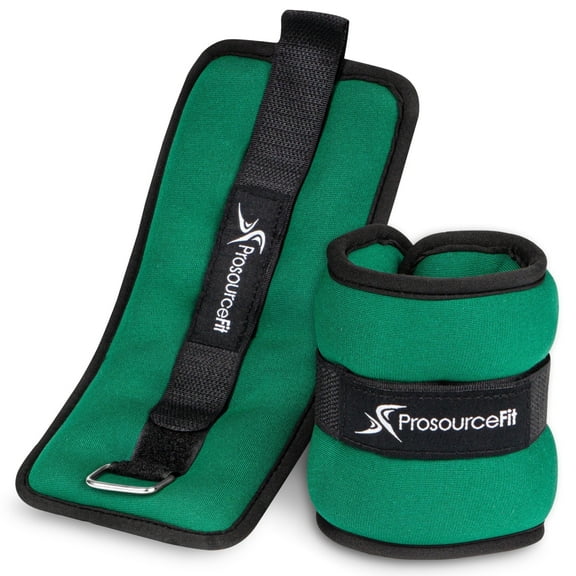
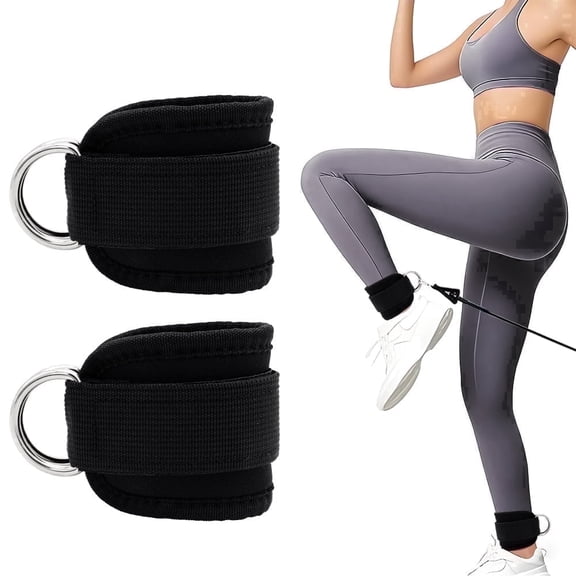
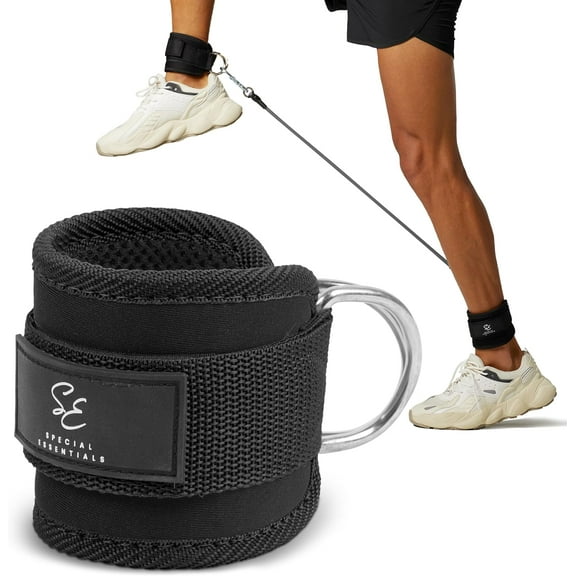
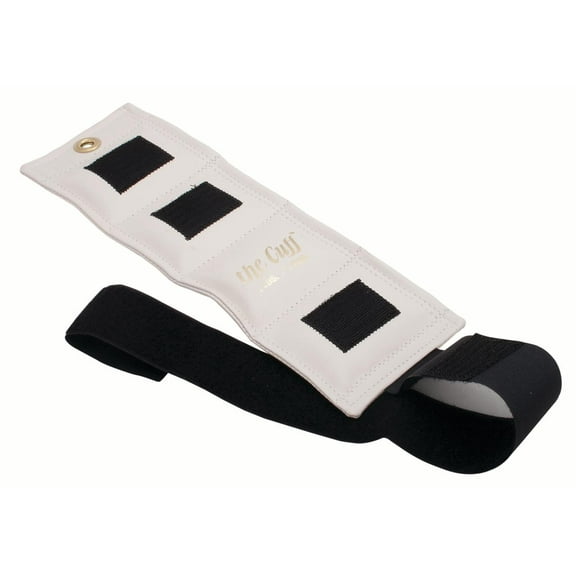
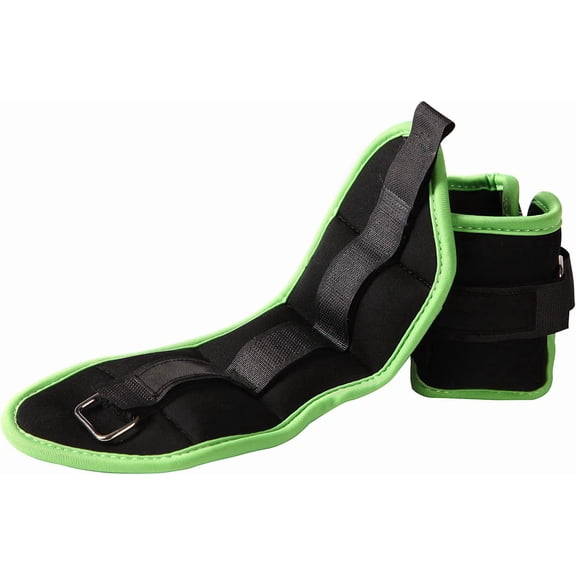
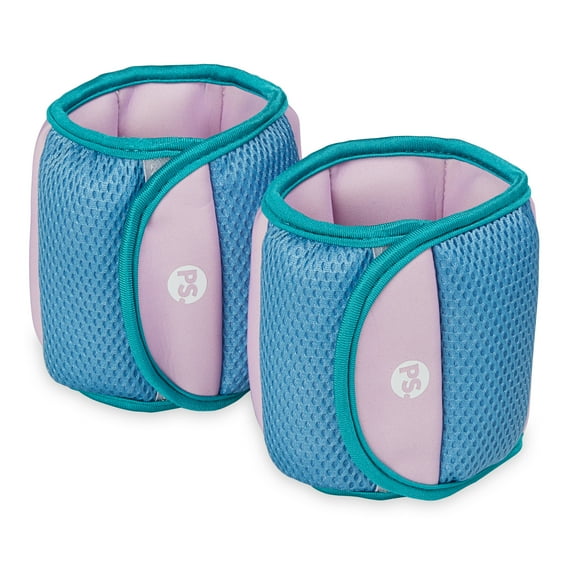
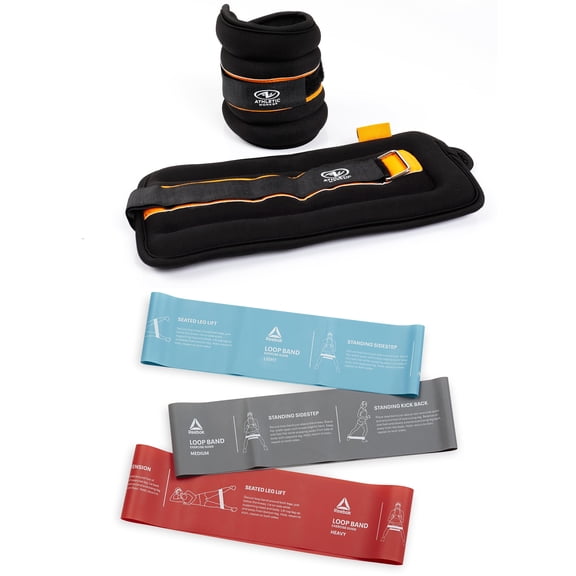
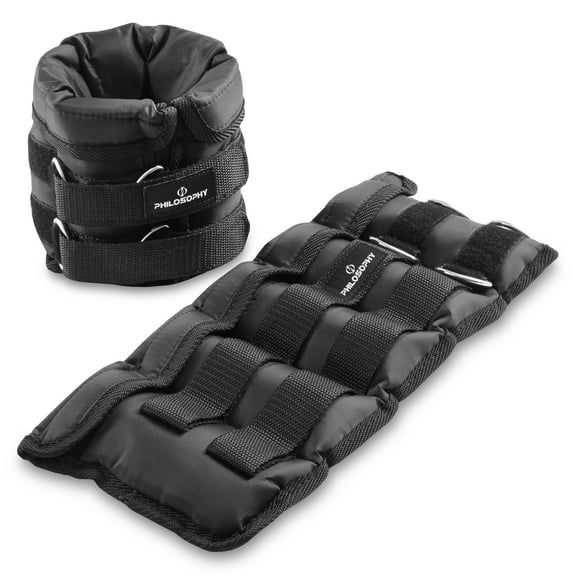
Hook-and-loop straps matter because you can tighten them quickly and adjust the fit as needed. You can look for a non-slip feel that stays close to your ankle during repeated movement.
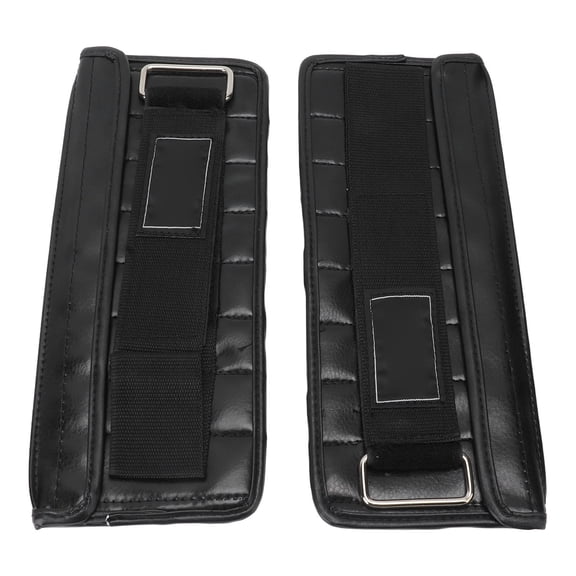
Buckle closures can give you a more locked-in fit for some routines. Slip-on styles can feel simpler, though you'll want to check whether the shape stays secure during faster steps.
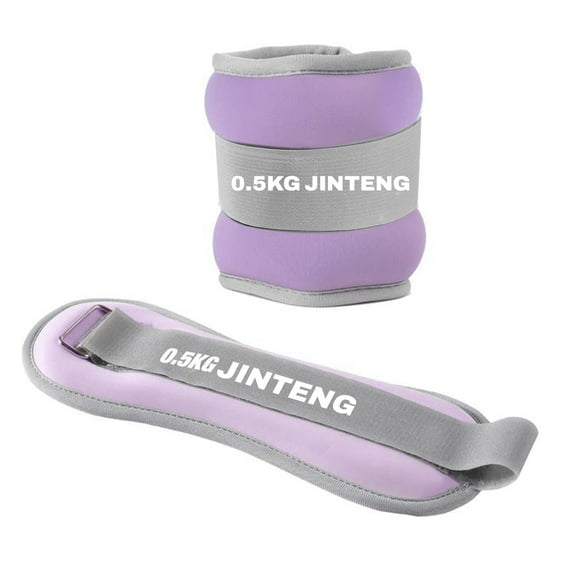
Your comfort often depends on material as much as weight. You can choose neoprene for a soft feel or silicone for an easy-clean surface.
You can also choose nylon when you want a durable outer layer. You may prefer moisture-managing fabrics for longer sessions, because your workouts can feel more comfortable.
Smooth silicone surfaces can be practical when you want quick wipe-down care after indoor or outdoor workouts. You can also check whether the listing notes unisex sizing or a more specific fit.
Ankle weights for women, ankle weights for men, and kids' sizes can differ in strap length and overall shape. You can compare those details when you want a closer fit around your ankle.
Choosing adjustable ankle weights or fixed weight styles
You can simplify your choice by deciding whether you want a fixed weight or an adjustable design. Fixed options can feel straightforward, while adjustable ankle weights let you change resistance over time.
If you're starting a new routine, you may appreciate adjustable weight packets that let you progress in smaller steps. If you already know your target resistance, you may prefer a fixed pair with a simpler setup.
Your workout schedule can guide this decision too. You can use adjustable styles when your week mixes walking, barre, and strength training, because each session may call for a different load.
Fixed styles can work well when you repeat the same training format each week. You can strap them on quickly and keep your routine consistent with fewer changes.
Matching ankle weights to walking, running, and home workouts
You can use ankle weights for walking when you want to add light resistance to steady steps. You'll usually want a secure closure and a lighter load, so your stride stays smooth.
For ankle weights for running, you'll want to compare closure security and overall bulk very carefully. You can look for streamlined shapes and stable straps that feel close to the ankle.
At home, you can use leg weights for donkey kicks, fire hydrants, side leg raises, and standing glute work. You can also use wrist and ankle weights for dance workouts or low-impact cardio circuits.
If your routine includes Pilates or barre, you may prefer softer materials and lower weight increments. You can keep your movements controlled while still adding noticeable resistance.
For strength-focused sessions, you may choose heavier options for slow lunges, extensions, or floor-based leg work. You can compare comfort padding and strap hold, because heavier loads need a steadier fit.
When you compare these details carefully, you can choose ankle weights that match your routine instead of working against it. You can move with more consistency, added comfort, and clearer resistance from one workout to the next.