


Air Track Mat in Gym Mats




About Air Track Mat in Gym Mats - Walmart.com
An air track mat gives you cushioned practice space for tumbling, cheer, and drills at home. You can compare lengths, thicknesses, and included accessories to match your room, routine, and setup style.
Choosing the right air track mat
When you choose an air track mat, you should start with how you practice and where you train. You can use that plan to narrow thickness, length, and pump needs quickly.
If you practice basic skills at home, you may prefer a lighter mat that moves and stores easily. If you train stronger passes, you may want more height for a firmer landing feel.
- You can get cushioned support for rolls, jumps, handstands, and tumbling drills.
- You can inflate, deflate, and store many options without dedicating permanent floor space.
- You can use the same surface for gymnastics, cheerleading drills, martial arts practice, and home conditioning.
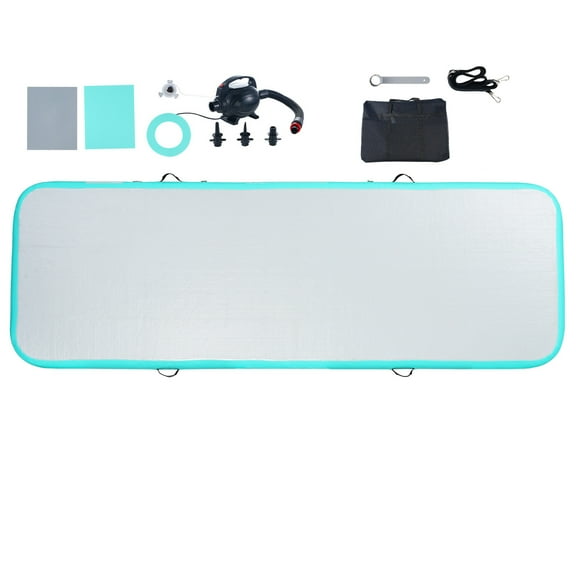
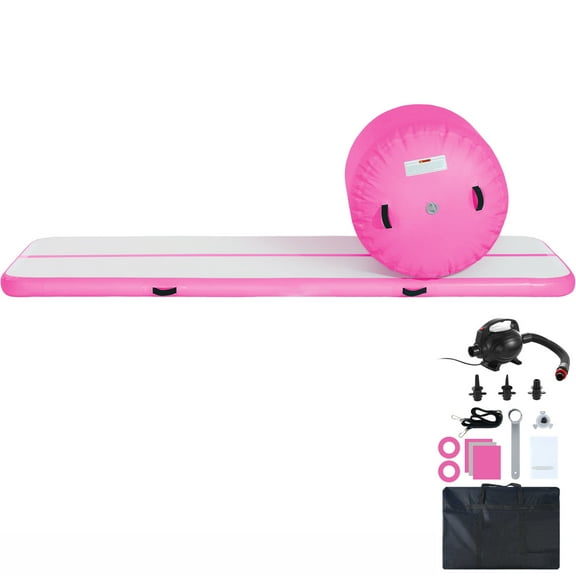
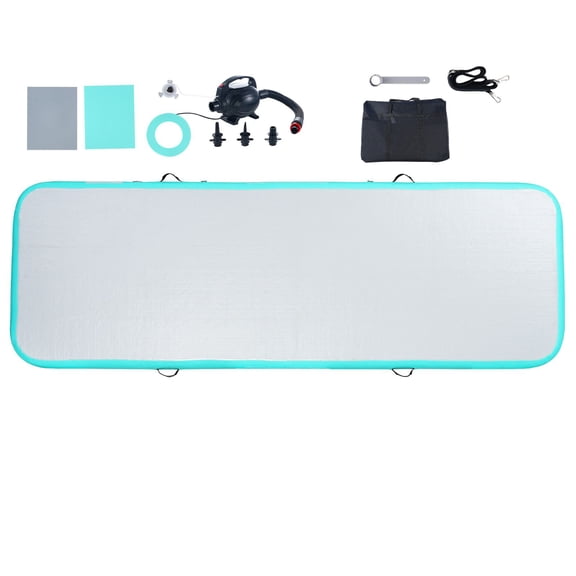
- You can compare accessory bundles, including an electric air pump, carrying bag, and repair kit.
Because the surface is inflatable, you can adjust your practice area without hauling a heavy foam panel. You also get a setup that fits apartments, basements, garages, and shared family rooms.
How to compare thickness and length
Thickness changes how your gymnastics air track mat feels under hands and feet during practice. You should compare four-inch and eight-inch profiles based on your skill level, storage needs, and training goals.
A four-inch air track mat often suits home practice, beginner drills, and tighter storage spaces. You can carry it more easily, and you can roll it up with less bulk.
An eight-inch mat gives you more elevation and a deeper cushion during advanced tumbling work. You may choose that profile when your routines include stronger rebounds or longer skill sessions.
Length matters just as much because your space controls how far you can safely travel. You should measure your open floor or yard before you compare 10ft, 13ft, 16ft, and 20ft options.
A 10ft air track mat can work well when you need compact practice in bedrooms or small playrooms. A 13ft length gives you extra room for connected drills without taking over the whole area.
If you want longer passes, you may prefer 16ft or 20ft styles for tumbling progressions. You can use that added runway for roundoffs, back handspring drills, and cheer sequences.
What to look for in an inflatable tumbling mat
An inflatable tumbling mat should match your setup routine as well as your skill routine. You should check whether an electric air pump is included, because that affects convenience from the first use.
With an electric pump, you can inflate the mat faster and fine-tune firmness before each session. You should also check valve compatibility details, since matching connections make setup smoother.
A carrying bag helps when you move the mat between rooms, gyms, and outdoor spaces. A repair kit also matters, because you can handle small touch-ups and keep practice on schedule.
You should also compare surface materials, seams, and edge construction when you review durability. Those details affect how your inflatable gym mat handles repeated jumps, turns, and floor contact.
For outdoor use, you should check whether the mat is intended for grass, patios, or other flat surfaces. You can also compare puncture-resistant construction and easy-clean finishes for active households.
Matching air track for gymnastics to your routine
You can choose an air track for gymnastics based on who uses it and how often. That approach helps you avoid a mat that feels too short, too tall, or too involved to set up.
For younger athletes and first skills, you may want a home gymnastics mat with moderate length and simpler storage. You can practice cartwheels, walkovers, handstands, and flexibility work in a controlled space.
For tumbling sessions, you may look for more runway and a feel that supports connected movement. You can use longer mats for rebounds, passes, and repeat drills without resetting after every skill.
For cheerleading, you may want room for jumps, standing tumbling, and choreography segments at home. You can also use the mat to rehearse timing, body positions, and floor transitions.
If your training includes martial arts, you may prefer an inflatable gym mat that moves easily between uses. You can roll it away after footwork drills, stretching, and controlled practice combinations.
When your home space changes often, portability becomes a major decision point. You can deflate many options, pack them into a bag, and reclaim your room for daily living.
Air track mat details that support easy setup
You should look at practical details before you decide on an air track mat with pump or accessories. Those details can shape how often you actually use the mat during busy weeks.
If setup feels simple, you’re more likely to practice short sessions between classes and activities. You can also adjust firmness to suit drills, warmups, or longer technique work.
Storage matters when you share space with furniture, toys, or workout gear. You should compare folded size, packed shape, and carrying options if you move the mat often.
When you choose the right combination of thickness, length, and accessories, your practice space feels more usable. You end up with a gymnastics surface that fits your routine, your room, and your training goals.