










Bookshelves and Storage Cabinets(1000+)
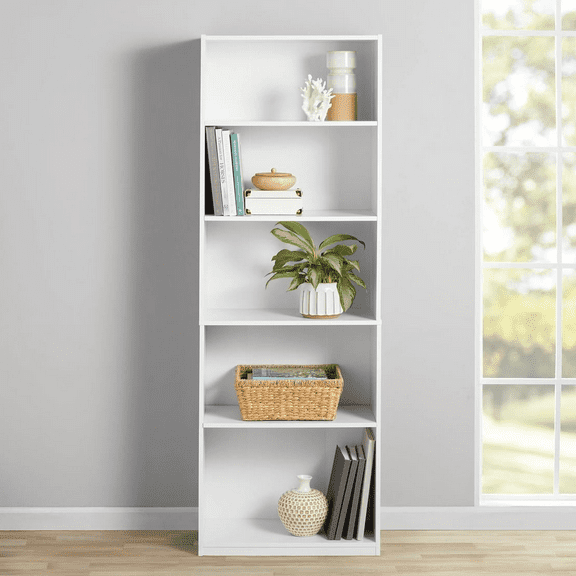
Overall pick, Mainstays 5-Shelf Bookcase with Adjustable Shelves, White, Price $39.97 Options from $37.67


Better Homes & Gardens 8 Cube Storage Organizer, Solid Black, Price $79.44 Options from $79.44 – $79.97
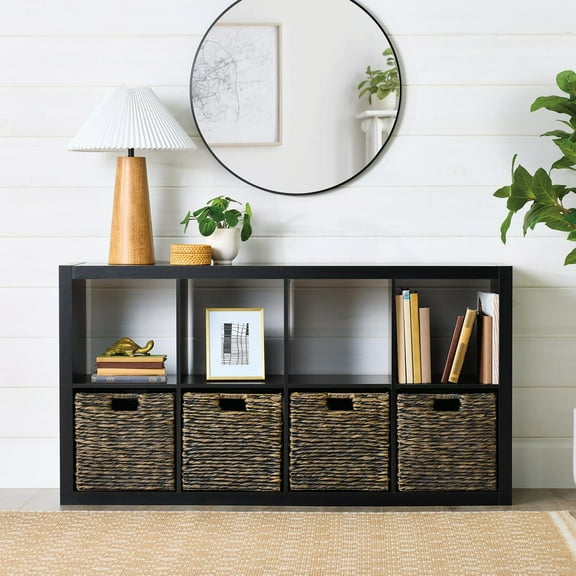


In 1K+ people's carts, Better Homes & Gardens Juliet Narrow Arch Bookcase, Rich Black and Light Honey, Price Now $127.40 Was $182.00 Options from $127.40 – $182.00
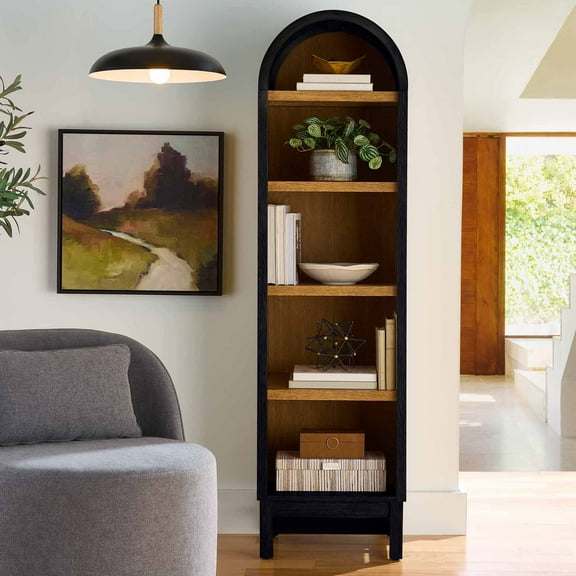


In 100+ people's carts, Mainstays 6-Cube Storage Organizer, Black, Price $36.87 Options from $34.88
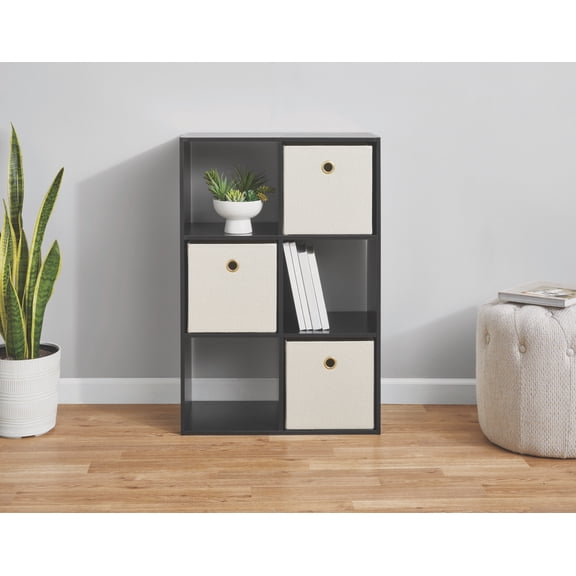


Deal, Casacomoda Triple Wide 6 Tier Bookshelf, Rustic Industrial Style Bookcases with 15 Open Display Shelves, Modern Tall Bookcase Furniture for Bedroom, Living Room and Home Office, Rustic Brown, Price $84.99 Options from $78.99

Deal, Homfa 82" Tall Bookcases, Freestanding Display Storage Shelves, 7-Tier Open Bookshelf for Home Office Living Room Bedroom, Black, Price Now $89.98 Was $139.99 Options from $79.98

Mainstays Westley 5-Shelf Arch Bookcase, Black Finish, Price $104.00 Options from $104.00 – $208.00

Deal, Homfa Rattan Cabinet with Doors, Tall Storage Cabinet with 2 Drawers, Narrow Accent Versatile Cabinet for Living Room, Oak, Price Now $159.99 Was $279.99

Deal, Homfa 18-Cube Bookcase and Bookshelves, 71.2" Triple Width 6 Tier Freestanding Arch Library Cabinet for Home Office Living Room, Black Bark Texture, Price Now $189.85 Was $329.99 Options from $189.85 – $199.99



In 100+ people's carts, Mainstays 9-Cube Storage Organizer Bookcase, Black, Price $46.84 Options from $44.88
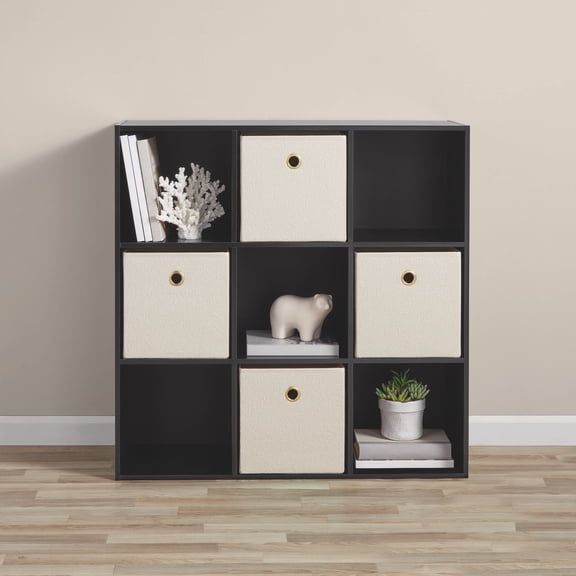
Deal, Homfa 21-Cube Bookcase and Bookshelves with Adjustable Shelves, 71.3'' Triple Width Open CD Display Storage Rack, Oak, Price Now $95.99 Was $199.99 Options from $95.99 – $199.99
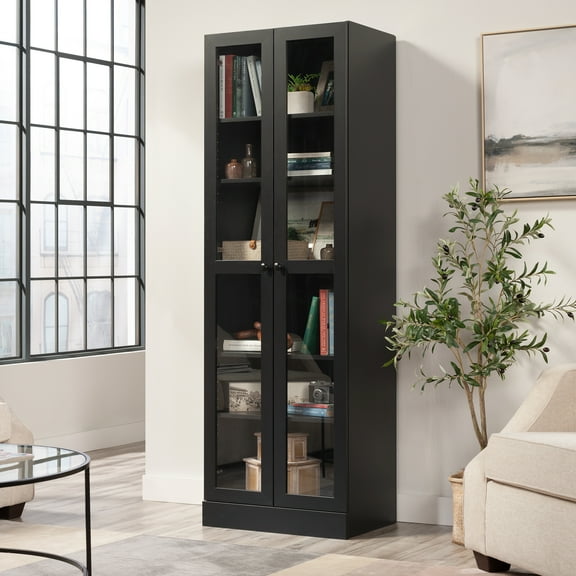
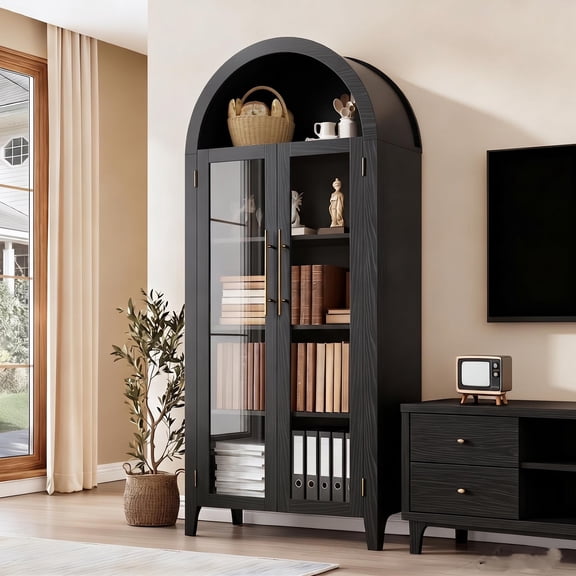
Mainstays Glass Door Storage Cabinet Bookcase, Black Finish, Price $128.00
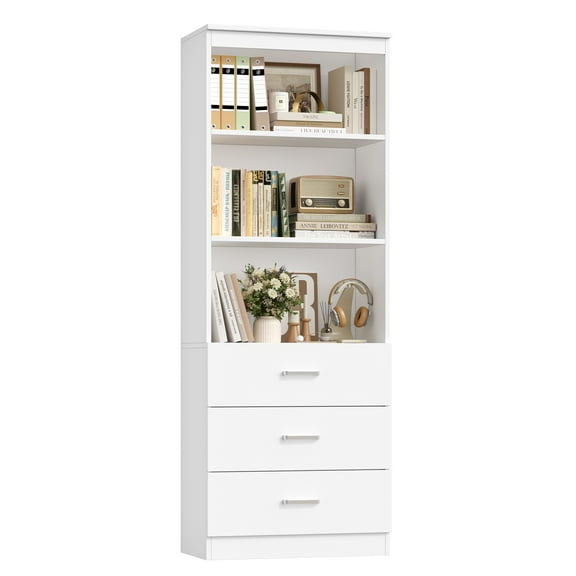
Deal, Homfa 71" Tall Bookcases with 3 Large Drawers, 3 Tier Wooden Storage Bookshelf for Living Room Home Office, White, Price Now $125.98 Was $229.99 Options from $119.99


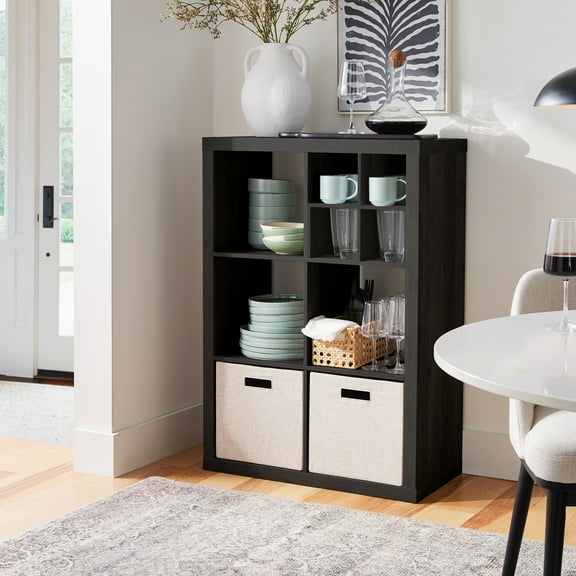
Better Homes & Gardens 6 Cube Storage Organizer, Charcoal, Price $64.44



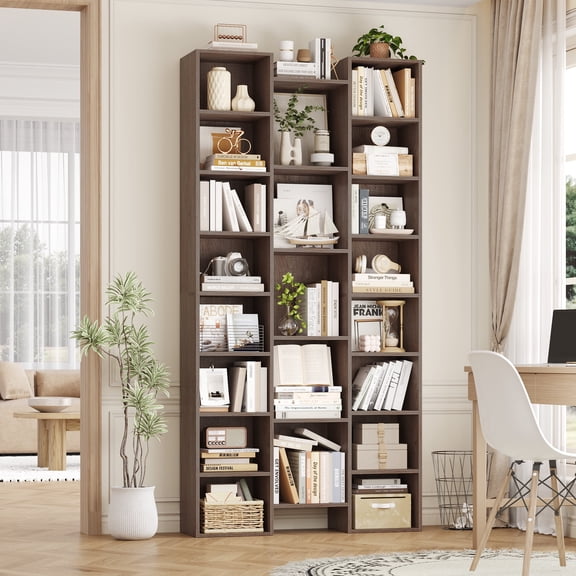
Deal, Homfa Double Row 6 Tier Bookcases, 71 in Tall Bookcase Bookshelf with 4 Drawers and 8 Display Cubicles, for Home Office Living Room, Black& Oak, Price Now $164.99 Was $263.99 Options from $164.70


Better Homes & Gardens 4-Cube Storage Organizer, White Texture, Price $49.97 Options from $44.44
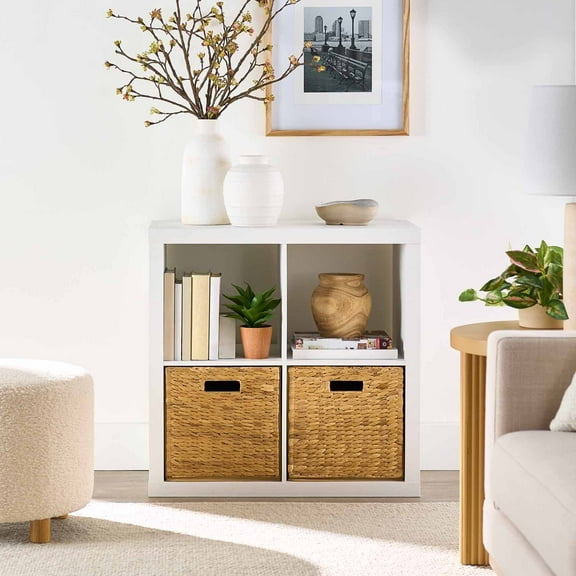

Mainstays 3-Shelf Bookcase with Adjustable Shelves, Rustic Oak, Price $29.96 Options from $28.96
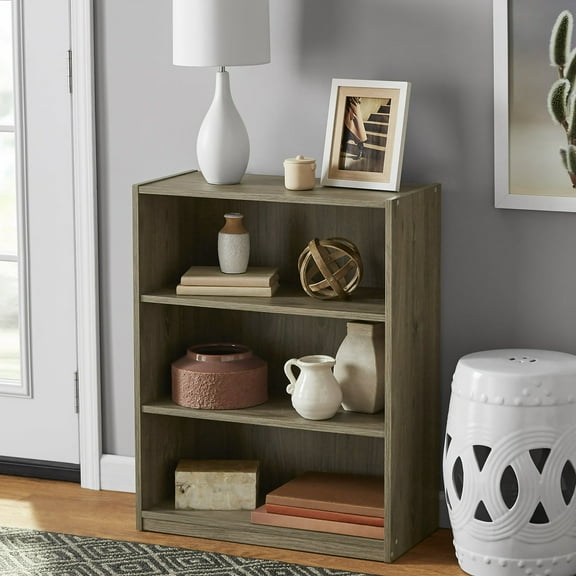
Homieasy 80'' Eatra Tall Bookcase with Drawers, 27.6'' Wide Desk with Hutch Storage for Living Room, Office, Distressed White, Price $169.96


Best seller, Mainstays 3 Cube Storage Organizer, Black, Price $25.88
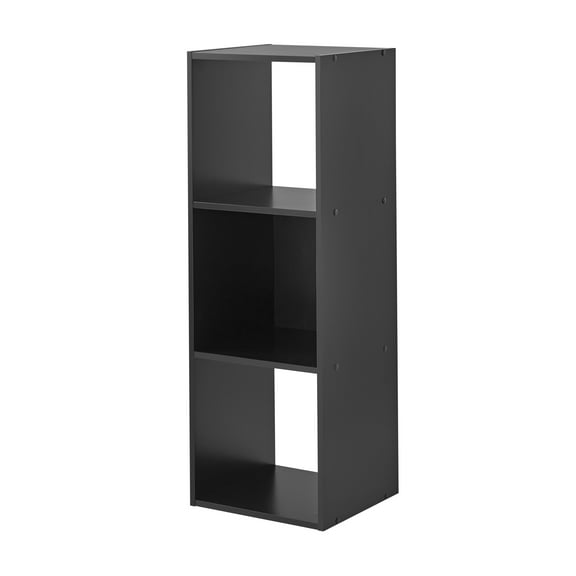
Deal, Casacomoda Tall Bookcase, Bookshelf, 5-Tier Display Storage Shelf, Space-Saving Bookshelf for Living Room, Bedroom, Home Office, Black, Price Now $44.99 Was $74.99 Options from $44.99 – $59.99
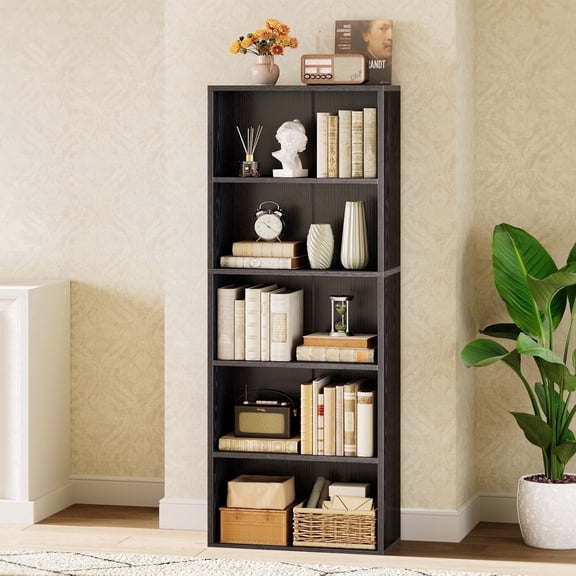


Deal, Homfa 75-Inch Bookshelf and Bookcase with 3 Drawers, Wooden Storage Book Shelf with Adjustable Shelves For Living Room, Home Office, White, Price Now $159.99 Was $279.99 Options from $155.99

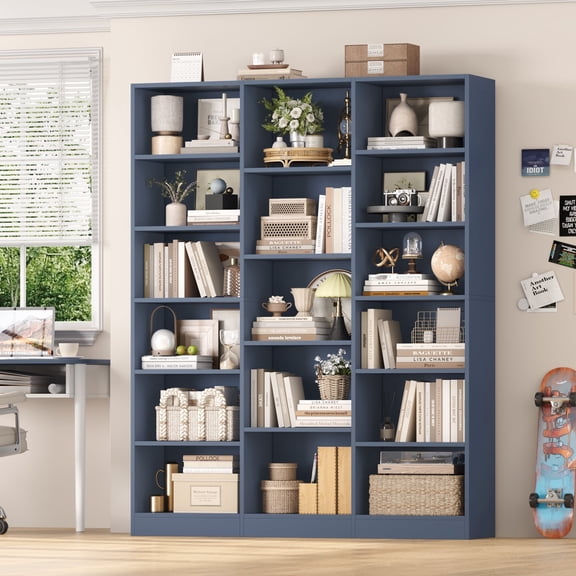
Deal, Homfa Triple Row 6-tier Bookshelf, 74 in Tall Bookshelf with 17 Open Display Shelves, Large Bookcase for Office Living Room, Blue, Price Now $149.99 Was $229.99
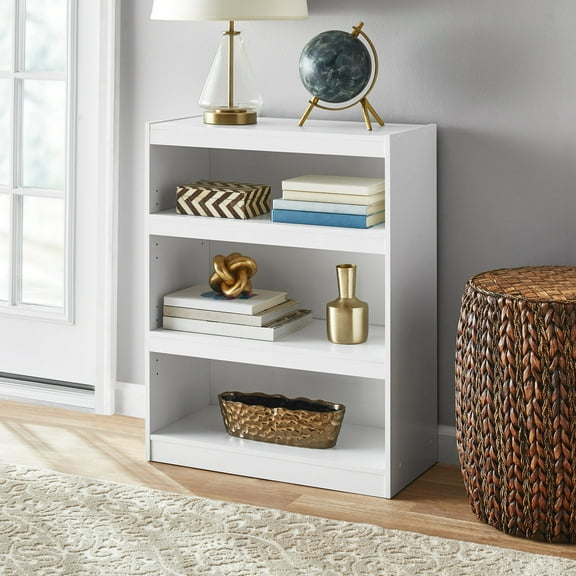
Best seller, Mainstays Framed 3-Shelf Bookcase with Adjustable Shelves, White, Price $29.88

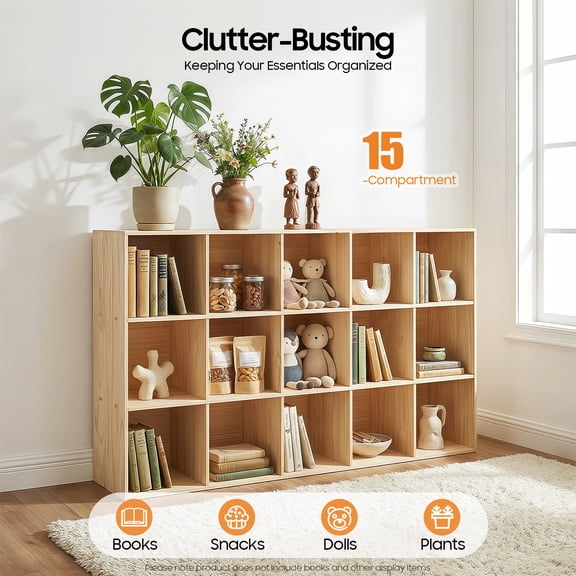
15-Compartment Solid Wood Bookcase Large Storage Floor Standing Log Color, Price $143.11
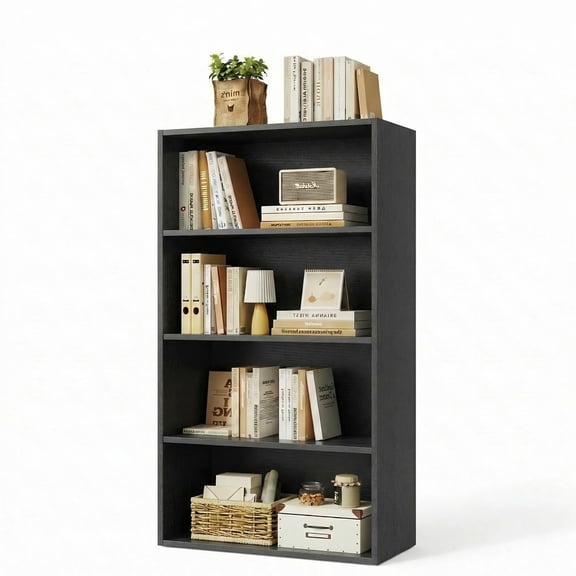
Deal, EDX 4 Tier Bookcase Storage, 42 Inch Large Tall Floor Standing Open Bookshelf for Home Office, Living Room, and Bedroom, Black, Price Now $41.99 Was $58.99 Options from $35.99


53" Tall 6 Cube Modern Freestanding Bookshelf with Anti-Tip Design, Home Office Storage Organizer Shelf for Living Room Bedroom, Light Ivory Vertical Striped Paper, Price $205.99
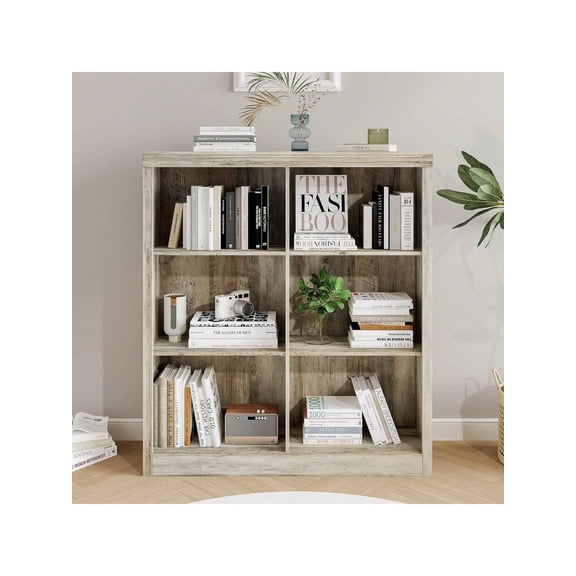


Rollback, Mainstays 5 Shelf Bookcase with Doors, Black Finish, Price Now $62.88 Was $69.88
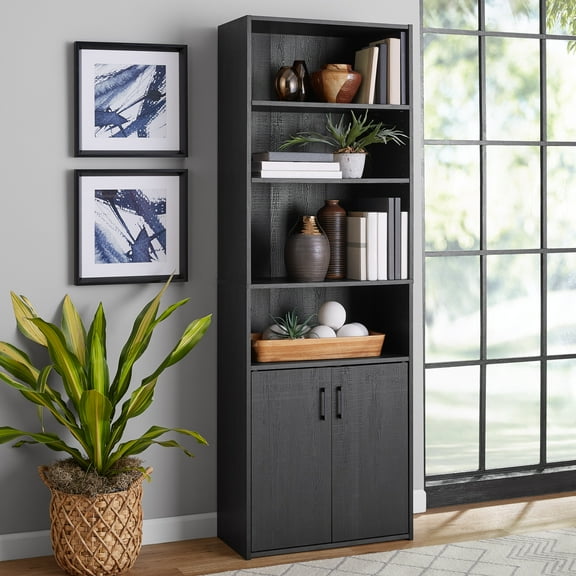


Deal, 81" Tall Arched Bookshelf, Kitchen Pantry Storage Cabinet, 6-Tier Bookcase with 2 Doors for Living Room, Kitchen, Home Office, Black, Price Now $149.99 Was $359.98 + $49.99 shipping Options from $149.99 – $159.99


-NA-, Price $23.59 + $7.48 shipping

Renwick Wooden 7 Layer Open Shelf Bookcase with Compartment, Black, Price $64.52 Options from $57.14


KFFKFF Montessori Bookshelf, 35.4-inch Wide Toy Organizer, 2-Tier Children's Display Cabinet, Daycare Furniture, Kids Storage Shelf for Bedroom, Nursery, Living Room, Entryway, Preschool, Brown, Price $92.90 $92.90/ca

Deal, Homfa 6-Tier Bookcase with Arched Top and Pilasters, 72.8" H Accent Bookcase with Bark Grain Texture, Black, Price Now $97.99 Was $196.99
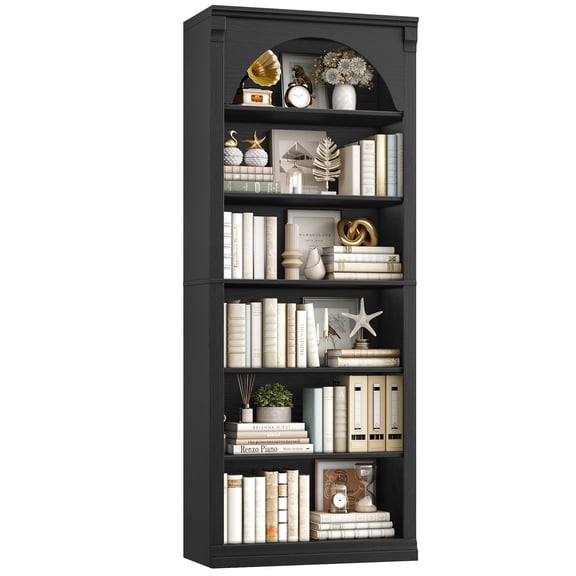
Roomisland 6 Cube Storage Organizer, Wood Bookshelf with Removable Back Panels, Open Cubby Shelf for Home Office Bedroom Living Room, Vertical or Horizontal, Price Now $32.99 Was $55.99 + $14.99 shipping Options from $25.99
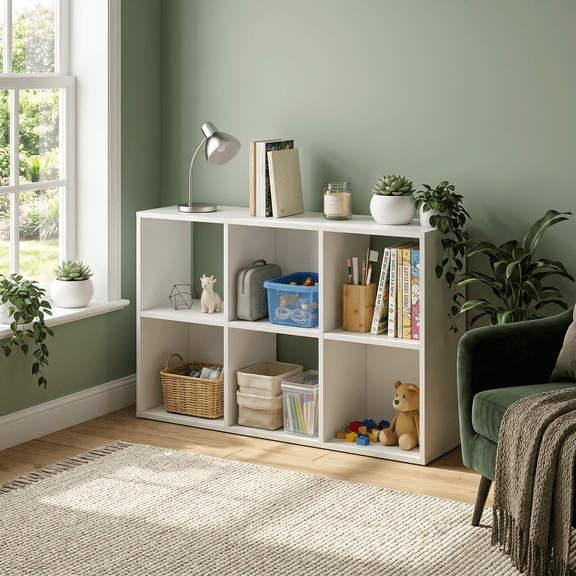


Arched 5-Tier Wooden Office Bookcase - 71.65" Tall Farmhouse Bookshelf with Metal Corner Protection - Display & Storage for Home Office, Living Room, Bedroom - Brownish Red, Basic, Price $125.54 + $9.99 shipping Options from $104.55


ZENY 5-Tier Bookshelf, Modern Bookcase with Open Shelves for Living Room, Home Office, Bedroom, White, Price $41.48 Options from $41.48 – $43.48
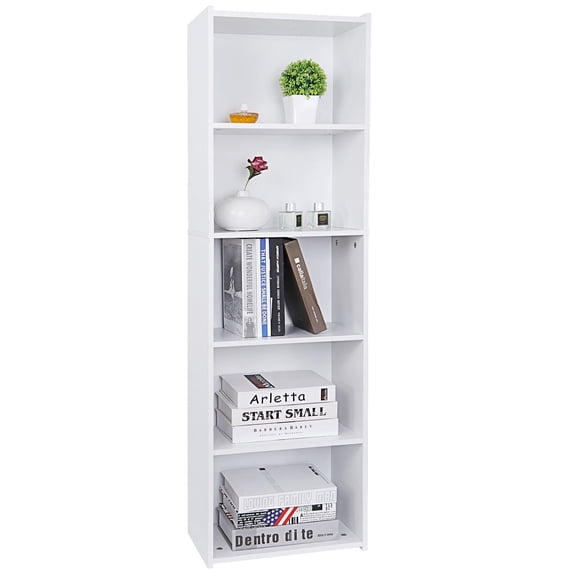


Mainstays Framed 5-Shelf Bookcase with Adjustable Shelves, White, Price $49.88
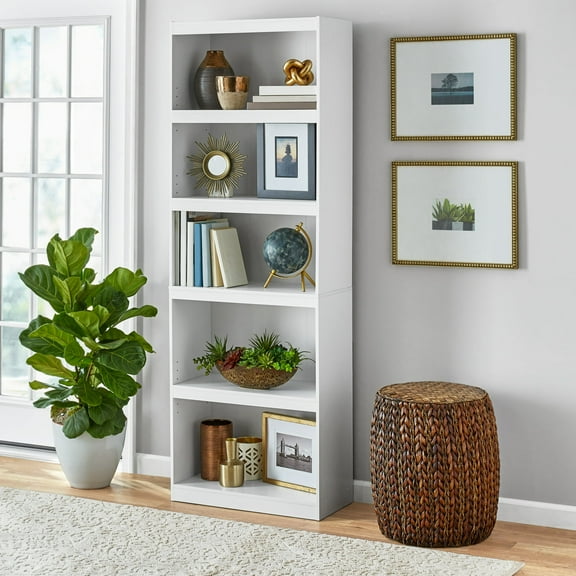
Homieasy 6-Tier Corner Bookshelf - L-Shaped Etagere Shelf with Baffles, Freestanding Storage for Living Room, Office, Bedroom,White, Price Now $109.99 Was $129.99


Kayerdos 4-Tier Open Bookcase, Freestanding Wood Bookshelf with Removable Shelves, Anti-Tip Storage Shelf for Living Room, Bedroom & Home Office, White, Price $35.99 + $19.99 shipping Options from $27.99


Rollback, Better Homes & Gardens Juliet Open Arch Bookcase, Rich Black and Light Honey, Price Now $228.00 Was $258.00


Deal, Casacomoda 5-Tier Bookshelf, Freestanding Book Shelf, Home Office Bookcase, Storage Shelving Unit for Bedroom, Living Room, Vintage, Price Now $39.99 Was $74.99 Options from $39.99 – $61.99
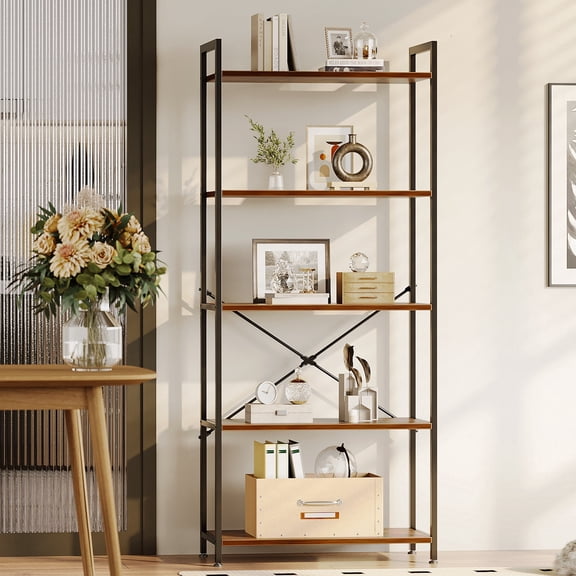


Mainstays Kids Toy Storage Cabinet with Three Rolling Bins, White Finish, Price $99.87
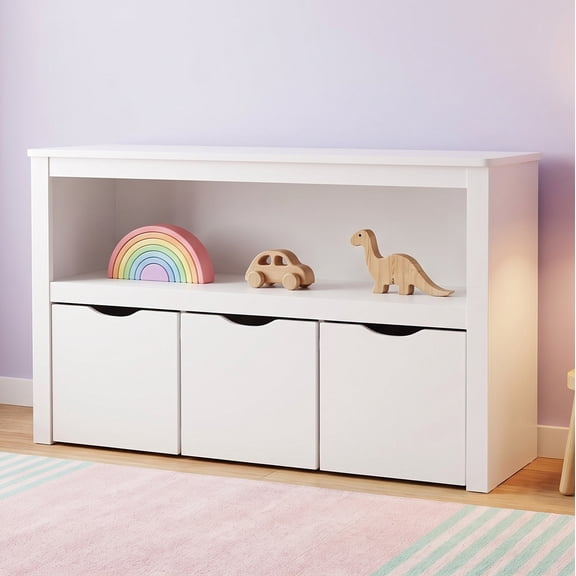
6-Tier Tall White Industrial Bookcase 71.4''H Modern Slim Bookshelf Narrow Space Storage Organizer for Home Office, Living Room, Bedroom, Library 250 lb Capacity Color: White, Price $31.89 + $24.99 shipping
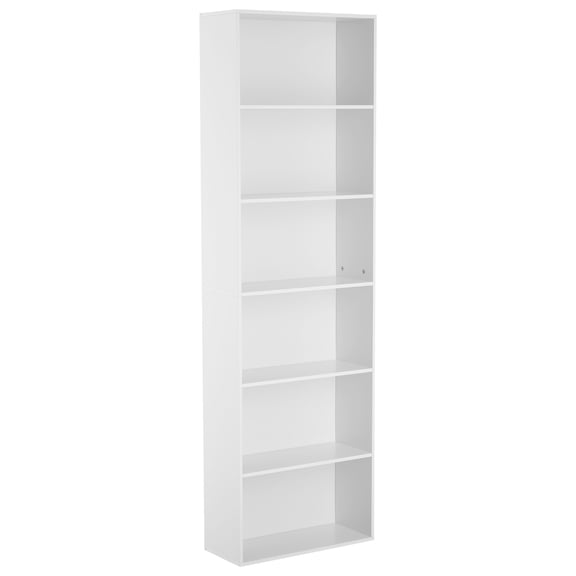
Deal, Black Cube Storage Unit, 3-tier Bookcase with 6 Cube Storage Unit, Open Display Bookcase with Removable Back Panels for Living Room, Home Office, Bedroom,, Price Now $25.64 Was $52.99 + $19.88 shipping Options from $25.63
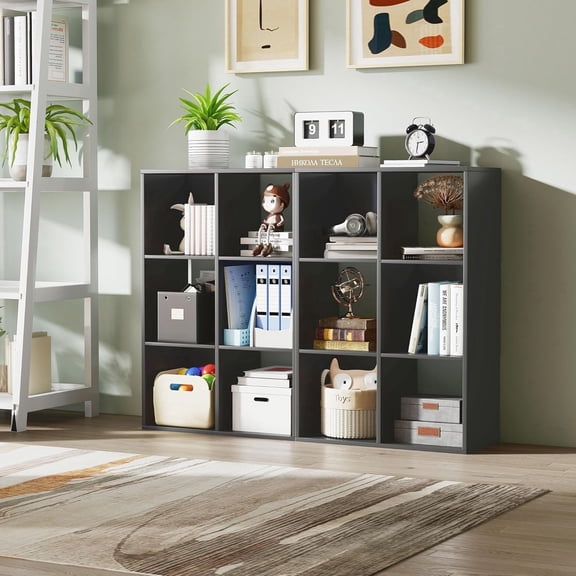


Deal, EDX 5 Tier Bookcase Storage, 53 Inch Large Tall Floor Standing Open Bookshelf for Home Office, Living Room, and Bedroom, Rust, Price Now $45.99 Was $63.99 Options from $44.00


Deal, Cube Bookshelf White, 6 Cube Storage Organizer Bookcase, Display Bookcase, TV Stand, for Living Room, Home Office, Bedroom, Price Now $26.83 Was $51.99 + $21.99 shipping Options from $26.83 – $44.99
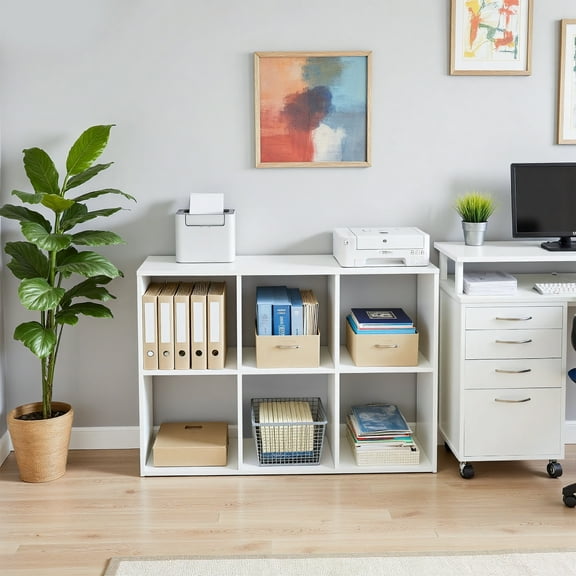


Farmhouse 5 Tier Bookcase With 4 Glass Doors and 3 Drawers, Beige, 101.6" W, Price $419.99 $4.13/in Options from $369.99
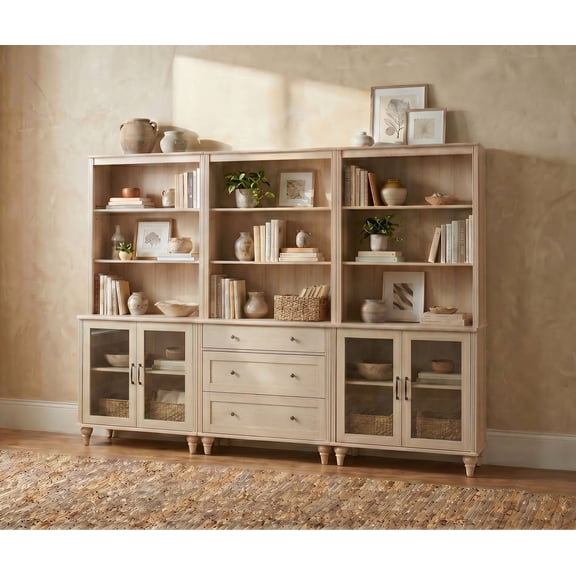


TROPOW Bookcase with Doors Arched Bookshelf 71.65in Tall Bookcase Farmhouse Cabinet with Shelves Wooden Bookshelves for Home Office, Living Room,White, Price $111.93 + $39.99 shipping Options from $70.22
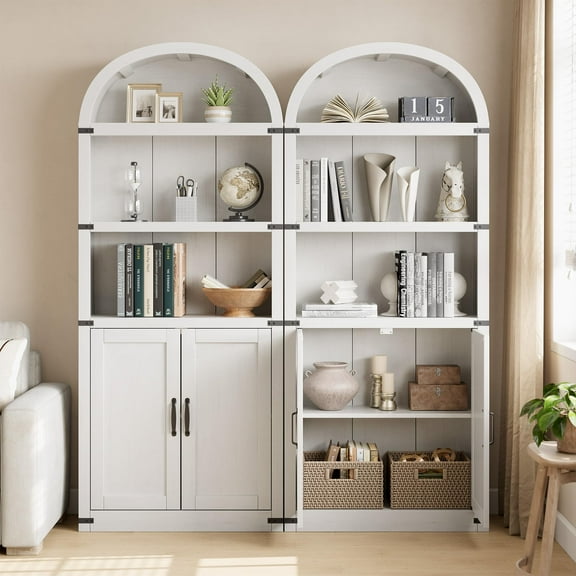


3-Tier Bamboo And Wood Storage Rack, Multi-Functional Storage Rack, Suitable For Books/Shoes/Display, Sturdy Open Design, Suitable For Living Rooms, Bedrooms, Or Offices, Price Now $13.49 Was $14.99 + $5.99 shipping
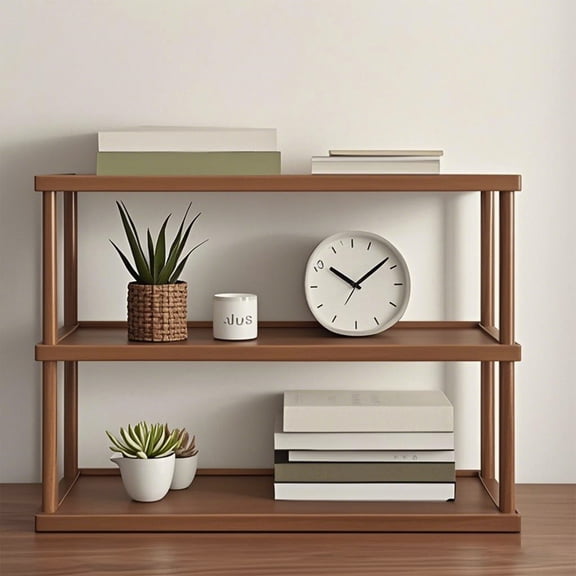
Furnifact French Oak 5-Tier Open Shelf Bookcase, Engineered Wood Storage Shelves for Living Room, Office, Durable Engineered Wood Construction, Price $28.28
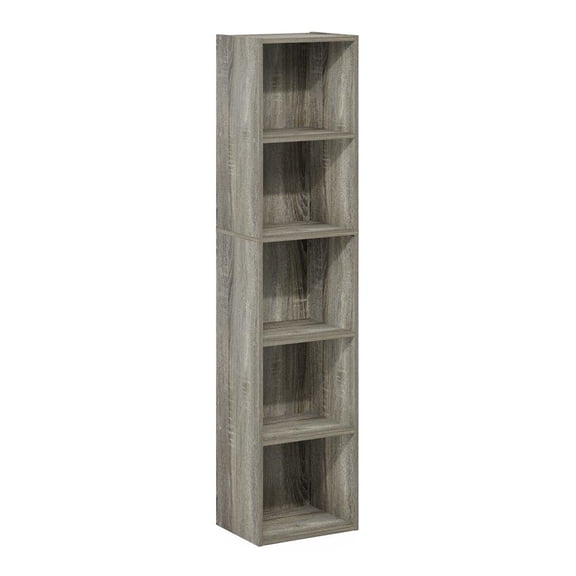
Deal, Memoryfield Farmhouse 5 Tier Bookcase Display Shelf, with Adjustable Shelf and 2 Large Glass Doors, Arched Kitchen Pantry Cabinet, Versatile Storage Cupboard, Black, Price Now $179.99 Was $199.99 Options from $174.99


About Bookshelves and Storage Cabinets - Walmart.com
Refresh your home or office with versatile bookshelves designed to fit your style and storage needs. From sleek glass door cabinets to tall, open display shelves, discover furniture that helps organize your favorite reads, décor, and essentials with ease.
- Flexible organization: Adjustable shelves offer customizable space for books, decorative items, and everyday essentials, making it easy to keep everything within reach.
- Stylish storage solutions: Choose from a range of modern finishes and unique designs to enhance any room, whether you're looking for a statement piece or a subtle addition to your décor.
- Multipurpose functionality: Great for living rooms, bedrooms, and offices—these bookcases transition seamlessly between display and storage roles as your needs change.
- Space-saving options: Narrow and tall bookcases make the most of vertical space, perfect for smaller areas or apartments that require smart storage solutions.
- Easy coordination: Find coordinating pieces within the collection for a cohesive look throughout your space, all conveniently available from one trusted retailer.
No matter your storage challenge, you'll find dependable, attractive bookshelf solutions ready to organize and inspire every corner of your home.
Popular in Bookshelves and Storage Cabinets - Walmart.com
FAQ
Where can I find affordable bookshelves?
Walmart offers a wide selection of bookshelves at various price points, making it easy to find options that fit your budget. You can use filters like "Under $100" or "Get it today" to narrow down choices and spot deals. Shopping online lets you compare styles, sizes, and customer reviews, so you can pick the right fit for your space. Don’t forget to check for bundle packs or cube organizers for extra value. With so many choices, you’re likely to find a bookshelf that’s both stylish and wallet-friendly.
Is it bookshelves or book shelves?
Both "bookshelves" and "book shelves" are correct, but "bookshelves" is the most common and widely accepted spelling when talking about furniture designed to hold books. You’ll see "bookshelves" used throughout Walmart’s site and in most product listings. "Book shelves" can refer to individual shelves, while "bookshelves" usually means the entire unit. No matter which term you use, you’ll find a variety of options to organize your home or office.
Is it cheaper to buy or build bookshelves?
Buying a bookshelf from Walmart can often be more cost-effective and convenient than building one yourself, especially when you factor in the price of materials, tools, and your time. Ready-to-assemble bookshelves come in many styles and sizes, and you can find options for almost any budget. Building your own may offer customization, but it usually requires woodworking skills and extra effort. For most shoppers, buying a bookshelf is a practical and affordable solution.
What does the bookshelf rule mean?
The "bookshelf rule" usually refers to organizing or storing items in a way that keeps everything visible and accessible—just like books lined up on a shelf. In home organization, it means arranging items upright and in a single layer so you can easily see and reach what you need. This approach can help keep your space tidy, whether you’re storing books, decor, or other essentials on your bookshelf.
How do I pick the right bookshelf size?
Choosing the right bookshelf size depends on your space and storage needs. Start by measuring the area where you plan to place the bookshelf, including height, width, and depth. Consider what you’ll store—tall books, decor, or baskets—and look for adjustable shelves if you want flexibility. For small rooms, narrow or cube bookcases can maximize storage without taking up much floor space. Always check product dimensions on Walmart’s site to ensure a good fit for your home.