

Pimple Cleaner Tools & Acne Removal Devices | Walmart














About Pimple Cleaner Tools & Acne Removal Devices | Walmart - Walmart.com
You can compare a pimple cleaner tool by power type, tip style, and material, so your routine feels precise and easier to organize. You'll also find acne treatment tools designed for blackheads, whiteheads, superficial acne, and clogged pores, which makes category shopping more practical.
When you shop this category, you usually want direct control and targeted precision for visible surface concerns. You may also want options that support careful cleaning and repeat use, especially when stainless steel and silicone details matter.
How to choose a pimple cleaner tool
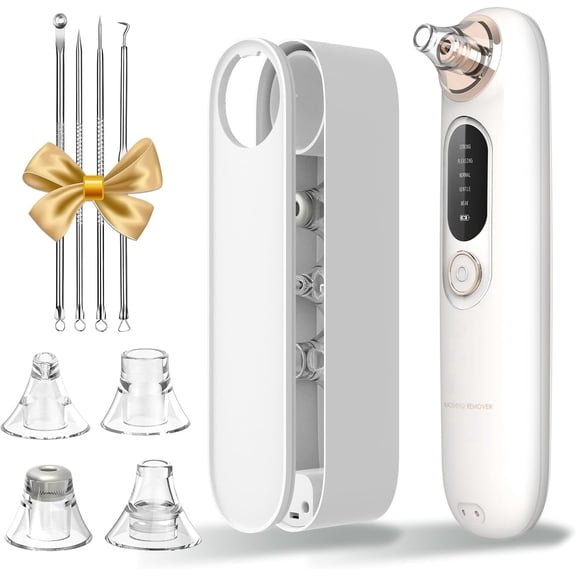
You should start with the tool type because each tip suits a different surface concern. Your choice often comes down to extractor loops, fine needles, vacuum suction heads, or tweezers for targeted spots.
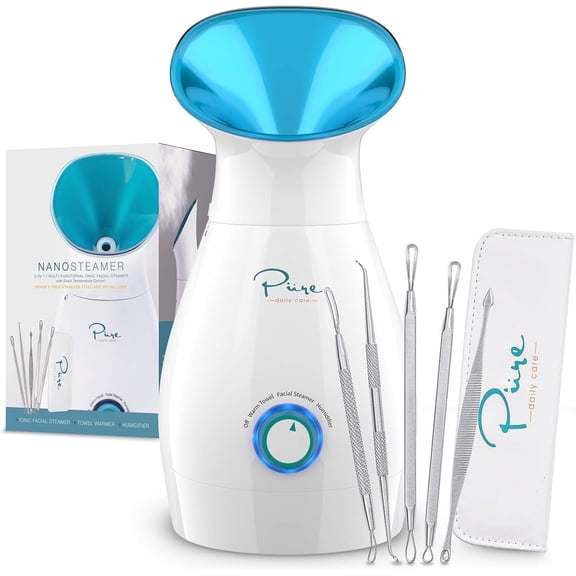
An extractor loop helps you apply even pressure around a visible blackhead or whitehead. A needle can help you reach a very small surface point, while tweezers help you grip debris near the skin's surface.
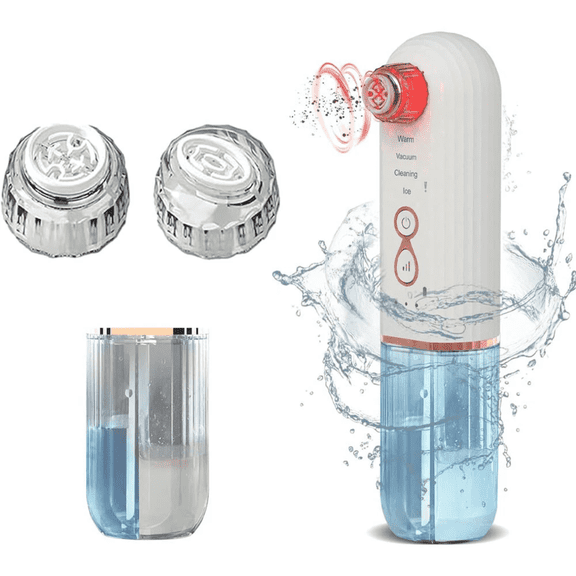
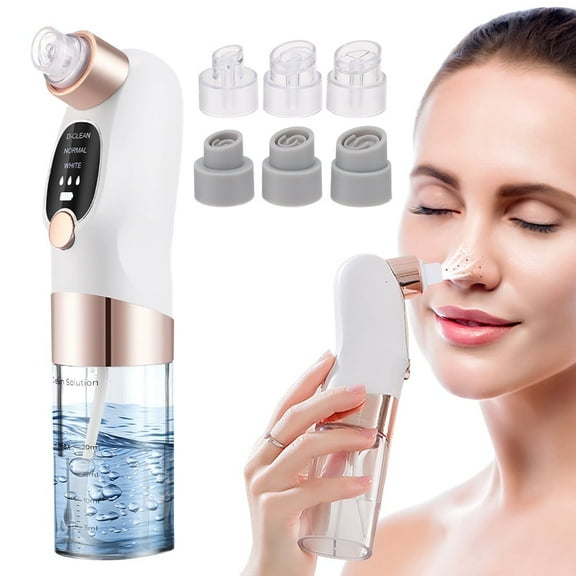
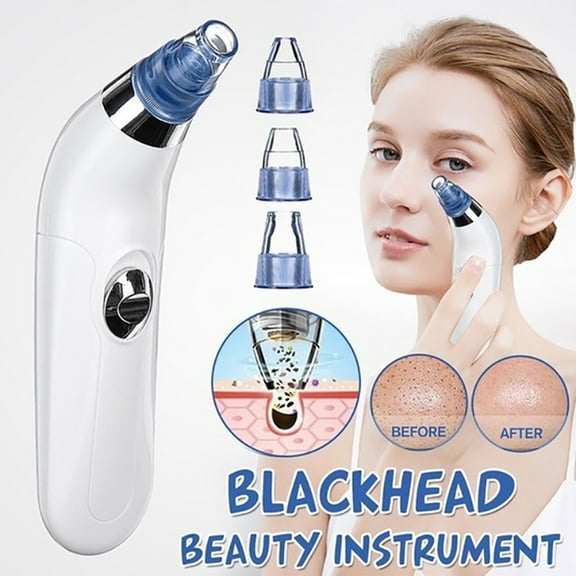
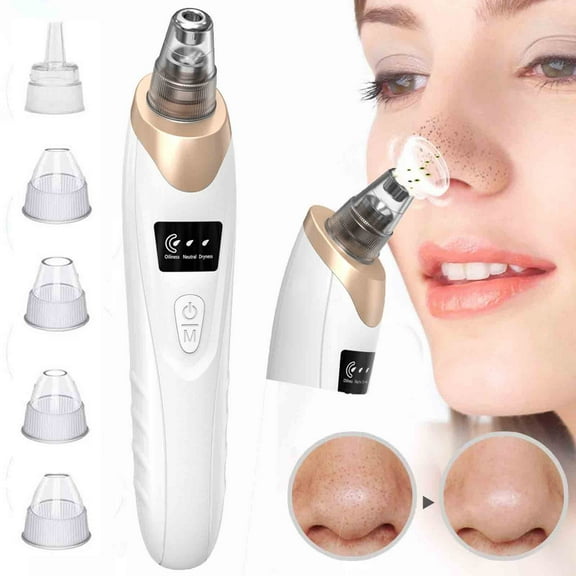
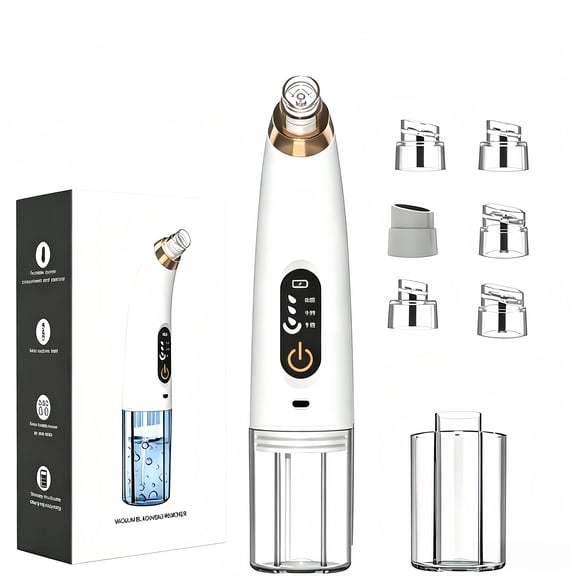
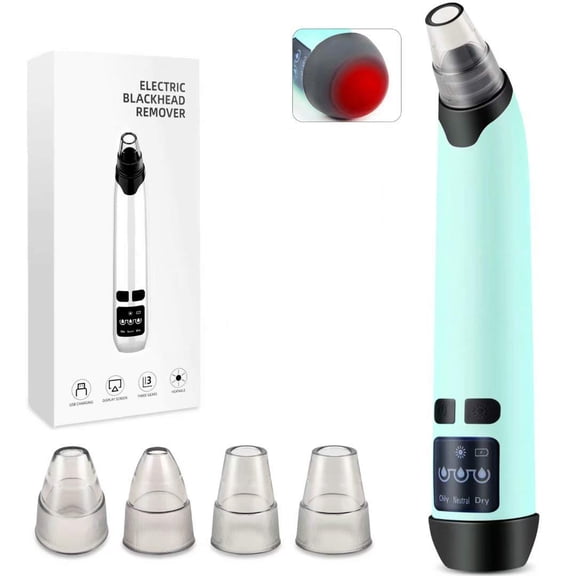
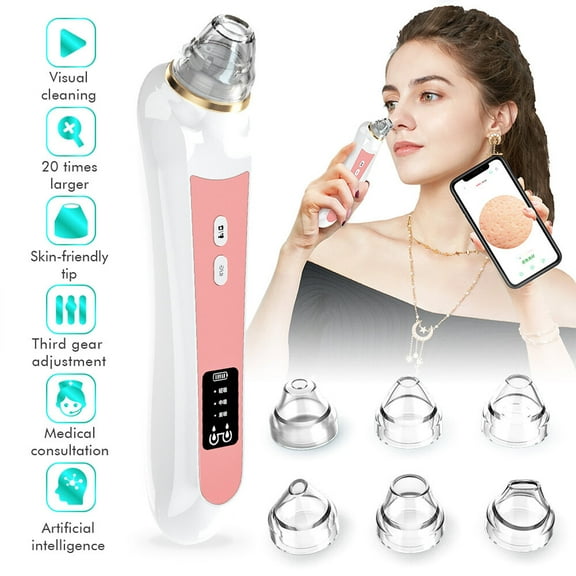
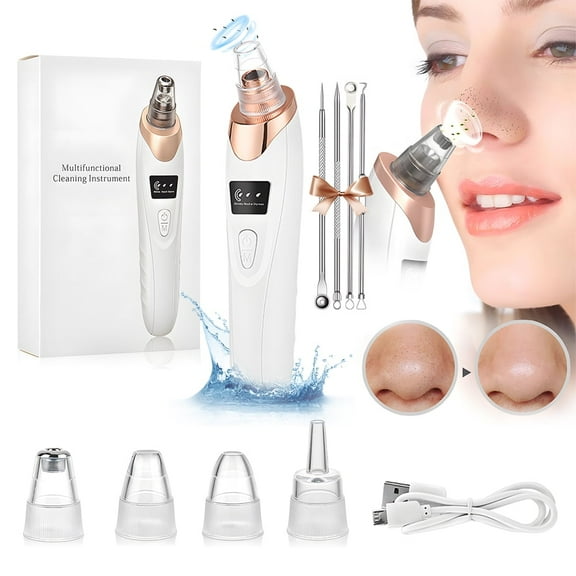
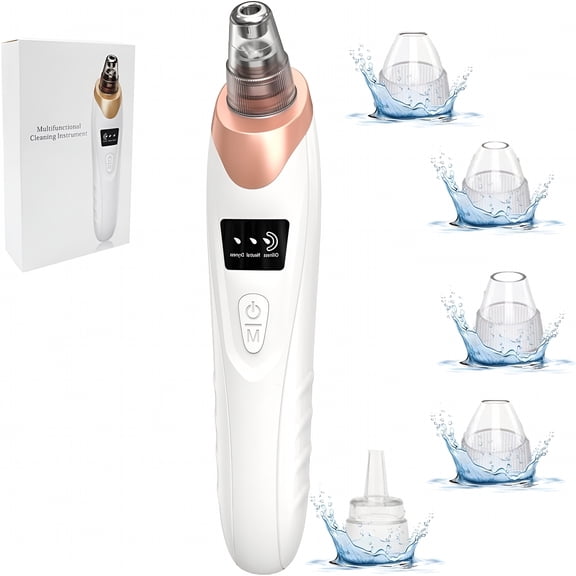
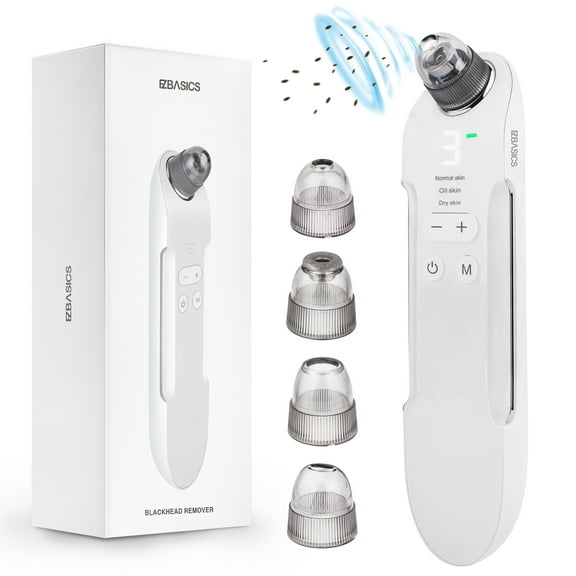
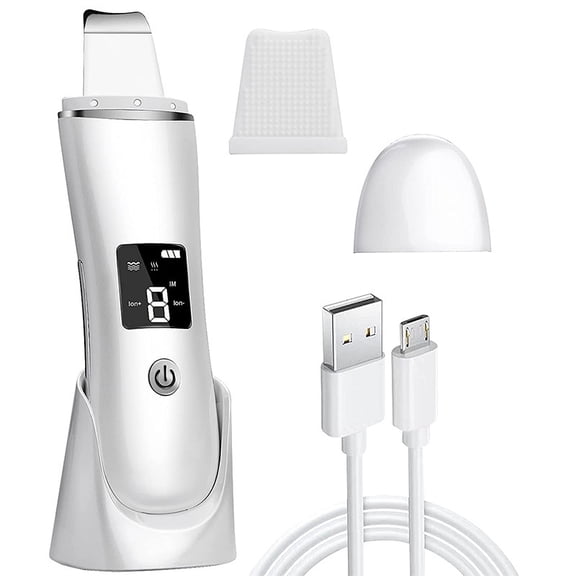
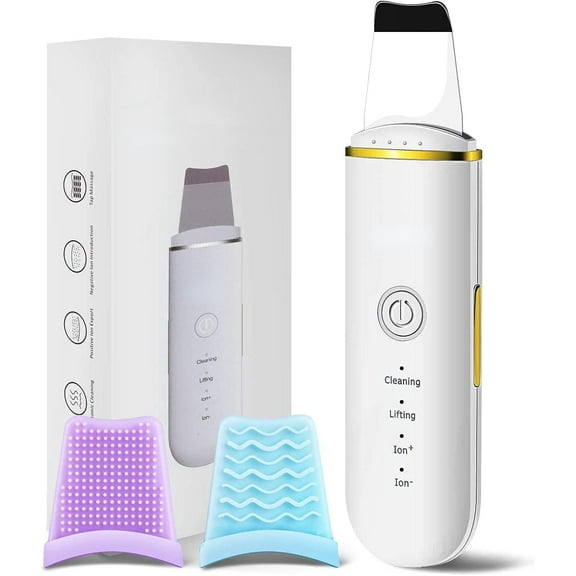
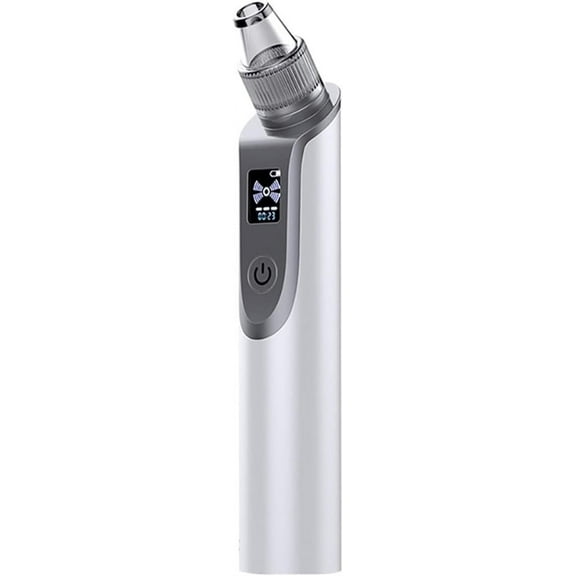
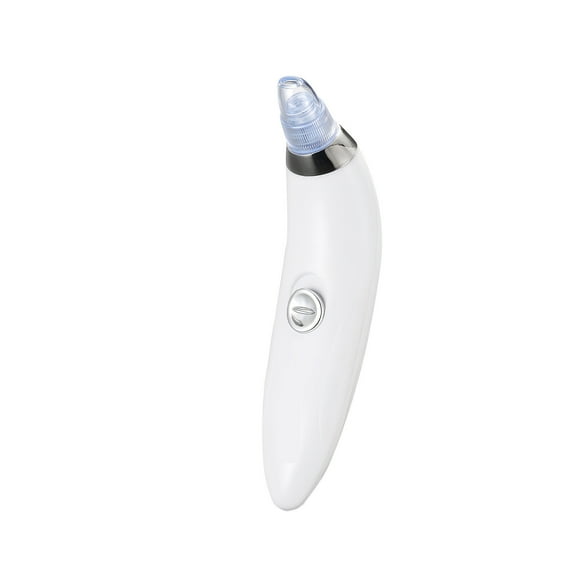
If you prefer a powered option, you may compare an electric acne remover with a manual extractor. You'll usually get direct hand control from manual tools, while electric suction can feel simpler for larger pore-focused areas.
- You can target blackheads with loop extractors or vacuum suction heads.
- You can handle visible whiteheads with fine-tip tools and controlled pressure.
- You can choose manual tools for precision or electric options for broader areas.
- You can compare silicone, hypoallergenic metal, and surgical stainless steel for comfort and cleanup.
Choosing between electric acne remover and manual tools
You should compare your comfort level first, because a manual tool gives you direct hand control. An electric acne remover can help you cover your nose, chin, or forehead with a steadier routine.
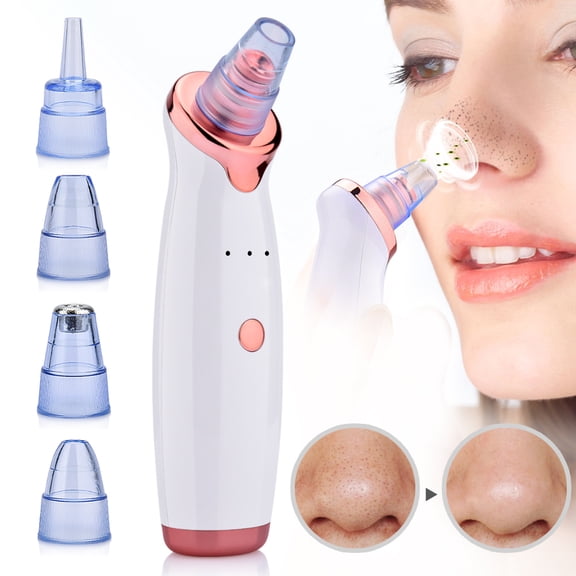
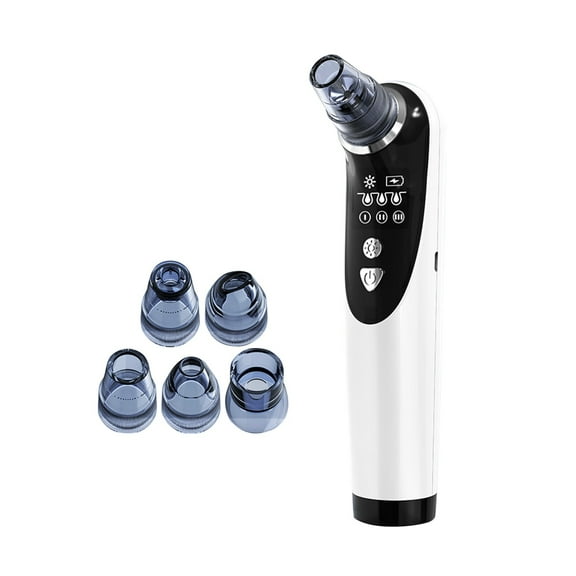
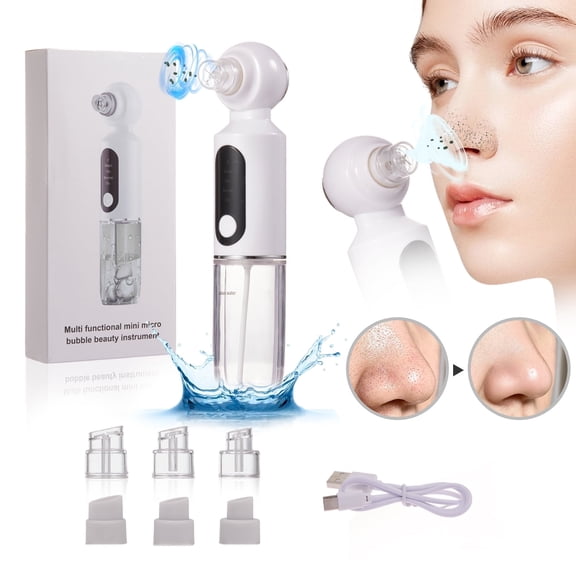
If you want a simple setup, a manual acne removal device may fit your routine with fewer parts. If you want suction-based use, an electric acne remover may give you adjustable heads and easier pore-focused passes.
You may also see a pimple machine remover or pimple device with multiple attachments. You'll want to check whether each attachment matches blackheads, clogged pores, or small surface whiteheads before you choose.
What to look for in materials and hygiene
You should look for surgical stainless steel when you want a sturdy tool with a smooth finish. You may also prefer hypoallergenic metal or silicone touchpoints when your skin tends to react to rough textures.
Your material choice affects both feel and cleanup, especially if you use the tool often. You'll usually find stainless steel easier to wipe down, and silicone accents easier to grip during careful use.
You should also check how you'll sanitize your tool between uses. Your routine may include soap and water first, followed by isopropyl alcohol sterilization for the metal contact areas.
If you share storage space with other beauty tools, you'll want a cap, case, or separate pouch. That setup helps you keep your pimple cleaning tools cleaner between uses and easier to find.
Matching acne treatment tools to surface concerns
You should match acne treatment tools to the concern you actually see on your skin. A loop extractor or vacuum head usually makes more sense for blackheads, clogged pores, and other surface congestion.
For very small whiteheads, you may want a fine-tip option that supports targeted placement. You'll want to focus on superficial extraction rather than deeper areas that need a dermatologist-only approach.
If you're comparing a pimple cleaner tool for your nose or chin, suction styles may feel efficient on textured zones. If you're targeting one visible spot, manual loops or tweezers may offer closer control.
You may also want to compare handle shape, grip texture, and tip size before choosing. Those details help your acne removal device feel steadier in your hand during a careful routine.
Using the right setup for your routine
You can keep your process simple by choosing one format that matches your usual concern. If you mostly manage blackheads, you may prefer suction or loops instead of a mixed kit.
If you like a toolkit approach, you can choose sets with several heads or tip styles. That setup helps you switch from broad pore care to spot-specific use without changing categories.
You may also coordinate this category with facial cleansers, blackhead removers, and other skincare steps. That makes your routine easier to organize, especially when you want one place for beauty tools and skin essentials.
When you compare power type, material, and target concern, you can choose a pimple cleaner tool with more confidence. You'll end up with a tool that fits your cleanup routine, your comfort level, and your surface-care goals.