

LED Strip Lights in Novelty Lights


















![CBConcept UL Listed, 3.3 Feet, 360 Lumen, Blue, Dimmable, 110-120V AC Flexible Flat LED Strip Rope Light, 60 Units 3528 SMD LEDs, Indoor/Outdoor Use, Accessories Included, [Ready to use]](https://i5.walmartimages.com/seo/CBConcept-UL-Listed-3-3-Feet-360-Lumen-Blue-Dimmable-110-120V-AC-Flexible-Flat-LED-Strip-Rope-Light-60-Units-3528-SMD-LEDs-Indoor-Outdoor-Use-Accesso_6560ea5c-7ef8-471c-877a-81d6e2023cac_4.dd1baa3c9fa2fccef381b9a0bdfde1ea.jpeg?odnHeight=576&odnWidth=576&odnBg=FFFFFF)
![Blue, variant on CBConcept UL Listed, 3.3 Feet, 360 Lumen, Blue, Dimmable, 110-120V AC Flexible Flat LED Strip Rope Light, 60 Units 3528 SMD LEDs, Indoor/Outdoor Use, Accessories Included, [Ready to use]](https://i5.walmartimages.com/asr/6560ea5c-7ef8-471c-877a-81d6e2023cac_4.dd1baa3c9fa2fccef381b9a0bdfde1ea.jpeg?odnBg=FFFFFF&odnHeight=30&odnWidth=30)
![Green, variant on CBConcept UL Listed, 3.3 Feet, 360 Lumen, Blue, Dimmable, 110-120V AC Flexible Flat LED Strip Rope Light, 60 Units 3528 SMD LEDs, Indoor/Outdoor Use, Accessories Included, [Ready to use]](https://i5.walmartimages.com/asr/50315f21-4214-43f6-8865-9f499c3f3953_4.7f6b2519119fcaa2da2f46372a0e02b7.jpeg?odnBg=FFFFFF&odnHeight=30&odnWidth=30)
![Pure White, variant on CBConcept UL Listed, 3.3 Feet, 360 Lumen, Blue, Dimmable, 110-120V AC Flexible Flat LED Strip Rope Light, 60 Units 3528 SMD LEDs, Indoor/Outdoor Use, Accessories Included, [Ready to use]](https://i5.walmartimages.com/asr/4272df96-18e7-4af3-a84e-5502888bc14f_3.47897287ea767be7052c4c19c7afa5e1.jpeg?odnBg=FFFFFF&odnHeight=30&odnWidth=30)
About LED Strip Lights in Novelty Lights - Walmart.com
Led strip lights help you add flexible accent lighting, room glow, and task lighting without hardwiring. You can compare length, control type, and power source to match your space and setup.
How to choose led strip lights for your room
Start with room coverage, because your layout decides how much strip length you need. You should measure your wall line, desk edge, shelf run, or TV perimeter before you choose.
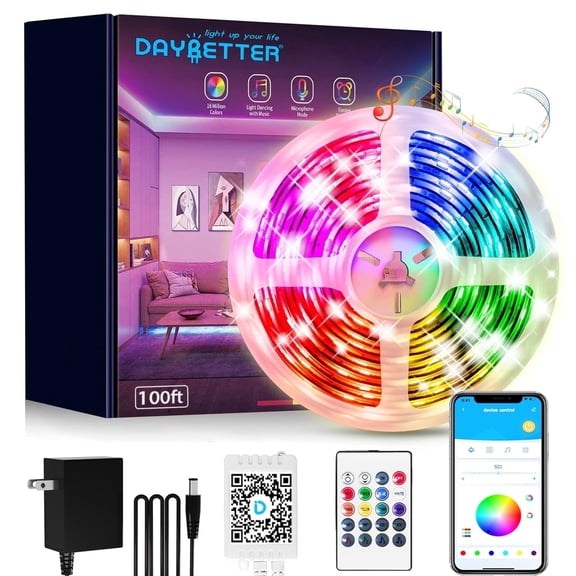
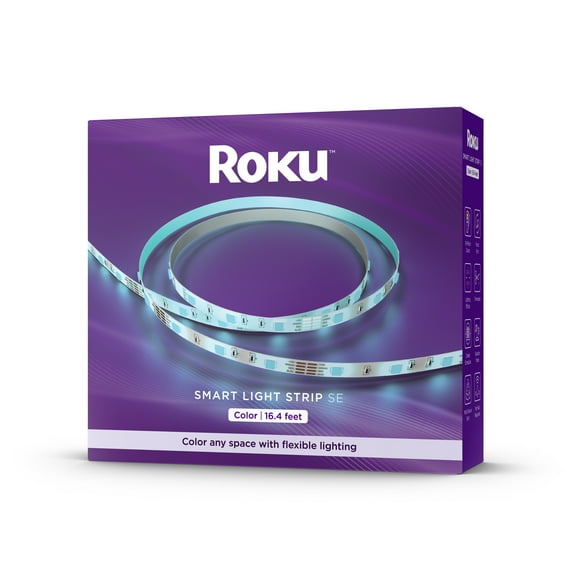
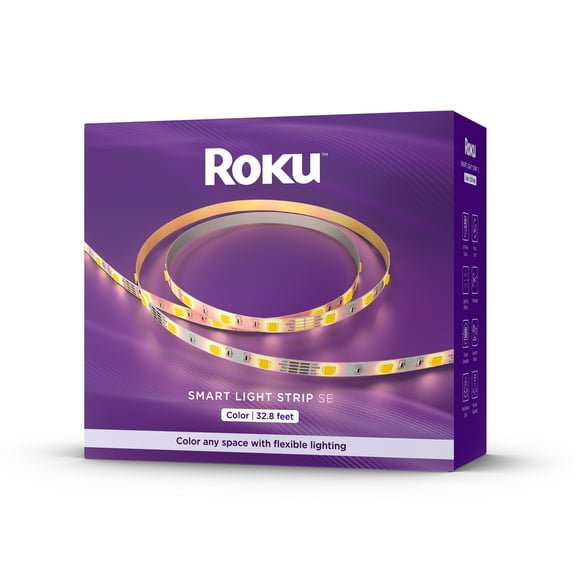
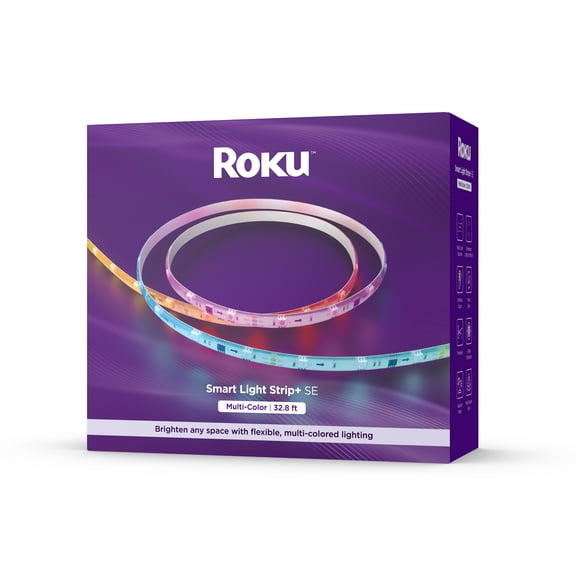
If you need a smaller setup, you can look at 16.4 ft options for desks, headboards, or short shelving. If you need wider coverage, you can compare 32.8 ft, 65.6 ft, or 100 ft lengths.
Flexible led strip lights help you follow corners, bed frames, and entertainment centers with less guesswork. You can also plan for gaps around doors, windows, or furniture before you install.
Choosing light color and brightness style
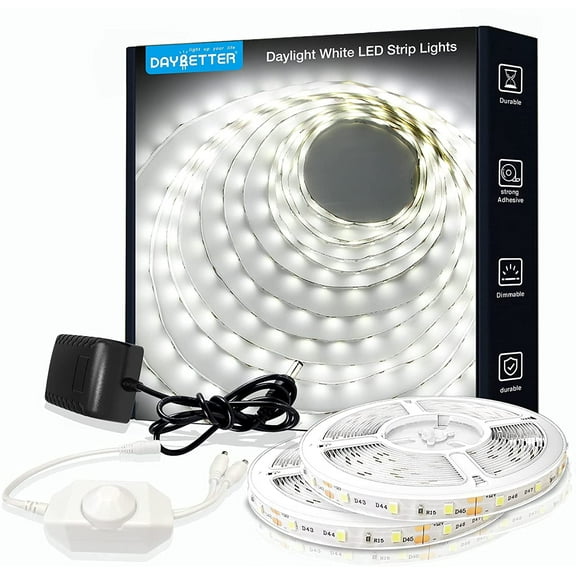
Your light color changes how your room looks and feels throughout the day. You can choose warm white for a softer glow, cool white for a crisp look, or daylight for brighter definition.
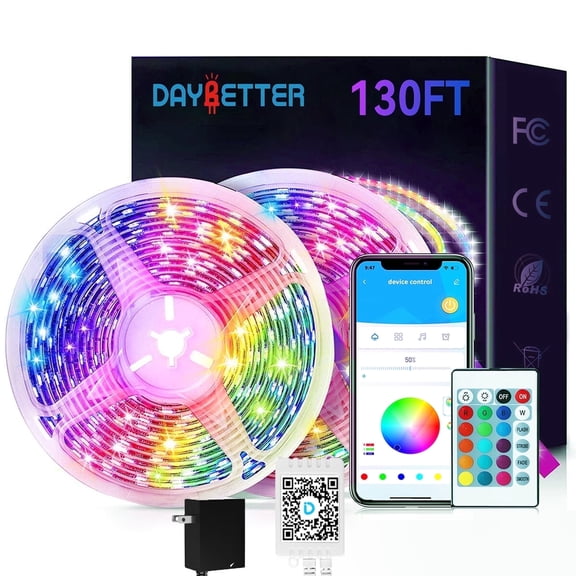
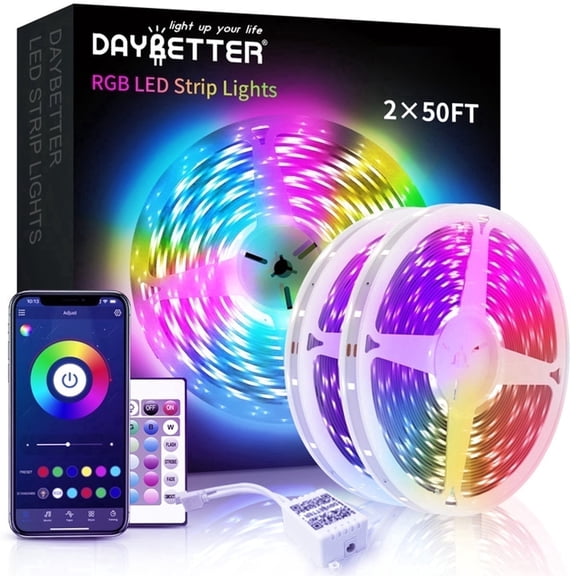
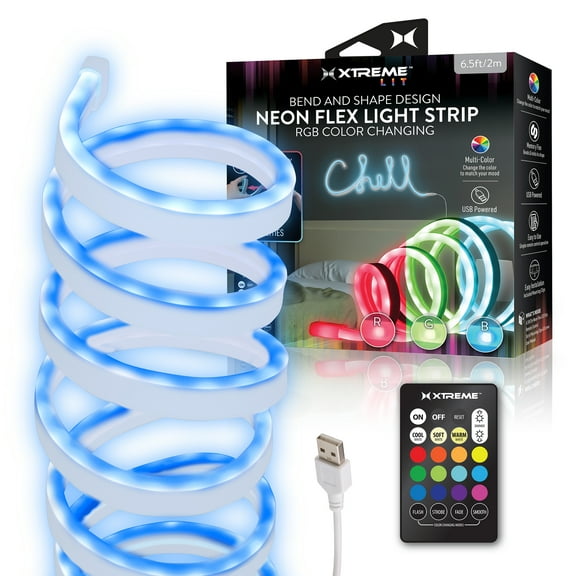
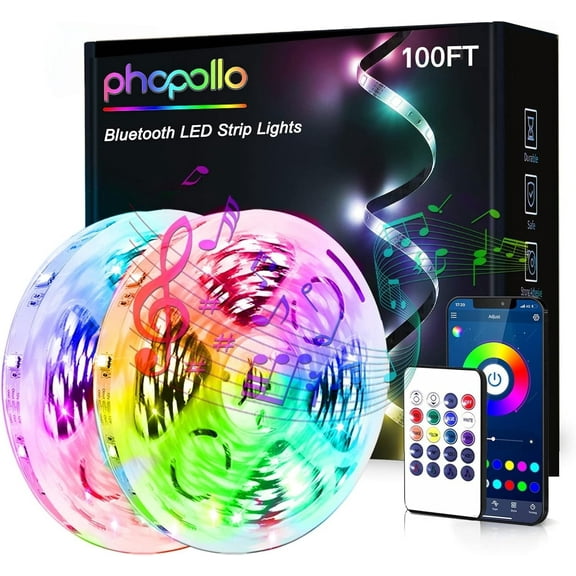
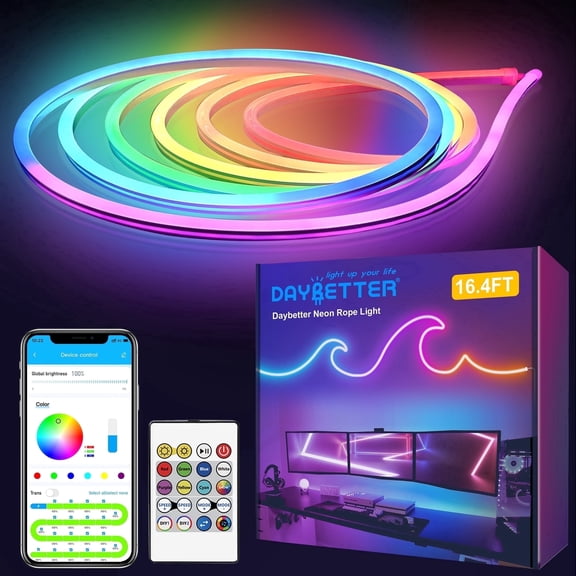
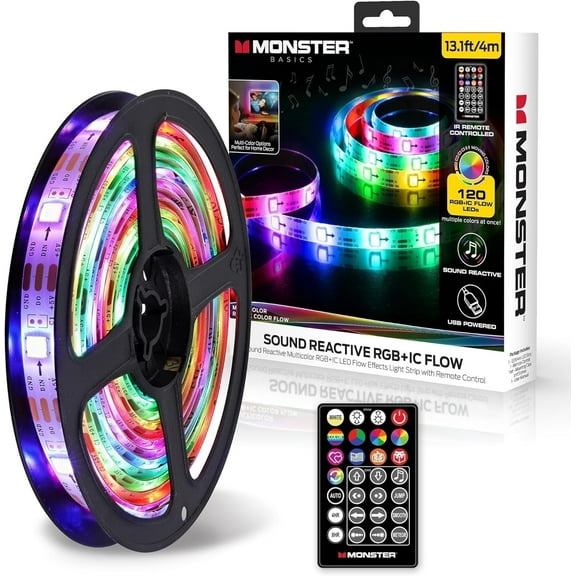
If you want a more playful setup, rgb led strip lights give you color options for gaming areas, media rooms, and party spaces. You can also choose color changing led lights when you want one strip to handle different moods.
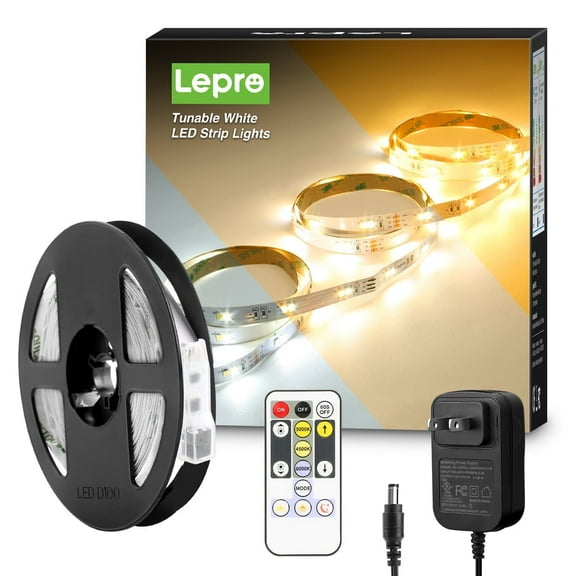
- You can use warm white strips for shelves, bedroom headboards, and cozy corners.
- You can use cool white or daylight strips for work areas, vanities, and under cabinet lighting.
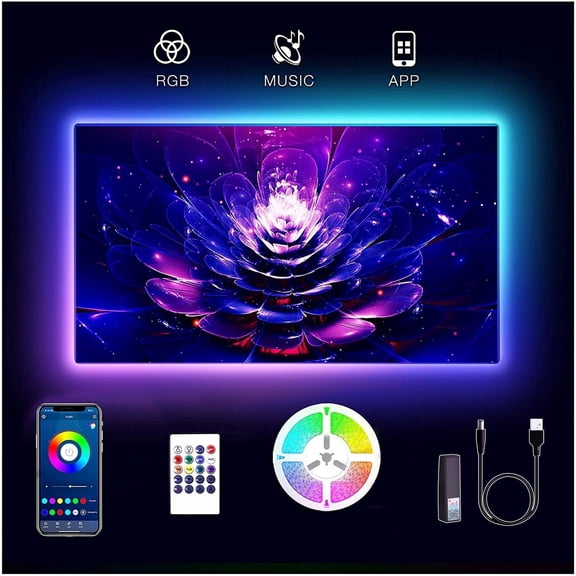
- You can use RGB modes for holiday led strip lights, party décor, and TV backlighting.
When you compare colors first, you can narrow your choices faster and avoid a look that feels too dim or too stark. Your finish, wall color, and furniture tone can also influence what looks right.
Comparing control type and smart features
Your control type shapes how simple your lighting feels during daily use. You can compare smart app, remote control, voice control, and manual switch options based on your routine.
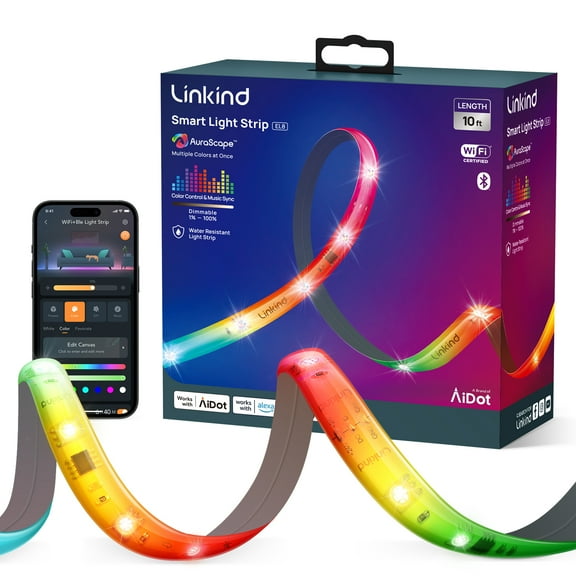
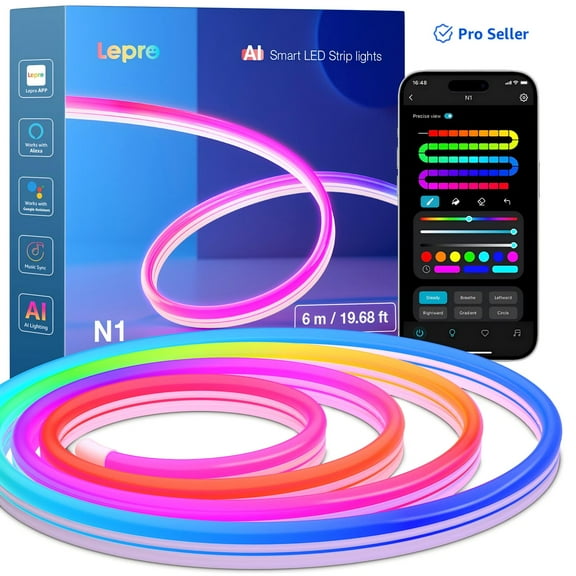
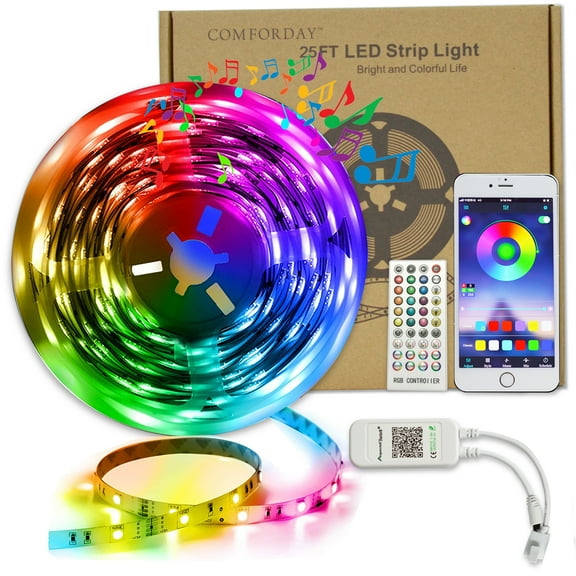
Smart led strip lights work well when you want to change color, brightness, or timers from your phone. You should check whether your setup needs Wi-Fi 2.4GHz before you choose app-based control.
If you want quick changes without opening an app, you may prefer a remote control style. If your home already uses voice assistants, you can look for voice control to fit that setup.
Manual switch styles can make sense when you want a simple on and off option. You can keep your decision focused by matching controls to how often you change scenes.
Understanding power source and placement
Your power source affects where you can place your lights and how much output you may expect. You can compare plug-in, USB powered, and battery operated options for different surfaces.
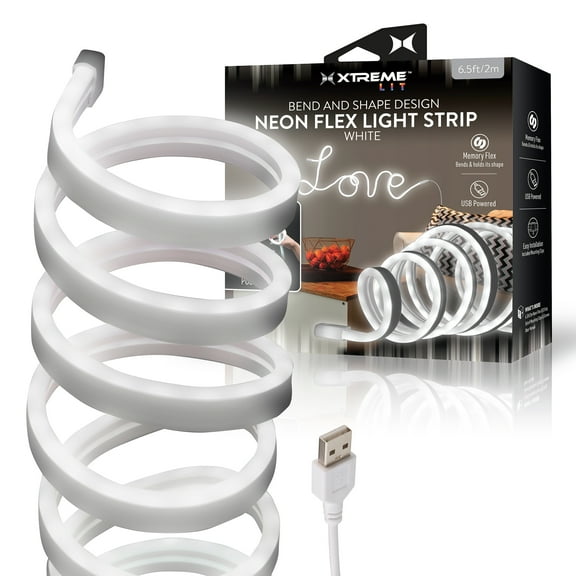
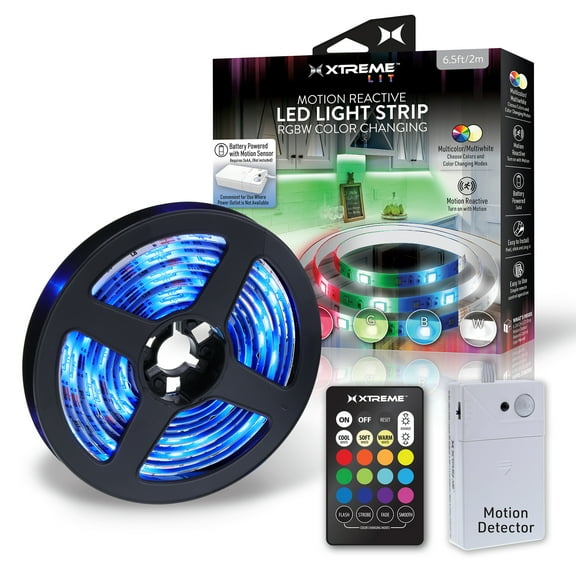
USB powered strips work well around monitors, gaming desks, and some TV setups where a nearby port is available. You should verify that your USB source provides the needed 5V connection.
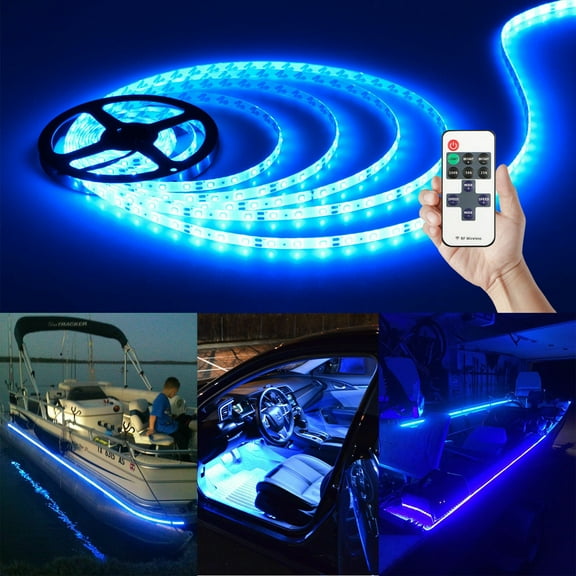
Plug-in strips often suit longer runs and room-edge layouts where you want steady power from a wall outlet. You can compare 12V or 24V setups when you need longer coverage or brighter output.
Battery operated strips help when you want temporary placement in cabinets, small shelves, or décor accents. You should consider how often you want to replace or recharge power sources.
What to look for in installation and cutting
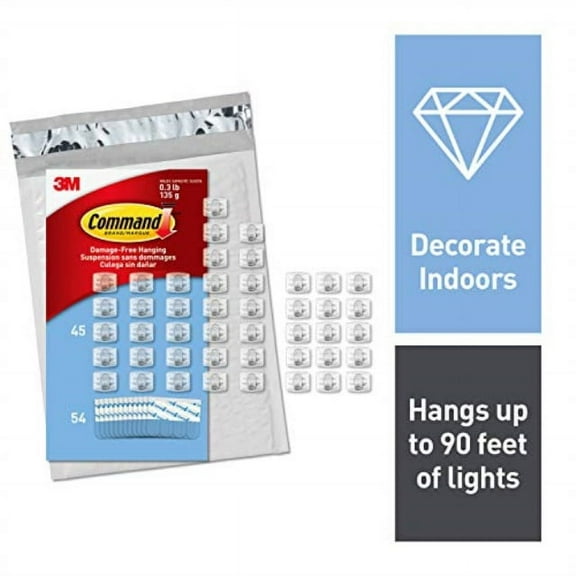
Your install process matters, especially when you want clean lines along walls, cabinets, or furniture edges. You can look for peel-and-stick backing and mounting clips to match your surface.
Before you place strips, you should clean and dry the area so the adhesive sits more evenly. You can also use clips where corners, texture, or heat make extra support helpful.
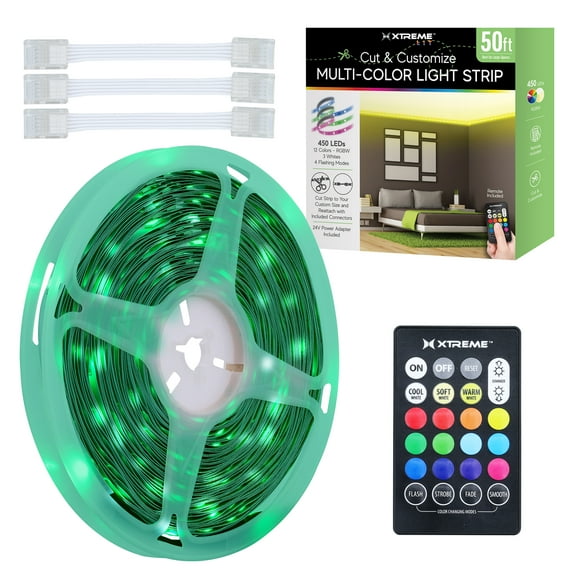
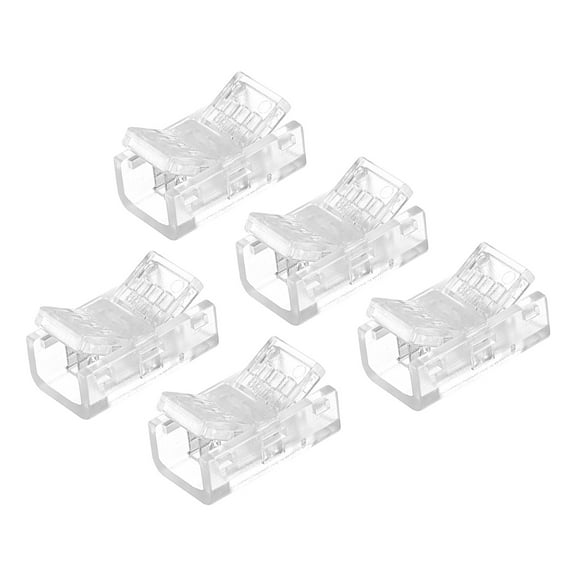
If your layout has turns or shorter sections, you may want strips with clear cut marks. You can cut only at marked points, then use solderless connectors to extend or reconnect segments.
That cutting and linking flexibility helps when you install led light strips for bedroom walls, desks, and bookcases. You can adjust coverage without forcing extra strip length into tight spaces.
Matching water resistance to your space
Your location should guide whether you need indoor or outdoor protection. You can compare non-waterproof indoor strips, IP65 waterproof options, and IP68 submersible designs.
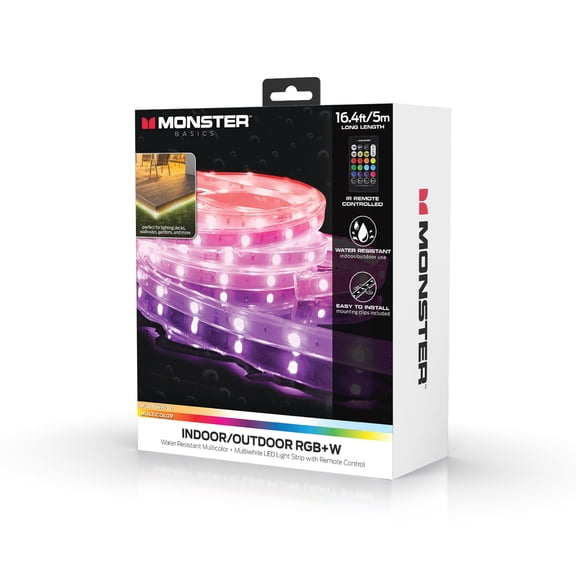
Indoor-only strips suit bedrooms, living rooms, and TV backlights where you want a clean accent look. IP65 options fit covered patios or splash-prone areas where you want extra surface protection.
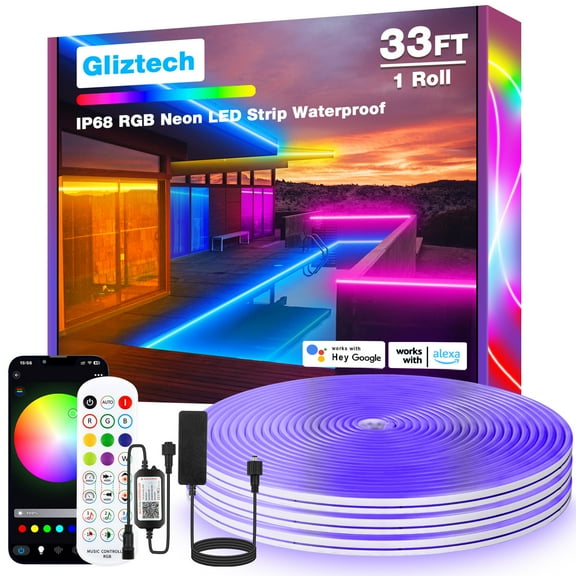
If your project calls for stronger water resistance, you can review IP68 submersible options for specialized decorative setups. You should always match the rating to the placement rather than guessing.
Use cases for bedrooms, TVs, and seasonal décor
Led light strips for bedroom setups can frame a headboard, outline a ceiling edge, or add glow under a bed frame. You can create a softer nighttime look with warm tones or dimmable settings.
For media spaces, you can place strips behind a TV or entertainment console for a defined backlight effect. You can also use USB powered options when your layout stays close to screen ports.
In kitchens, you can use daylight or cool white strips under cabinets to brighten counters and highlight work zones. You should measure each cabinet run so your coverage looks even.
For holidays and parties, you can switch to color changing scenes that fit the season or event. You can use holiday led strip lights around mantels, windows, or covered outdoor railings for added atmosphere.
When you compare footage, power, controls, and water resistance together, you can narrow your options with more confidence. Your finished setup can look cleaner, fit better, and light the exact areas you use most.