


Find auto parts that fit
Let’s search for parts that fit your vehicle.5W-30 Oil in Oil Viscosity






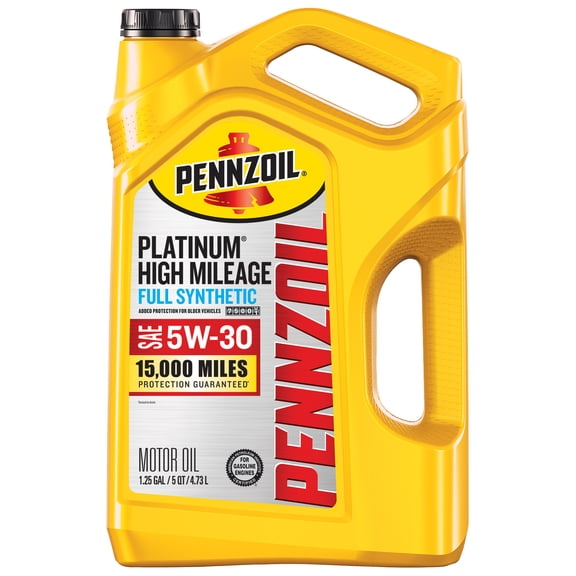
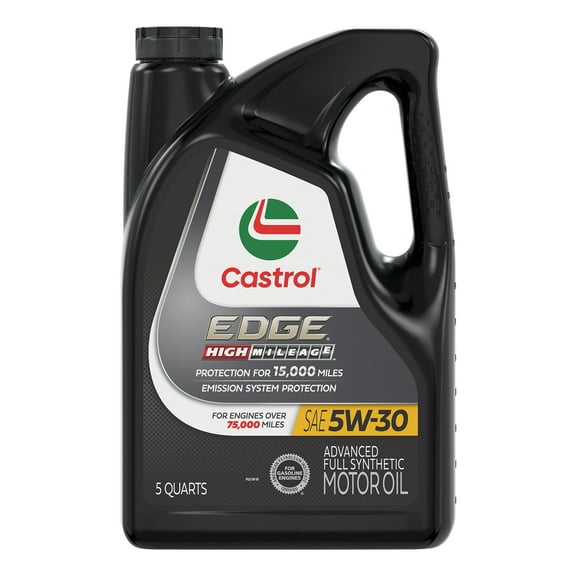










About 5W-30 Oil in Oil Viscosity - Walmart.com
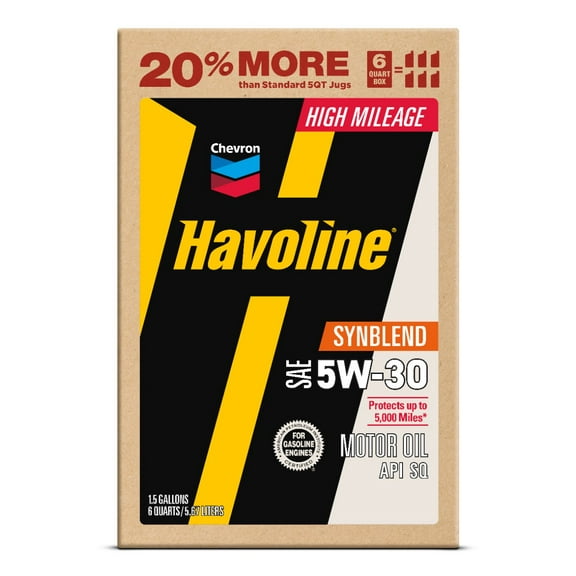
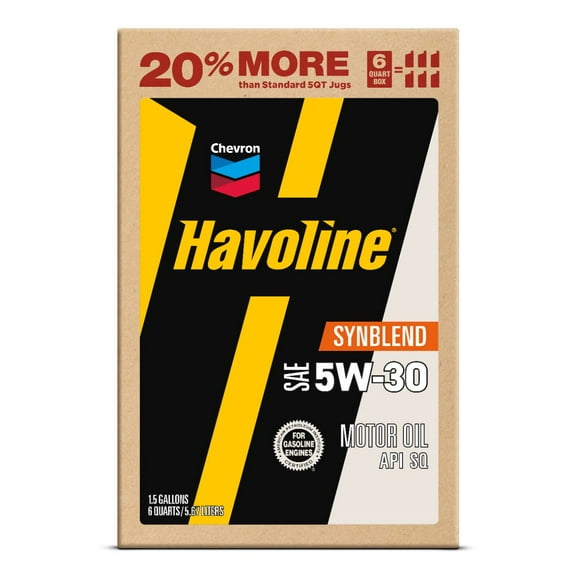
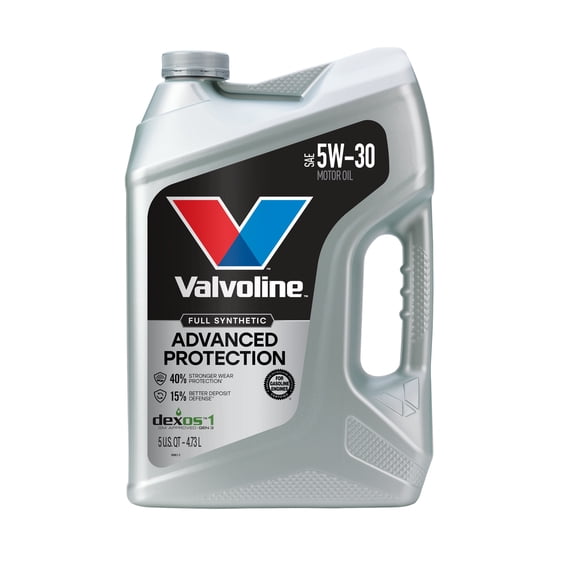
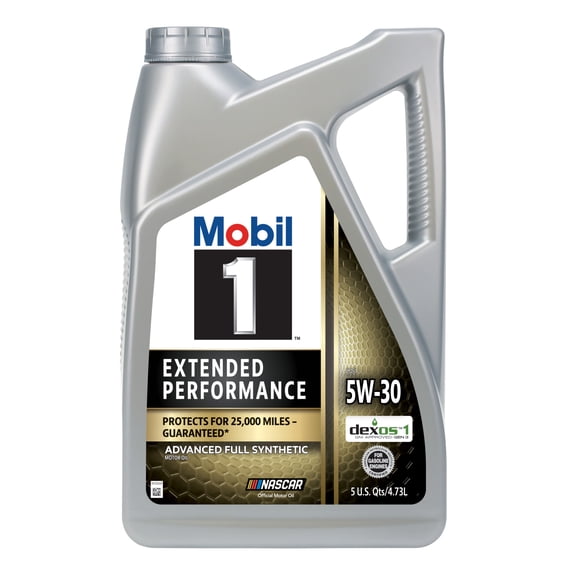
5-30 oil helps your engine handle daily driving, cold starts, and warm highway miles with the viscosity many vehicles require. This category brings together synthetic, synthetic blend, and conventional formulas in the grades drivers check frequently. You can compare trusted brands, quart sizes, and jug options for cars, trucks, and SUVs without guessing on fit.
Why 5w30 oil fits so many vehicles
Many owners manuals call for 5w30 oil because it flows well during startup and stays consistent as engine temperatures rise. That balance matters for stop-and-go commutes, long road trips, and mixed weather driving.
It also gives you flexible buying options across full synthetic, conventional, and blend formulas. That makes it easier to match your driving habits, vehicle age, and maintenance routine.
- Cold-start flow supports smoother lubrication during early engine operation.
- Stable viscosity helps protect moving parts during highway heat and city traffic.
- Multiple formula types let you choose what aligns with your manual and mileage.
- Large jugs and single quarts make top-offs and full oil changes easier to plan.
For many shoppers, the real benefit is clarity at decision time. You can compare SAE 5w-30 engine oil options by formula, brand, and container size in one place.
Choosing 5w30 engine oil by formula and spec
Start with your vehicle manual, because it lists the viscosity and service standard your engine was designed to use. That information guides whether motor oil 5w30 is the right match.
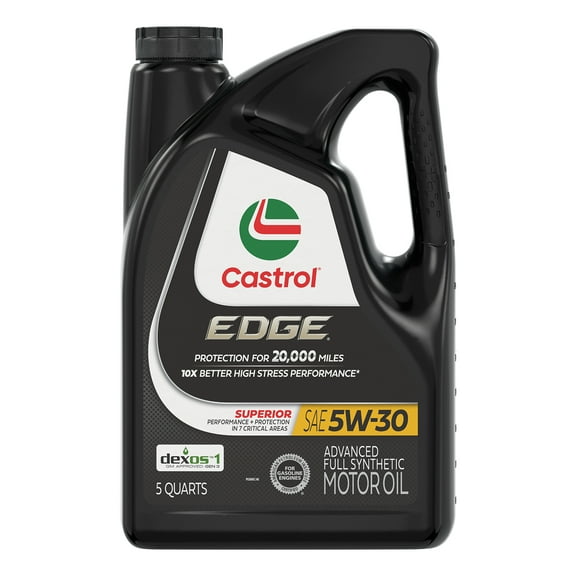
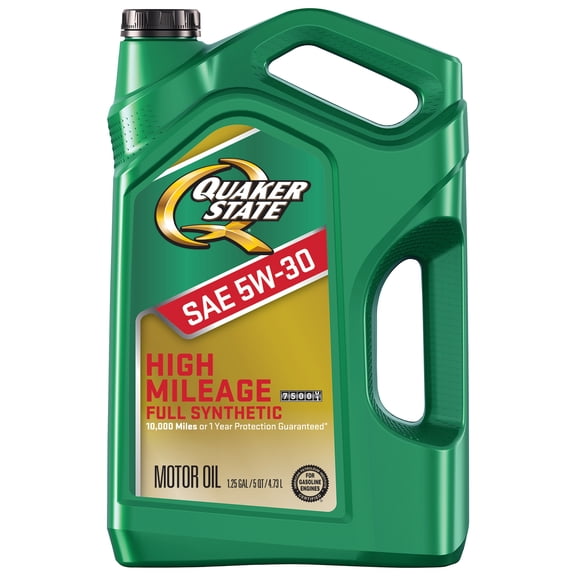
Drivers often choose full synthetic for newer engines and demanding driving patterns. These formulas often include additive packages and steady viscosity across longer drives.
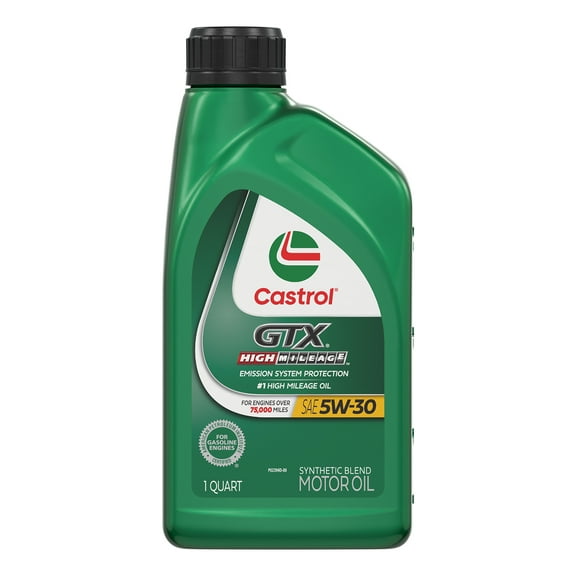
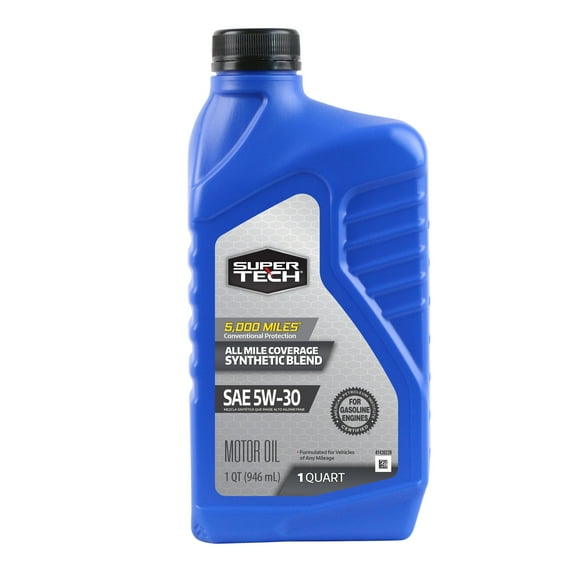
Synthetic blend options combine conventional base oil with synthetic components. They can suit drivers who want a middle-ground formula for commuting, light towing, or older daily drivers.
Conventional formulas remain relevant for many approved applications. They work well when your manual allows them and your maintenance schedule stays consistent.
Check the label for API and OEM specifications before choosing. Container size matters too, since some vehicles need five quarts while others need six or more.
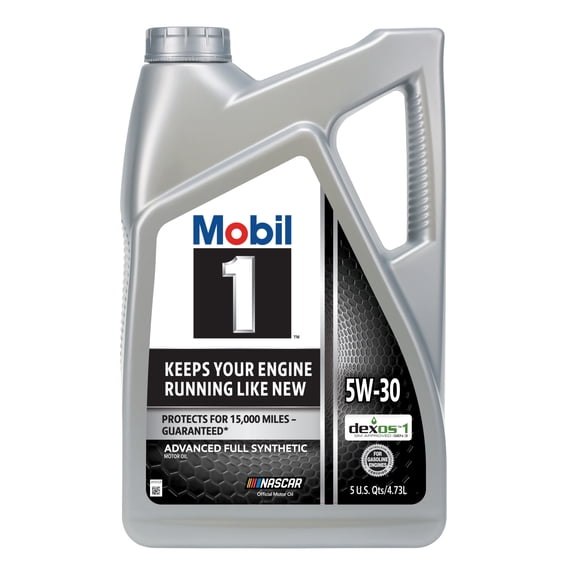
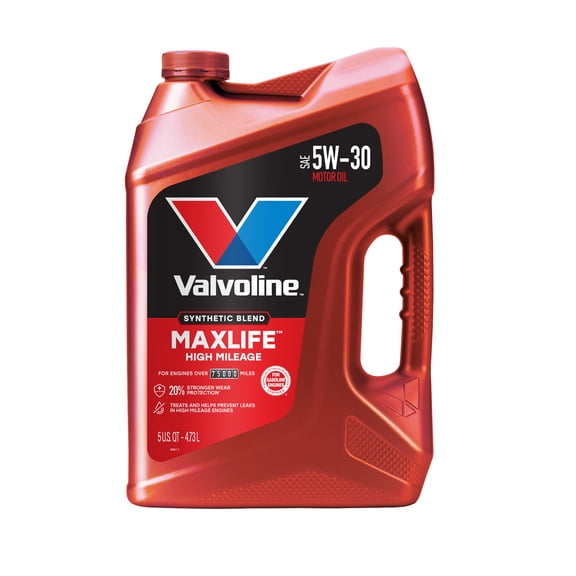
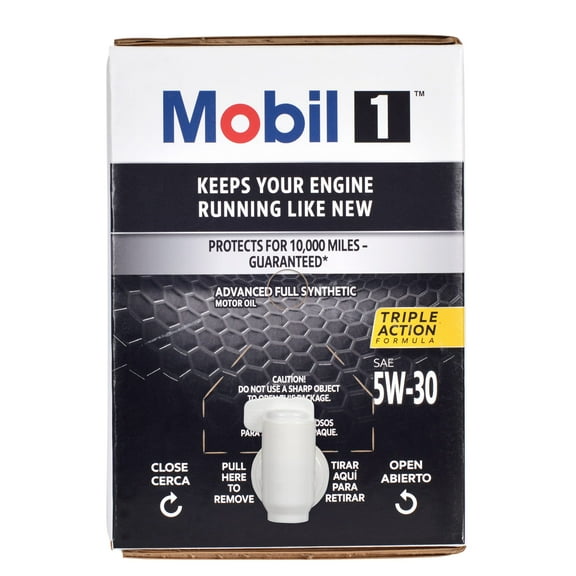
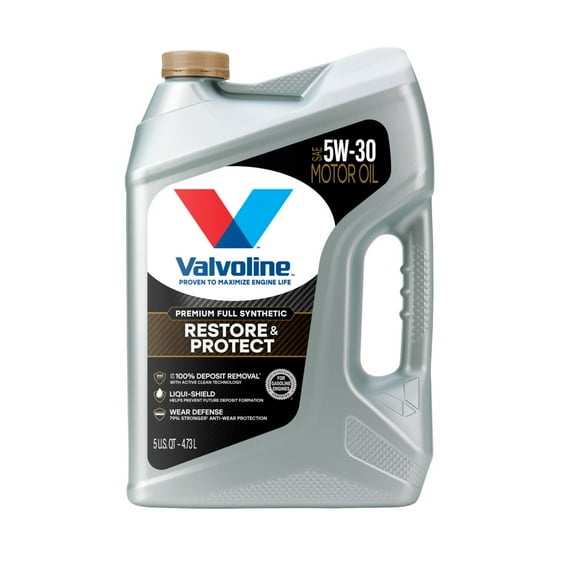
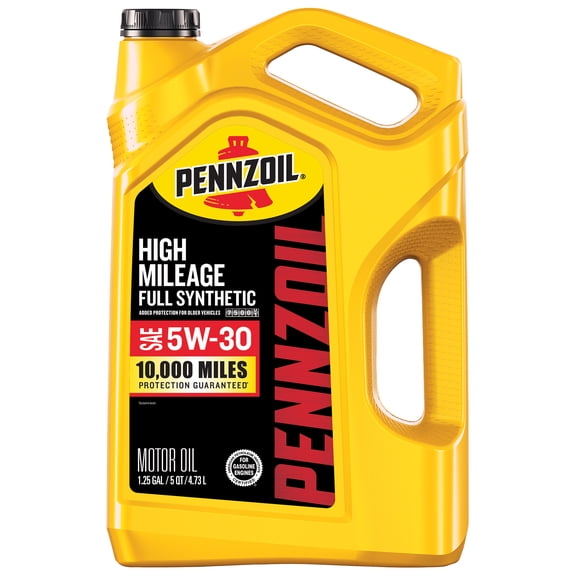
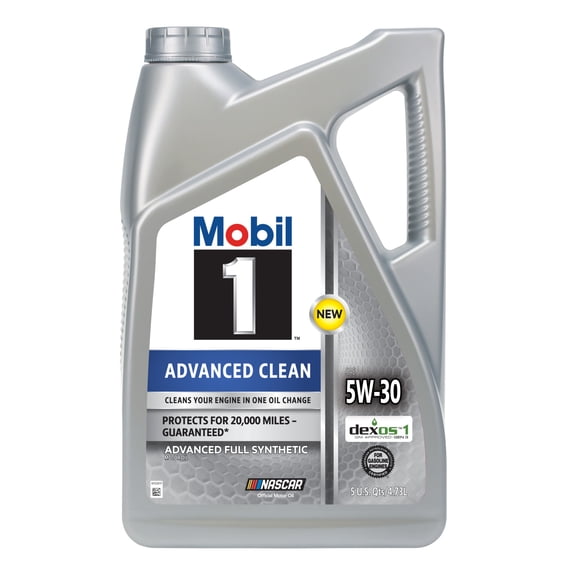
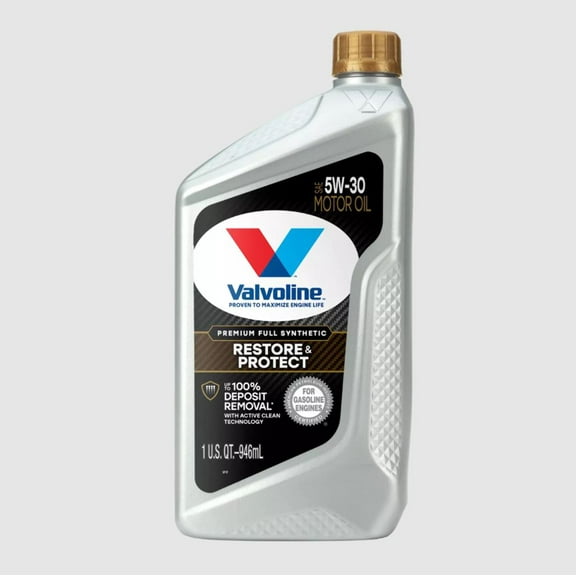
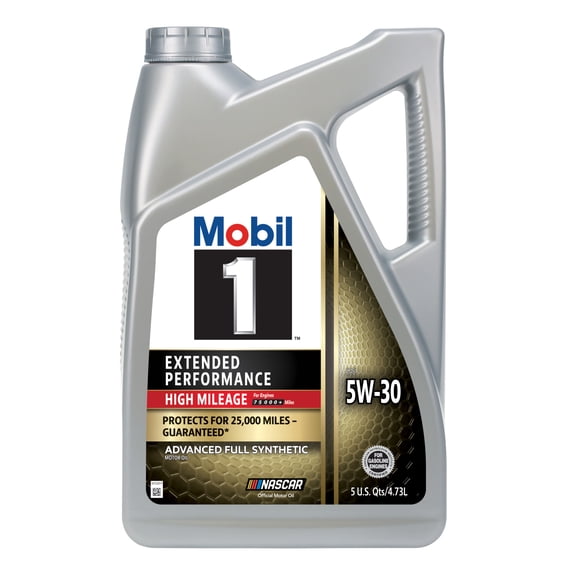
Brand preference can also shape your choice. Many shoppers look for Pennzoil, Mobil 1, or Valvoline when replacing the same formula already used in their engine.
Synthetic vs conventional 5w-30 oil
5w-30 oil comes in formula types that suit different engines and driving patterns. The right pick depends on manufacturer guidance, climate, mileage, and how you use your vehicle.
Drivers often choose full synthetic for turbocharged engines, extended highway driving, and wide temperature swings. Its consistent flow and clean-running formula appeal to drivers who log frequent miles.
Conventional oil is a straightforward option for approved engines with routine use patterns. It can make sense for older vehicles, short local trips, and standard oil change schedules.
Synthetic blends sit between those two choices. They give you a balanced option when you want familiar viscosity with added refinement in the formula.
If you handle your own oil change, pairing 5w 30 engine oil with the right filter streamlines the job. A drain pan, funnel, gloves, and shop towels also help keep the process organized.
Use cases for 5w-30 engine oil
This viscosity appears in a wide range of sedans, crossovers, pickups, and SUVs. That makes 5w-30 oil a common choice for households with multiple vehicles and different driving routines.
Commuters often want dependable flow during morning starts and steady performance in traffic. Drivers covering long interstate routes usually focus on consistency over many miles and changing temperatures.
Pickup owners may check whether their truck manual specifies sae 5w-30 engine oil for everyday hauling or weekend towing. SUV drivers often compare jug sizes that cover a full change plus a small reserve quart.
DIY maintenance shoppers also look for easy bundle planning. Oil filters, ramps, drain pans, and funnels are common add-ons when preparing for a garage oil change.
If you maintain more than one vehicle, larger pack sizes can simplify restocking between scheduled service intervals. That convenience matters when you track mileage and keep supplies ready at home.
Shoppers replacing the same formula often search by brand and viscosity together. Searches for oil 5w30, 5w/30 oil, and 5w-30 engine oil usually reflect that exact-match buying habit.
What to look for before you choose
Always confirm viscosity, required specifications, and fill capacity in your manual before ordering. Those three details are essential alongside packaging style and brand familiarity.
Think about how you drive as well. Frequent short trips, highway mileage, towing, and seasonal temperature changes can all influence which formula type fits your routine.
With the right 5-30 oil on hand, your next oil change feels straightforward, organized, and matched to your vehicleu's exact requirements. That means less guesswork and a smoother maintenance routine.