

3M Adhesives & Glues in Adhesives & Glues by Brand











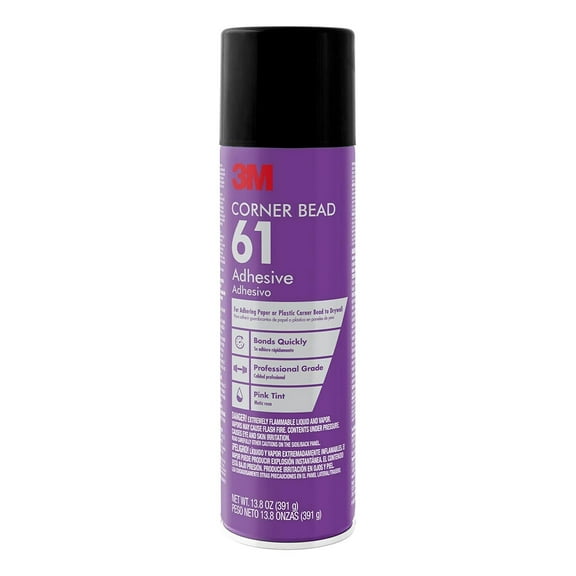


About 3M Adhesives & Glues in Adhesives & Glues by Brand - Walmart.com
With 3m glues and adhesives, you can match your adhesive to the surface, hold strength, and application method your project needs. You can compare contact adhesive, permanent glue, spray adhesive, and epoxy options with clearer decision points.
How to choose 3m glues and adhesives
When you compare adhesive type first, you can narrow your options faster and avoid mismatched formulas. You should check whether your project needs instant tack, precise placement, or a longer working time.
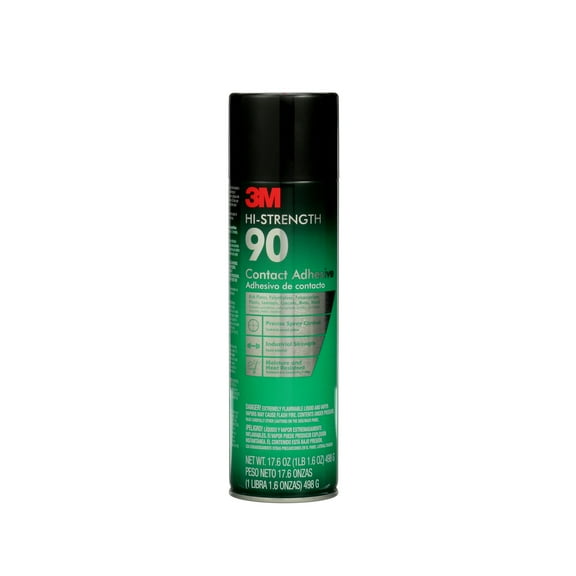
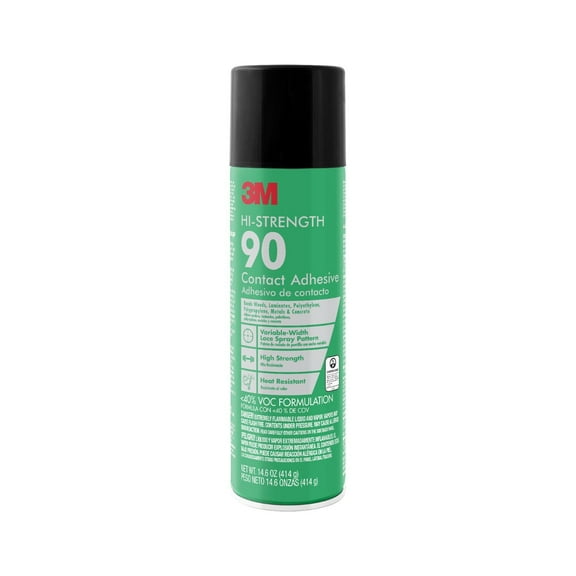
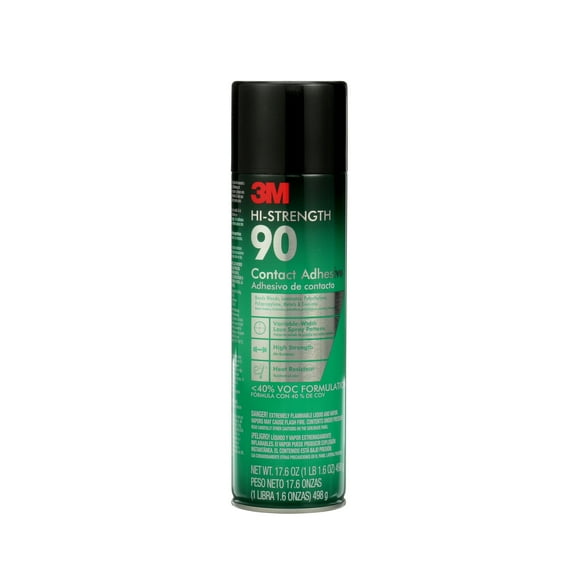
Contact adhesive works well when you need broad coverage on laminate, trim, or panel materials. You usually apply it to both surfaces, then join them once the adhesive feels tacky.
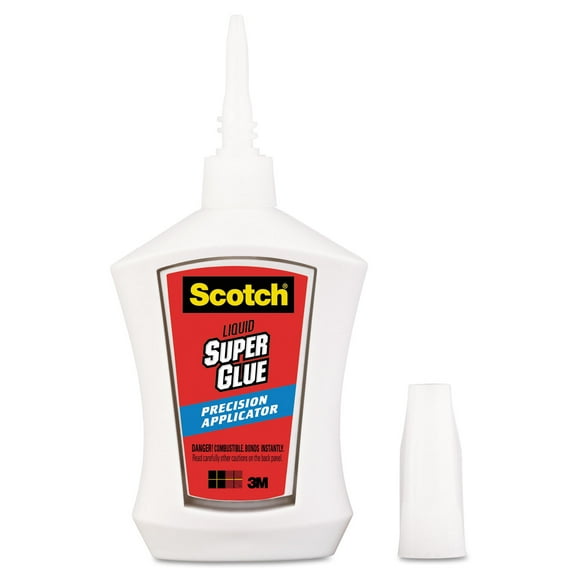
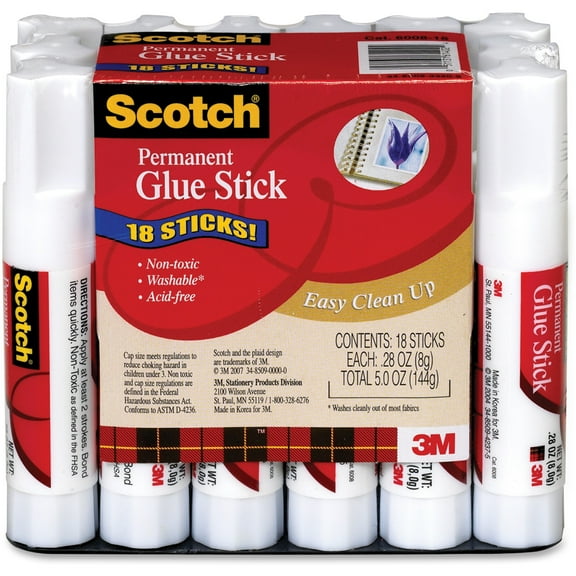
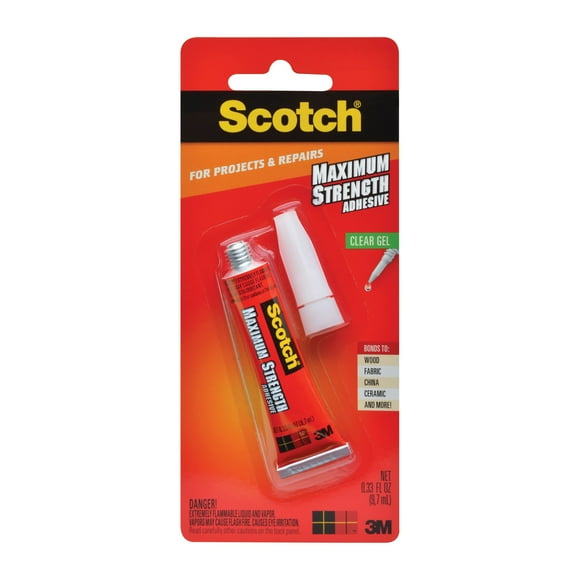
Permanent glue fits projects where you want a lasting hold on wood, metal, plastic, or mixed materials. You should consider it when you don't plan to reposition parts after placement.
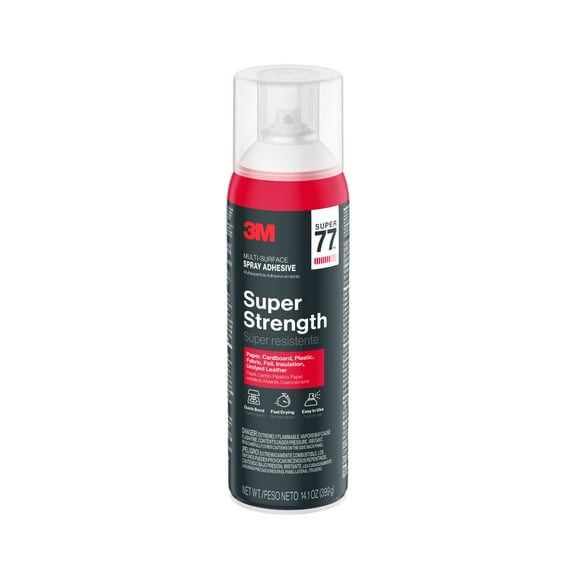
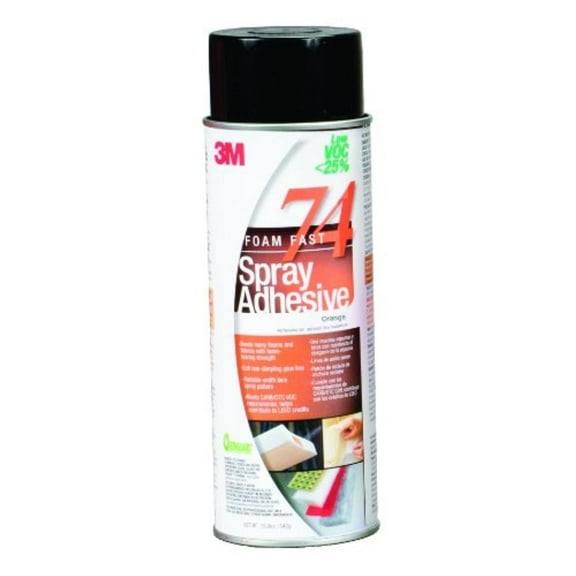
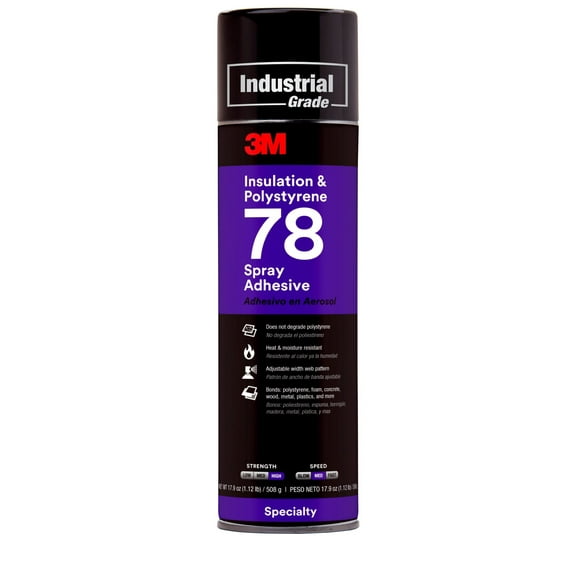
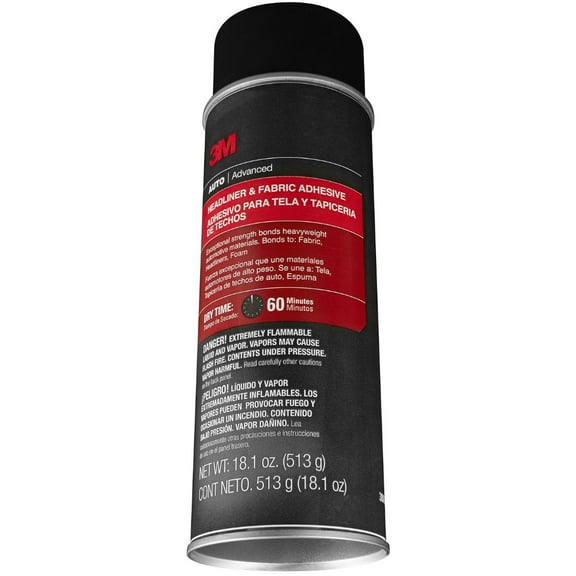
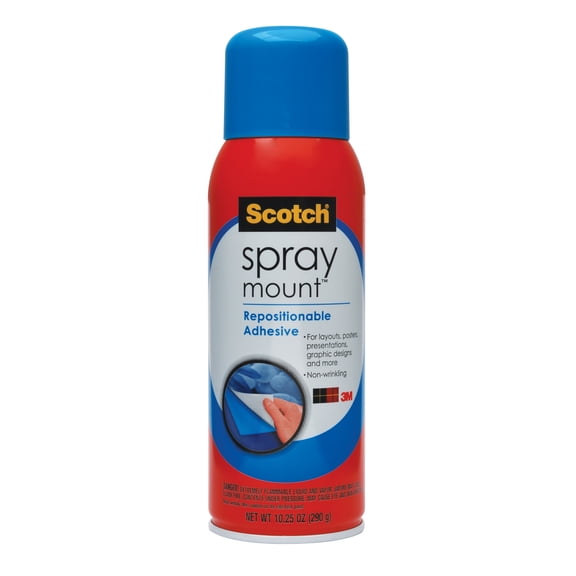
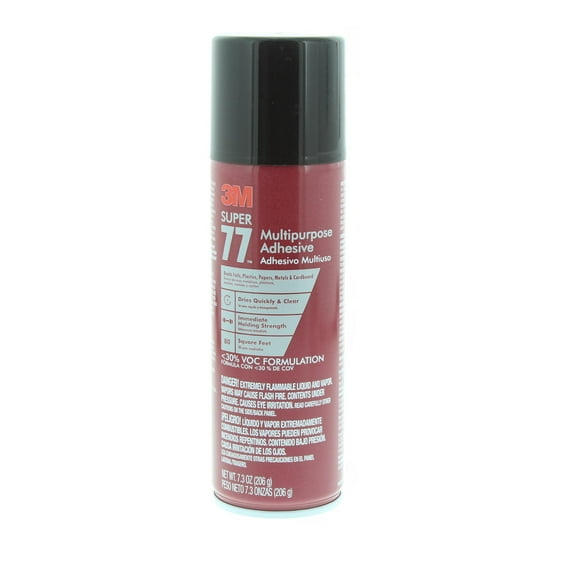
Spray adhesive helps you cover larger areas with an even coat and less mess from drips. You may prefer it when you're attaching lightweight materials, fabrics, foam, or display layers.
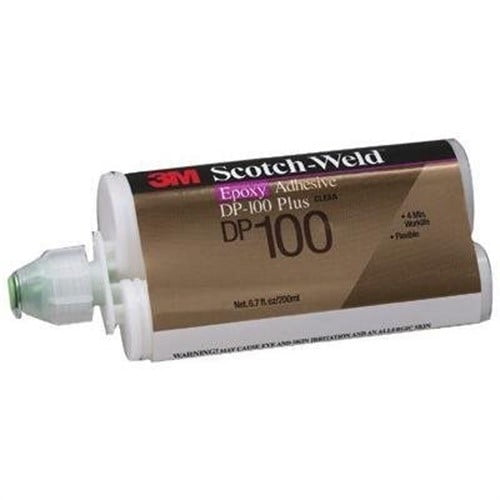
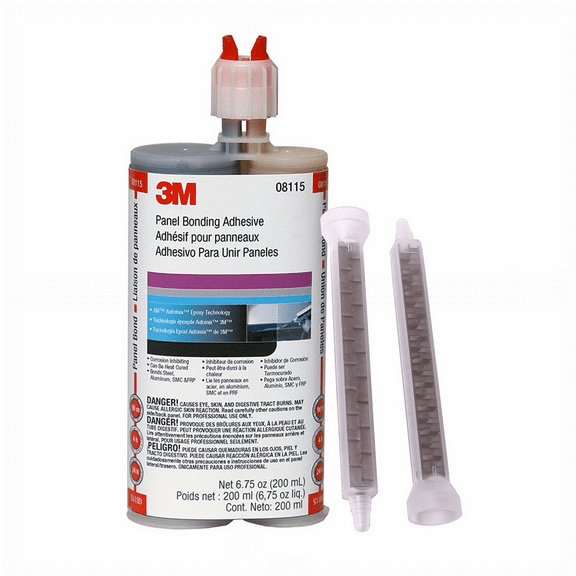
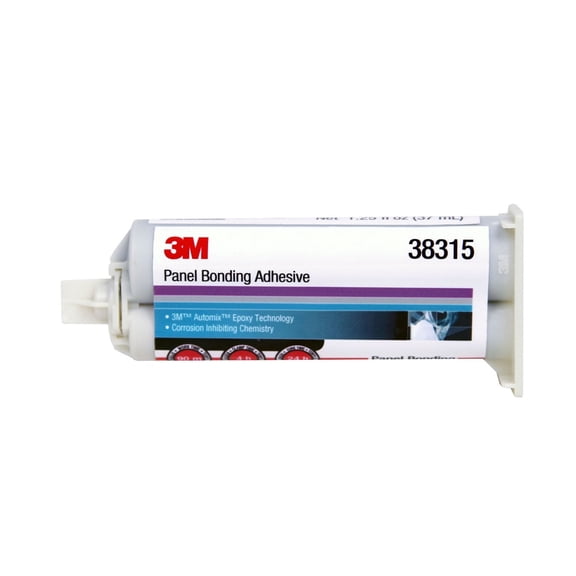
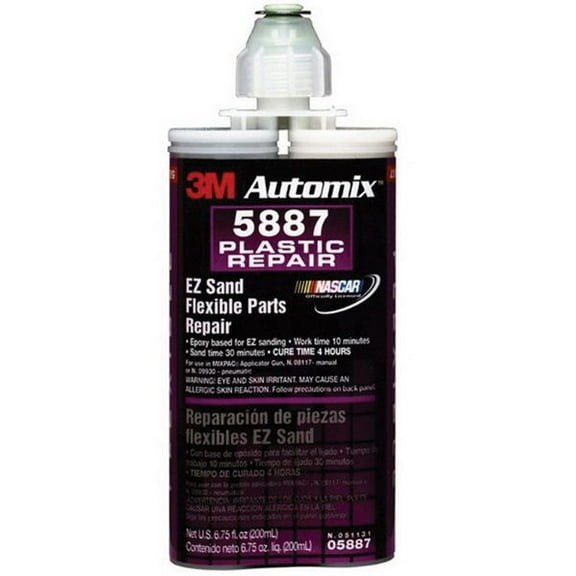
Epoxy makes sense when you need a two-part formula and a rigid bond after full cure. You should compare cure time carefully, because epoxy often sets in stages before it reaches full strength.
Key differences in 3 m glue and bond strength
Bond strength affects how your project handles movement, weight, and long-term placement. You should decide early between permanent, repositionable, and removable adhesive behavior.
A permanent 3m adhesive suits jobs where you want the bond to stay put after alignment. You should use that option when repeated lifting or shifting would affect your finished result.
Repositionable formulas give you more flexibility during placement on crafts, signs, or temporary layouts. You can lift and adjust pieces before the adhesive settles into its intended hold.
Removable options help when you want cleaner changes on displays, labels, or light-duty mounting tasks. You should check the package details, because removal performance can vary by surface type.
- You can choose permanent hold for lasting assembly and repair tasks.
- You can choose repositionable formulas when alignment matters during setup.
- You can choose removable adhesive for temporary mounting and display work.
- You can compare tack time and cure time before you commit to a formula.
Choosing surface compatibility in 3m glue products
Surface compatibility is one of your critical decisions because porous and non-porous materials behave differently. You should compare the label details for wood, metal, plastic, drywall, and multi-surface use.
Porous materials like unfinished wood or drywall can absorb adhesive and change how quickly it grabs. You may need a formula that builds bond strength without soaking in too fast.
Non-porous surfaces like metal, sealed plastic, or finished laminate need close attention to tack and cure behavior. You should look for a 3m multi surface contact adhesive when you need broad material compatibility.
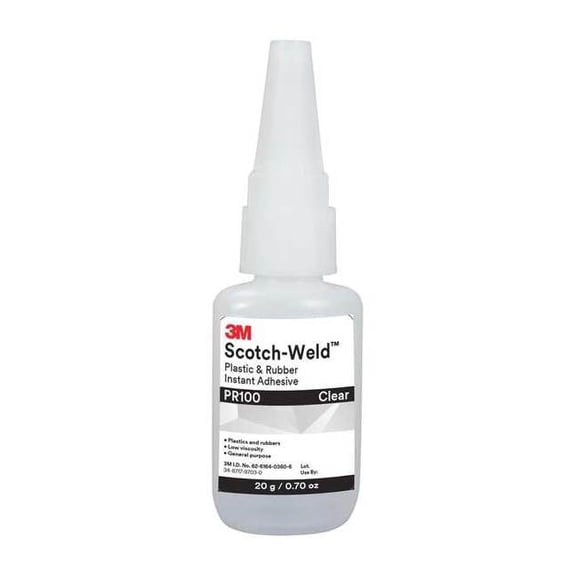
Plastic can be a highly challenging surface because not every formula bonds every plastic type the same way. You should check whether your plastic is rigid, flexible, smooth, or textured before choosing a glue 3m option.
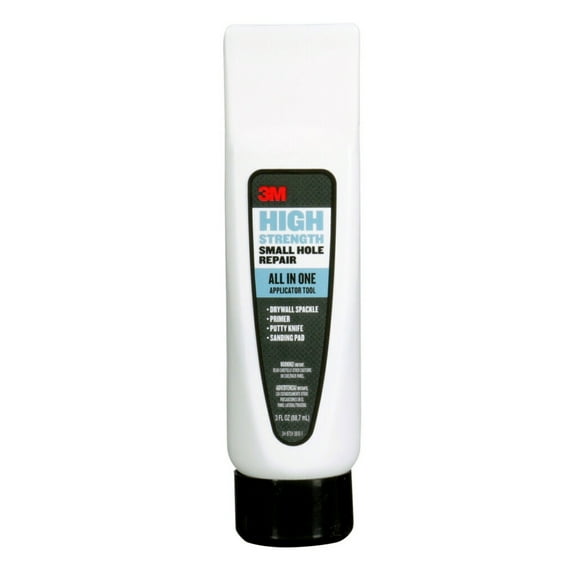
Drywall projects often call for products designed for trim, corner bead adhesive tasks, or interior finishing work. You can compare formulas that spread smoothly and hold evenly along long seams.
What to look for in application method
Application method changes how much control, speed, and coverage you get during setup. You should match the dispenser style to the size and detail level of your project.
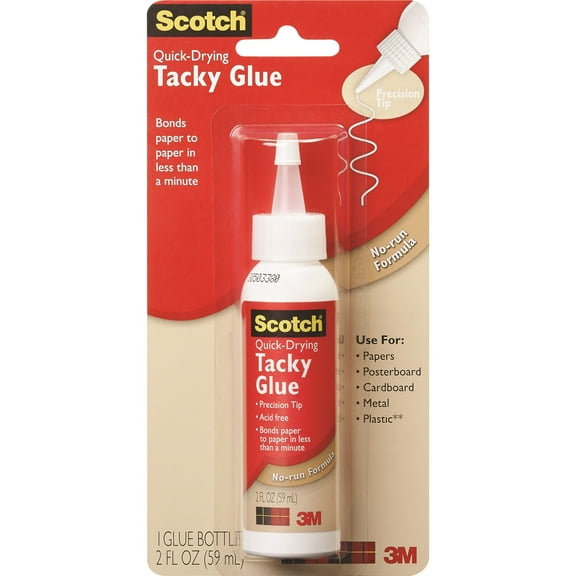
A precision tip helps you place small beads on narrow joints, edges, or repair points. You can use it when overflow would affect cleanup or final appearance.
Spray application covers broad surfaces quickly and helps you coat lightweight materials more evenly. You should measure your work area first, because wider spray patterns suit larger pieces.
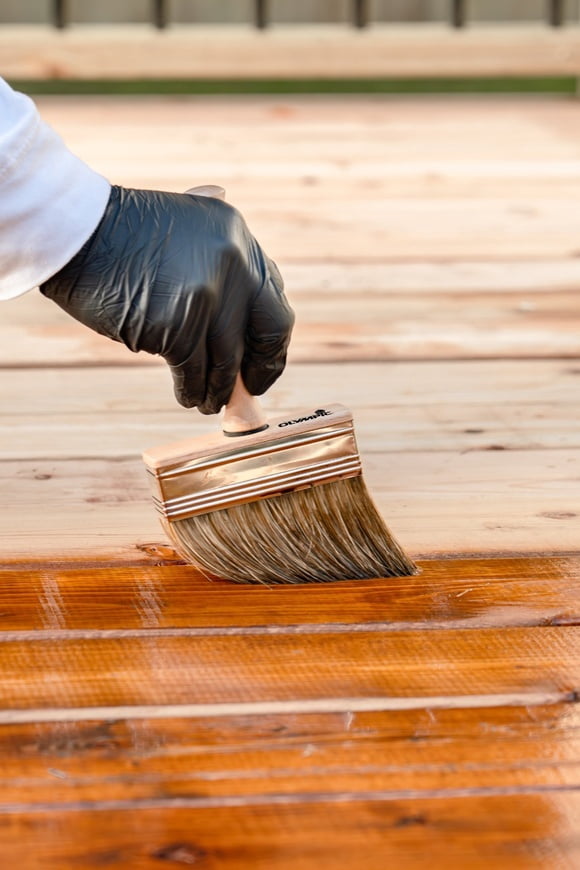
Brush-on formulas give you control across flat sections, corners, and layered surfaces. You may prefer them when you need to spread adhesive deliberately before joining parts.
Tape-style adhesives can simplify mounting, edging, or fast placement without liquid squeeze-out. You should compare tape width, intended surface type, and whether you need removable or lasting hold.
How tack time, cure time, and conditions affect your project
Tack time tells you how fast the adhesive grabs, while cure time tells you when it fully sets. You should compare both times so your assembly process matches your schedule.
If you need quick placement, you may want a formula that becomes tacky fast after application. If you need more adjustment time, you should look for a slower-setting option.
Indoor and outdoor use also matter because temperature swings and moisture can affect performance. You should check whether your 3 m adhesive is intended for sheltered interiors or exposed conditions.
For household repairs, crafts, trim work, or panel attachment, you can match the formula to your material and working pace. You get a cleaner result when your adhesive type, bond strength, and surface match from the start.
When you compare 3m glue adhesive options by surface, permanence, and application style, you can narrow choices with more confidence. You end up with a formula that fits your project steps and helps your bond stay consistent.