

3D Wall Panels & 3D Wall Wallpaper | Walmart
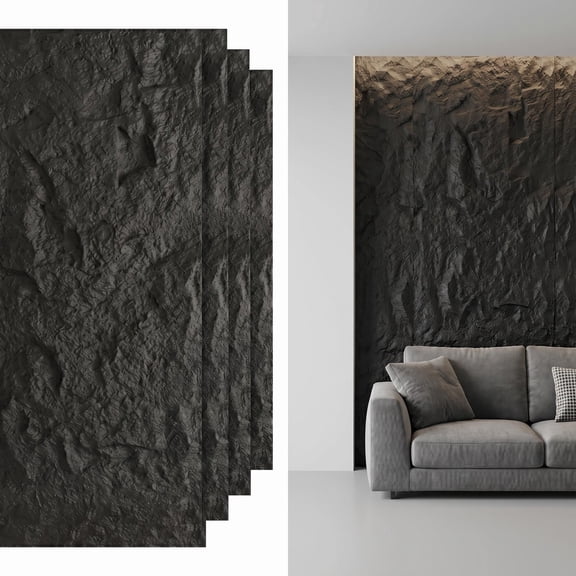

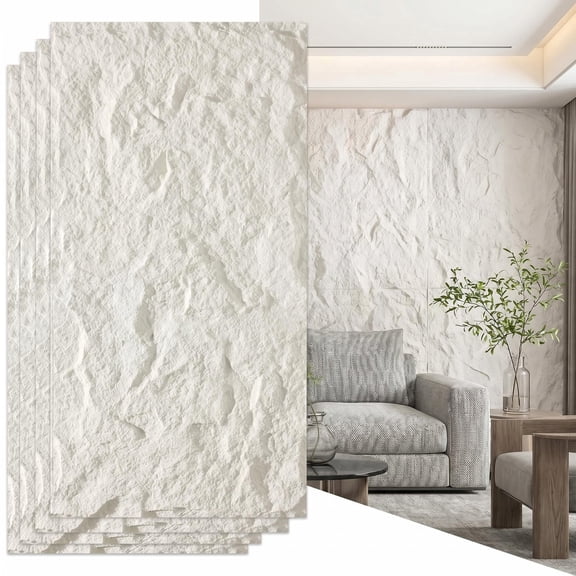


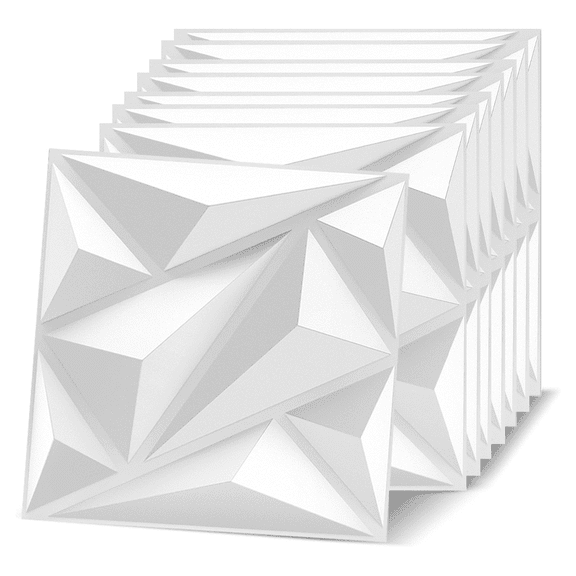


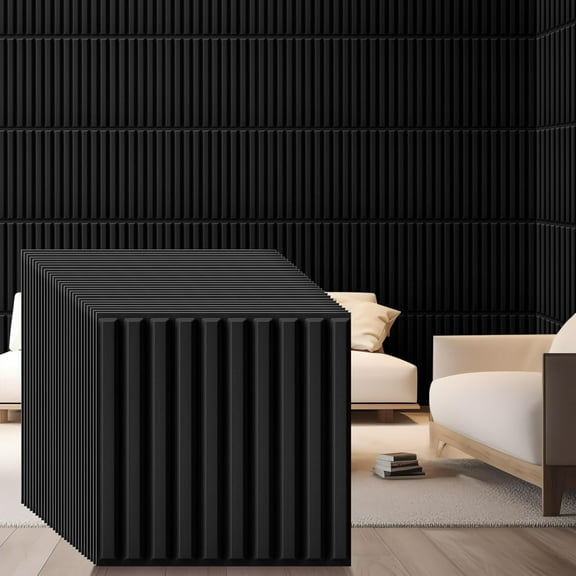


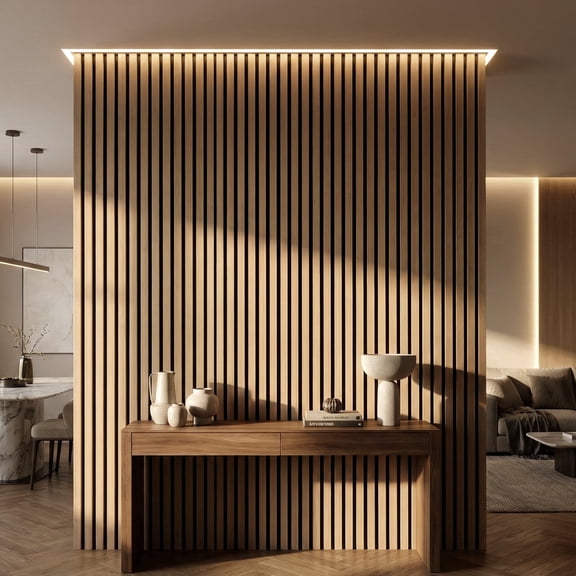


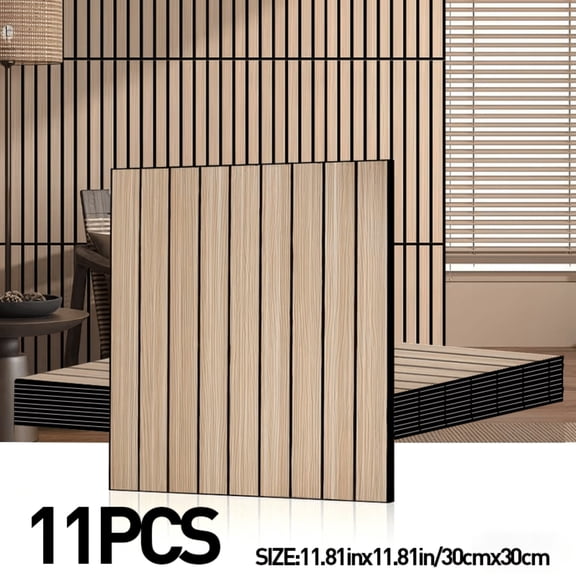


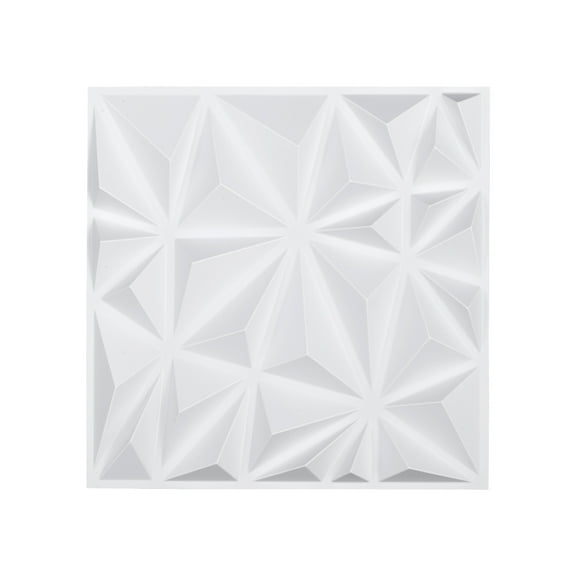


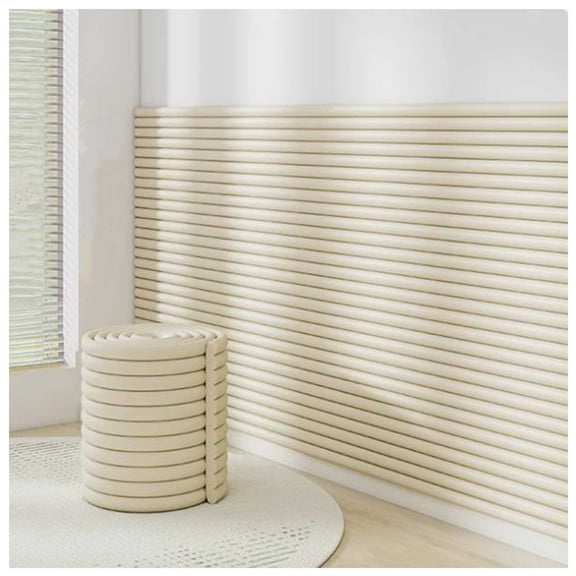
















About 3D Wall Panels & 3D Wall Wallpaper | Walmart - Walmart.com
3d wall panels help you turn flat surfaces into textured focal points with less mess than tile or stone. You can compare materials, installation styles, and patterns to match your room, wall surface, and project pace.
If you're updating a living room, bathroom, ceiling, or media wall, you need options that fit your layout. You can use this guide to compare peel and stick panels, glue-on styles, and interlocking designs with confidence.
How to choose 3d wall panels for your space
You should start with the room, because moisture levels and daily wear affect which panel type makes sense. You can often use foam in dry accent areas, while pvc wall panels suit splash-prone spaces.
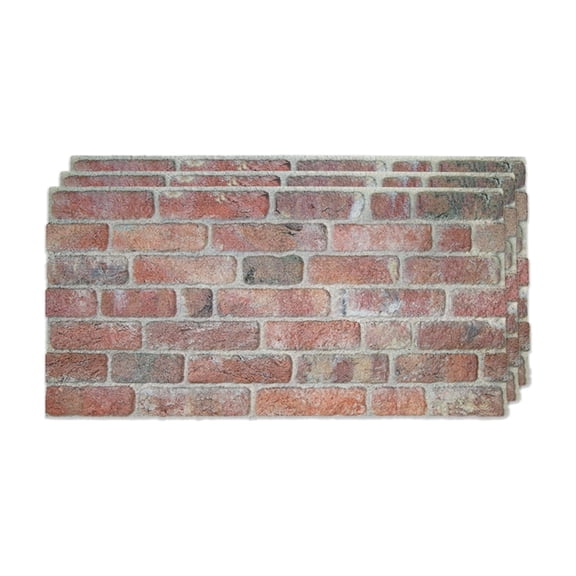
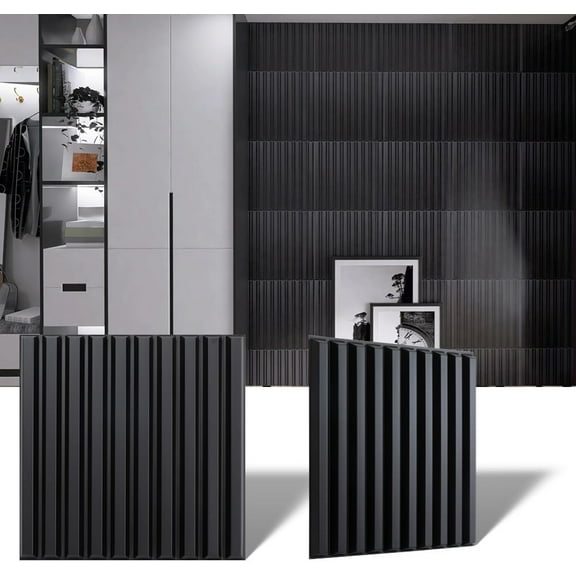
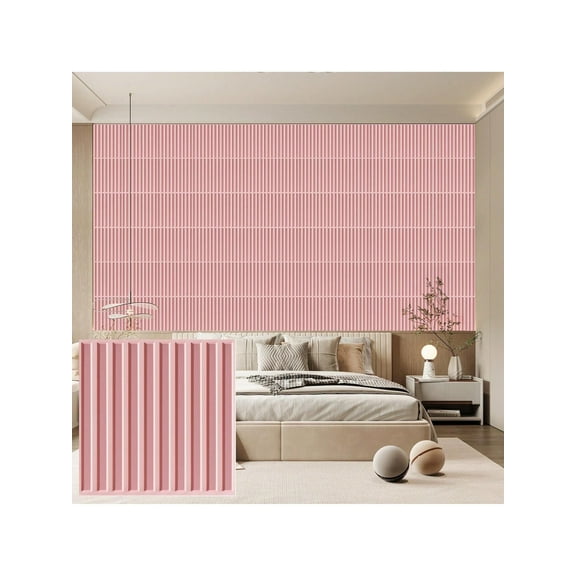
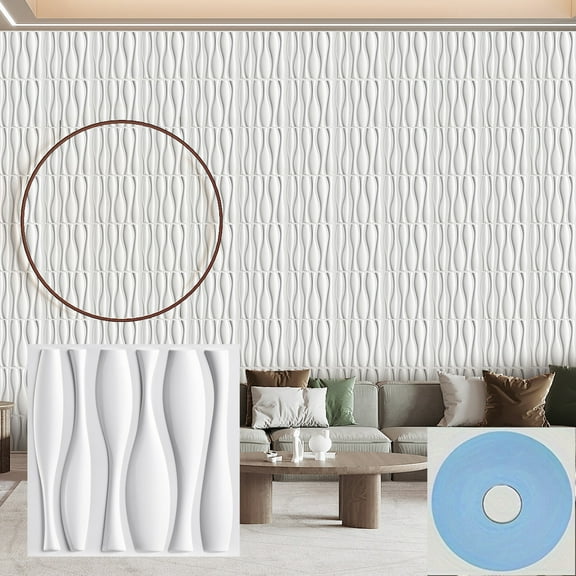
When you compare depth and pattern, you should picture the finished wall from across the room. You may prefer wave or geometric styles for modern rooms, while brick textures create a loft-inspired backdrop.
- You can add visible texture without the weight of masonry or tile.
- You can refresh accent walls, TV walls, ceilings, and entryways with a more dimensional look.
- You can choose materials that match dry rooms, humid rooms, or decorative feature areas.
- You can find diy 3d wall panels that support streamlined installation planning.
You also need to think about light, because raised surfaces catch shadows throughout the day. You may notice that deep textures create strong contrast, while lower profiles look clean in tight spaces.
Choosing between peel and stick 3d wall panels and other installation types
You should match installation type to your timeline, wall condition, and comfort level with prep work. Peel and stick 3d wall panels work well when you want a simple setup on smooth, clean surfaces.
If your wall has minor texture or you want a firm hold, you may compare glue-on panels. You can also consider interlocking edges when you want seams to line up with a more finished pattern.
Before you install, you should check whether your wall is dry, smooth, and free of dust. You can get a clean result when your adhesive bonds to a flat surface.
You should also measure square footage before you choose pack counts or pattern direction. You can multiply wall width by height, then compare that number with each pack’s coverage.
If you're covering a TV wall or headboard backdrop, you may want extra panels for cuts around outlets. You should plan for edges, corners, and pattern matching before you start trimming.
Choosing materials, texture depth, and paintability for 3d wall panels
You can narrow your choices quickly when you compare PVC, foam, wood, and plant fiber panels side by side. PVC wall panels usually fit moisture-prone spaces, while foam options often feel light for decorative installs.
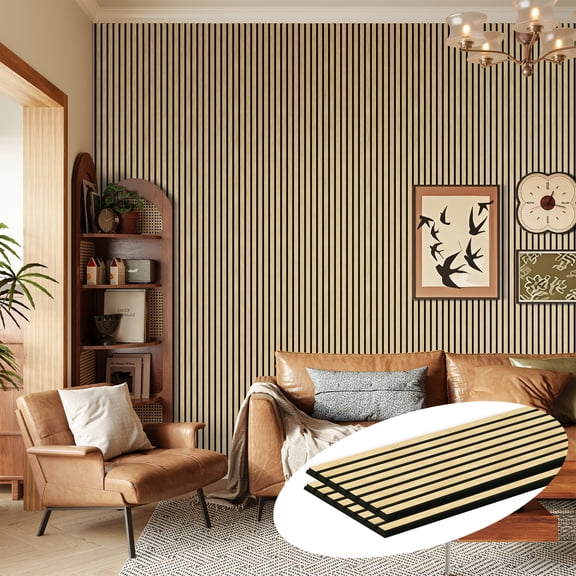
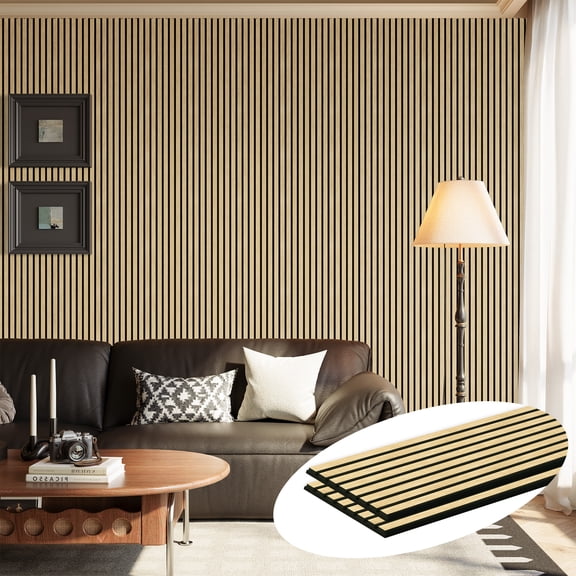
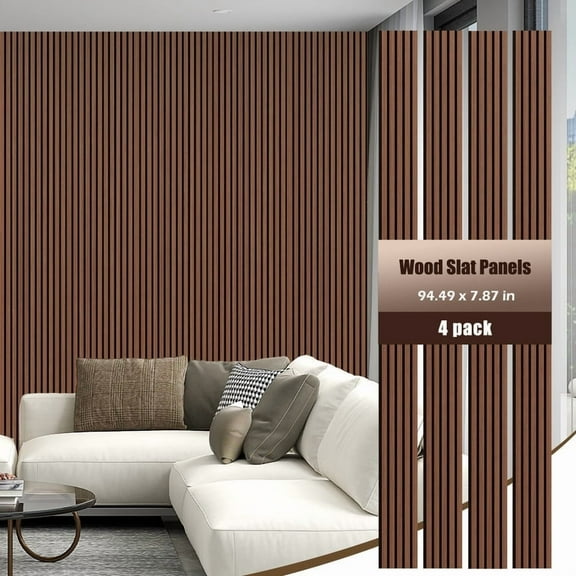
If you want a more natural look, you may consider wood or plant fiber surfaces. You should check product details for finish and care needs before you place them in busy rooms.
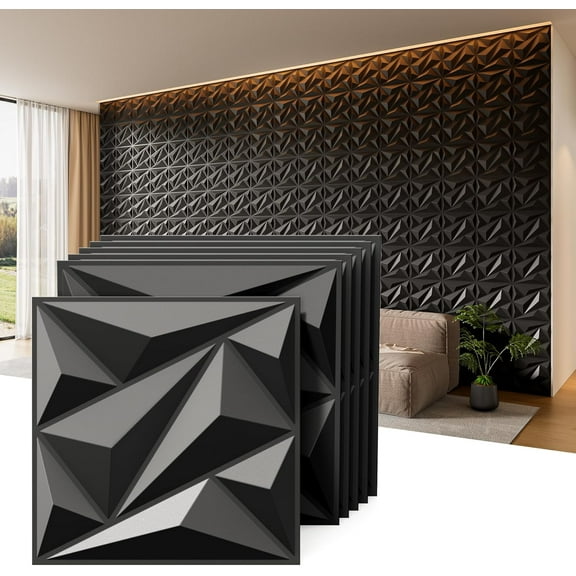
Texture depth matters when you want a subtle backdrop or a bold statement wall. You can often find wave and diamond patterns create movement, while 3d brick wall panels add a familiar architectural look.
You may also care about paintability if you want to match trim, cabinetry, or existing decor. You should check whether the panel surface accepts paint, because finishes vary by material.
When you compare decorative wall panels, you should think about how seams and shadows will appear under lamps or daylight. You can use that detail to choose a pattern that feels balanced in your room.
Matching 3d textured wall panels to real rooms
You can use 3d textured wall panels in living rooms when you want a backdrop behind a sofa, fireplace, or media console. You may prefer geometric panels there because the lines look clean around screens and shelving.
For bathrooms, you should focus on moisture-friendly materials and easy-to-clean surfaces. You can look at PVC options when you want texture in a powder room or vanity area.
If you're styling a ceiling, you should check panel weight, edge design, and the direction of the pattern. You can choose a design that looks consistent from every angle in the room.
You can also use brick, wave, or diamond textures to frame a dining nook or entry wall. If you want a modern accent wall, you may choose repeating shapes that keep the layout orderly.
When you're planning a rental-friendly update or a weekend project, you may start with smaller walls first. You can test placement, cutting, and alignment on a compact section before a full feature wall.
If you want a custom look, you should compare textures with paintable surfaces and trim pieces. You can coordinate your wall finish with nearby wallpaper, wall decals, or paint for a more unified design.
What to check before you finish your 3d wall panels project
You should confirm wall measurements, panel direction, and cut points before you remove any backing or apply adhesive. You can avoid uneven seams when you dry-fit a few pieces first.
With the right material, installation type, and texture, your 3d wall panels can give your room clear dimension and a polished focal point. You can end with a surface that looks intentional, layered, and ready for everyday living.