


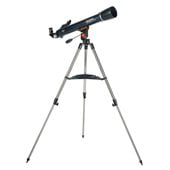
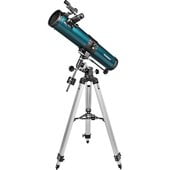
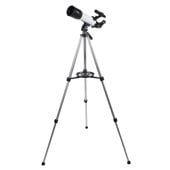
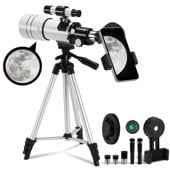
Telescope Accessories & Lenses Near Me | Walmart





















About Telescope Accessories & Lenses Near Me | Walmart - Walmart.com
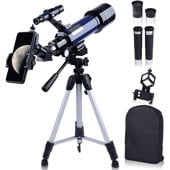
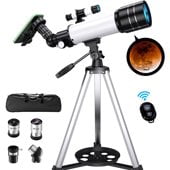
Telescope accessories help you get more from every observing session. You can fine-tune magnification, improve comfort, and match your setup to planets, the moon, or deep-sky views.
If you're upgrading a starter scope or refining an established setup, you need category guidance that matches real astronomy decisions. You can compare eyepieces, filters, Barlow lenses, mounts, and adapters with clearer direction.
How to choose telescope accessories
You should start with accessory type, because each option changes how you observe. Your eyepieces affect magnification, your filters shape contrast, and your adapters connect parts correctly.
When you compare telescope accessories, you should also check barrel diameter and telescope compatibility. Your setup may use 1.25 inch, 2 inch, or 0.965 inch parts.
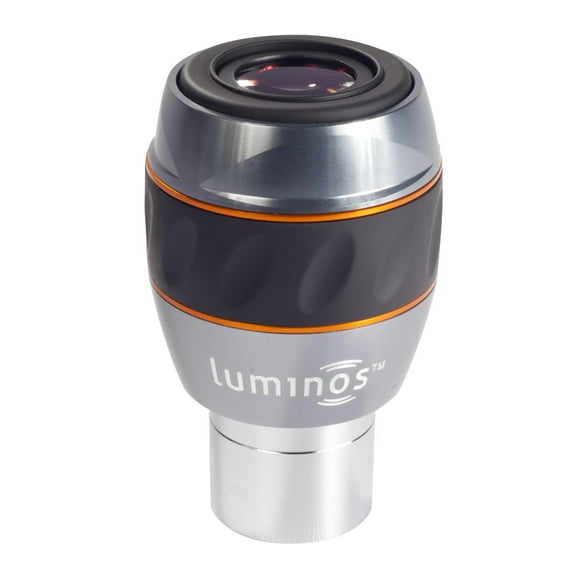
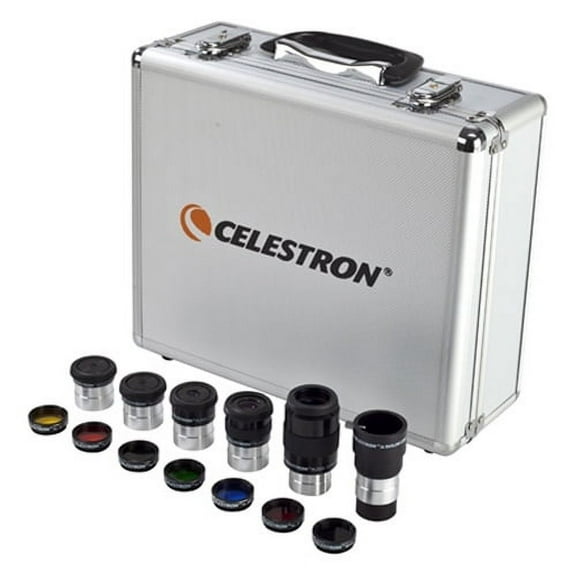
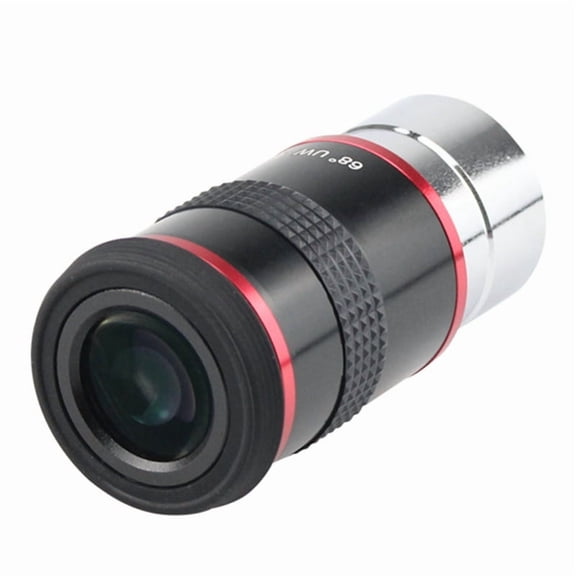
- You can use telescope eyepieces to adjust your field of view and viewing comfort.
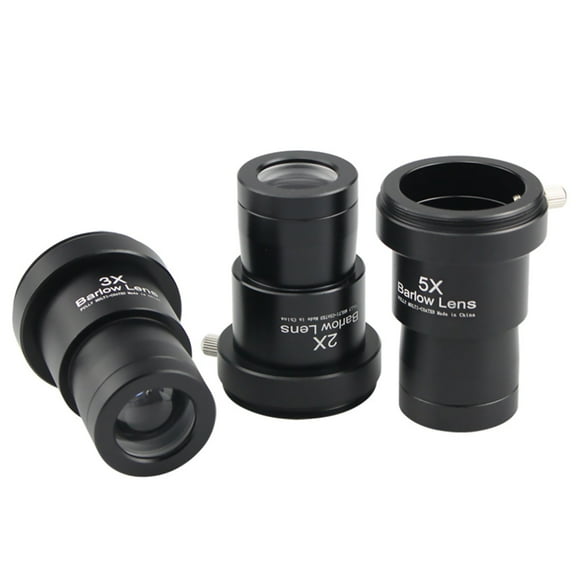
- You can add a barlow lens when you want more magnification from an existing eyepiece.
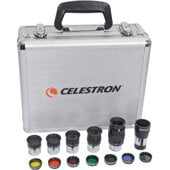
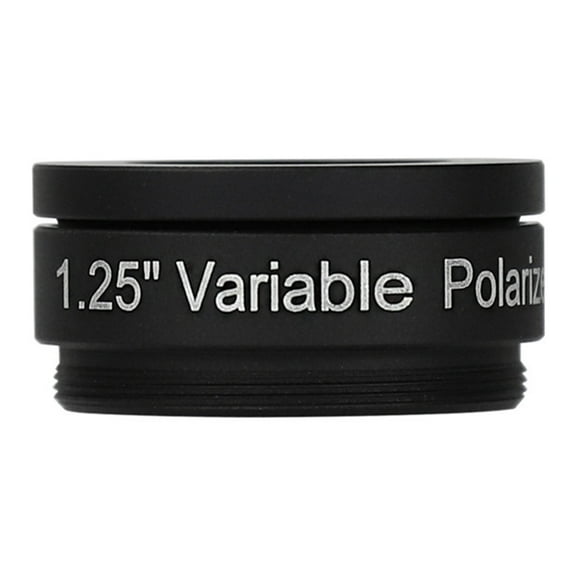
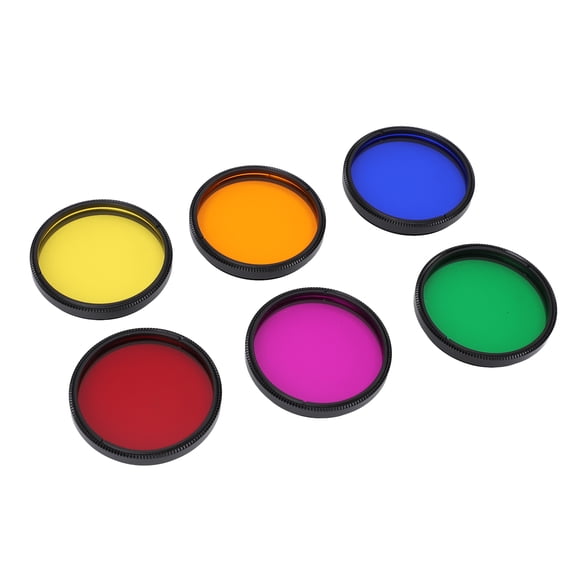
- You can use telescope filters when you want different views for lunar, planetary, or deep-sky observing.
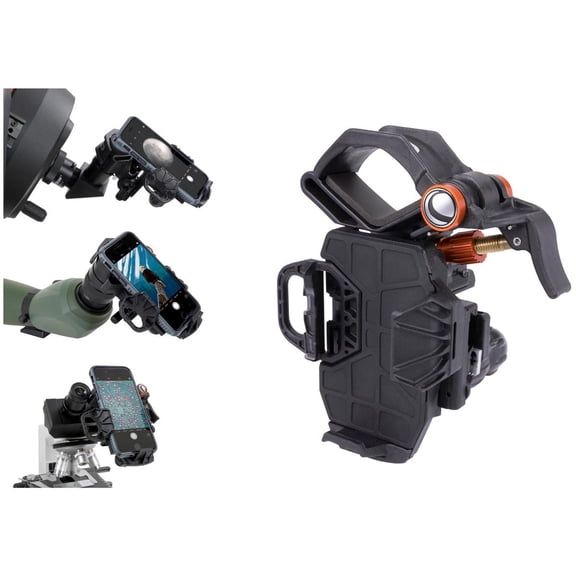
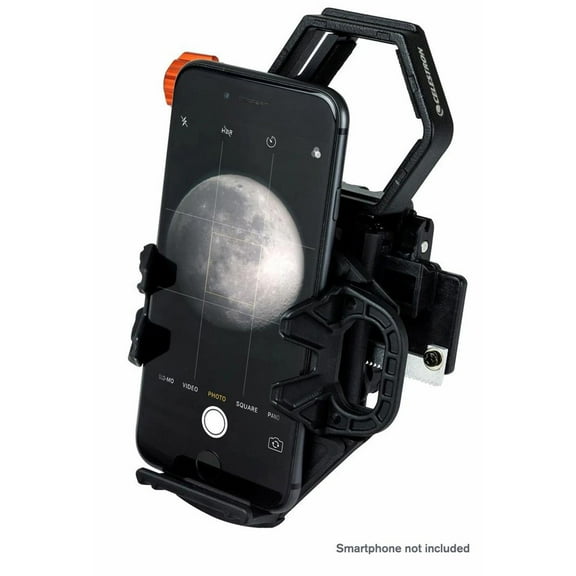
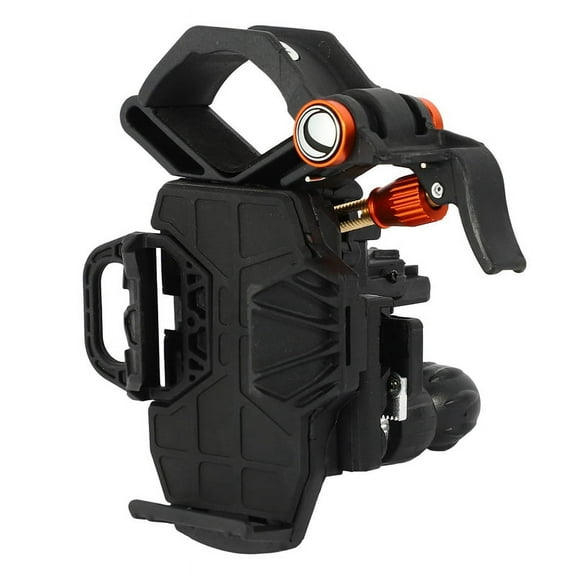
- You can choose a telescope mount or adapter when your setup needs steadier tracking or a secure connection.
You should think about your observing targets before you choose accessories. Your moon sessions, planet viewing, and wide-field sky scans often call for different combinations.
Choosing telescope eyepieces and barrel diameter
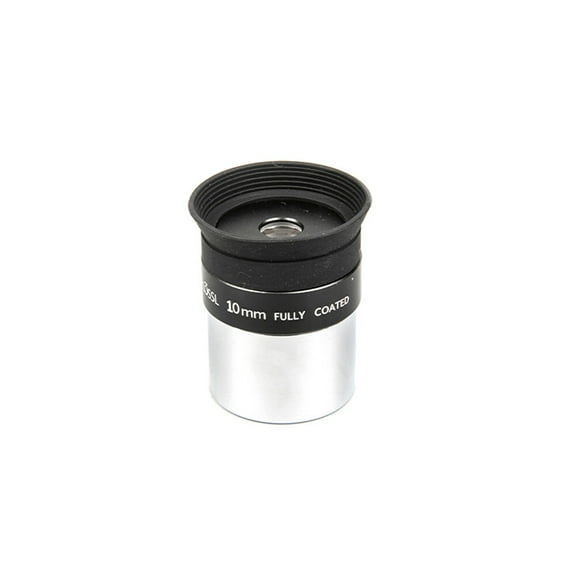
You should check barrel size first, because fit determines whether an eyepiece works with your telescope. Your common options include 1.25 inch, 2 inch, and 0.965 inch formats.
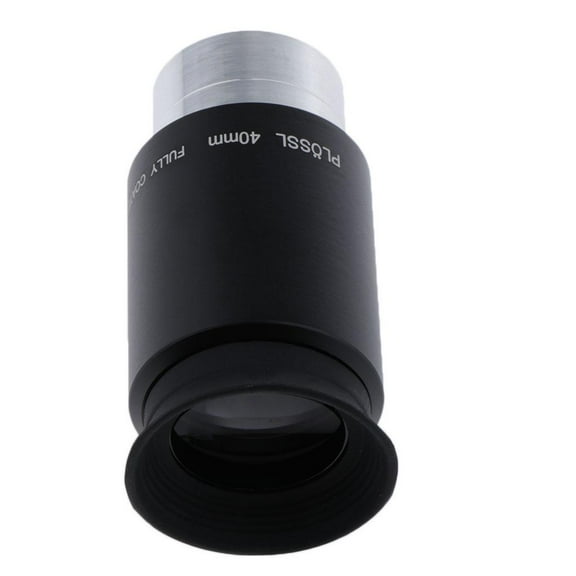
If you want broader sky views, you may prefer a 2 inch eyepiece path. If you want wider compatibility, your telescope may use 1.25 inch accessories instead.
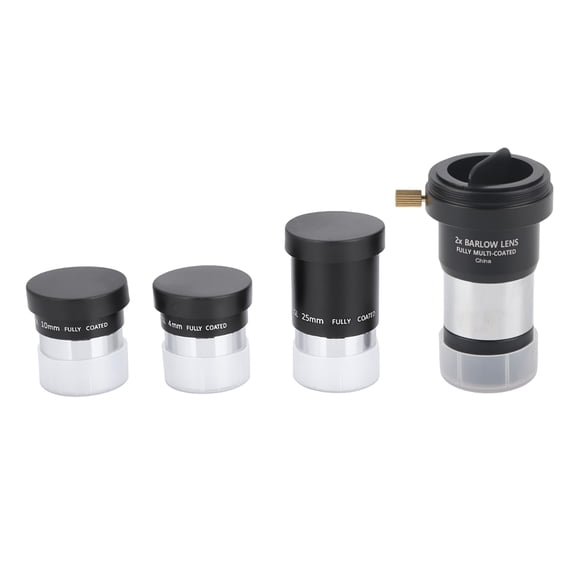
You can also compare focal length when you select telescope eyepieces. Your shorter focal lengths give higher magnification, while your longer focal lengths give wider and easier views.
For practical planning, you should match focal length to your target and your telescope. Your planets often call for more magnification, while star fields often benefit from a wider field.
You should also consider materials and optical quality before you choose. Your metal barrels often feel more secure, and your coated glass can support clearer image transmission.
When you review optical coating labels, you should compare fully coated, multi-coated, and fully multi-coated options. Your FMC glass usually indicates more coated lens surfaces across the optical path.
Using a barlow lens and filters
You can use a barlow lens to increase magnification without replacing every eyepiece you own. Your two times or three times option changes how strongly an eyepiece magnifies.
That means you can expand your viewing range with fewer pieces. Your eyepiece collection becomes more flexible when one accessory creates additional magnification steps.
You should still compare compatibility before choosing a Barlow. Your barrel diameter must match, and your telescope design should support the extra optical length.
When you choose telescope filters, you should match the filter to what you observe most. Your lunar viewing often benefits from brightness control, while planetary sessions may use color filters.
If you like nebula viewing, you may compare deep-sky filter styles carefully. Your filter choice can shape background darkness, contrast, and the details you notice visually.
You should also compare coating quality and glass construction in filters. Your fully multi-coated surfaces can help reduce reflections that interrupt a clean observing experience.
Matching compatibility, mounts, and adapters
You should confirm whether your accessory is universal, reflector-specific, refractor-specific, or brand-specific. Your telescope design affects back focus, connection points, and how accessories fit together.
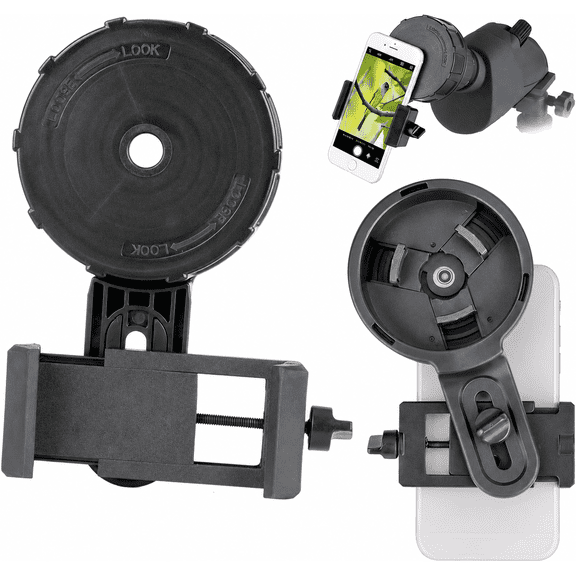
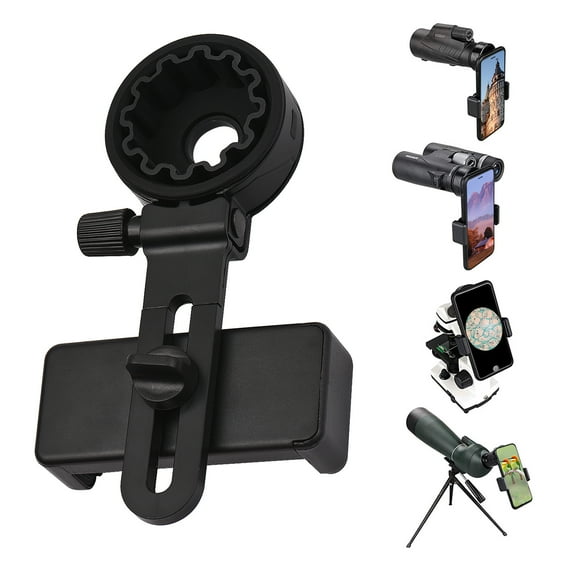
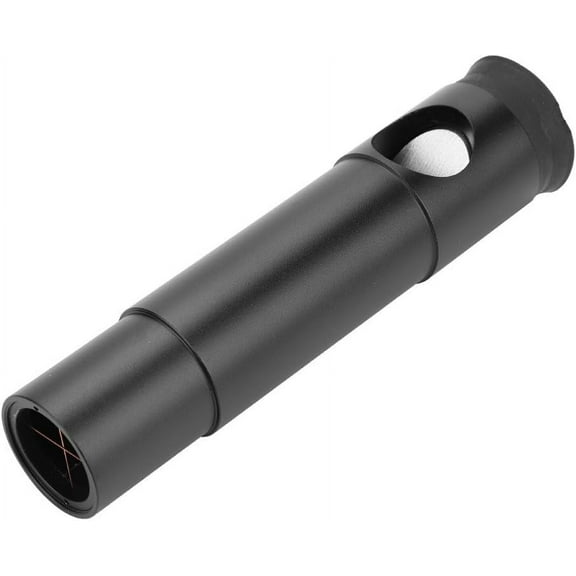
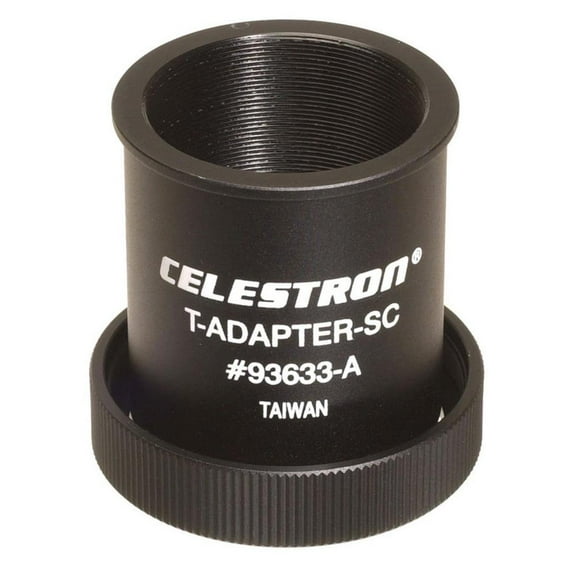
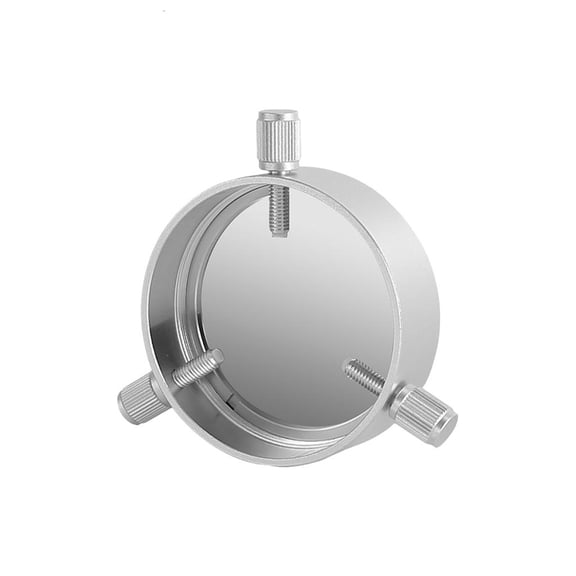
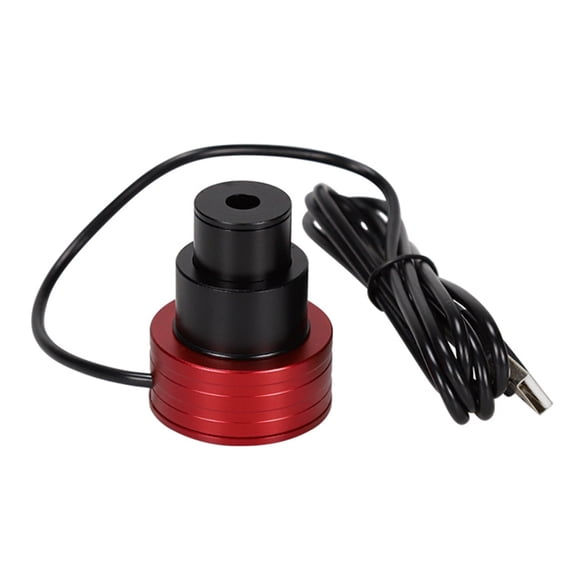
Adapters matter when your eyepiece, diagonal, or focuser sizes don't match. You can bridge 1.25 inch and 2 inch systems when your telescope supports that connection.
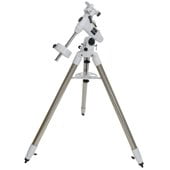
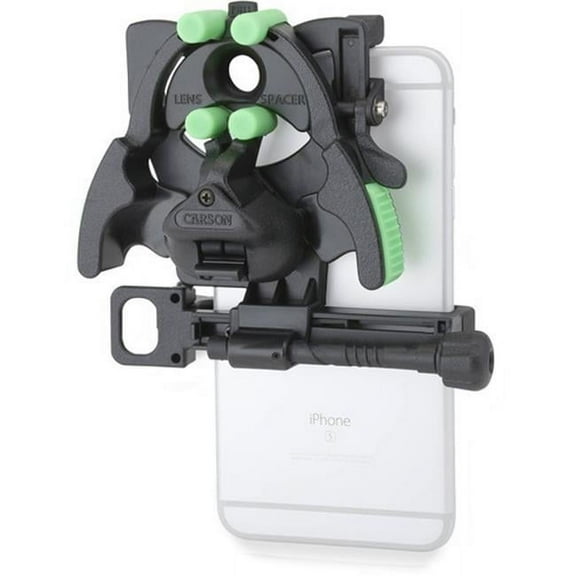
If you need steadier viewing, you should compare telescope mount options and mounting hardware. Your setup may benefit from manual controls, tracking support, or a simpler replacement part.
You should check whether your telescope mount matches your tube style and use habits. Your backyard viewing may need quick setup, while your longer sessions may favor smoother motion.
Build details deserve attention when you compare mounts and adapters. Your metal components usually offer a firmer feel, while your secure threads help reduce play between connected parts.
Picking telescope accessories for your observing style
If you watch the moon often, you should prioritize eyepieces with comfortable viewing and filters that manage brightness. Your sessions can feel more controlled when glare stays in check.
If you follow planets, you may combine a barlow lens with suitable telescope eyepieces. Your setup can reach useful magnification steps without relying on one very short eyepiece.
For deep-sky viewing, you should consider wider eyepieces and selected telescope filters. Your larger apparent field can help frame clusters, while your filter can support darker sky presentation.
If you're upgrading a beginner telescope, you should focus on fit before anything else. Your barrel diameter, accessory type, and compatibility matter more than adding several parts at once.
You can build a more useful observing kit when each accessory fills a specific role. Your telescope accessories should work together to improve fit, flexibility, and the views you pursue most.