






Reams of Copy Paper for Office Use




















About Reams of Copy Paper for Office Use - Walmart.com
Your ream of paper choice affects print clarity, tray fit, and how often you restock for school, home, or office tasks. You can compare size, weight, brightness, and sheet count here, so your printing setup stays practical and organized.
How to choose a ream of paper
When you compare paper size first, you make printer compatibility easier and avoid mismatched pages for forms, reports, or spreadsheets. You’ll usually choose between letter, legal, and ledger formats in this category.
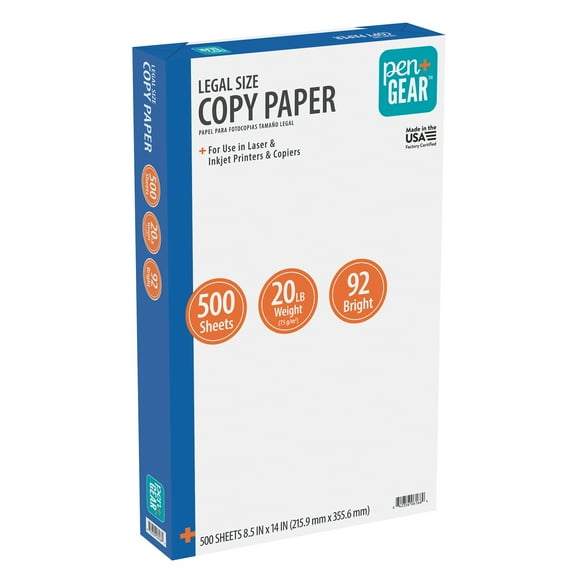
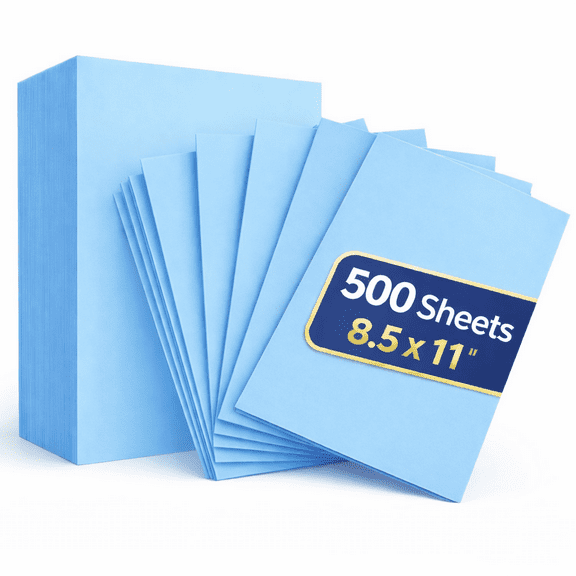
Letter size, or 8.5 x 11 printer paper, fits standard home printers, school projects, and office documents. Legal size gives you extra length for contracts, while ledger supports wider layouts for charts and tables.
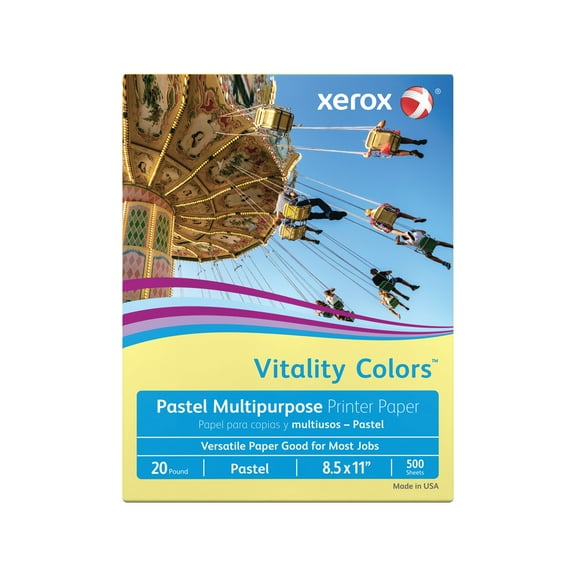
Paper weight changes how each page feels and how your documents present text and graphics. You’ll often start with 20 lb copy paper for routine tasks, then move up for a thicker sheet.
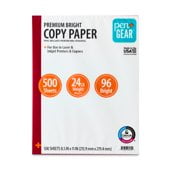
Standard 20 lb sheets work well for homework, drafts, receipts, and everyday copies. Mid-weight 24 lb and heavier 28 lb or 32 lb options help your handouts feel sturdier and more polished.
- You can choose letter, legal, or ledger sizes based on your printer tray and document type.
- You can use 20 lb paper for daily printing and heavier weights for presentations or double-sided pages.
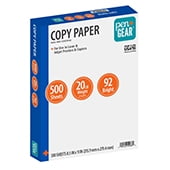
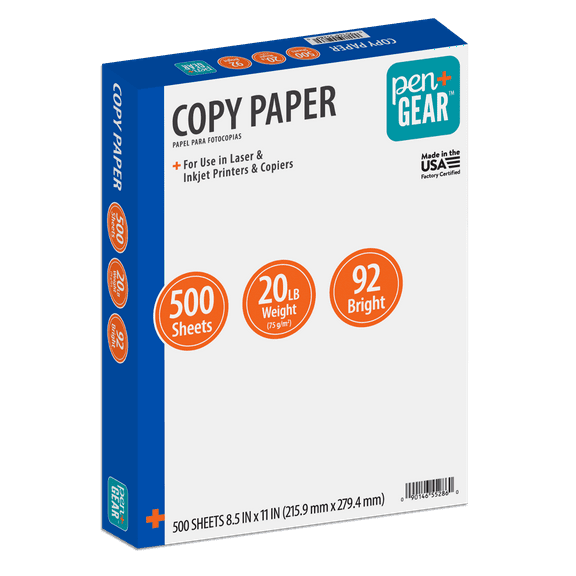
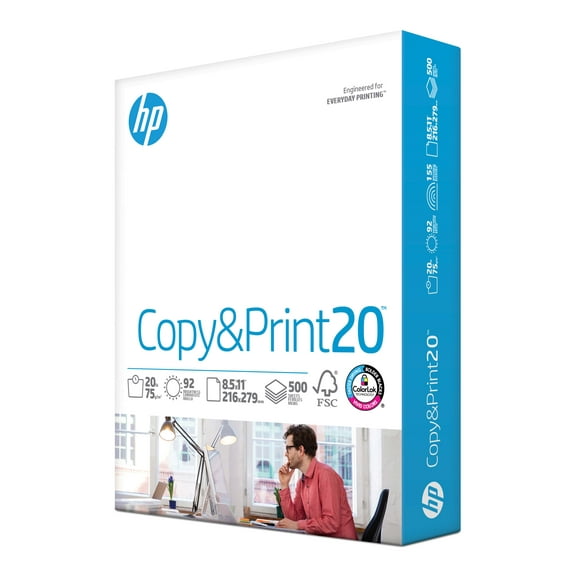
- You can compare 500-sheet reams and larger cases to match your weekly print volume.
- You can select brightness levels that fit routine text, sharper contrast, or color-heavy pages.
Choosing size, weight, and copy paper 500 sheets
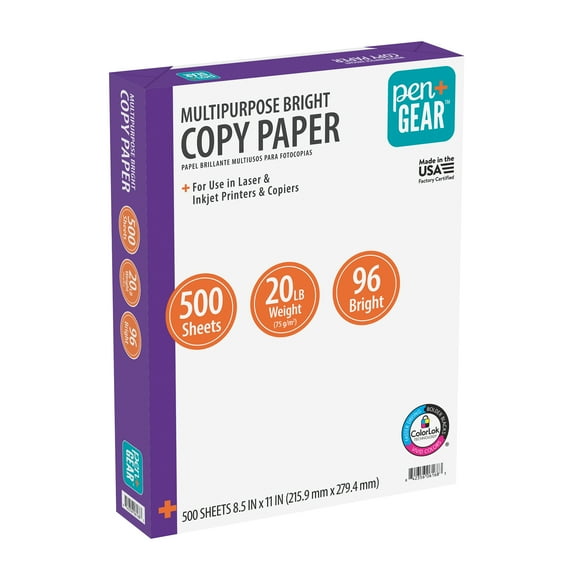
Sheet count matters when you print often and want fewer interruptions during busy weeks. You can choose copy paper 500 sheets for flexible use, or step up to multi-ream packs for steadier supply.
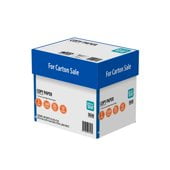
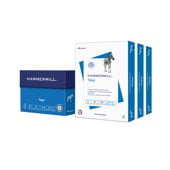
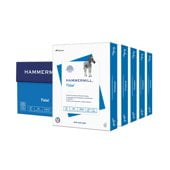
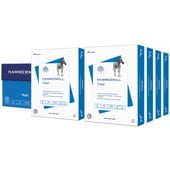
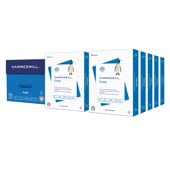
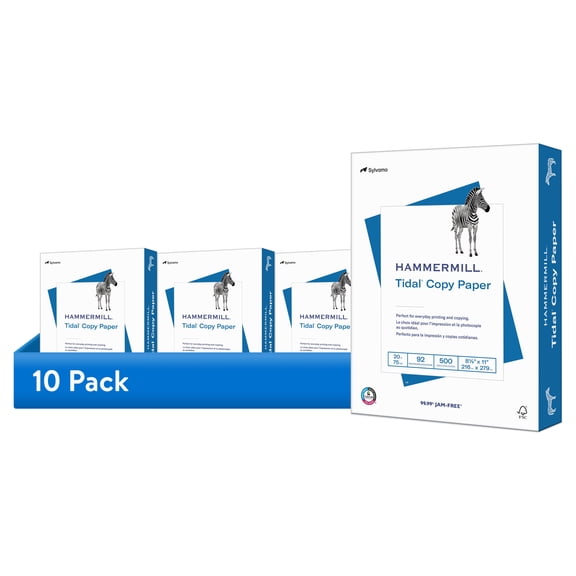
A single ream fits smaller spaces and lighter weekly printing needs. Three-ream, five-ream, and case quantities help you keep classrooms, shared desks, and home offices stocked longer.
If your storage space is tight, you may prefer smaller packs that fit shelves, cabinets, or desk drawers. If your printer runs daily, you may want larger quantities that reduce reorder frequency.
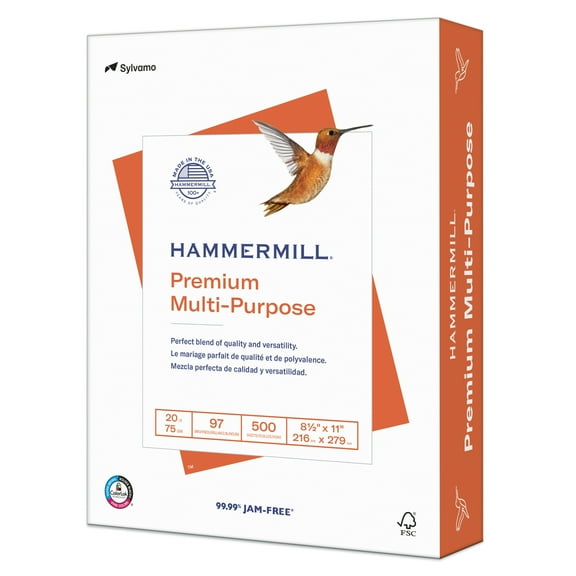
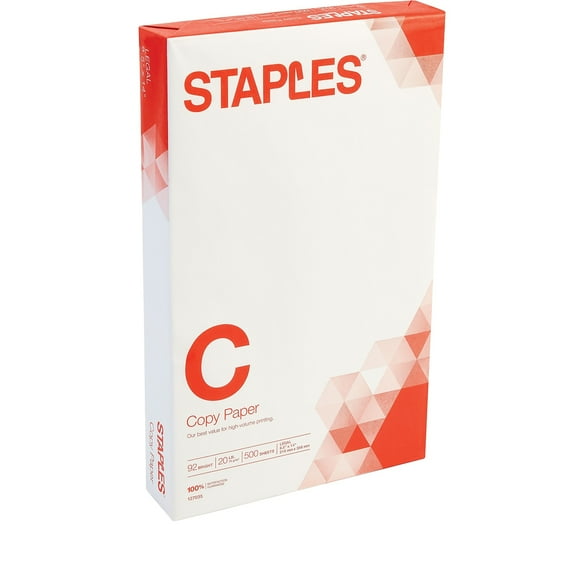
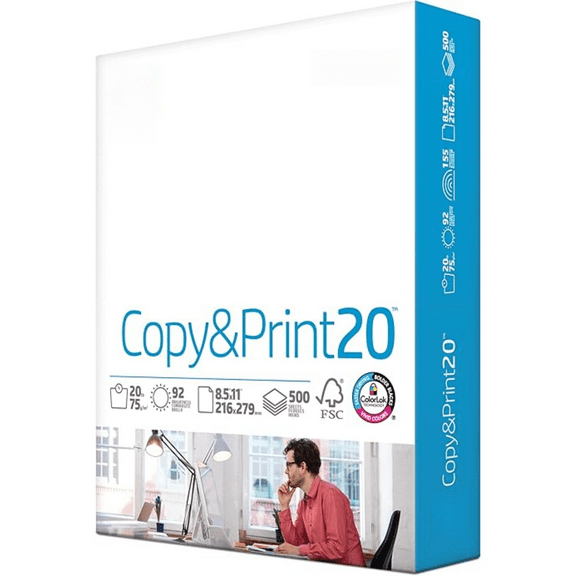
Brightness rating helps you judge how clear text looks and how vivid color appears on the page. You’ll commonly see 92 US for daily use, 96 US for stronger contrast, and 98 plus for refined output.
Lower brightness works for routine internal printing and general copying. Higher brightness gives your letters, charts, and presentations a crisper look under office lighting.
What to look for in printer paper ream options
When you compare a printer paper ream, you should match the paper to your printer type and document purpose. You’ll want smooth feeding, consistent cuts, and the right thickness for your planned workload.
Multipurpose copy paper gives you flexibility for printers, copiers, and fax machines in mixed-use spaces. You can keep one stack ready for schoolwork, invoices, checklists, and meeting notes without switching formats often.
If you print on both sides, you may want a heavier sheet that feels less transparent. You’ll notice 24 lb and above can suit presentations, resumes, and handouts that need a more substantial feel.
For color-heavy pages, brightness becomes more important because sharper contrast helps graphics and text look cleaner. You can use brighter sheets for proposals, schedules, flyers, and classroom materials with visual detail.
Paper size remains a key decision because it affects fit before any print starts. You should check whether your tray supports letter, legal, or ledger paper before you choose quantity.
A ream of paper can also support planning across related office needs like binders, folders, and ink cartridges. You can build a smoother workspace when your paper format matches filing systems and printer supplies.
Matching paper choices to your everyday printing
If you print school assignments and household documents, letter size and 20 lb paper usually cover the basics well. You can keep a 500-sheet pack nearby for worksheets, recipes, forms, and labels.
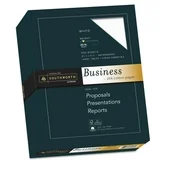
When you handle business packets or client-facing pages, you may prefer 24 lb paper with higher brightness. You can create cleaner reports, sharper text, and a more substantial page feel.
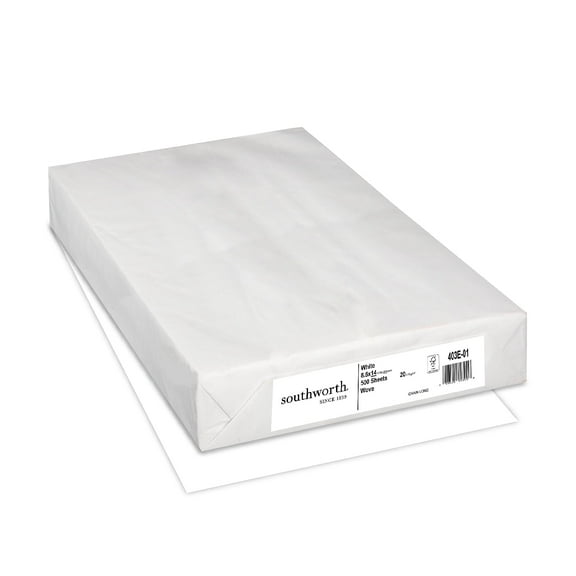
If your workspace prints contracts or forms with extra lines, legal size gives you more room on each page. You can avoid awkward scaling and keep layouts easier to read.
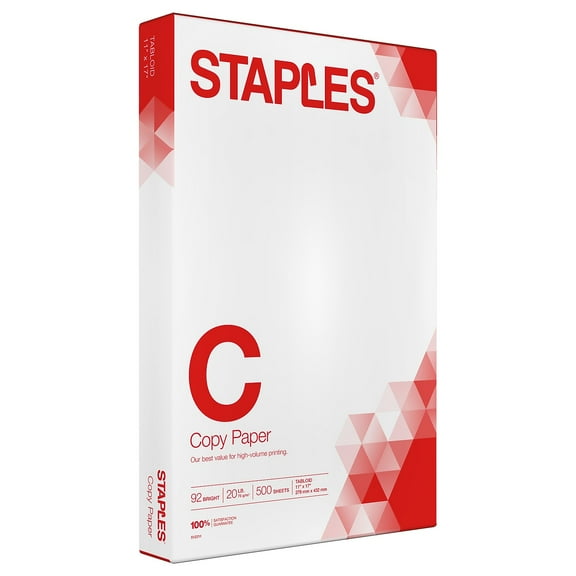
For spreadsheets, schedules, or diagrams that need a wider view, ledger sheets can make formatting easier. You can present larger tables without squeezing details into a smaller page.
Busy offices and classrooms often benefit from multi-ream packs because printing volume adds up quickly through the week. You can keep shared printers ready longer with three-ream, five-ream, or case quantities.
If you need one paper type for many tasks, multipurpose copy paper keeps your setup simple. You can move from black-and-white drafts to color handouts with fewer compromises in everyday use.
With the right ream of paper, you can print more smoothly, keep documents consistent, and match each page to the job at hand. You’ll feel more prepared when your size, weight, brightness, and quantity line up clearly.