

Foot Arch Supports & Flat Feet Pain Relief | Walmart


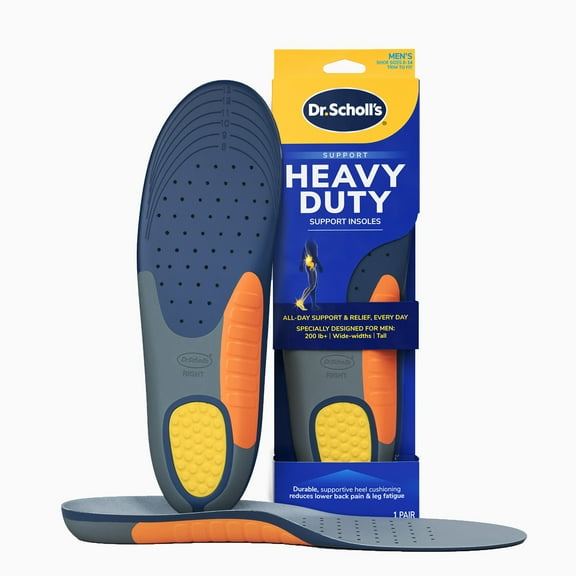
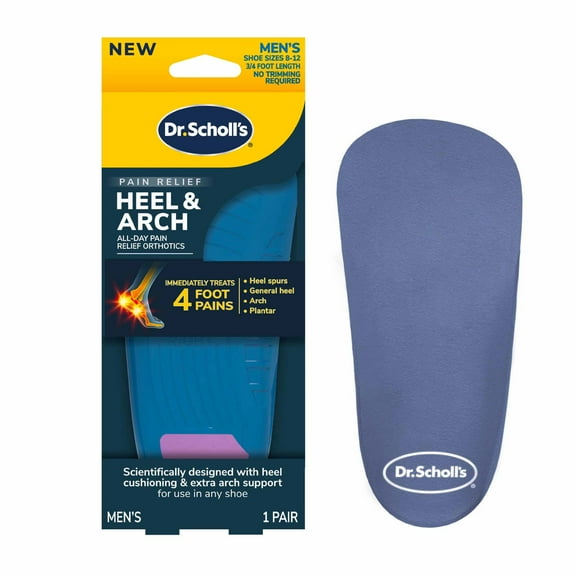
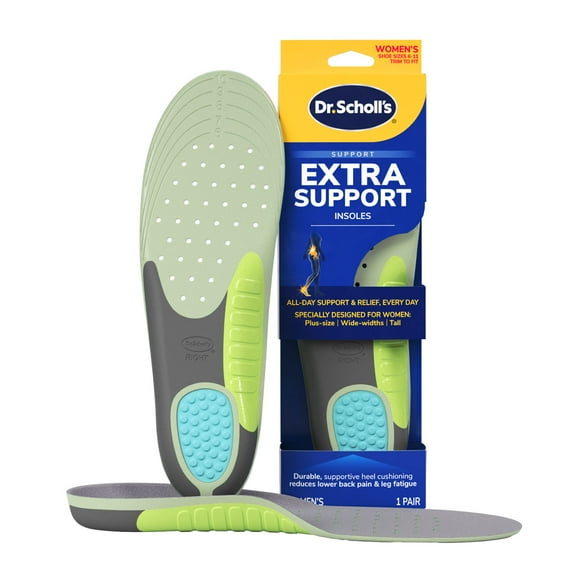


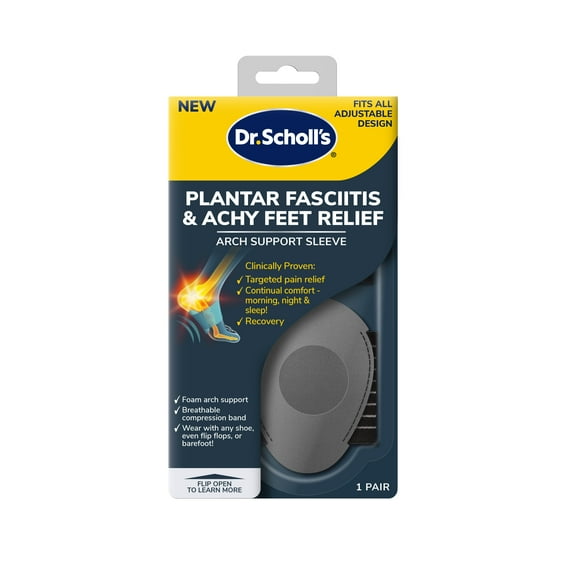
















About Foot Arch Supports & Flat Feet Pain Relief | Walmart - Walmart.com
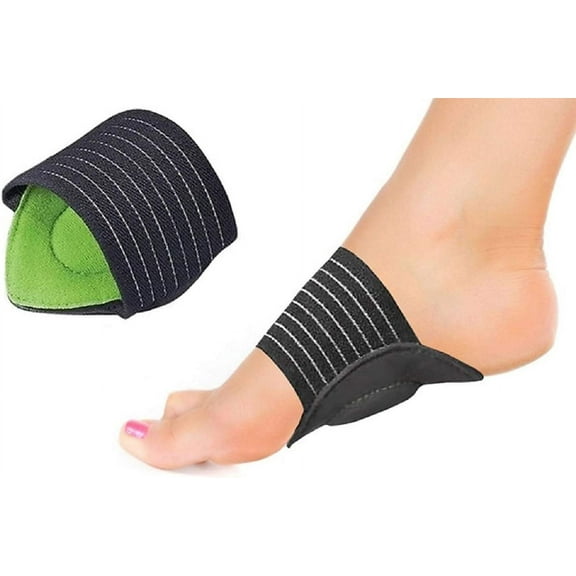
Orthotics arch supports help you choose steadier cushioning and structure for daily steps, workouts, and long hours on your feet. You can compare arch height, support type, and shoe fit more easily when you shop this category.
How to choose orthotics arch supports
You should start with your arch height, because low, medium, and high arches need different contact points under your foot. You can often spot your arch shape by checking how much of your footprint touches the floor.
If your footprint shows almost your whole foot, you may need foot arch support shaped for low arches. If you see a narrow middle curve, your feet arch support needs may lean toward medium or high profiles.
You should also compare how firm the support feels under pressure. You may prefer rigid, semi-rigid, or cushioned designs depending on how much structure and flexibility you want.
What to look for in foot arch support
You can use support level as a simple buying guide. Rigid options usually hold shape firmly, while semi-rigid styles balance structure with movement, and cushioned styles feel softer inside shoes.
- You can choose rigid support when your shoes need stronger shape and a steadier base.
- You can choose semi-rigid support when you want structure for walking, workdays, or mixed activity.
- You can choose cushioned support when you want softer underfoot comfort in casual daily wear.
- You can compare low, medium, and high arch profiles to match your foot shape more closely.
You should also check the material, because it changes feel and responsiveness. Gel can feel softer and springier, foam can feel lighter, and carbon fiber or plastic can feel firmer.
When you compare materials, you can focus on how each one fits your routine. You may want foam for casual wear, gel for added softness, or firmer shells for a more structured orthotic arch support.
Choosing support type, materials, and fit
You can think of rigid support as a firmer guide for motion inside the shoe. You may find semi-rigid designs easier for all-day wear because they blend flex with shape retention.
Cushioned styles can work well when you want a softer feel during errands, commuting, or standing at home. You should compare thickness too, because slimmer profiles often fit dress shoes and roomier styles fit athletic shoes.
Shoe compatibility matters because your insert should match the space inside your footwear. You can look for low-profile options for dress shoes, fuller inserts for boots, and versatile shapes for casual pairs.
If you wear athletic shoes, you may want a foot arch support with more coverage through the heel and midfoot. If you wear boots, you can check whether the insert fills extra space without crowding your toes.
You should also think about whether your shoes have removable liners. When your shoes allow extra room, you can often use fuller foot arch supports with a more noticeable contour.
Matching foot arch supports to daily use
You can match category options to common foot concerns in plain terms. If you have flat feet, you may look for a shaped insert that adds structure through the middle of your foot.
If you have high arches, you may prefer more contact under the arch and a smoother transition from heel to toe. If overpronation affects your stride, you may compare firmer designs that feel more controlled inside the shoe.
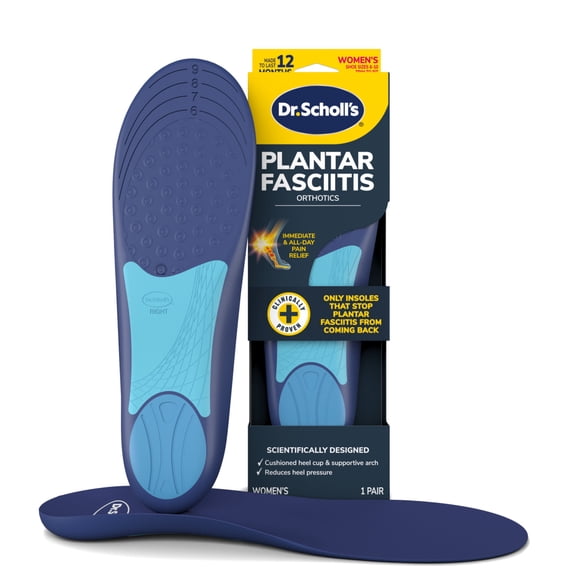
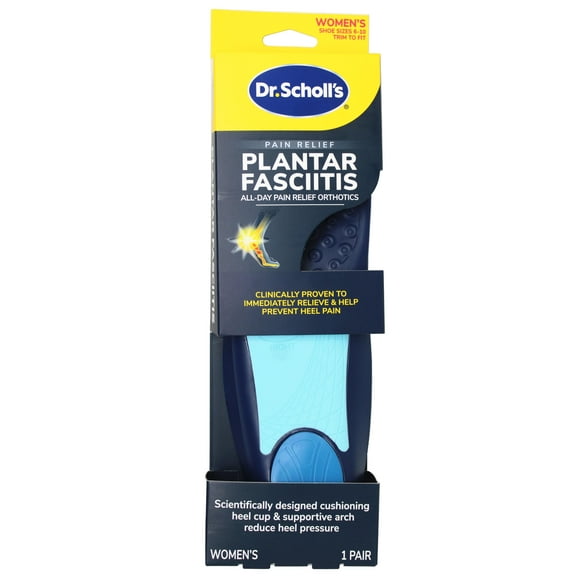
You may also shop for plantar fasciitis-focused styles when you want more underfoot support for early steps and long standing periods. You should look at heel shape, arch contour, and firmness together rather than choosing by one feature alone.
For work shoes, you may want semi-rigid or cushioned options that balance comfort and steady support through long shifts. For training shoes, you can compare fuller inserts that stay aligned during repeated movement.
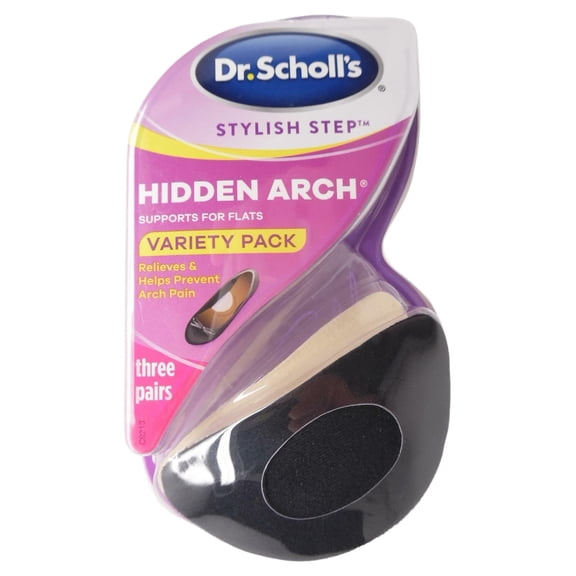
In dress shoes, you may need thinner profiles that fit neatly without changing how the shoe feels. In casual shoes, you can often use a wider range of shapes, materials, and arch heights.
How to compare feet arch support options with confidence
You can narrow your choice by checking four things first: arch height, firmness, material, and shoe type. You should measure those basics before moving to details like full-length coverage or slim inserts.
This category gives you a practical way to compare orthotics arch supports across low, medium, and high arches. You can choose a pair that fits your shoes, matches your routine, and feels more consistent with every step.