


Grip Strengtheners in Exercise & Fitness Accessories






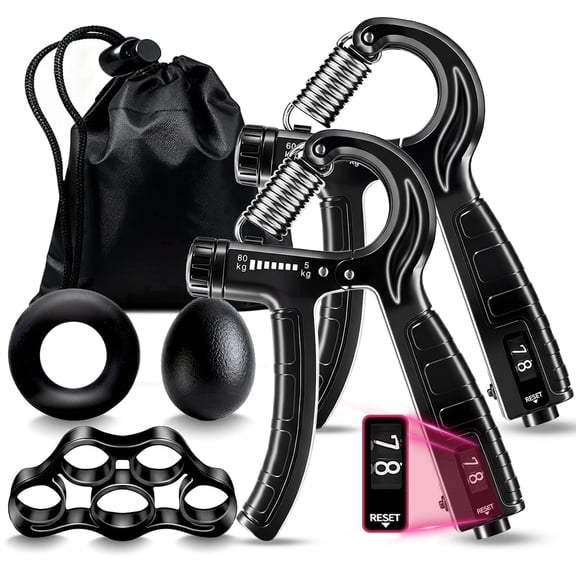
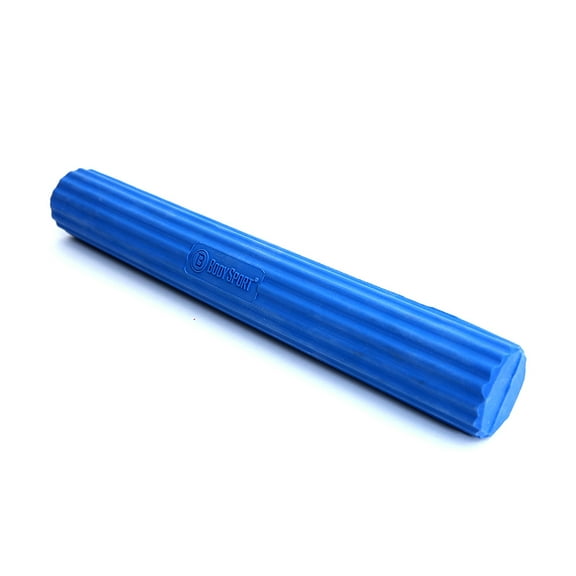
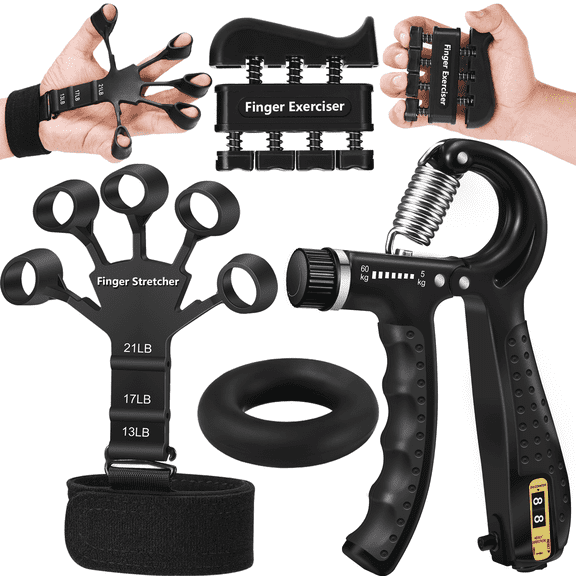
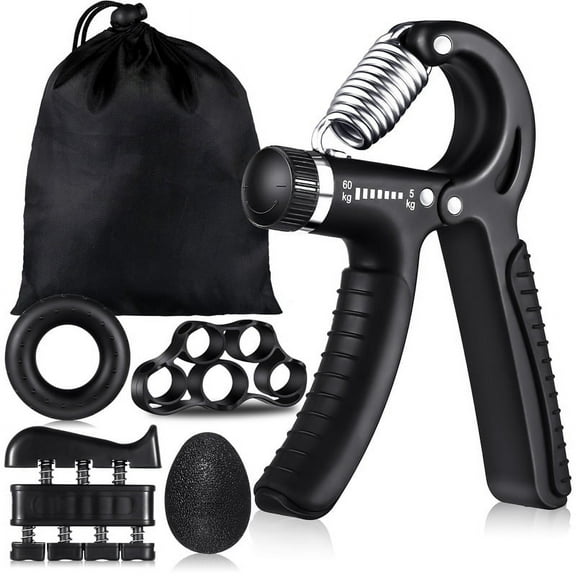




















About Grip Strengtheners in Exercise & Fitness Accessories - Walmart.com
Grip strengtheners help you train your hands, fingers, and forearms with compact equipment that fits easily into your routine. You can compare resistance styles, materials, and designs to match strength training, rehabilitation, or everyday hand exercise.
Choosing the right grip strengtheners
When you compare grip strengtheners, you should start with resistance type because it shapes how your training feels each session. You can choose adjustable models for progression or fixed options for a simple, consistent squeeze.
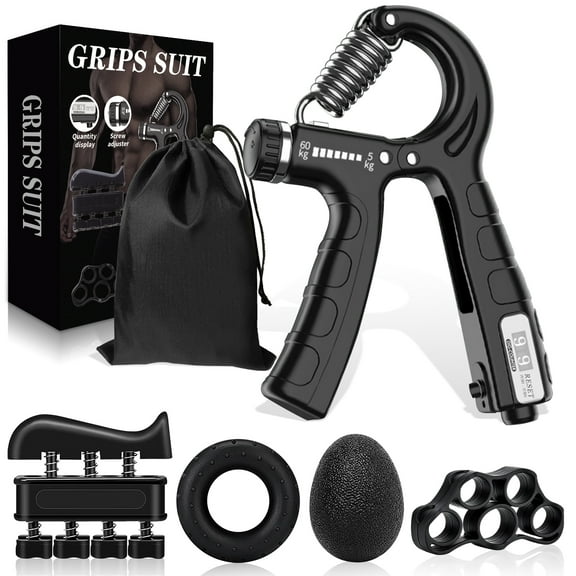
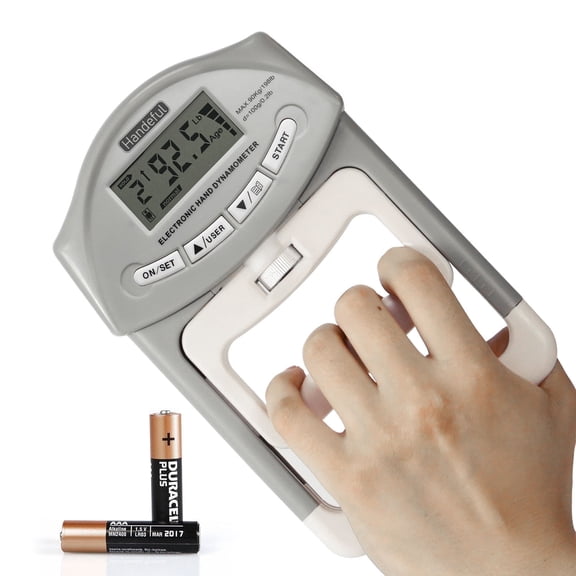
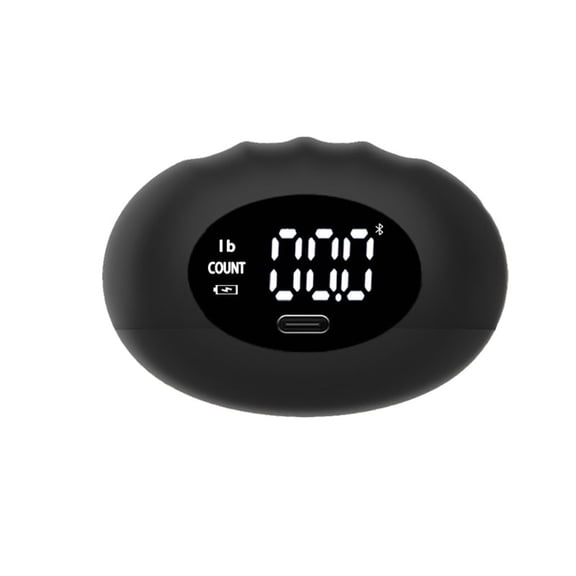
Adjustable tension often uses pounds or kilograms, so you can increase resistance as your grip improves over time. You can use lighter settings for warmups and higher settings for harder forearm work.
Fixed resistance keeps your choice simple when you want a grab-and-go hand grip strengthener for repeated daily sessions. You may prefer that setup when you want the same feel at home, at work, or in your gym bag.
How to compare hand grip strengthener materials
Material affects how your trainer feels in your hand and how it holds up through repeated reps. You should compare metal, plastic, and silicone based on grip feel, portability, and daily use.
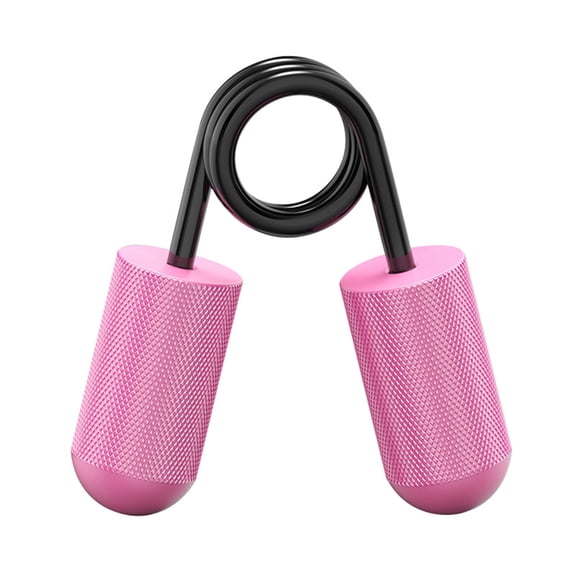
Metal handles often feel solid in your palm, and you may notice knurled textures that help your hands stay positioned. You can look for cushioned foam or rubber contact points when you want a softer hold.
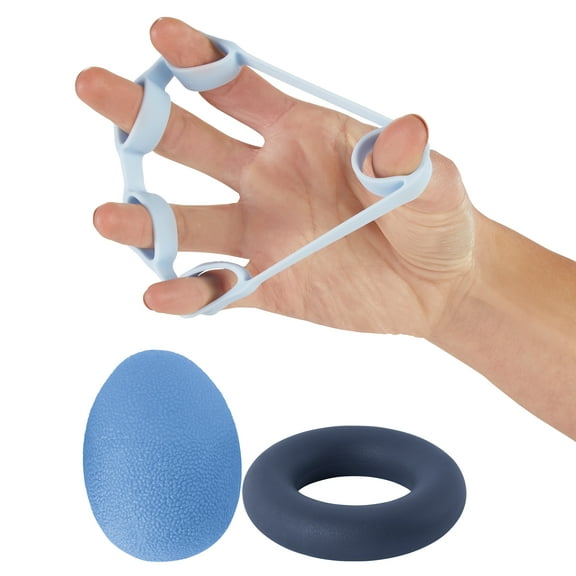
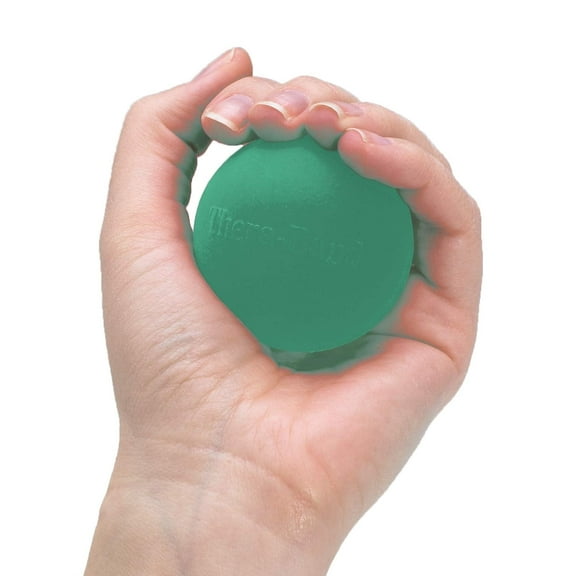
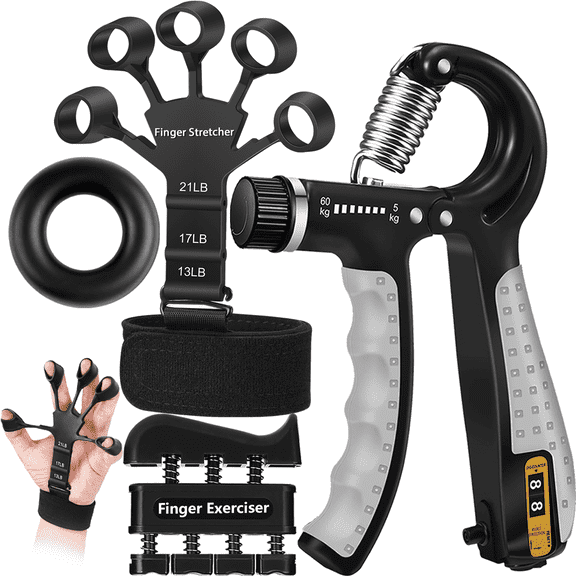
Plastic designs often keep things light, so you can carry them easily in a tote, desk drawer, or travel bag. Silicone rings give you a flexible squeeze pattern, and you can rotate through several resistance levels.
- You can use adjustable styles to build up resistance over time.
- You can choose metal or textured handles for a firmer training feel.
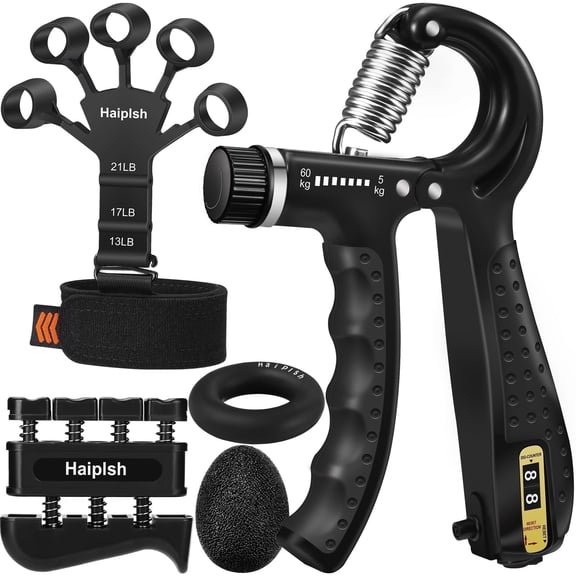
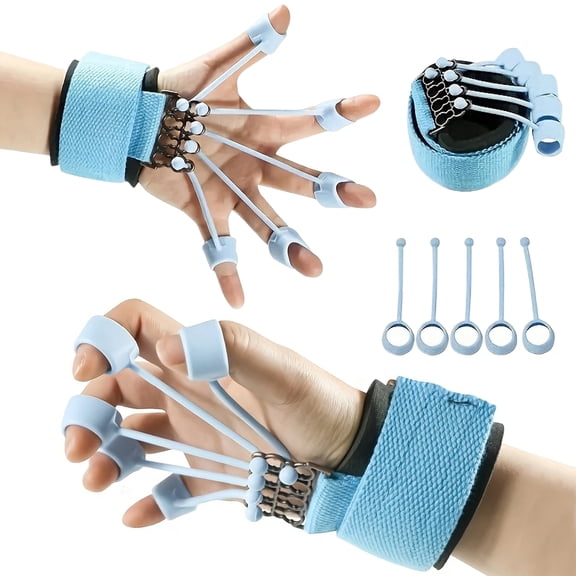
- You can pick silicone rings or finger tensioners for compact daily use.
- You can match your trainer to overall grip work or finger-focused exercise.
Comparing design types for your grip strength trainer
Design type changes which muscles you emphasize and how each rep feels in your hand. You should compare spring-loaded trainers, grip rings, and finger tensioners before you choose a grip strength trainer.
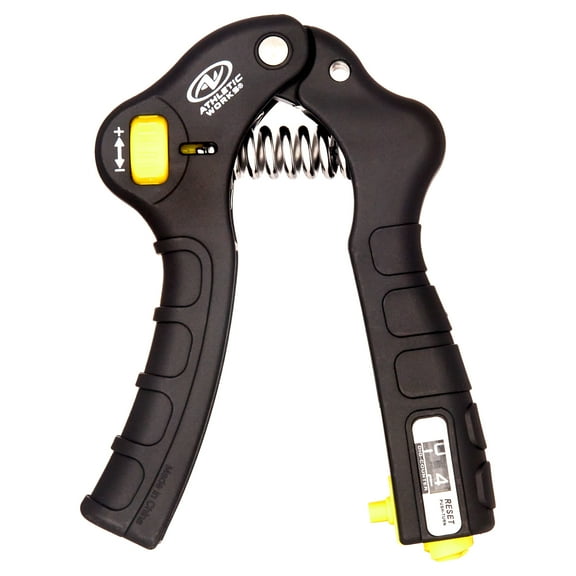
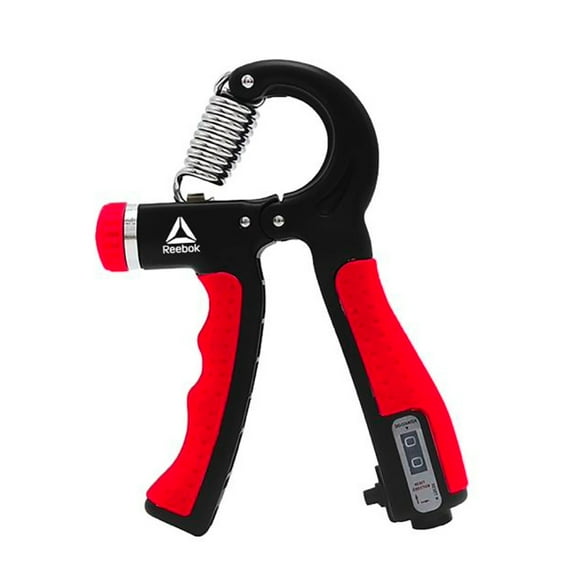
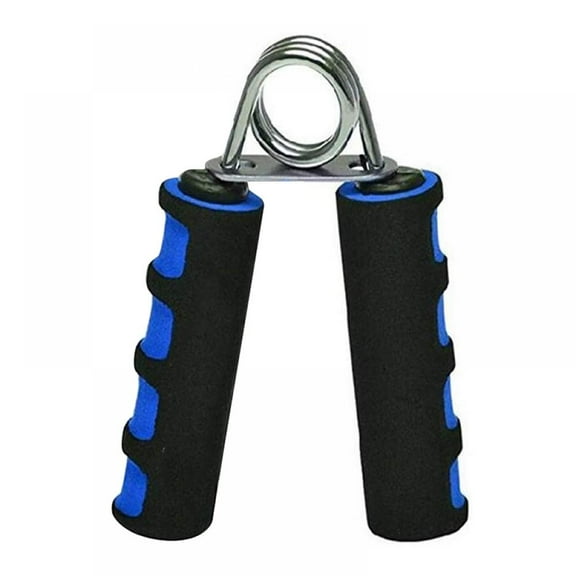
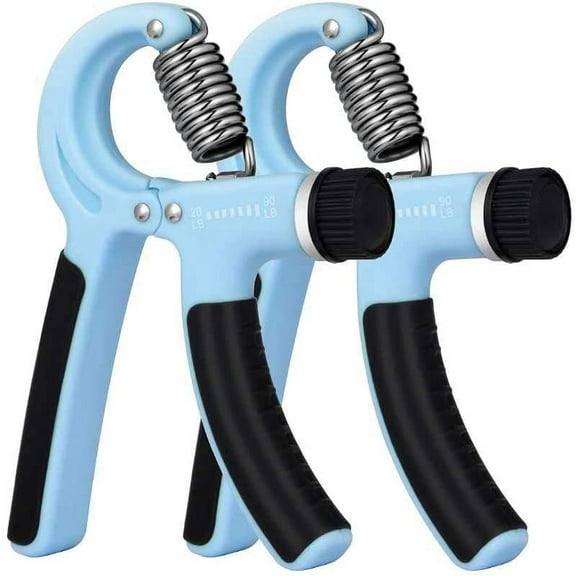
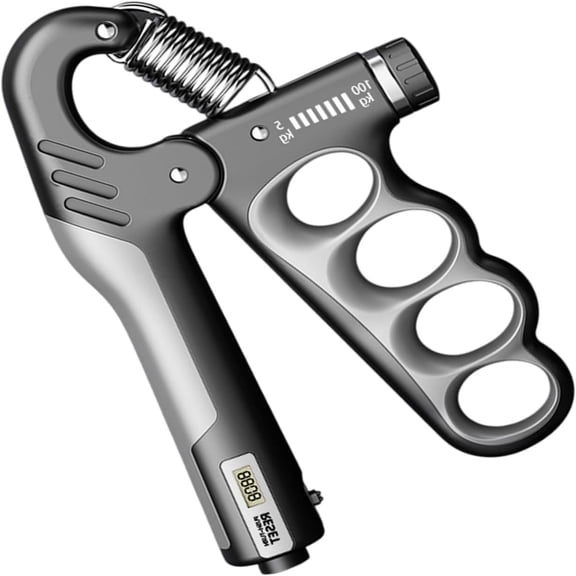
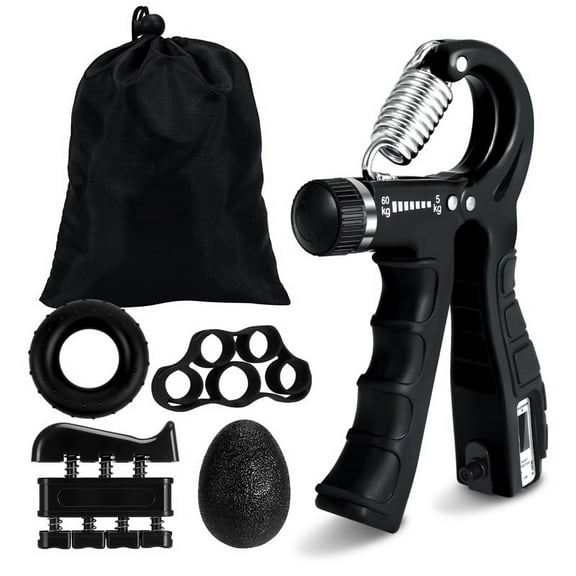
Spring-loaded options support a classic squeeze motion, and you can use them for overall hand and forearm exerciser workouts. You may prefer this style when you want a familiar shape with measurable resistance.
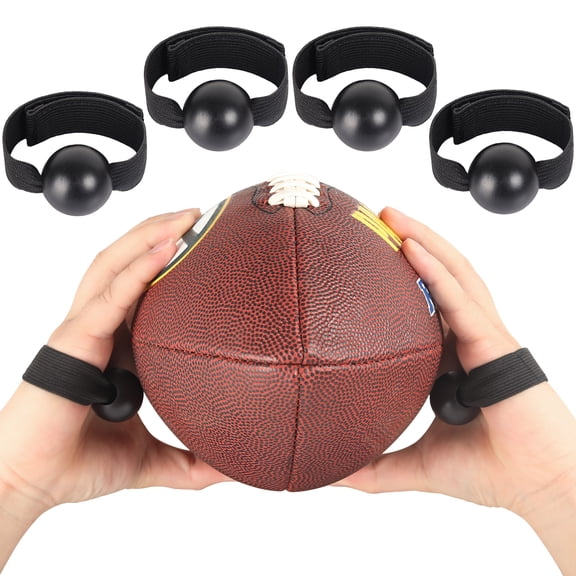
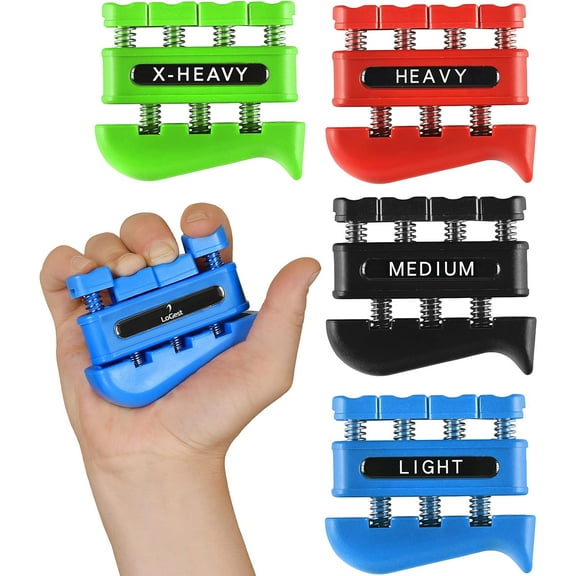
Grip rings create even pressure around your hand, and you can use them for quick sets between tasks. Finger tensioners separate each digit, so you can focus on extension and finger exerciser routines.
What to look for in resistance and ergonomics
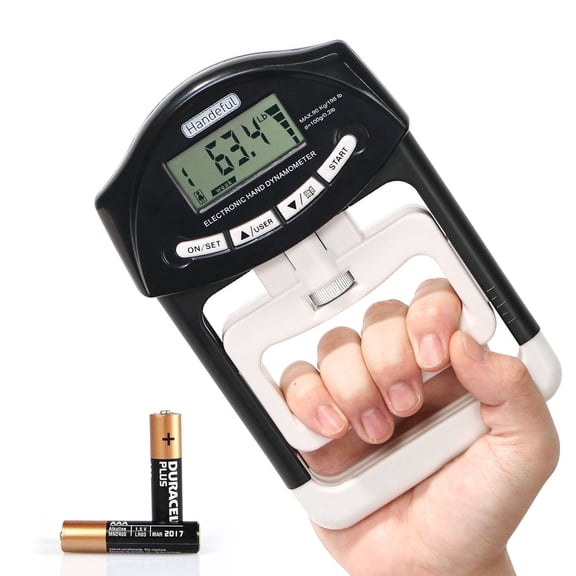
Resistance range matters because you want a trainer that fits your current ability and your next step. You should check whether the listed tension uses pounds or kilograms, especially when you compare adjustable models.
Lower tension can feel easier for shorter warmups, lighter sessions, or repeated squeezes during the day. Higher tension can give your forearms a stronger challenge when you want more demanding grip workout equipment.
Ergonomics matter too, because handle shape affects comfort during longer sessions and higher rep counts. You can compare foam, rubber, and knurled metal surfaces to find the grip feel your hands prefer.
Foam can feel softer against your palm, while rubber can offer a steady hold without feeling too slick. Knurled metal can feel more textured, and you may like that control during stronger squeezes.
Matching a forearm exerciser to your training goal
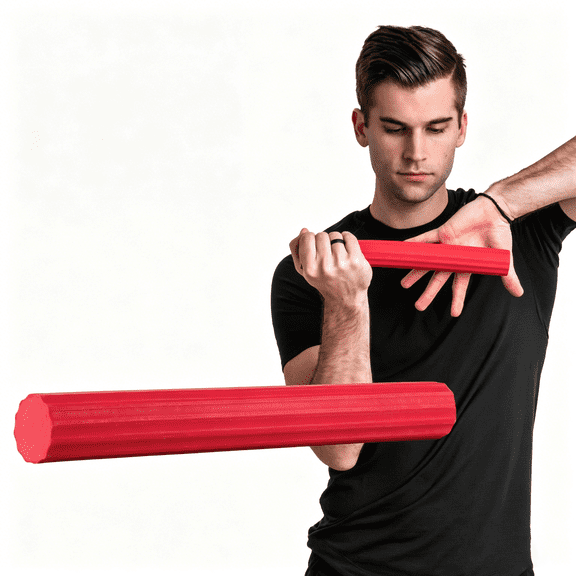
Your training goal should guide your choice because not every forearm exerciser works the same way. You can choose broader squeeze tools for overall strength or finger-focused tools for more isolated hand work.
If you lift weights, you may want hand grips for weightlifting that fit between sets and travel easily. You can keep a hand squeezer in your gym bag for quick work before pulls, rows, or carries.
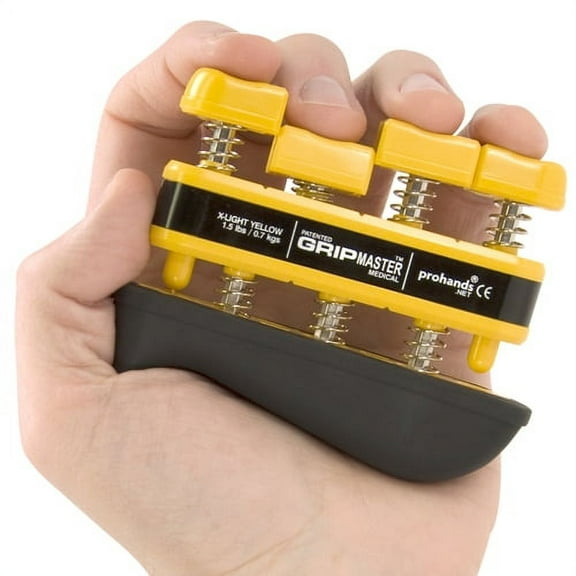
If you climb, play racket sports, or use tools all day, you may prefer finger tensioners or mixed-resistance sets. You can train individual fingers and your full hand without taking up much space.
For rehabilitation or hand therapy grip routines, you may want lower starting tension and a shape that feels easy to hold. You can look for simple controls and compact designs that fit short, repeatable sessions.
Checking portability and durability before you choose
Portability matters when you want to keep your training consistent across home, work, and travel. You should compare overall size, weight, and whether your trainer fits easily in a pocket or small bag.
Durability matters too, especially when you plan to use your trainer for frequent daily reps. You can check springs, hinge points, and material thickness to understand how the design handles repeated squeezing.
Compact rings and finger tools can fit easily into a drawer, while larger adjustable models may give you more tuning options. You can balance portability and training control based on how and where you'll use them.
With grip strengtheners, you can choose resistance, material, and design with a clear plan instead of guessing. You get a more focused hand and forearm routine when your trainer matches your goal and daily habits.