

Sewing Scissors & Shears in Sewing & Cutting Tools



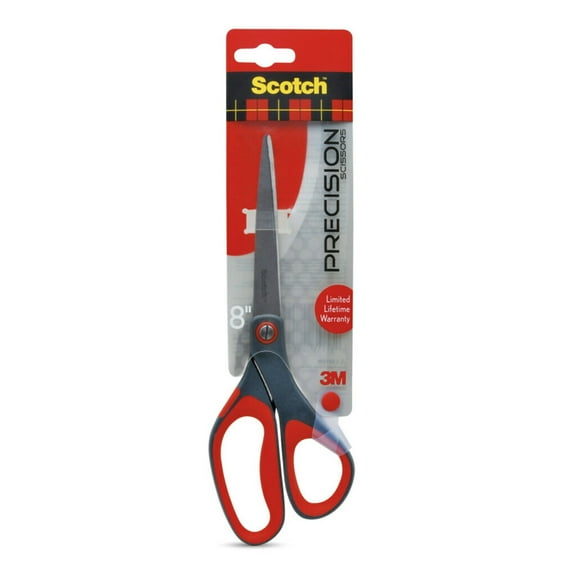
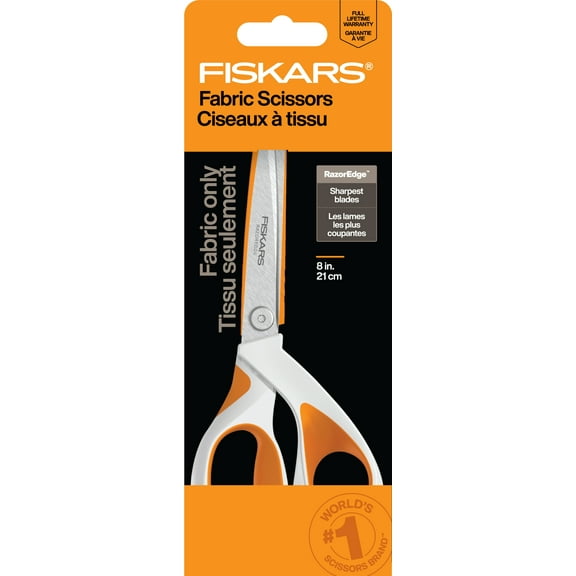

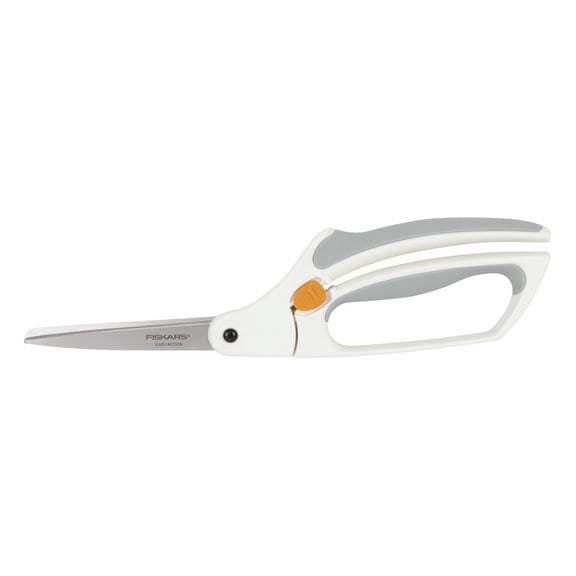
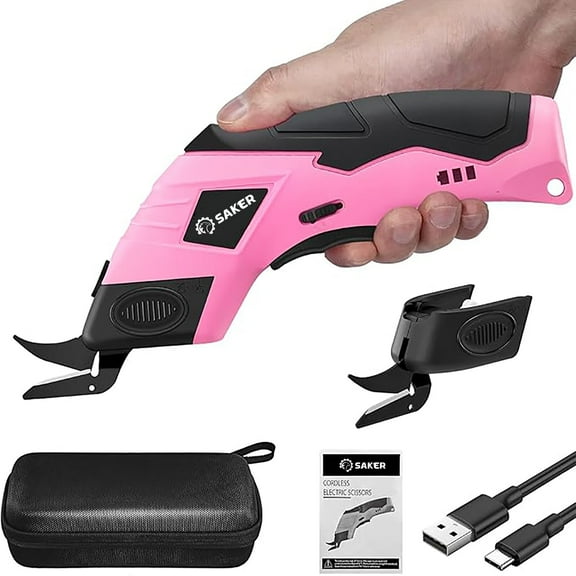









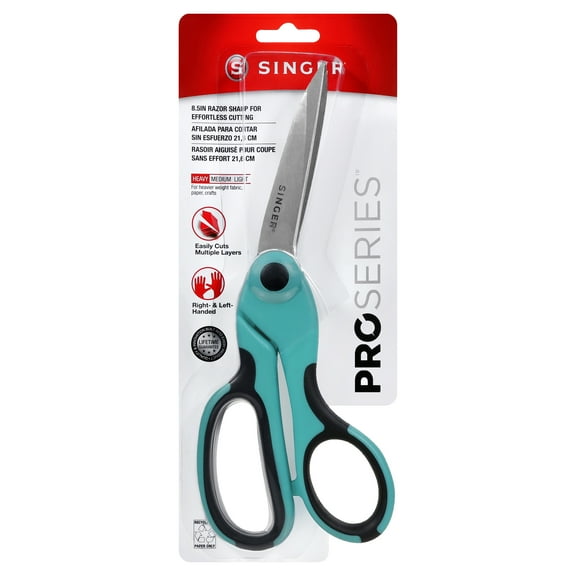
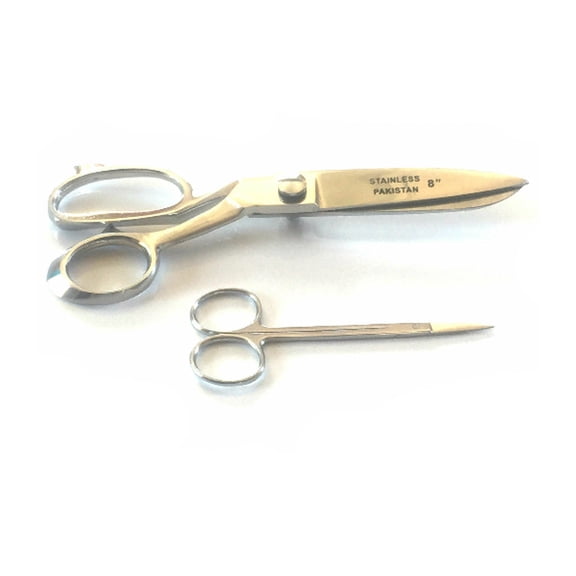

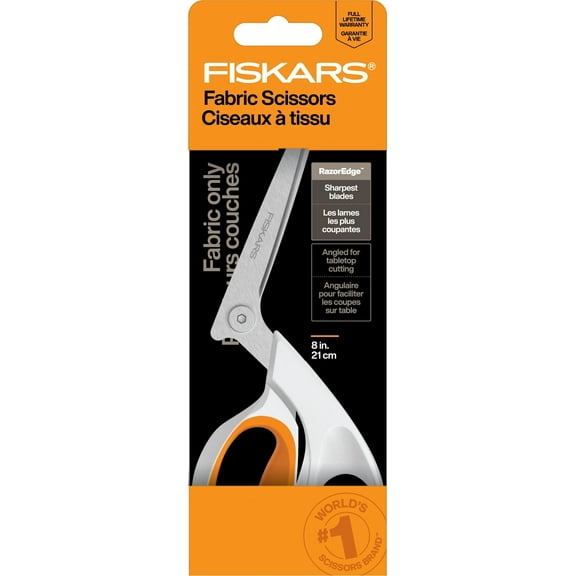
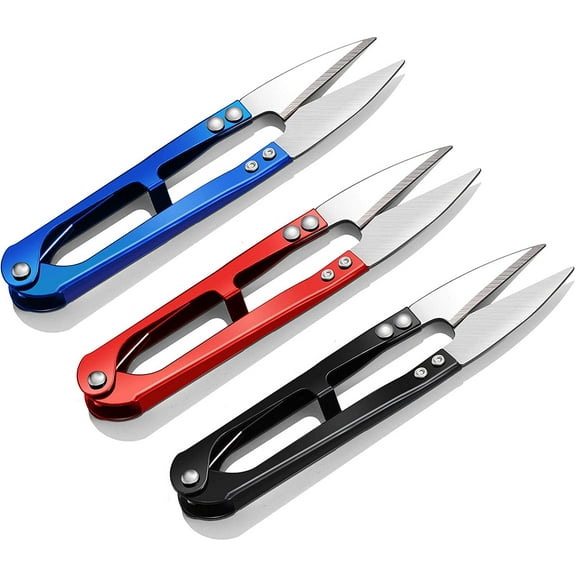







About Sewing Scissors & Shears in Sewing & Cutting Tools - Walmart.com
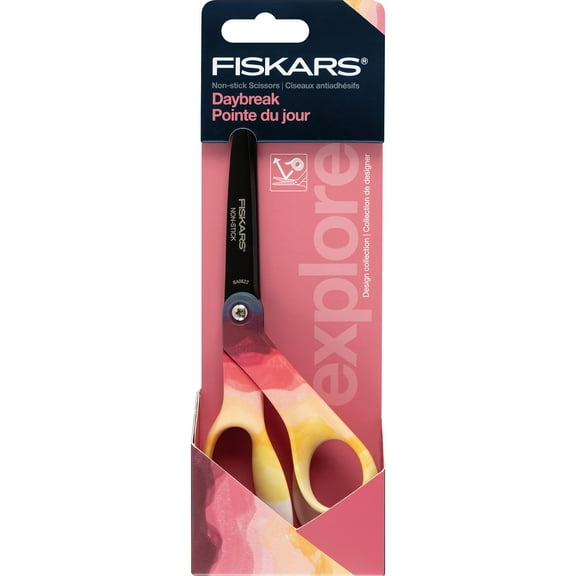
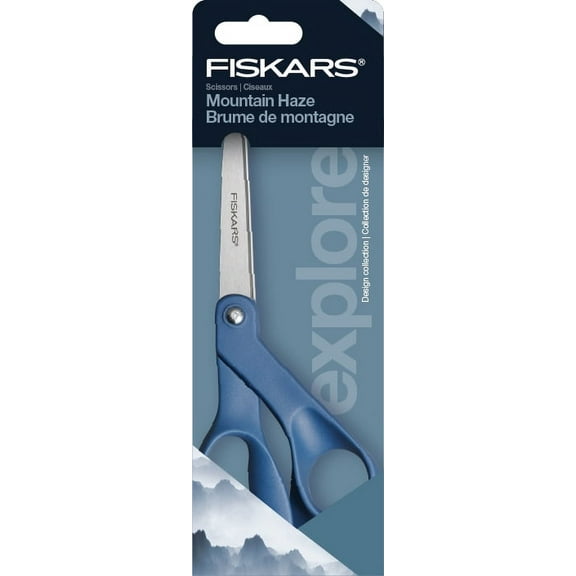
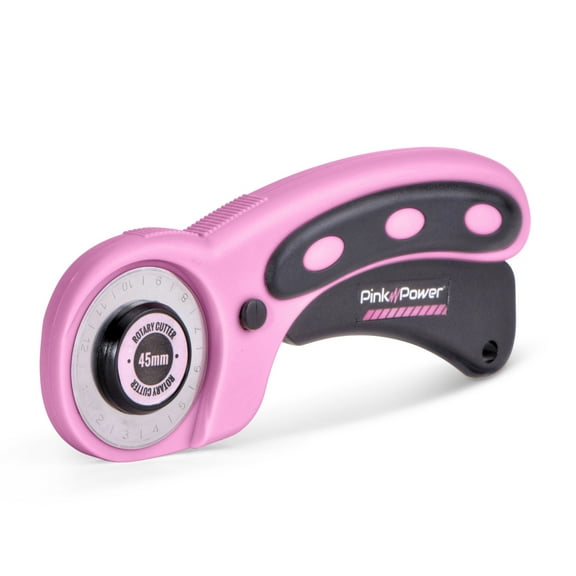
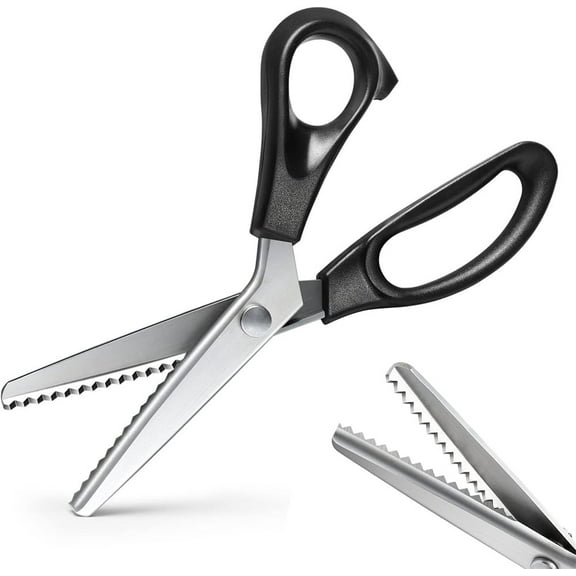
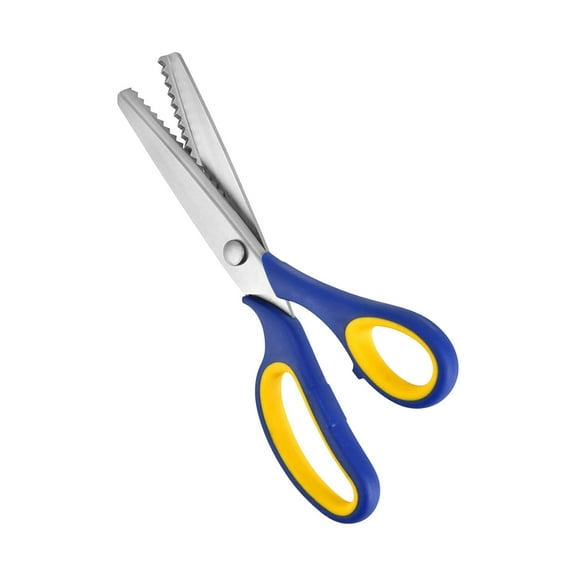
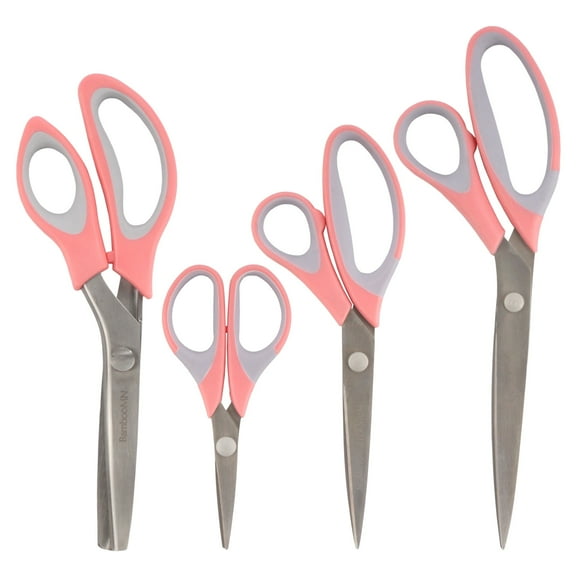
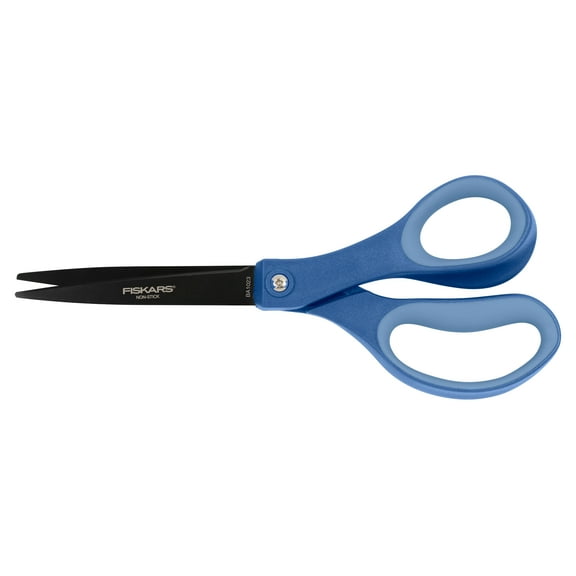
Fabric scissors near me searches often mean you need clean cuts, steady control, and dependable options for sewing projects at Walmart. This page brings together sewing scissors, fabric shears, and specialty cutters designed for cloth, patterns, and detailed trimming.
Good cutting tools help fabric glide smoothly under the blade instead of bunching at the edge. That matters when youu2019re working with denim, silk, quilting cotton, fleece, or layered apparel fabrics.
Why fabric scissors matter for sewing results
The right pair can make pattern cutting feel neater and more accurate from the first pass. Sharp edges help you follow curves, corners, and seam lines with less drag.
Handle shape also changes how each tool feels in use. Short, balanced sewing scissors suit detail work, while longer offset shears keep fabric flat on the table.
- Long blades help cut yardage, linings, and broad pattern pieces with fewer stops.
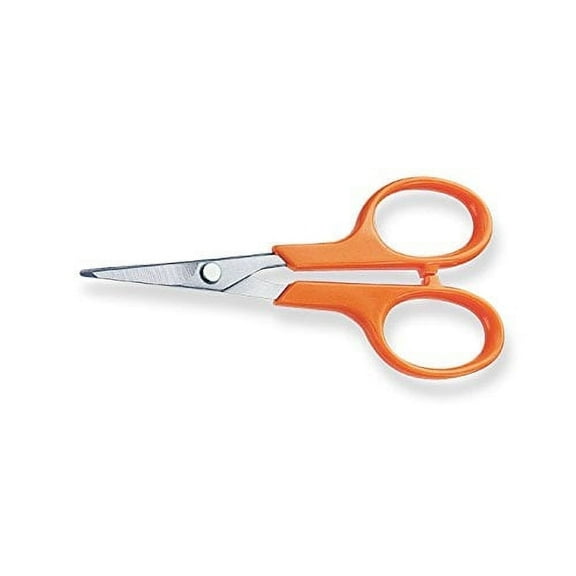
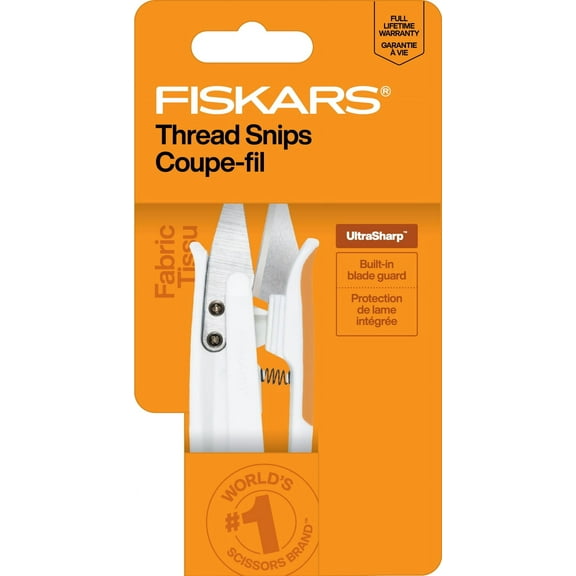
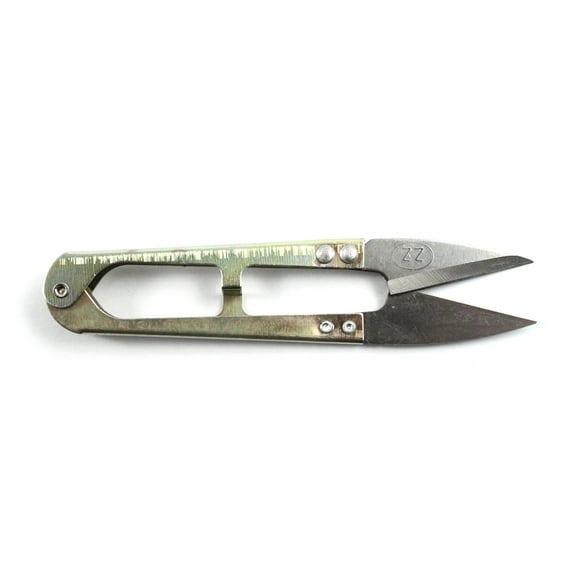
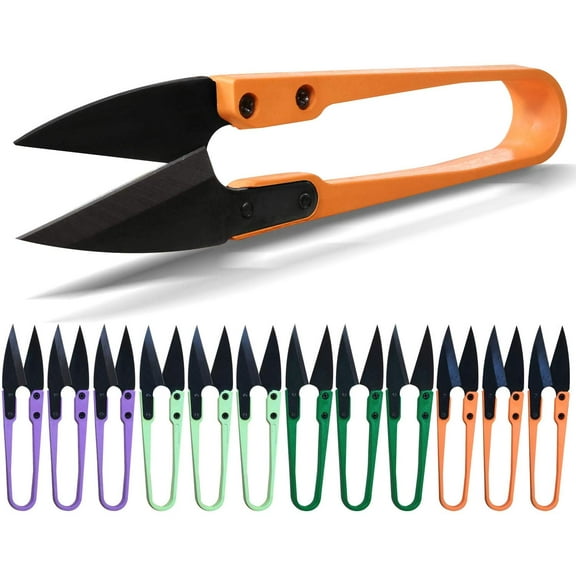
- Compact blades support thread snipping, appliqué work, and precise trimming around seams.
- Offset handles help the lower blade stay level with fabric for smoother table cuts.
- Different blade lengths give you more control across delicate cloth and thicker textiles.
That mix matters because one tool rarely fits every sewing task. A dressmaker cutting woven fabric needs a different feel than someone trimming embroidery threads.
Choosing fabric scissors and fabric shears
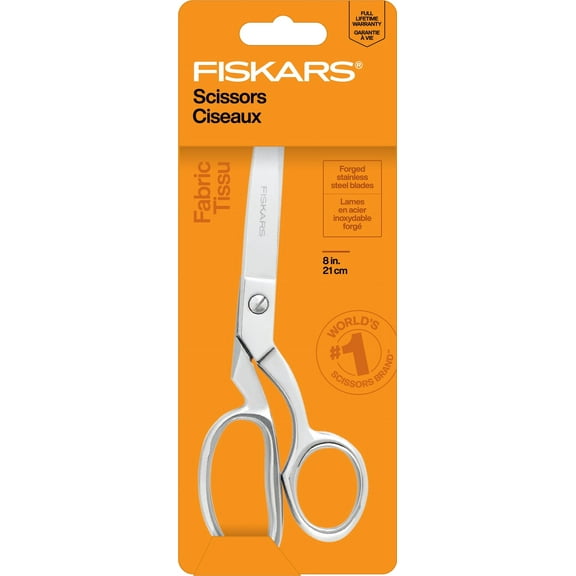
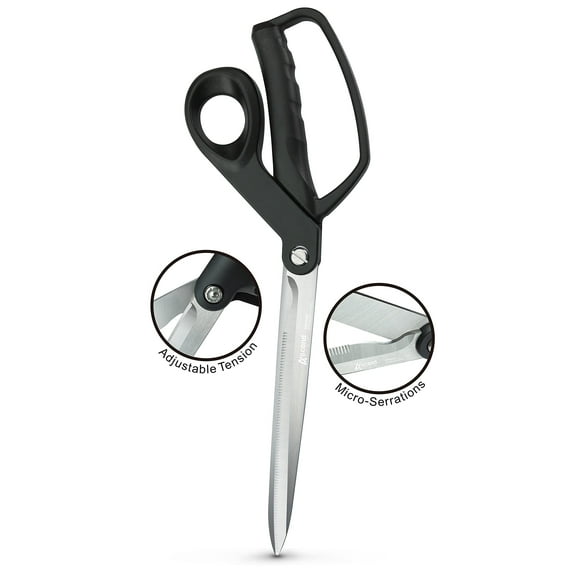
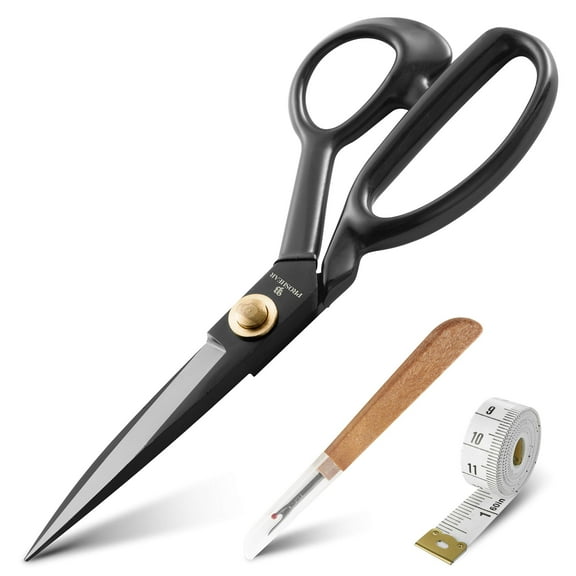
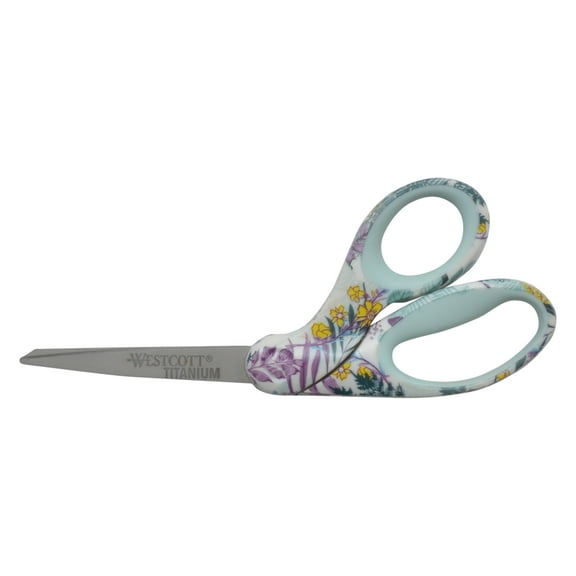
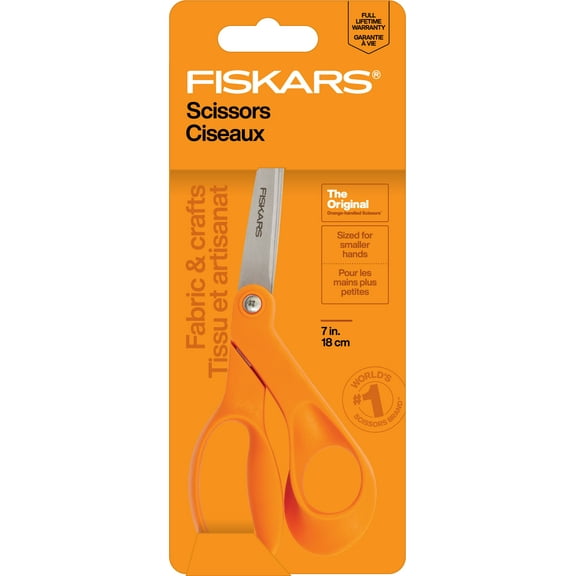
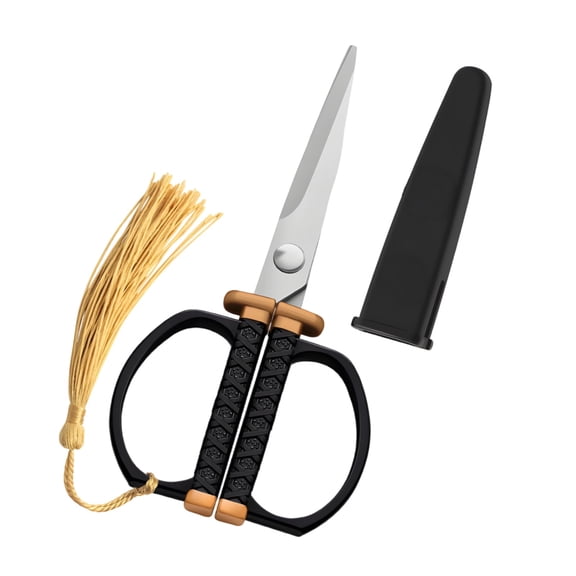
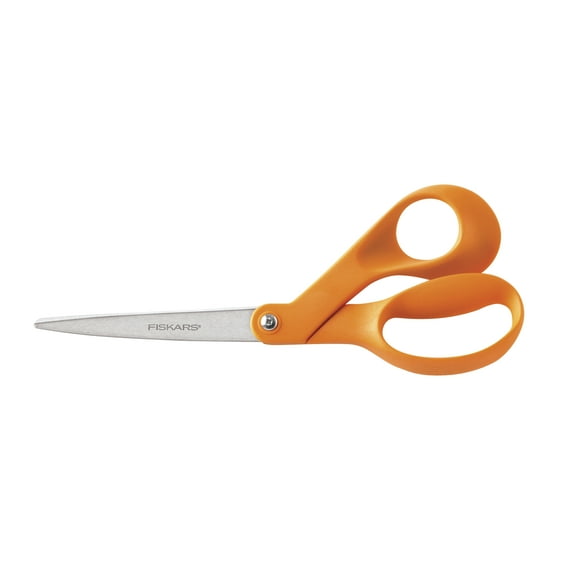
Fabric scissors and fabric shears sound similar, but their shapes often serve different cutting styles. Scissors usually have more symmetrical handles, while shears often feature longer blades and offset grips.
That offset design helps keep material flatter during long cuts across pattern pieces. Itu2019s especially useful when youu2019re cutting garments, curtains, or upholstery panels on a work surface.
Blade length is another key detail when comparing fabric cutting scissors. Longer blades cover more ground, while shorter pairs help with tight corners and notches.
Material compatibility matters too. Lightweight silk, satin, and lining fabric need clean, controlled edges, while denim and canvas call for sturdy cutting action.
Some shoppers want all-purpose sewing scissors for general craft tables. Others need dedicated scissors for cutting clothes, quilting layers, interfacing, or trim.
Look closely at grip size, handle comfort, and blade alignment before choosing. These features affect control during repeated cuts and longer sewing sessions.
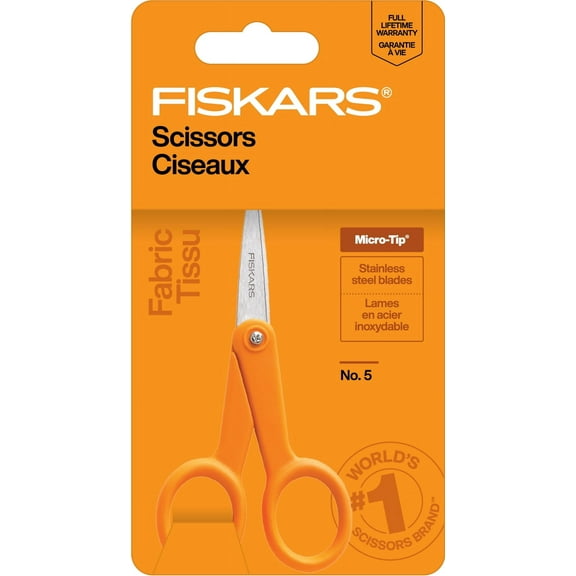
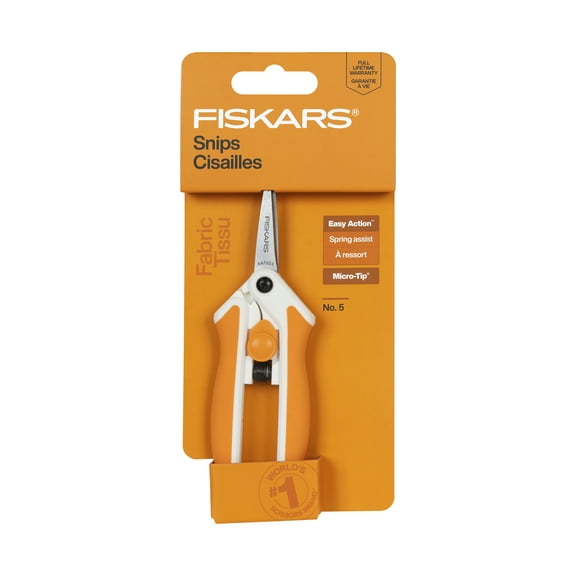
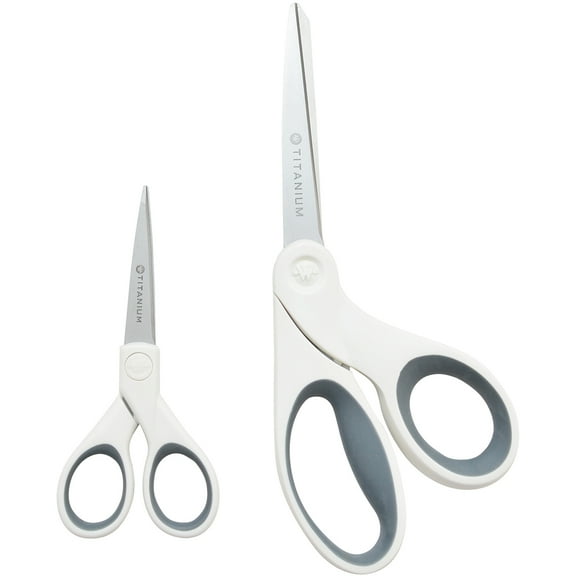
Small sewing scissors are useful for thread tails, buttonholes, and close detail work. Full-size sewing shears handle long seams, pattern layouts, and larger sections of cloth.
Use cases for sewing scissors in real projects
Garment sewing often starts with accurate pattern cutting on folded fabric. Longer fabric shears help create smooth edges on bodices, sleeves, skirts, and pants.
Quilters usually need dependable cuts across cotton, batting, and binding materials. Consistent blades help squares, strips, and templates stay closer to the intended shape.
Home décor projects call for tools that can handle wider panels and repeated straight cuts. Thatu2019s useful for drapes, pillow covers, table linens, and simple upholstery accents.
Crafting setups may need several types of sewing scissors in one workspace. You might keep one pair for fabric, one for threads, and another for paper patterns.
If youu2019re assembling a full sewing station, these tools pair naturally with sewing machines, fabric by the yard, and measuring tools. Matching the cutter to the project helps each step feel more precise.
Beginners often start with a versatile pair for general cloth cutting and a smaller pair for finishing touches. Experienced makers may prefer dedicated tools by fabric weight or task.
Keeping fabric-only blades separate from paper use also supports cleaner cutting performance over time. That simple habit helps preserve a smoother edge for sewing projects.
Care tips for sewing shears and cutting performance
Blade care plays a big role in how fabric scissors feel project after project. Clean blades and proper storage help maintain smoother cutting across woven and knit materials.
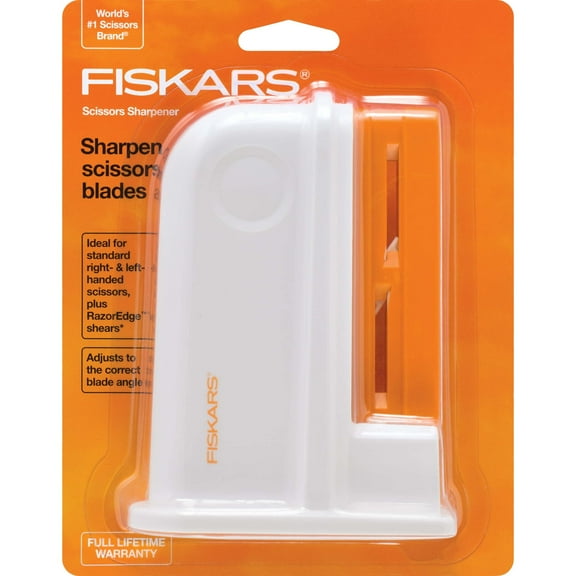
Many shoppers also want tools that are easy to sharpen when needed. That can extend the usable life of sewing shears used for frequent cutting sessions.
Store pairs closed and dry between uses for a tidier sewing area. A protective cover or dedicated drawer helps keep blades ready for the next project.
It also helps to choose the right tool for the fabric at hand. Using detail scissors on thick layers can feel awkward, while oversized shears may crowd small patterns.
When the blade style matches the material, cutting feels steadier and more controlled. Thatu2019s the kind of difference you notice on hems, curves, facings, and trim pieces.
Find the right fabric scissors for your setup
Whether youu2019re cutting quilting cotton, tailoring garments, or trimming threads, the right fabric scissors support cleaner lines and steadier hands. A well-matched pair helps every pattern piece, seam allowance, and final edge look more polished.