

Outdoor Hats in Outdoor Clothing Accessories

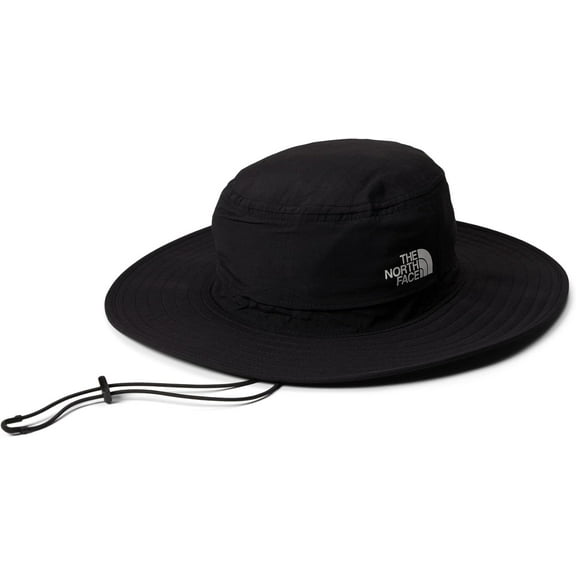
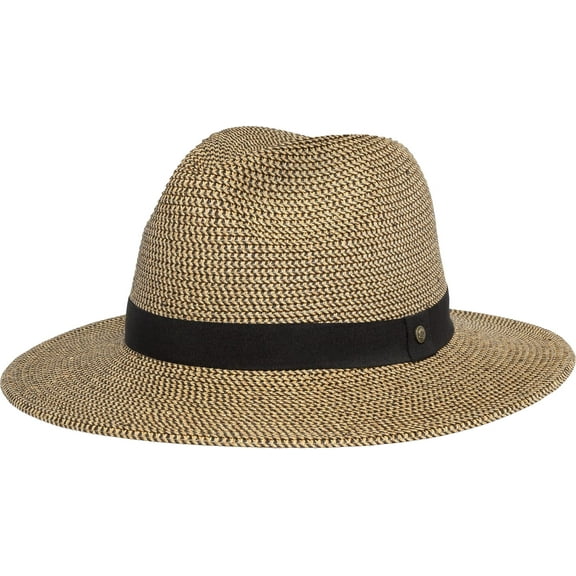
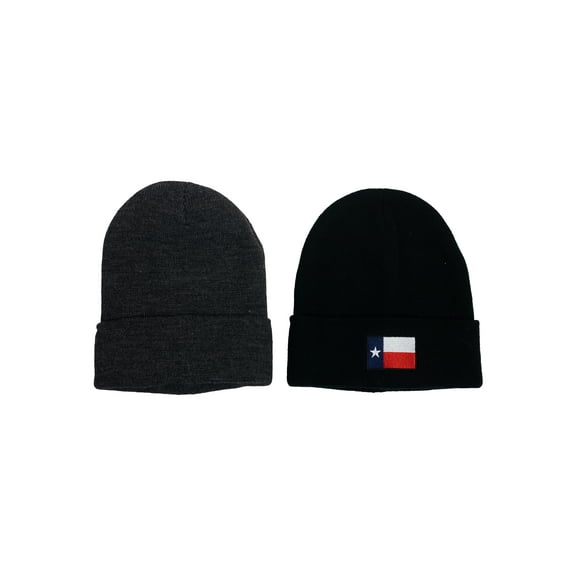


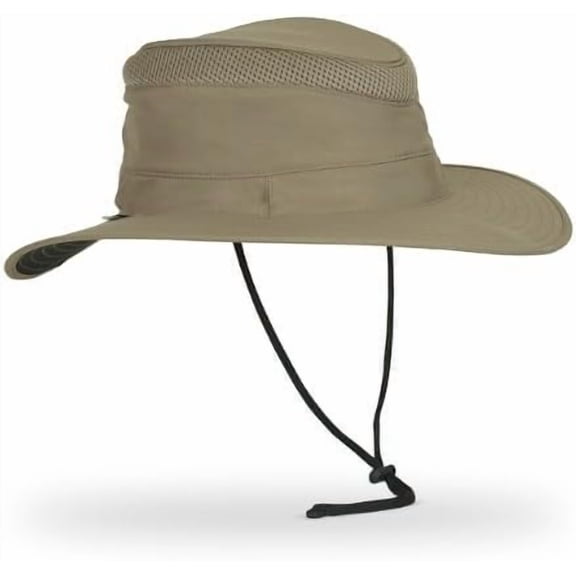





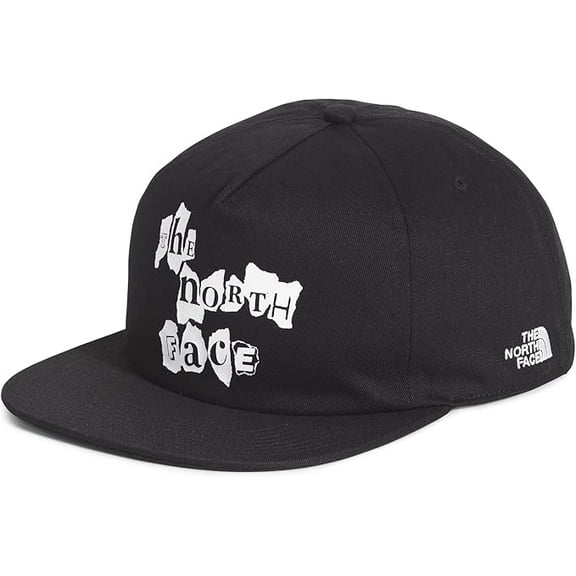
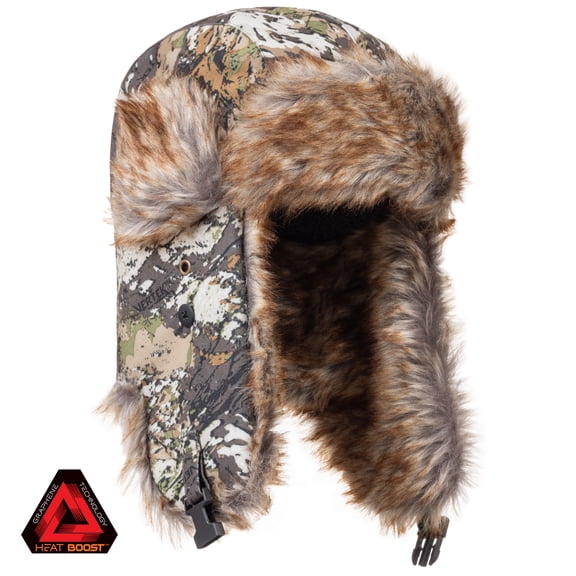


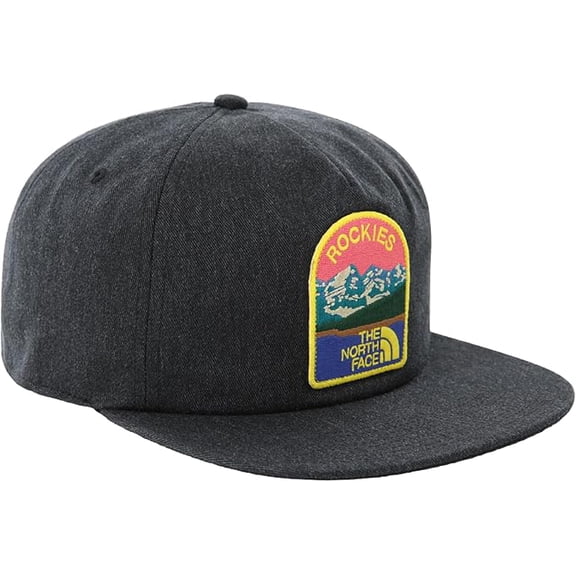
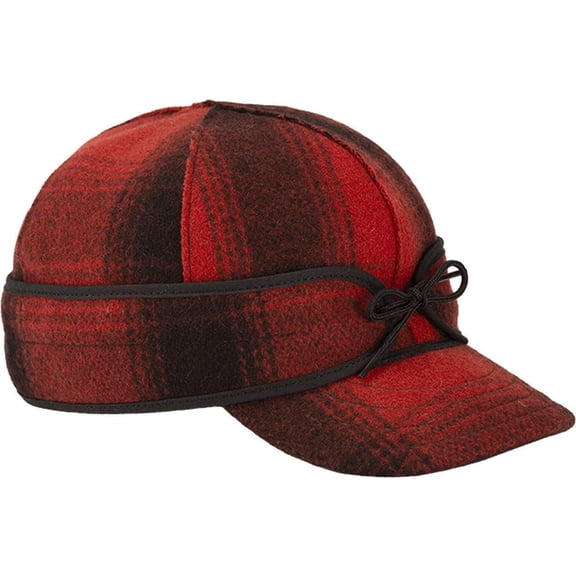



About Outdoor Hats in Outdoor Clothing Accessories - Walmart.com
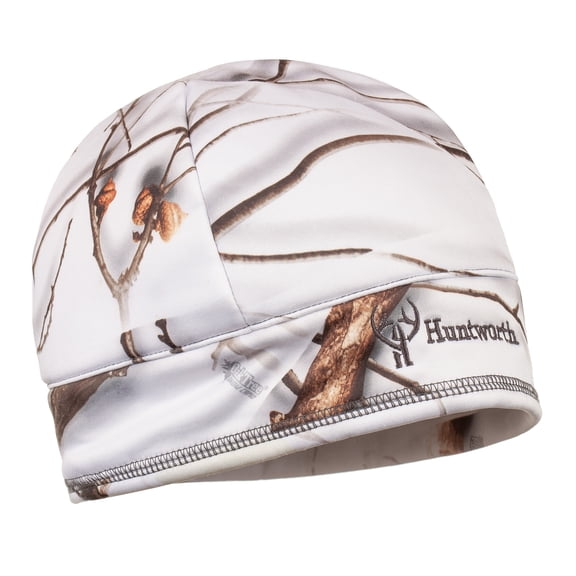
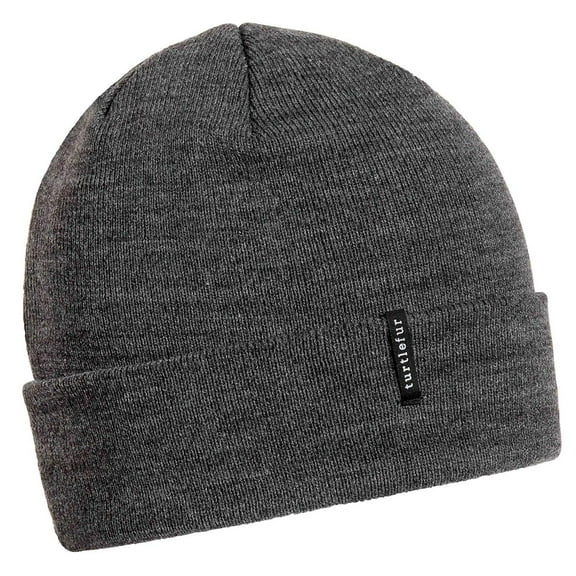
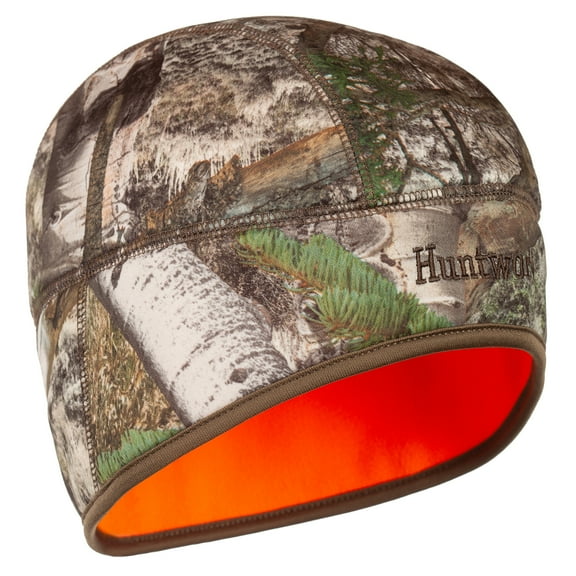
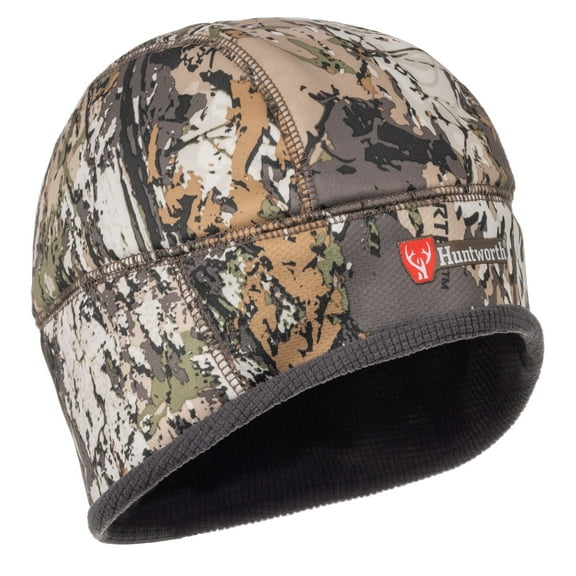
You can narrow outdoor headwear fast when you start with a vortex beanie and compare weather coverage, fit, and activity use. You’ll also find category choices that suit trails, golf rounds, winter walks, and everyday outdoor wear.
Because this page spans several outdoor hats, you’ll want clear decision points before you choose a style. You can compare beanies, bucket hats, baseball caps, and sun hats by season, coverage, and fabric feel.
How to choose a vortex beanie and other outdoor hats
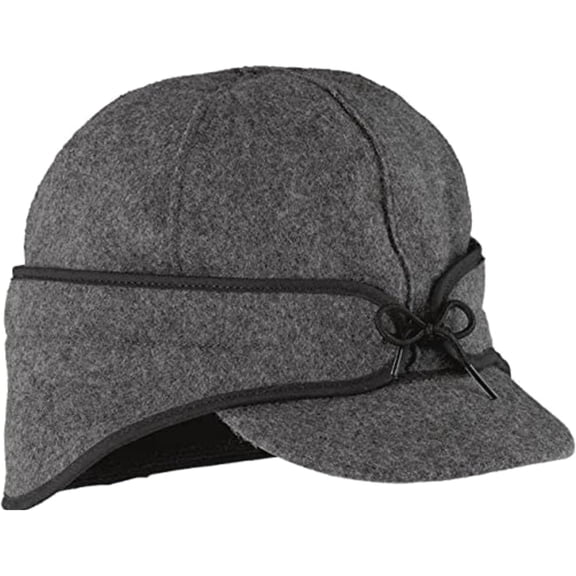
You may start with hat style because shape changes coverage and comfort right away. You’ll usually pick a beanie for cold air, a bucket hat for all-around shade, or a cap for active movement.
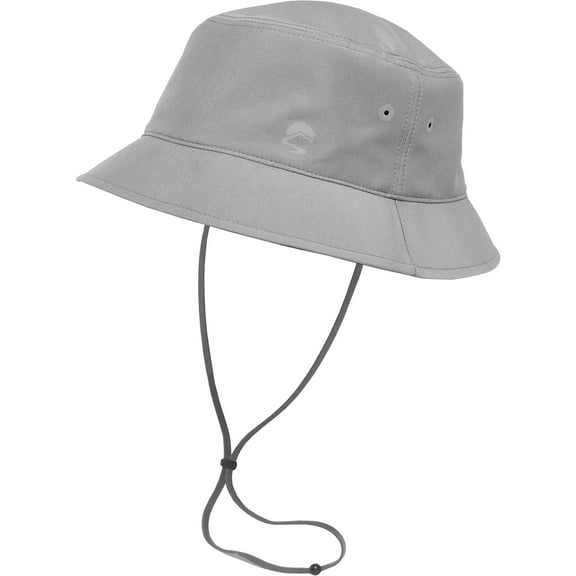
When you compare a vortex beanie with a sun hat, you’re really choosing between warmth and brim coverage. You can also use a bucket hat when you want softer structure and a wider field of shade.
Your activity matters just as much as your weather. You may want outdoor sports headwear that stays put on hikes, feels light on runs, or looks relaxed for casual weekends.
- You can get closer ear coverage from a beanie during cold-weather outings.
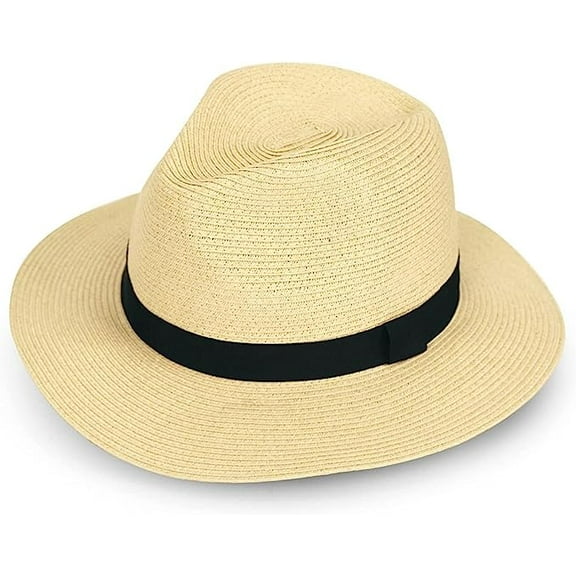
- You can get fuller face and neck shade from bucket hats and sun hats.
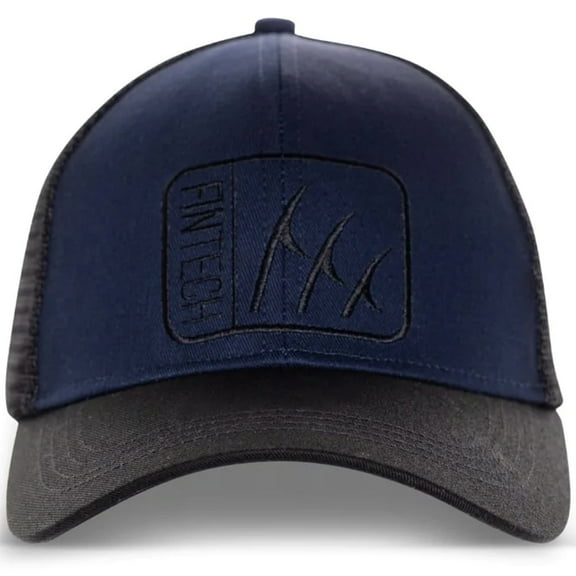
- You’ll often prefer baseball caps when you want a familiar brim and easy adjustability.
- You can match outdoor hats to hiking, golf, casual wear, and other outdoor sports.
Choosing weather protection and fabric performance
You should compare weather protection first because that choice affects comfort through the whole outing. You can look for thermal insulation index details for warmth or UPF rating details for sunny conditions.
If you expect cold wind, you’ll likely focus on knit coverage and thermal fabrics. If you expect direct sun, you’ll want wider brims, lighter fabrics, and a clear UPF rating.
You may also compare water-resistant finishes when your plans include damp mornings or changing forecasts. You’ll appreciate that feature when your hat outdoor gear needs to keep its shape longer.
Breathability matters when your pace increases or temperatures shift during the day. You’ll want moisture-wicking materials that move sweat away and help your head feel drier.
When you read technical specs, you should connect them to real use. A higher UPF rating means your hat provides stronger sun coverage, while thermal insulation index points to added cold-weather comfort.
What to look for in fit, adjustment, and comfort
You should check fit before color because comfort decides whether you’ll keep wearing the hat. You can compare stretch fit beanies, adjustable strap caps, and structured or unstructured crowns.
If you like a close feel, you’ll often choose a beanie with stretch that hugs your head. If you want flexible sizing, you’ll usually look for an adjustable strap at the back.
You may also want to measure how much coverage sits over your ears, forehead, and neck. You’ll notice that brim width and crown depth can change how secure a hat feels in motion.
For long walks or active days, you should check whether seams, lining, or fabric weight feel comfortable. You’ll often prefer lighter materials for movement and thicker knits for colder conditions.
You can also compare how easily a hat packs into a bag or jacket pocket. You’ll find softer hats compress more easily, while structured brims hold their shape for repeat wear.
Comparing collections and outdoor use cases
You may shop by collection when you already know the look or fit you prefer. You can compare a bushwood hat, a vortex beanie, or options linked to the north face pride collection.
When you review collections, you should still compare style, coverage, and activity match first. You’ll make a cleaner choice when you focus on brim type, knit weight, and adjustability.
For hiking, you’ll often want outdoor hats that balance shade, airflow, and a secure fit. You can choose a bucket hat for trail sun, or you can choose a cap for lighter, streamlined wear.
For golf or casual afternoons, you may prefer a baseball cap with an adjustable strap and breathable fabric. You’ll keep a familiar profile while getting practical sun coverage on open courses.
For winter commutes, cold campsites, or stadium nights, you’ll likely reach for a vortex beanie first. You can pull knit styles lower for ear coverage and pair them with heavier outerwear.
If your plans mix changing weather and steady movement, you should compare moisture-wicking fabrics and water-resistant finishes. You’ll get outdoor headwear that feels more comfortable across different conditions.
How to match outdoor hats to your routine
You can build a small rotation when your week includes different outdoor settings. You might keep a beanie for cold mornings, a cap for active afternoons, and a sun hat for bright weekends.
Your routine can also guide fabric choices. You’ll often want breathable materials for repeated wear, compact packability for travel, and easy-care construction for frequent outings.
When you choose with style, weather, and fit in mind, you’ll narrow the category without second-guessing. You’ll end up with outdoor hats that feel right for the season and your pace.