

Super Glue in Adhesives & Glues


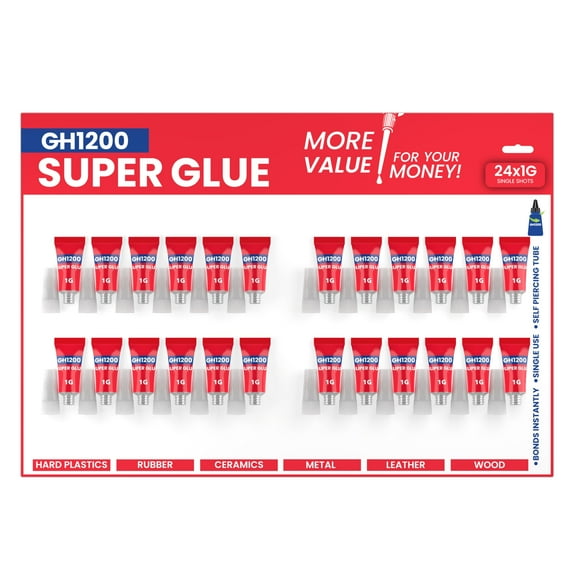
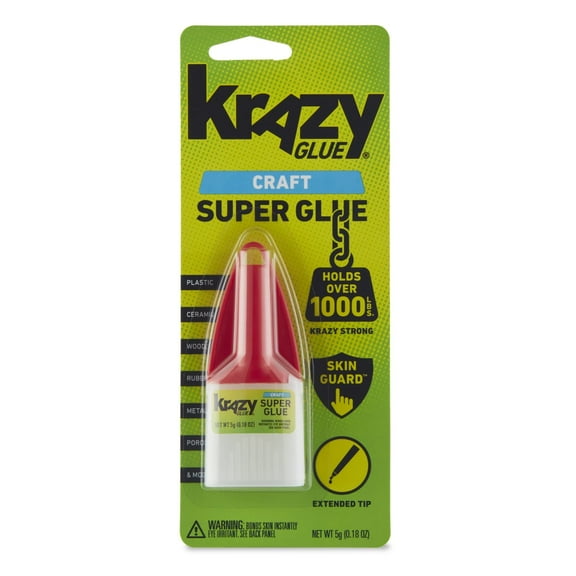





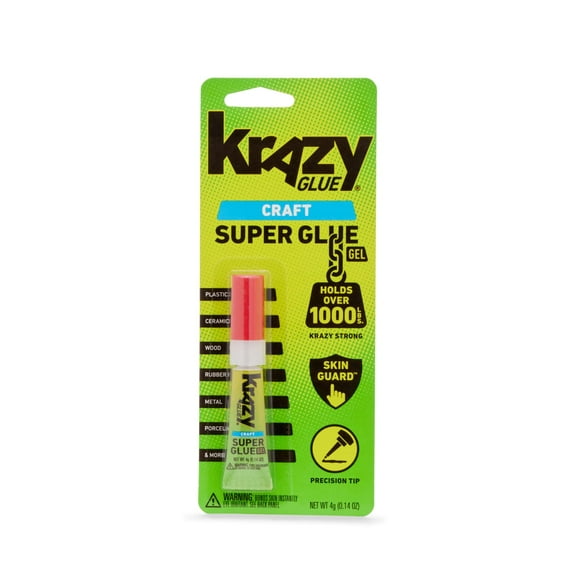
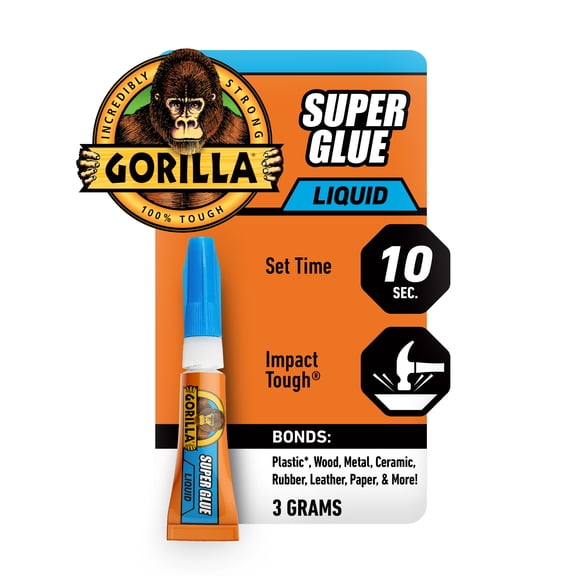
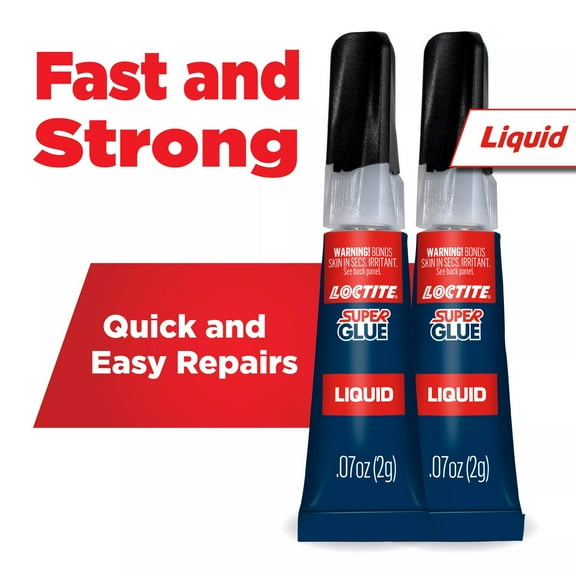
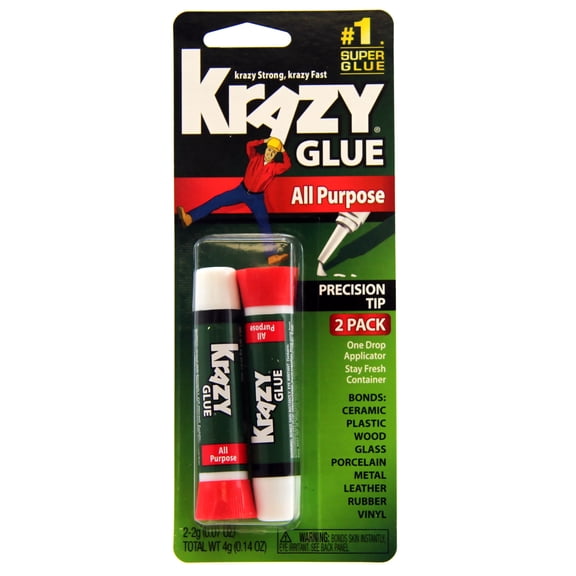
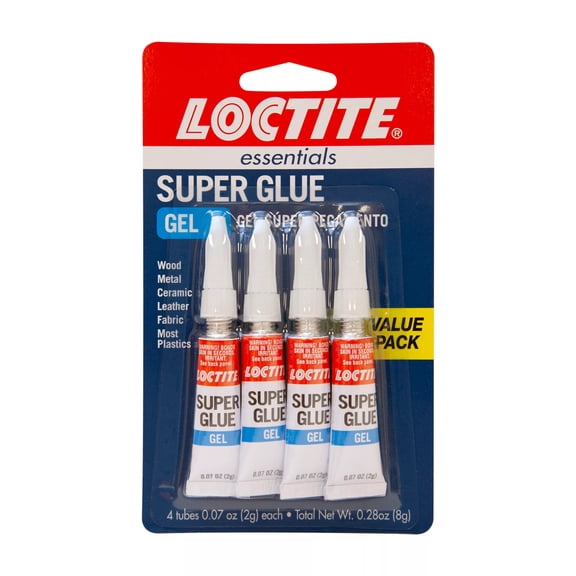
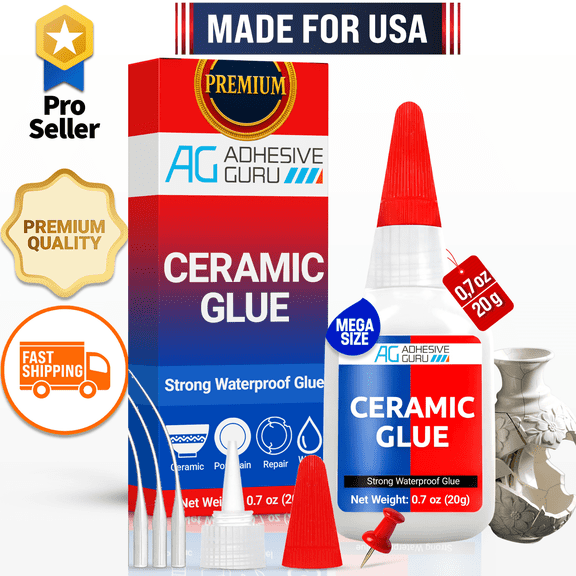
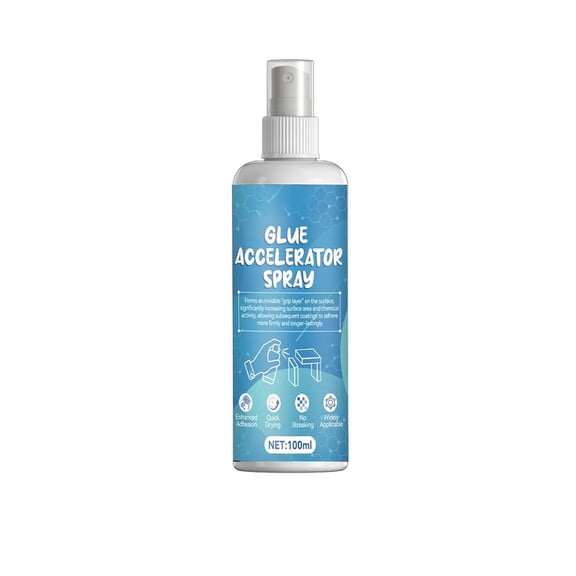













About Super Glue in Adhesives & Glues - Walmart.com
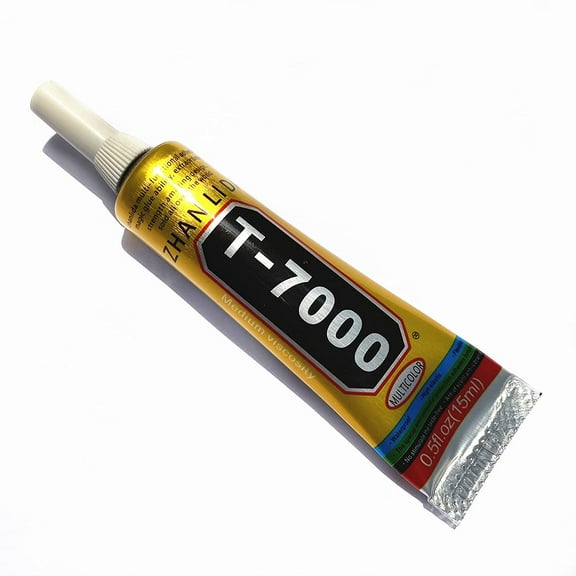
Super glue helps you handle quick household repairs with precise placement and material-specific options for plastic, wood, metal, ceramic, and glass. You can compare gel, liquid, and brush-on formulas to match vertical repairs, tight cracks, and detailed craft work.
When you shop this category, you’re usually weighing control, cure time, and surface compatibility for the repair in front of you. You’ll also want formula choices that fit smooth plastics, small metal parts, chipped ceramic edges, and clear glass pieces.
Choosing the right super glue by formula type
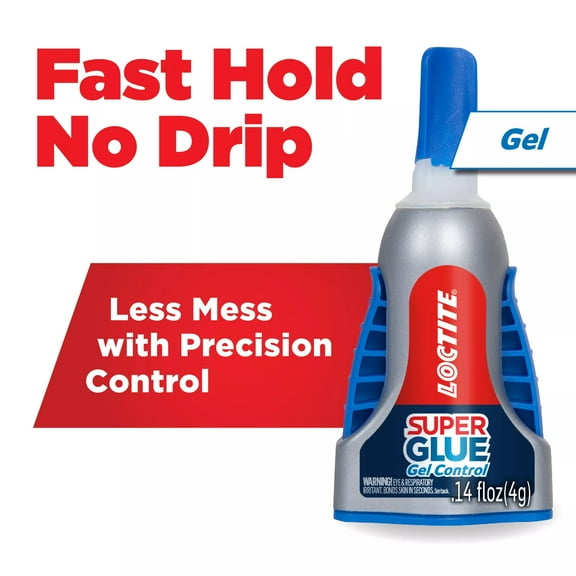
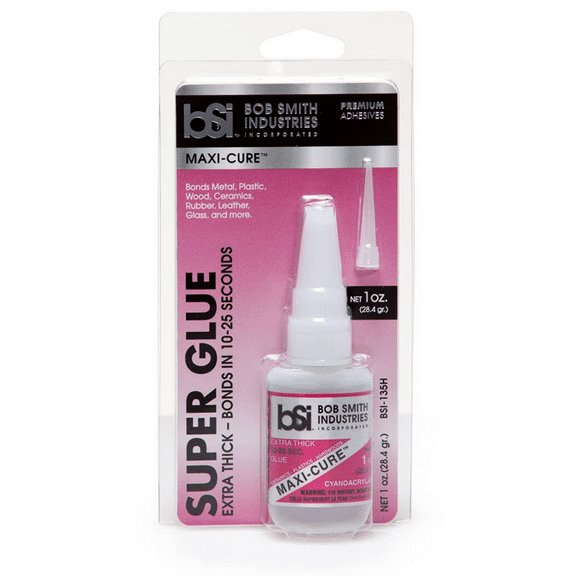
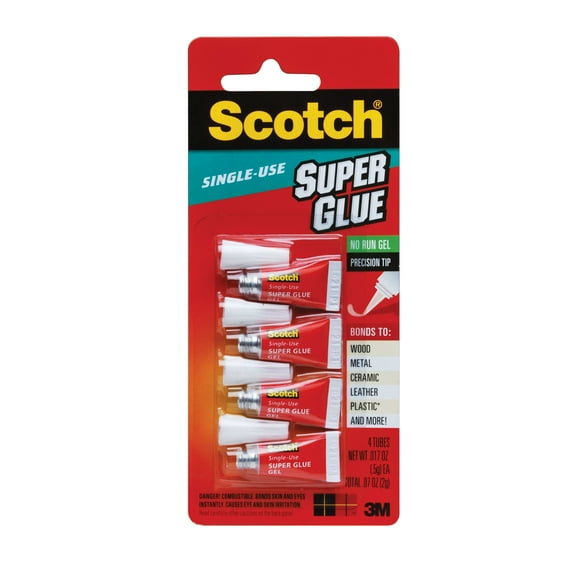
You should start with formula type because it affects how the adhesive moves and where you can place it. You can use gel super glue when you want a thicker formula that stays where you put it.
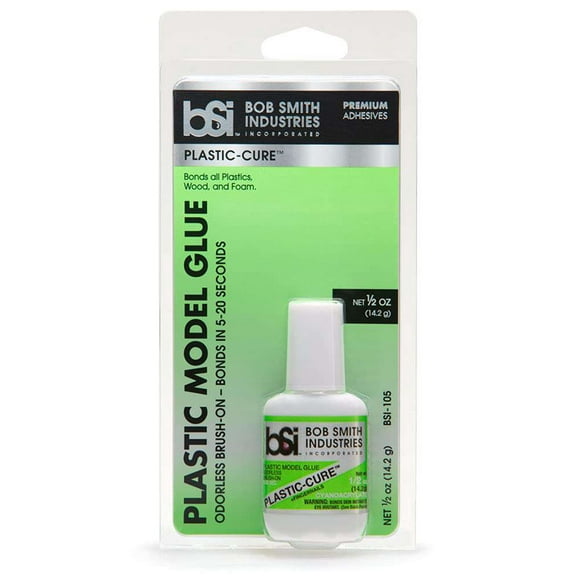
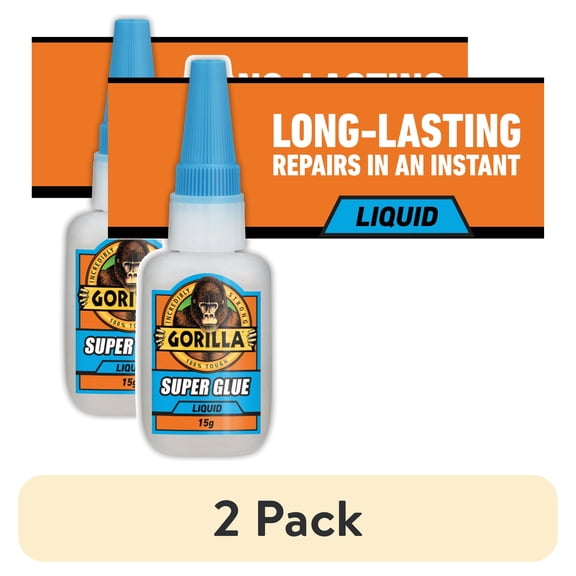
With liquid super glue, you get a thinner formula that flows into narrow seams and hairline cracks. You can use brush-on styles when you want even coverage across wider surfaces or edge-to-edge contact.
- You can choose gel when you need a non-drip option for vertical repairs.
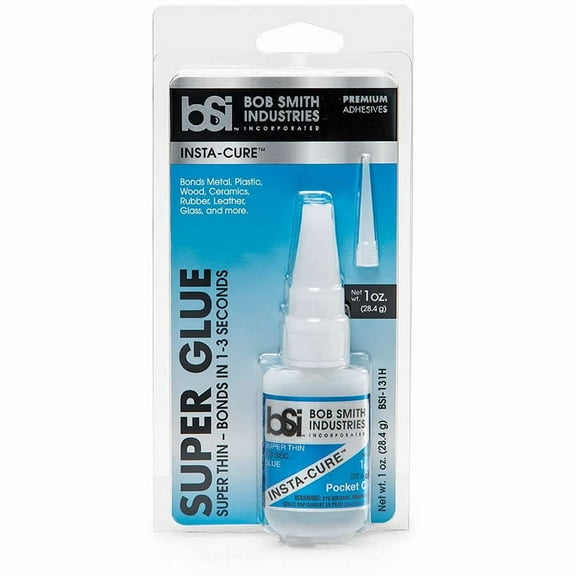
- You can choose liquid when your repair has tight gaps or fine cracks.
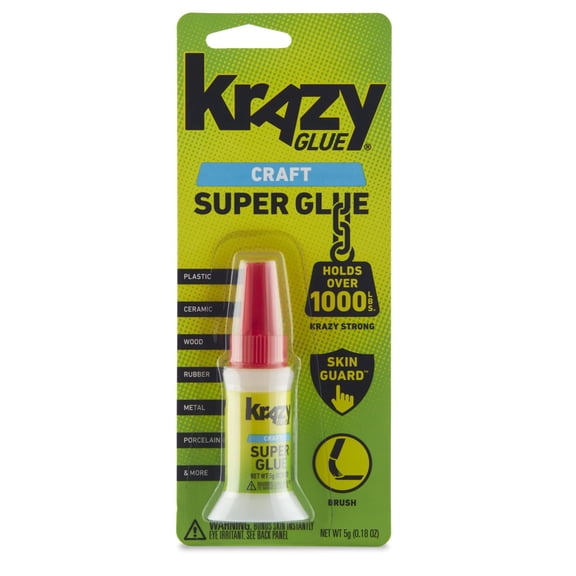
- You can choose brush-on formulas when you want controlled spread across flat areas.
- You can compare instant and quick-dry options when timing matters during assembly.
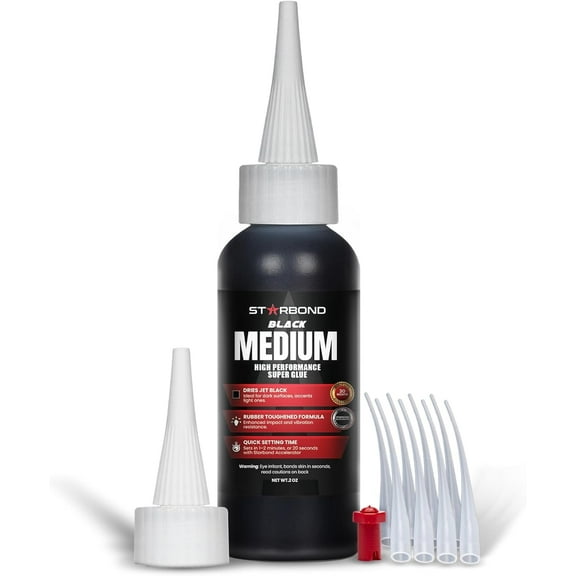
Because applicator style affects cleanup and placement, you should compare nozzle shape, brush design, and bottle size. You’ll often find precision super glue options helpful for small parts, hobby pieces, and detailed repairs.
Choosing super glue for plastic, wood, metal, and more
You should begin with material compatibility because different surfaces need different bonding agents and cyanoacrylate types. You can quickly narrow your choice when you match the adhesive to plastic, wood, metal, ceramic, or glass.
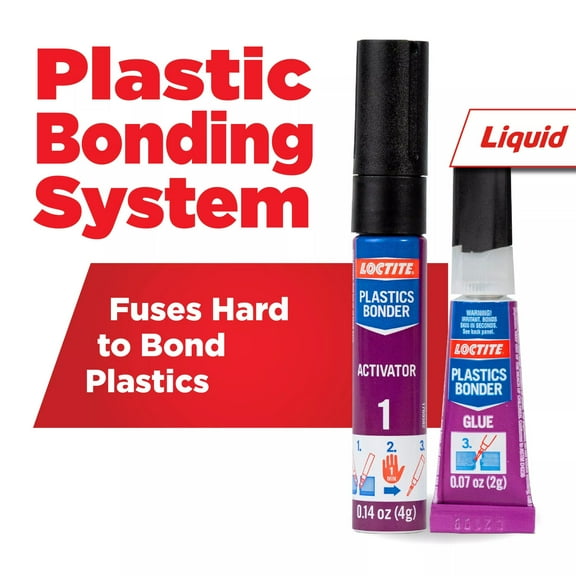
If you need super glue for plastic, you should check whether the formula is designed for smooth, rigid surfaces. You’ll want that guidance because some plastics need a specialized cyanoacrylate blend for neat adhesion.
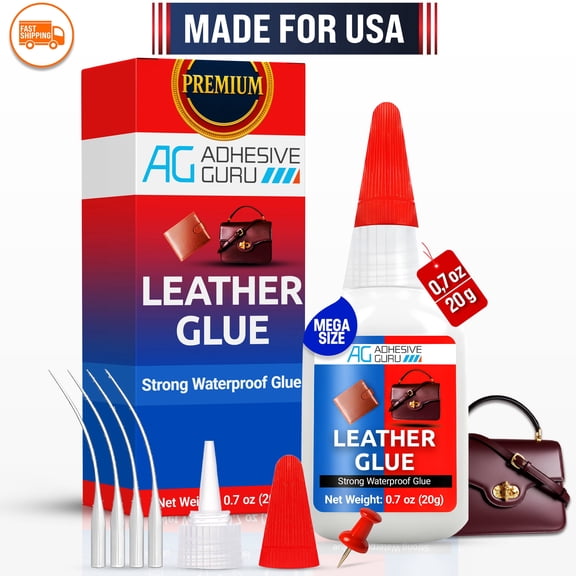
For wood, you may prefer a formula that gives you control along edges, corners, and small chips. For metal, you’ll want a bond that suits firm contact points and carefully aligned parts.
Ceramic and glass repairs usually call for steady placement and a neat finish around visible edges. You can use thicker formulas on curved pieces when you don’t want adhesive to run before bonding.
What to look for in cure time and bond control
You should compare set time separately from full cure because those stages affect how you work. You may get an instant grab in seconds, but you’ll often need more time before the bond fully develops.
Quick-dry formulas can help you finish simple fixes quickly when you’re reattaching trim, handles, or decorative pieces. Slow-cure options can give you a little more positioning time when alignment matters on small parts.
You’ll also want to check applicator precision if your repair involves tiny surfaces or close-set pieces. A narrow tip can help you place small amounts neatly, while a wider opening can suit larger contact areas.
When you compare these details, you can avoid using too much adhesive on delicate repairs. You’ll get a neat result when the cure speed matches your setup time and the applicator matches your project size.
Comparing waterproof super glue and water resistance
You should think about moisture exposure before choosing a formula for bathrooms, kitchens, garages, or outdoor items. Waterproof super glue and water-resistant options can suit different conditions, depending on how often the bond gets wet.
Water-resistant formulas may work well when you expect occasional splashes or damp storage conditions. You should look for waterproof super glue when you need reliable performance around repeated water exposure.
Temperature changes also matter when you’re repairing items used outdoors or stored in vehicles and sheds. You can compare product details to check whether the formula fits seasonal changes and exposed surfaces.
How you can match super glue to common projects
You can use gel formulas for vertical repairs, chipped ceramic edges, and quick fixes on decorative items. You’ll appreciate the thicker texture when you need placement control and less running on upright surfaces.
Liquid formulas fit narrow cracks in plastic housings, small metal parts, and delicate craft assemblies. You can let the thinner adhesive flow into tight spaces where a thicker formula may not reach evenly.
Brush-on options can make sense for flat contact areas, model making, and trim pieces that need even coverage. You should consider them when a broad, controlled layer helps you avoid puddling at one point.
For household repairs, you may compare instant super glue for quick touch-ups and slower-curing formulas for careful alignment. You’ll get more confidence when the formula matches the material, moisture level, and repair size.
With the right super glue, you can handle detailed repairs with precise placement and less guesswork. You’ll get a reliable bond when you match formula type, compatibility, cure time, and water resistance to your project.