

RotoZip Tools and Accessories for Home Projects















About RotoZip Tools and Accessories for Home Projects - Walmart.com
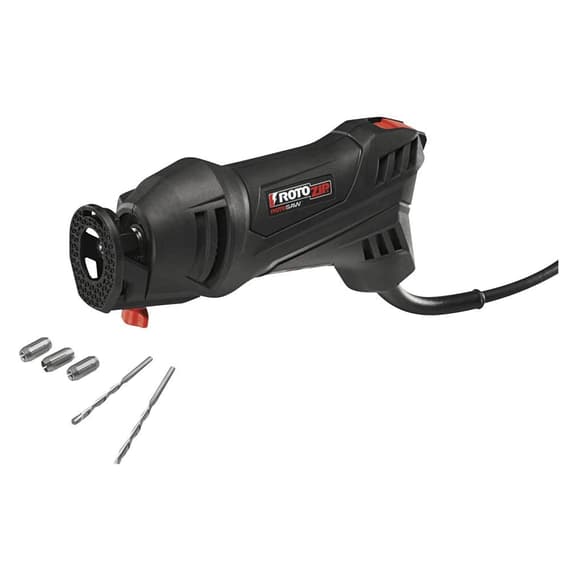
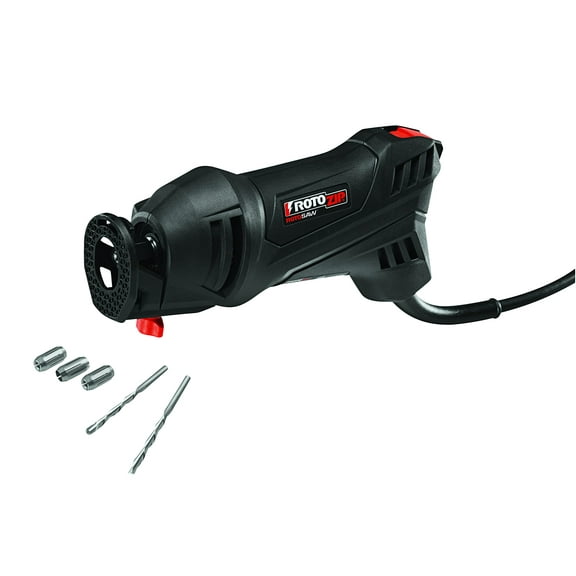
Rotozip tools help you make precise cutouts in drywall, tile, wood, and metal. You can compare spiral saws, rotary tools, and attachments by project and material.
If you're replacing a worn tool or building a new kit, you need choices that match your cut style. You can also narrow your search by attachment type, model series, and power setup.
Choosing the right rotozip tool type
You should start with tool type because each option fits a different kind of work. You may prefer a spiral saw for cutouts, a rotary tool for detail work, or a cut-off tool for straight trimming.
When you compare these styles, you can focus on how you move through the material. You'll usually want a spiral saw for outlet boxes, vent openings, and drywall repair patches.
For tile or grout tasks, you may want a tool that accepts application-specific bits and guides. You can also look for a body shape that feels controlled in tight corners.
- You can use spiral saws for quick cutouts in drywall panels.
- You can choose rotary tools when your project needs smaller, detailed passes.
- You can pick cut-off tools when your job calls for direct trimming along edges.
- You can match the tool shape to overhead work, wall work, or bench work.
How to compare rotozip materials and bit fit
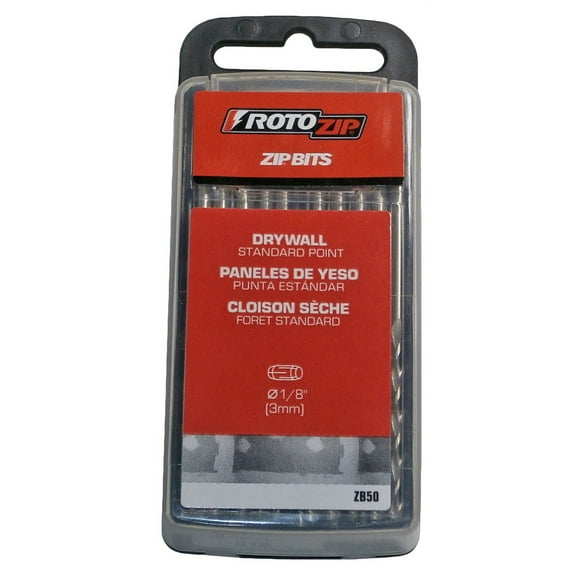
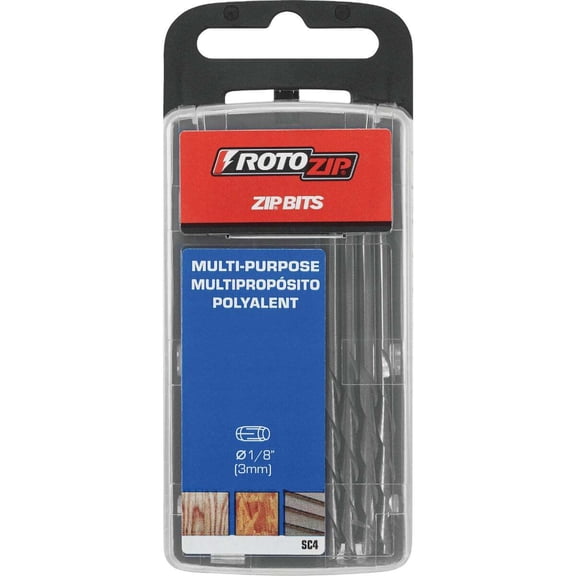
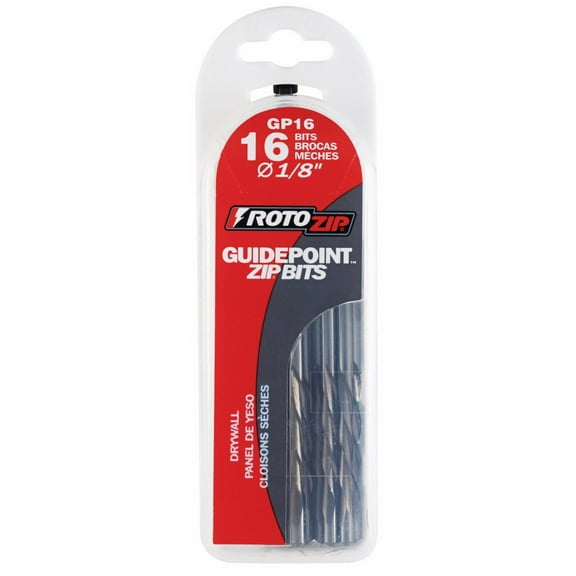
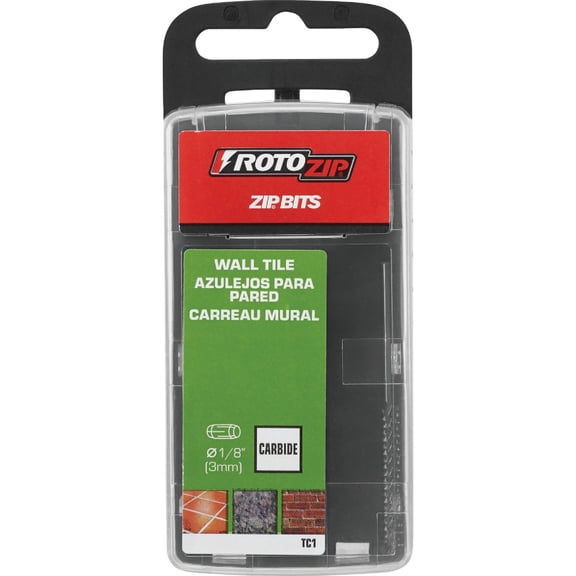
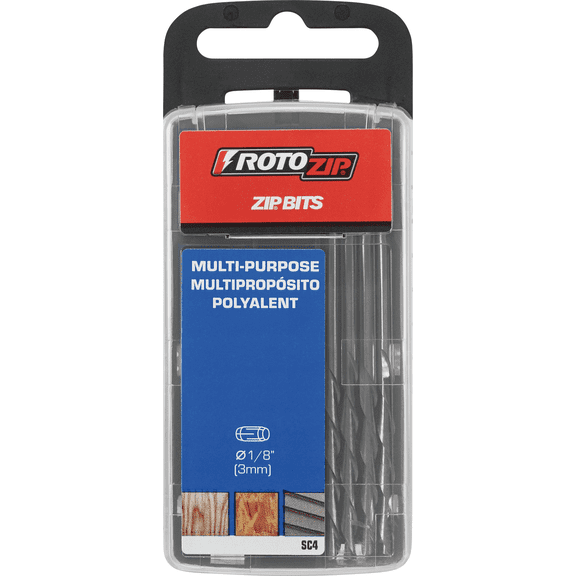
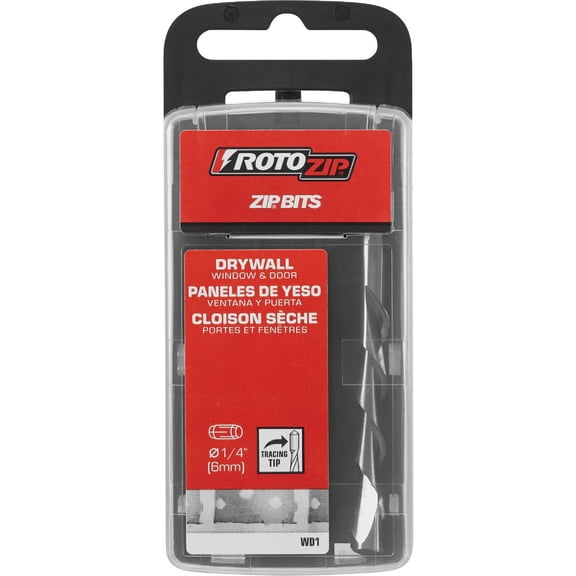
You should check compatible materials before you choose a tool or accessory. Your project may involve drywall, ceramic tile, wood, or metal, and each material calls for the right bit.
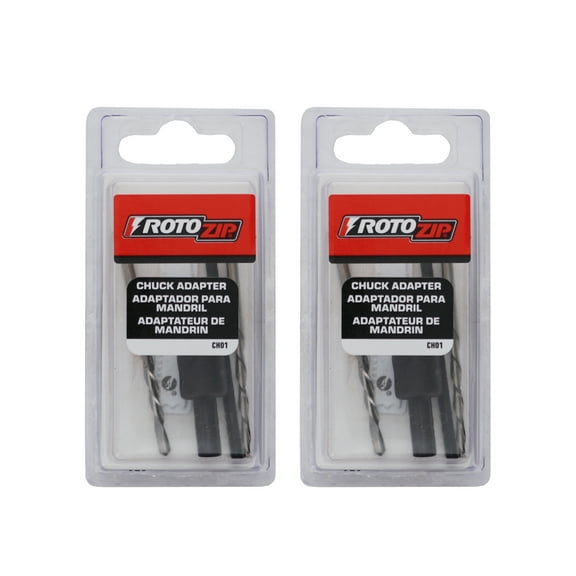
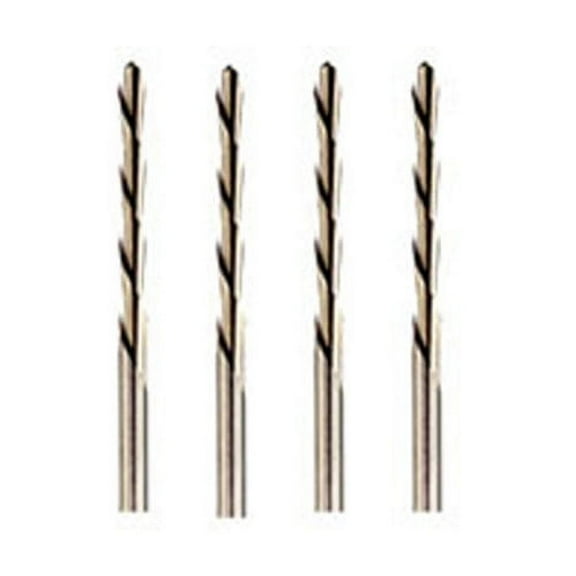
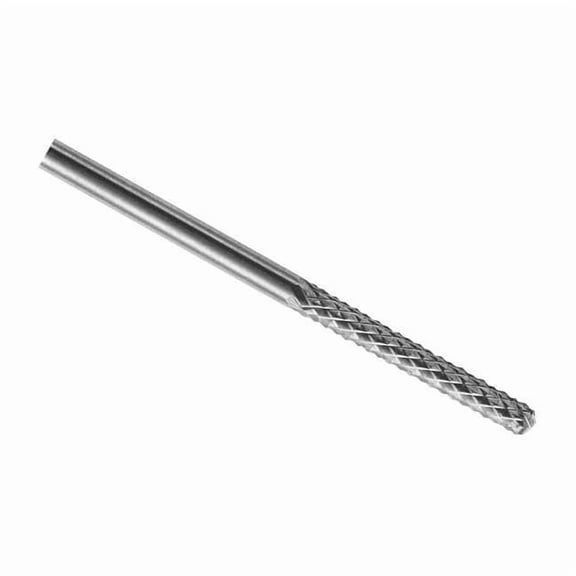
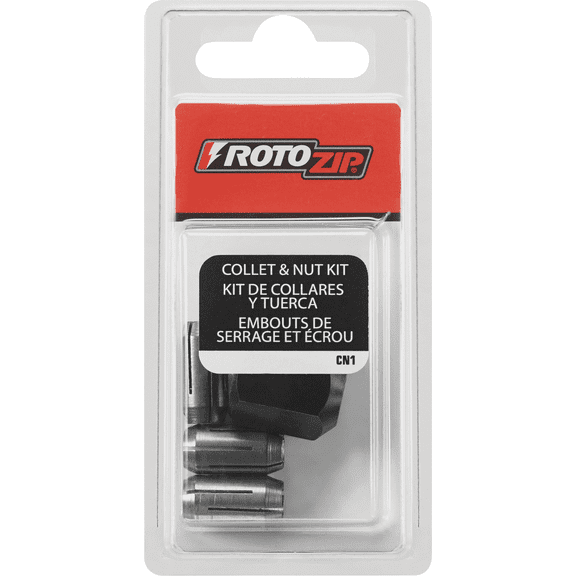
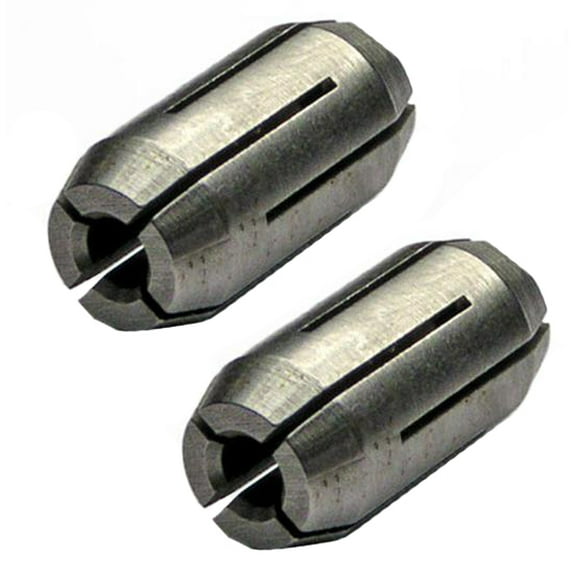
You can also compare collet size and bit shank diameter before you commit. Those details help you confirm that your bits fit correctly and suit your intended application.
If you switch between drywall and tile, you may want a setup that supports multiple bit types. You'll notice that material fit matters when you need cleaner edges and steadier control.
For wood or light metal trimming, you should confirm the tool and accessory pairing first. Your results often depend on matching the bit style to the material hardness and cut path.
Choosing attachments, including rodo zip and rotozip right angle attachment options
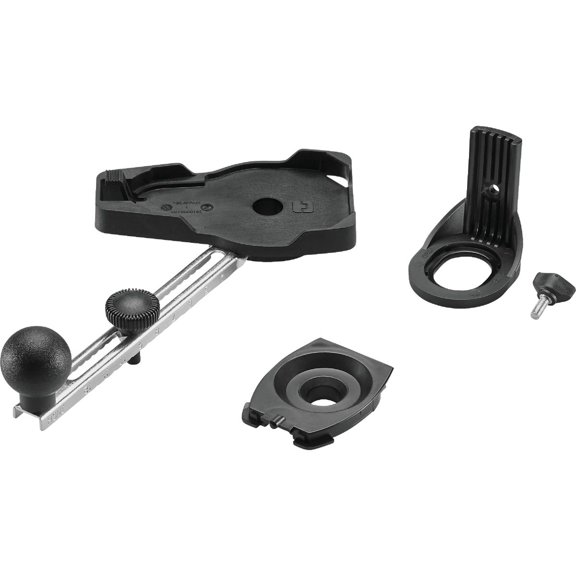
You should compare attachments as carefully as you compare the main tool. Your setup can become more flexible when you add dust collection, circle cutter guides, or a rotozip right angle attachment.
A right angle attachment can help you reach narrow cabinets, tight framing gaps, and awkward corners. You may also want dust management options when your workspace needs cleaner visibility during indoor projects.
If you've searched for rodo zip or roto zip accessories, you likely want attachment compatibility explained clearly. You can check connection style, intended task, and model fit before you choose an add-on.
Circle cutter guides can help you plan round openings for recessed fixtures or vent access points. You can use those guides when your project calls for repeatable sizing instead of freehand cuts.
What to look for in power and speed
You should think about power source early because it changes how you work. You may want corded power for longer sessions or cordless convenience for movement around the jobsite.
Motor speed matters when you need control across different materials and attachments. You can look for speed options that fit fine detail work, cutout tasks, or accessory-driven applications.
If you work in one area for long periods, you may appreciate the steady output of a corded tool. If you move between rooms, you may prefer the flexibility of cordless use.
You should also consider grip balance and switch placement during longer projects. Your comfort can matter when you guide the tool around outlet boxes, tile lines, or trim details.
Matching model series and project use
You can compare model series when you want a familiar replacement or a compatible addition. Your search may include older names like rotozip rz1 or later series such as RZ5, RZ10, and RZ20.
Model series can matter when you check attachment fit, collet details, and accessory support. You should verify those points if you're adding bits or replacing a tool in an existing kit.
For drywall cutouts, you may want a setup that stays easy to guide around boxes and openings. For tile grout removal, you may want attachment support that suits narrow lines and careful passes.
If you handle mixed household repairs, you can build a kit around material range and attachment options. Your choice becomes easier when you compare tool type, material fit, dust control, and model family together.
Rotozip shopping works well when you compare the exact decisions that shape your project results. You can choose a tool and attachment setup that fits your material, workspace, and cut style with more confidence.
Popular in RotoZip Tools and Accessories for Home Projects - Walmart.com
- Best Sellers In Home Improvement Power Drill Bit Sharpeners
- Best Sellers In Power Drill Bit Sharpeners
- Rock Separator
- Jointing Block
- Drill Sharpeners
- Power Tool Parts Accessories Delta
- Turning Tools Cut Off
- Atd Tools Additional Electrical Tools
- Drill Bit Sharpening Jig
- Cutting Hole In Tile With Angle Grinder
- Bit Sharpener Drills
- Rikon Turning Tools