

Crescent Wrenches in Wrenches




















About Crescent Wrenches in Wrenches - Walmart.com
Crescent wrenches help you handle changing fastener sizes with one tool, and you can compare jaw capacity, length, and finish for your projects. You’ll also find adjustable wrenches that fit tight spaces, general repairs, and heavier garage tasks.
How to choose crescent wrenches by type
When you compare crescent wrenches, you should start with wrench type and your usual tasks. You may prefer adjustable, crescent, wide jaw, or pocket styles depending on space and bolt size.
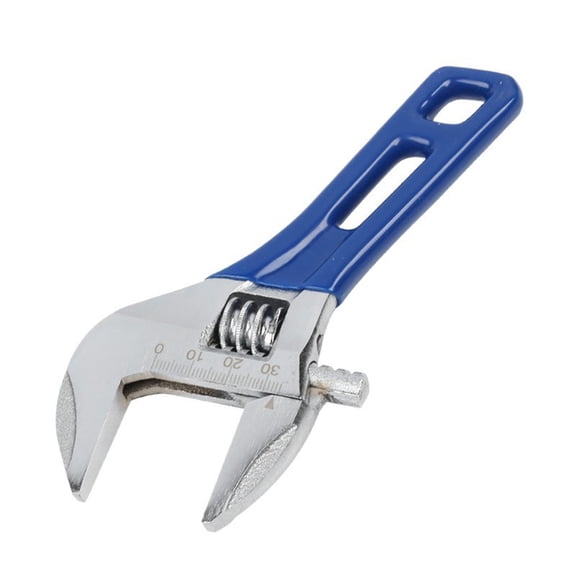
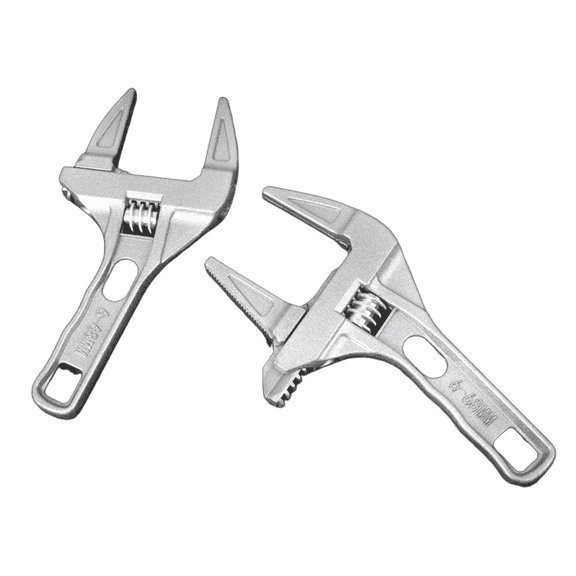
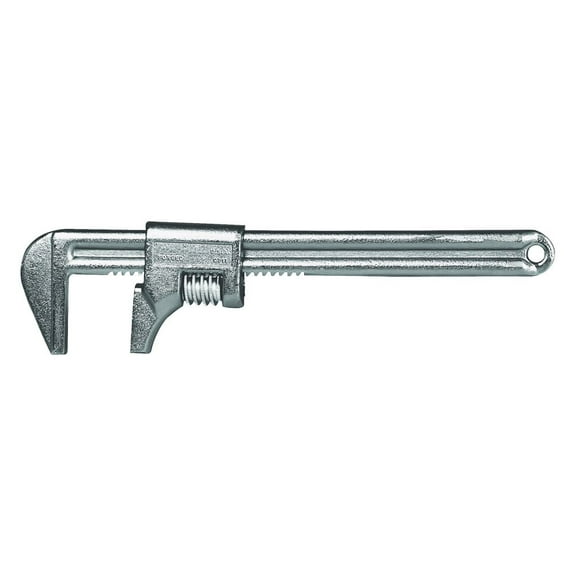
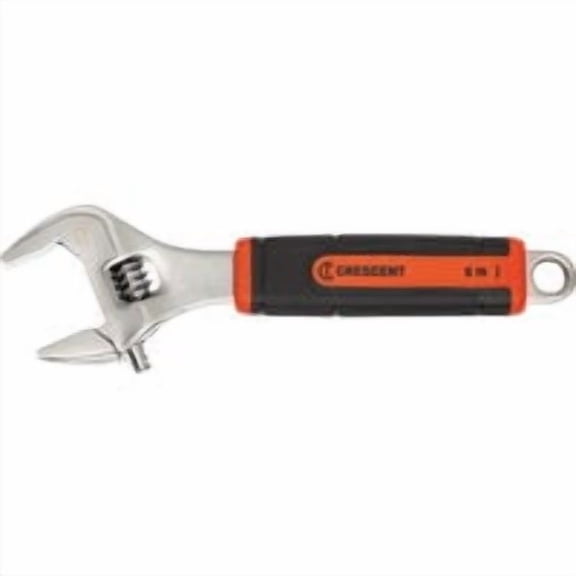
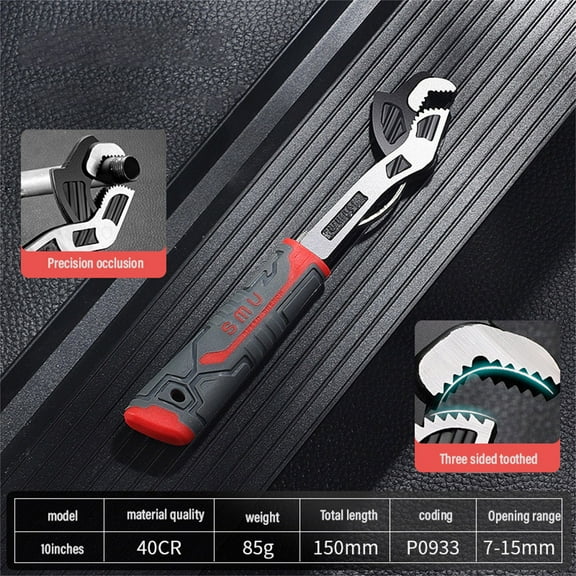
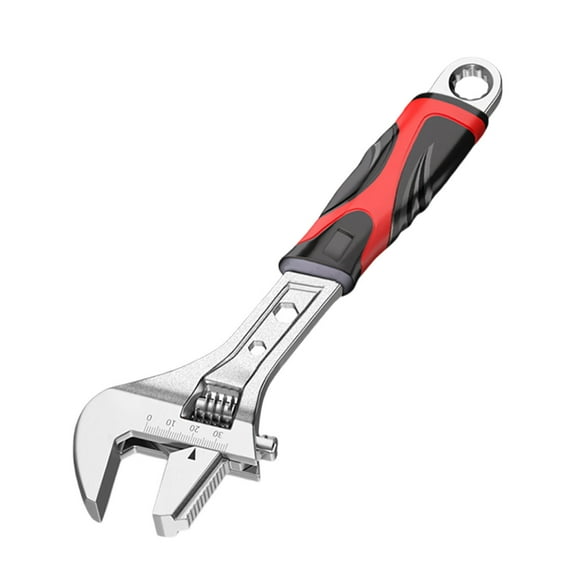
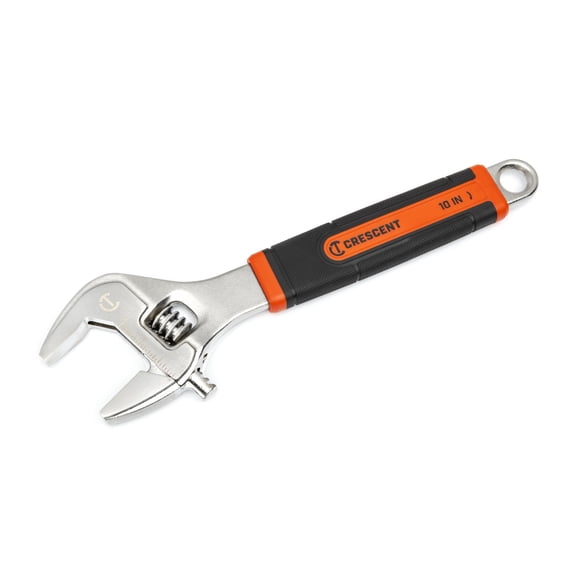
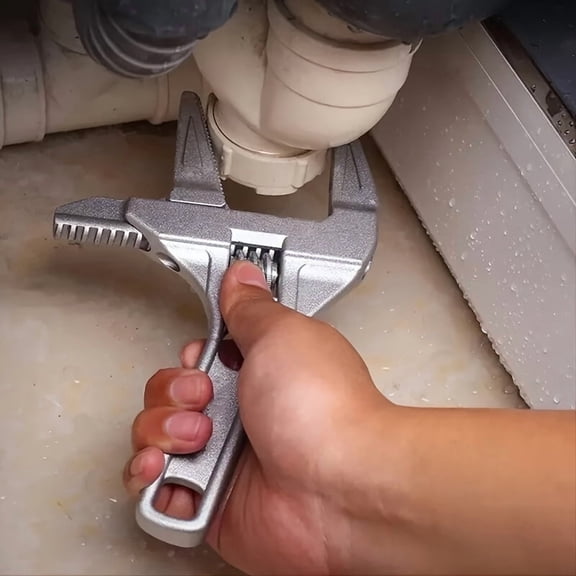
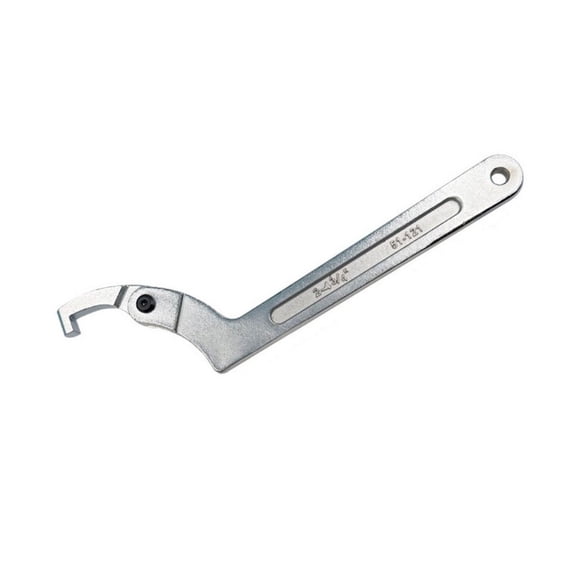
An adjustable pocket wrench helps you work in compact spots like under sinks or behind appliances. A wide jaw crescent wrench gives you more opening range, so you can grip larger nuts without jumping to another tool.
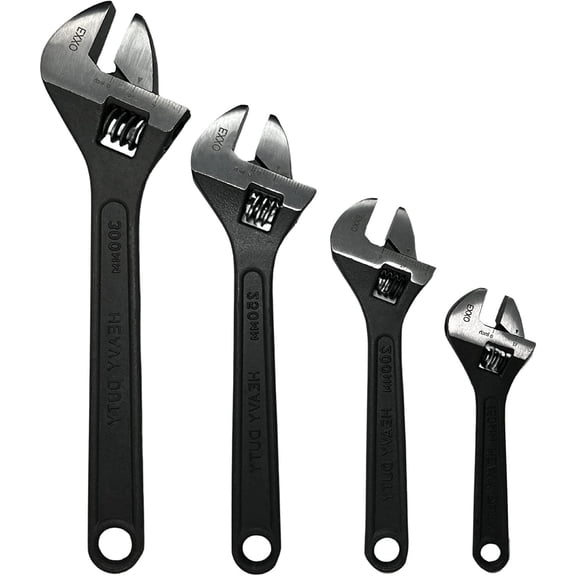
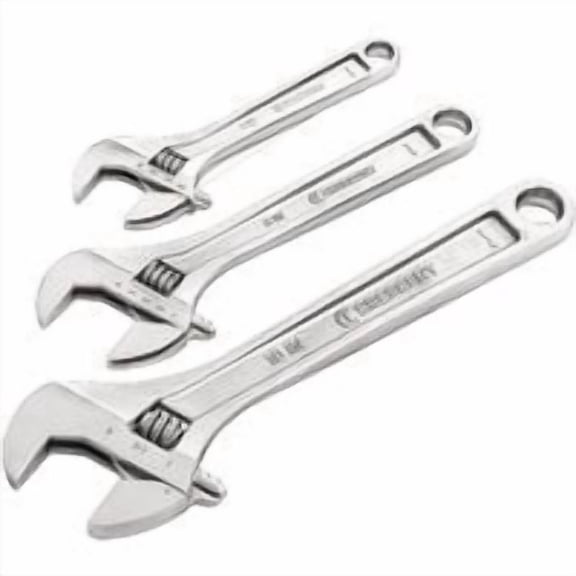
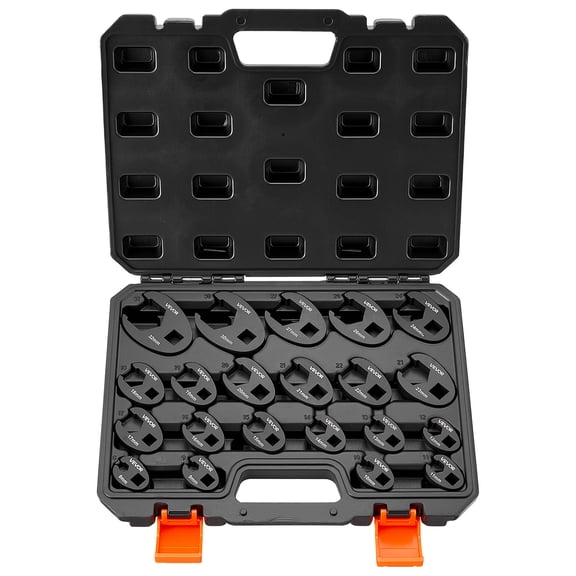
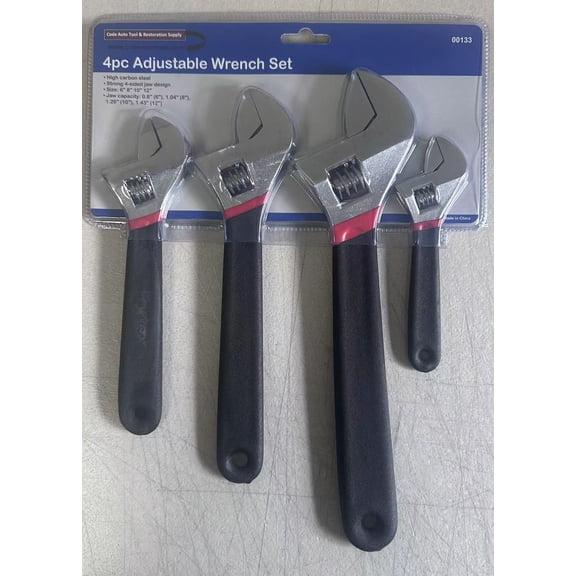
If you want a simple starter option, you can choose standard adjustable wrenches for everyday household fixes. If you need multiple lengths, you can look for a crescent wrench set that covers common repair situations.
Why adjustable wrenches earn a place in your toolbox
You get flexibility because one wrench can fit several fastener sizes during assembly, bike tuning, or furniture work. You also spend less time switching tools when your project includes mixed hardware.
- You can adjust the jaw opening to match different nuts and bolts.
- You can keep a pocket style handy for quick touchups in narrow spaces.
- You can use longer handles when you need extra leverage on stubborn fasteners.
- You can choose wide jaw designs when larger hardware is part of your routine.
You’ll notice that handle length changes how the tool feels in your hand during longer jobs. You can choose a shorter wrench for control or a longer wrench for added turning force.
With the right fit, you can reduce slipping on flats and keep your work moving smoothly. You can also match one tool to plumbing, automotive, and home maintenance tasks more easily.
Choosing the right size and jaw capacity
You should compare size first because tool length affects reach, leverage, and storage. You can usually use a 6 inch or 8 inch crescent wrench for compact spaces and lighter fastening.
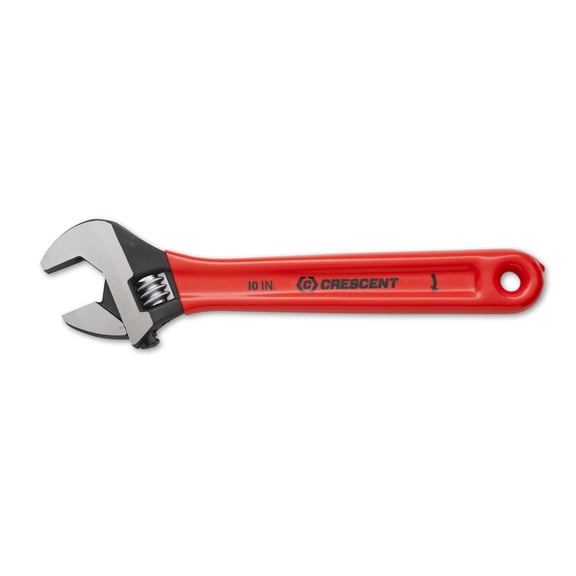
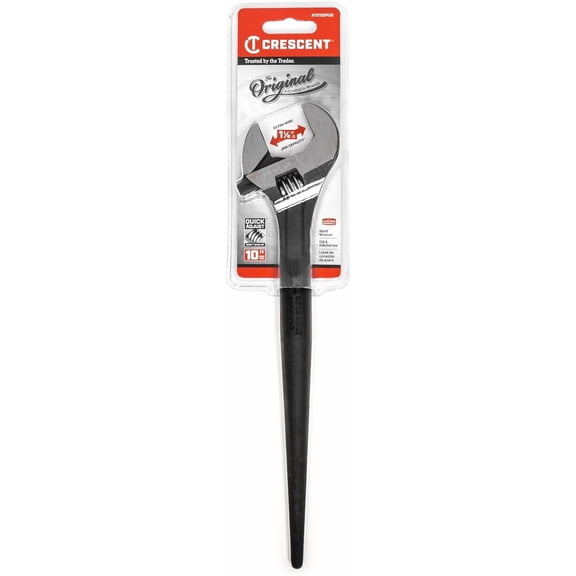
If you need more turning power, you can step up to 10 inch or 12 inch options. You’ll often want those lengths for garage work, shop benches, and larger household hardware.
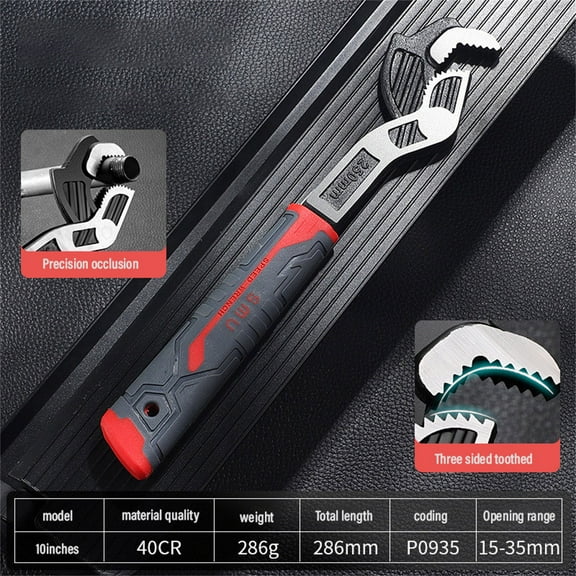
Jaw capacity matters because you need enough opening for the fastener without overextending the jaws. You should check the maximum jaw opening in inches or millimeters before you choose for pipe fittings or larger hex nuts.
A standard jaw works for many routine jobs, while a wide jaw or extra wide opening covers larger hardware. You can often carry fewer tools when one wrench offers more usable opening range.
What to look for in material and handle design
You should compare materials because finish and steel choice affect everyday wear and cleanup. You’ll often see chrome vanadium steel, black oxide, or satin finish options across this category.
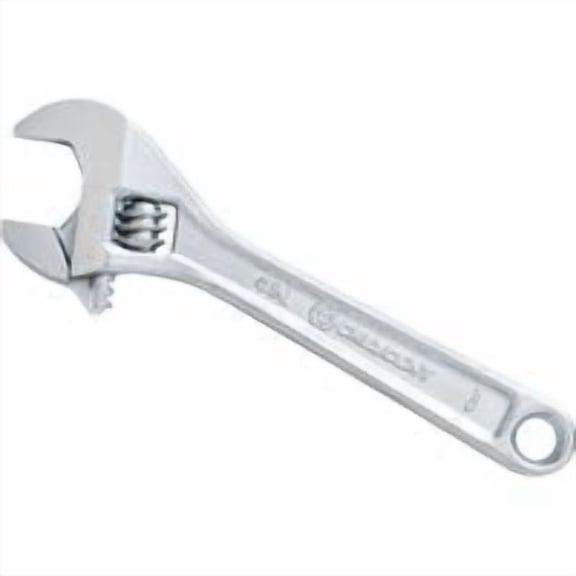
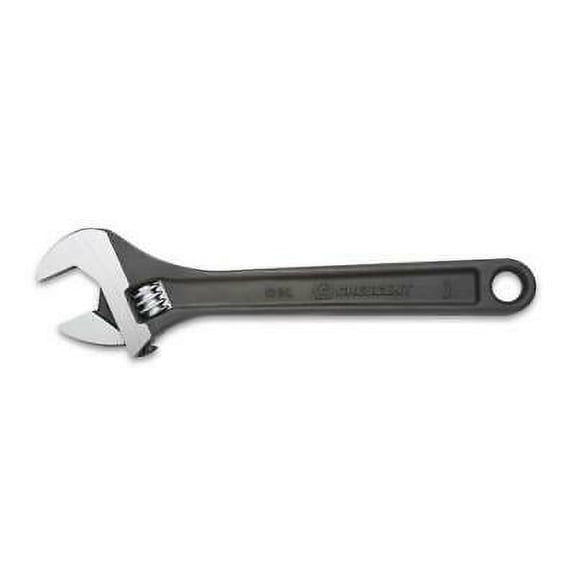
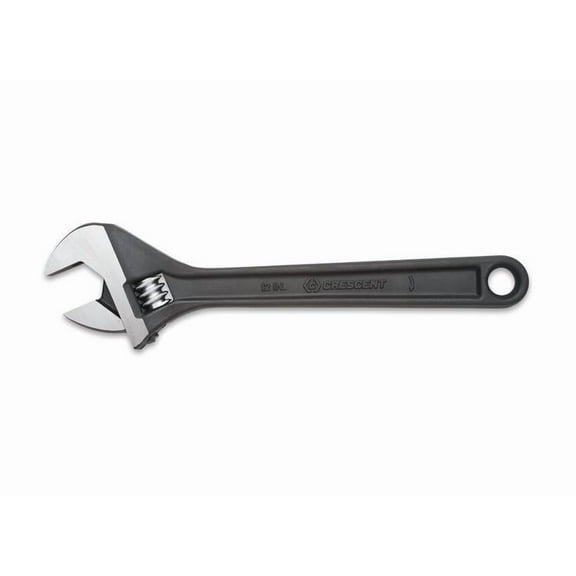
A chrome crescent wrench can give you a smooth surface that wipes clean after garage or home projects. A black oxide finish can offer a lower-glare look, while a satin finish can feel less reflective under bright lights.
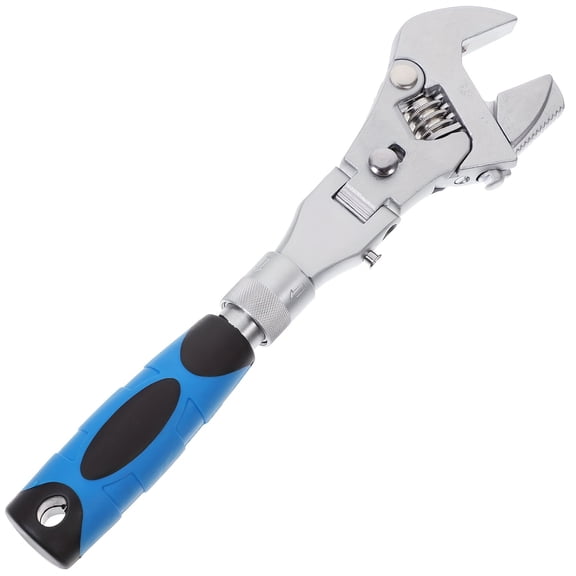
You should also look at the handle shape because comfort affects control during repeated turns. You can benefit from a grip that feels secure when you need steady pressure and clear knuckle room.
When you need extra leverage, a longer handle can help you apply more torque with less strain. When space is limited, a compact handle can help you reach fittings behind equipment or inside cabinets.
Matching crescent wrenches to real jobs
You can match smaller sizes to quick fixes around the house, including furniture assembly, bicycle adjustments, and appliance connections. You may prefer an adjustable pocket wrench when your tool drawer space is limited.
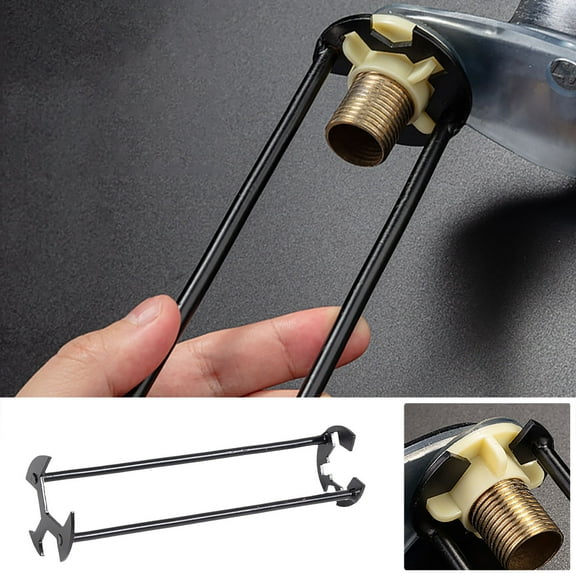
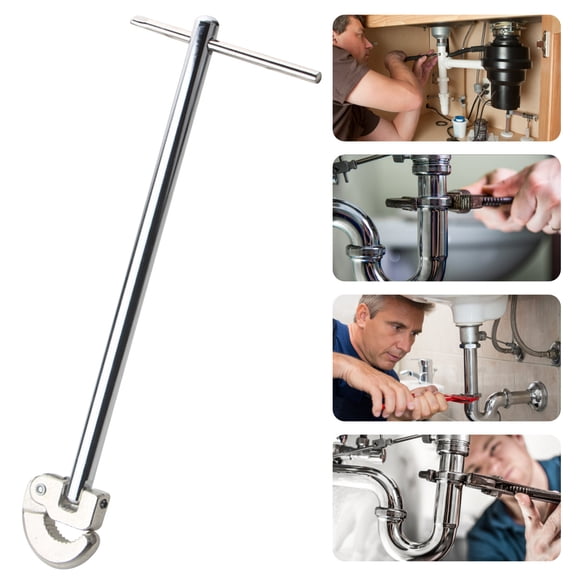
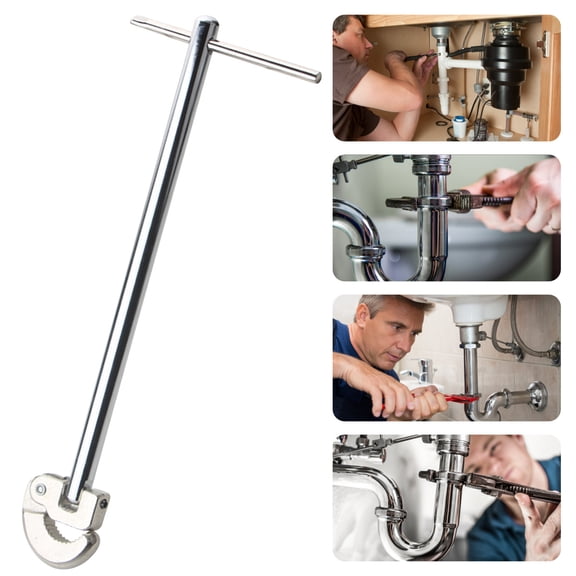
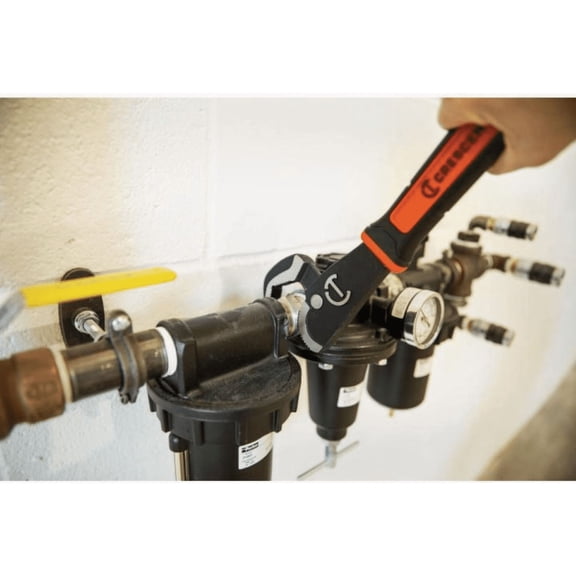
For sink fittings or utility hookups, you can compare jaw opening and handle length together. You’ll want enough capacity for the nut and enough clearance for the space around it.
If you work on larger fasteners in a garage, you can reach for a 10 inch or 12 inch model. You may also choose a wide jaw crescent wrench when standard openings feel too limiting.
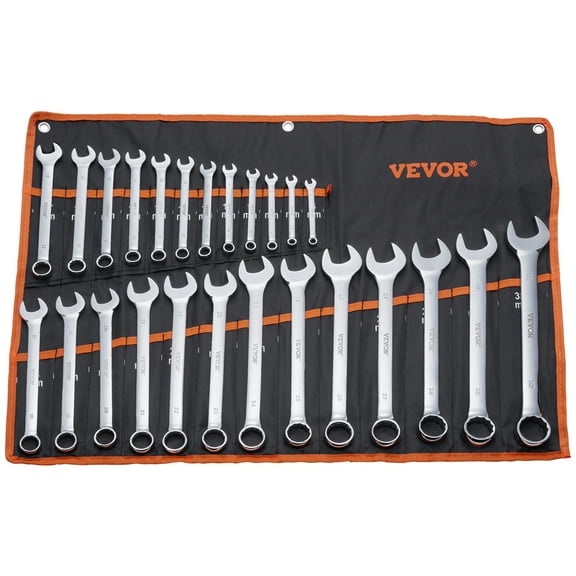
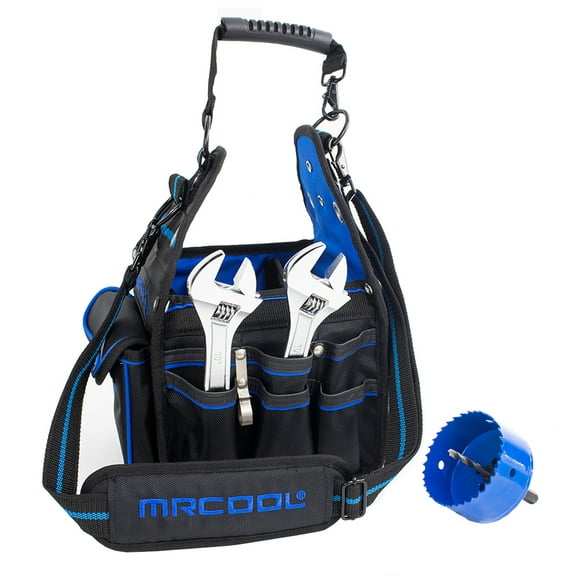
When you’re building out a general tool kit, you can choose several lengths for broader coverage. You’ll get useful flexibility from a crescent wrench set with compact and mid-size options for different tasks.
You can also compare finish choices if your wrench will move between indoor repairs and workshop benches. You’ll appreciate a surface that cleans up easily and still feels comfortable during repeated use.
What sets this category apart
You’re choosing tools built around movable jaws, so fit and range matter more here than in fixed-size wrench categories. You should focus on opening capacity, size trade-offs, and handle leverage before you narrow your options.
With the right crescent wrenches, you can cover everyday repairs, tight-space adjustments, and larger fastener work with less tool swapping. You’ll finish with a wrench that matches your hardware, your grip, and your workspace.