

Bona in Household Essentials by Brand














About Bona in Household Essentials by Brand - Walmart.com
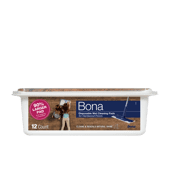
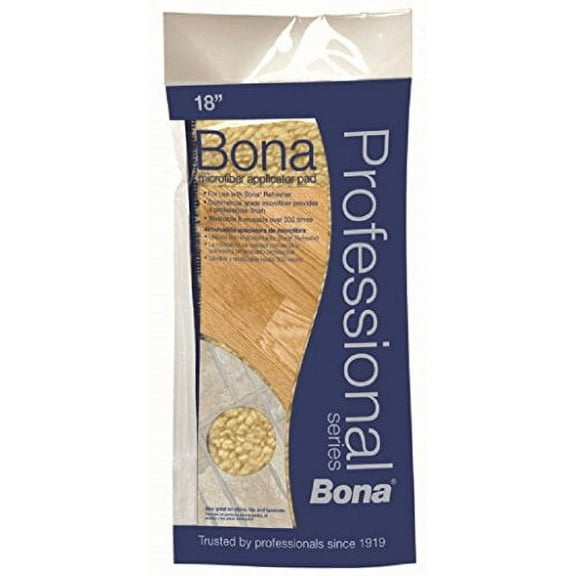
You can choose bona mop refill pads for quick floor upkeep, targeted mess pickup, and easier fit checks across compatible Bona mop systems. You'll also find options that support hardwood, tile, stone, laminate, and luxury vinyl plank care with category-specific guidance.
If you're replacing a worn pad or building a cleaning routine, you need clear differences between microfiber, washable, disposable, and antibacterial formats. You'll get more confidence when you compare pad material, cleaning type, floor compatibility, and reusability before you choose.
Choosing bona mop refill pads for your floors
You should start with your floor surface, because hardwood, tile, and stone often need different pad textures and moisture levels. You'll usually want a softer bona floor pad for sealed hardwood and a sturdier option for textured tile.
When you're cleaning laminate or luxury vinyl plank, you should check for controlled moisture and a smooth contact surface. You'll reduce streaks when your pad matches the finish and your usual cleaning method.
You may also compare your main cleaning goal before picking a pad. You'll find that dusting, wet mopping, polishing, and deep-clean sessions call for different pad constructions.
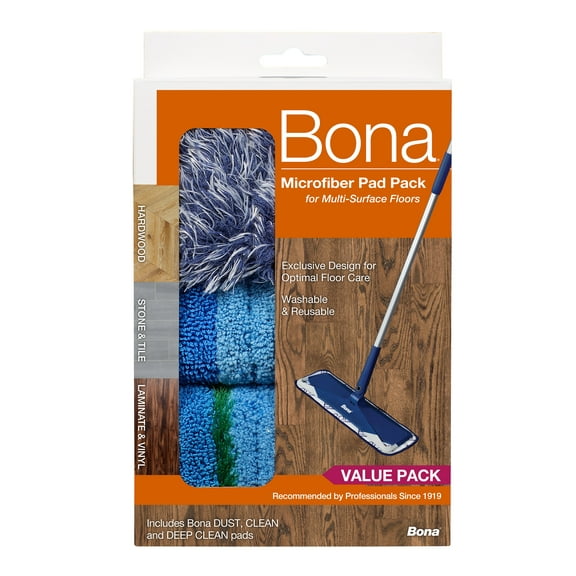
- You can use microfiber pads when you want everyday dust pickup and consistent contact across sealed hard floors.
- You can choose washable pads when you want reusable cleaning tools that fit into a repeat floor-care routine.
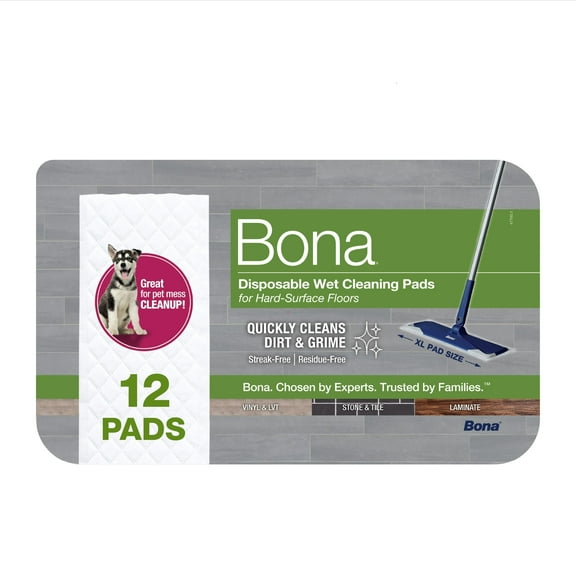
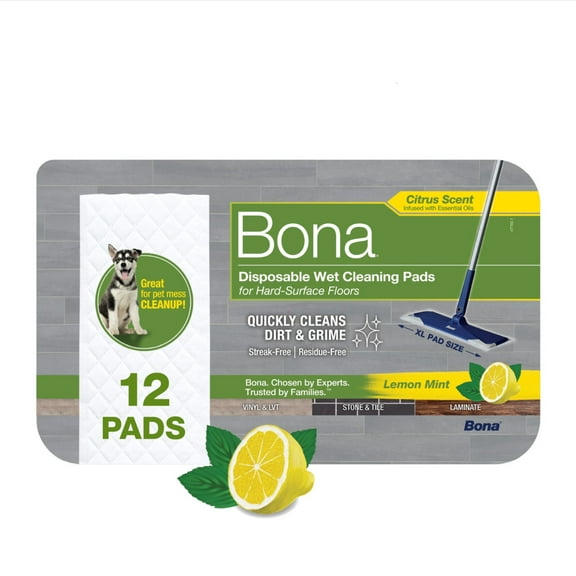
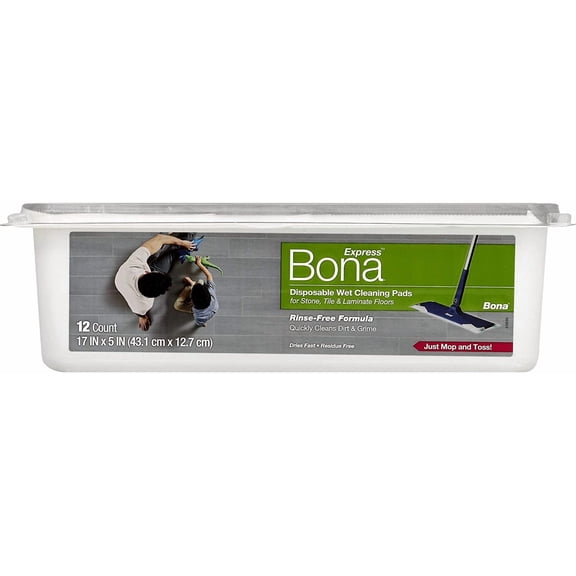
- You can keep disposable pads on hand when you want a quick swap for heavier messes or guest-ready touchups.
- You can look for bona antibacterial options when you want a pad type designed for cleanup sessions that need a more targeted format.
How to compare bona replacement pads by material
You should compare pad material first, because it changes how the pad glides, lifts debris, and handles repeated laundering. You'll often see bona replacement pads in microfiber, chenille, disposable layers, and polyester blend constructions.
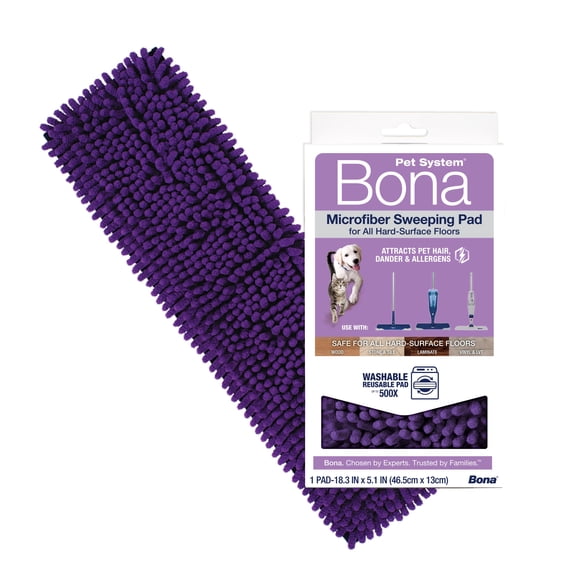
If you want broad everyday use, you'll usually lean toward a bona microfiber pad with fine fibers and even coverage. You'll notice microfiber works well for dust, light debris, and smooth passes along baseboards and corners.
When you want a reusable routine, you should check whether bona washable pads are machine washable and built for repeated cycles. You'll get more long-term use when the stitching, backing, and cleaning surface hold up after many washes.
If you're comparing chenille or polyester blend pads, you should look at how much texture your floors and messes require. You'll often prefer more texture for crumbs and dust clusters, while smoother weaves can help with even wet application.
Checking fit, attachment, and mop compatibility
You should confirm family fitment before anything else, because a pad that doesn't match your mop head won't sit evenly. You'll want to compare the listed Bona mop family and the pad shape before you choose.
If your mop uses a hook-and-loop attachment style, you should check the backing layout and edge coverage. You'll get a more secure hold when the attachment area lines up with your mop head dimensions.
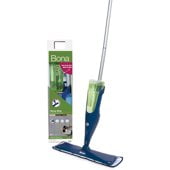
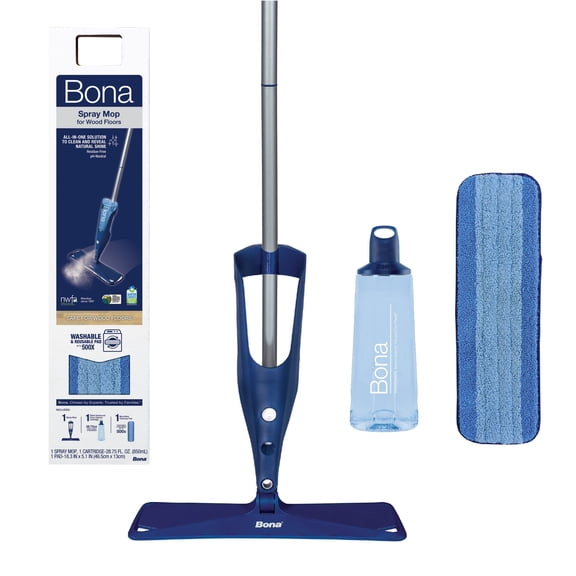
You may also compare pad length, width, and head profile if you use a spray mop for narrow rooms. You'll move more easily around chair legs, vanities, and kitchen toe kicks when the pad shape matches your cleaning path.
When you're replacing a bona mop head pad, you should think about how often you swap between dry and wet tasks. You'll simplify your routine when you keep separate pad types ready for each job.
Choosing cleaning type and reusability
You should match the pad to your cleaning objective instead of choosing by name alone. You'll get clearer results when your pad supports dusting, wet mopping, polishing, or heavier floor refresh sessions.
If you clean often, you may prefer bona washable pads because you can rotate them through laundry and keep extras ready. You'll appreciate reusable pads when you maintain entryways, kitchens, and pet traffic areas several times each week.
If you want fewer laundry steps, you can compare single-use and multi-pack options. You'll like disposable formats for one-time cleanups, while reusable multi-pack sets help you keep a fresh pad available.
When you're considering bona antibacterial formats, you should review the pad label and intended cleaning type carefully. You'll make a smarter choice when the format matches your mop system and your regular floor-care routine.
Using bona floor pad options in real rooms
You can use a bona floor pad in busy kitchens where crumbs, splashes, and footprints show up between deeper cleanings. You'll usually want a washable microfiber option for frequent passes and quick pad changes.
In living rooms with sealed hardwood, you should look for a soft pad that supports smooth, even movement. You'll help preserve the floor's look when you avoid rough textures that don't match the finish.
For bathrooms, mudrooms, and tile entries, you may want more texture and stronger pickup across grout lines. You'll often find that the right pad construction handles corners and uneven debris more effectively.
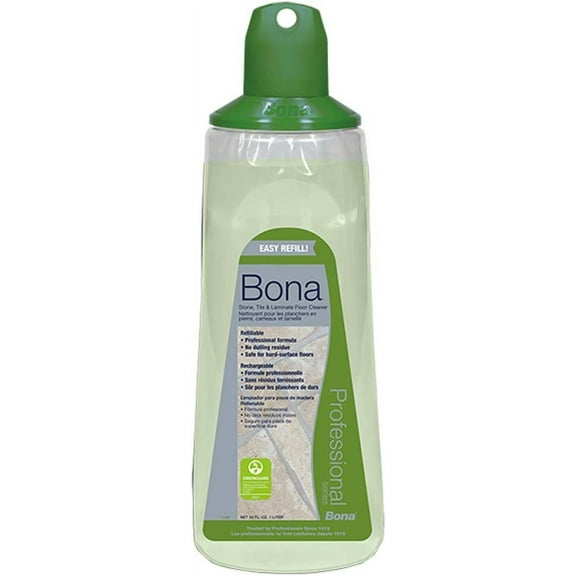
If you're caring for stone or luxury vinyl plank, you should compare moisture control and surface feel before you decide. You'll get more predictable coverage when your pad supports the floor type and the cleaner format you use.
You can also build a simple rotation with separate pads for dusting, wet mopping, and polishing. You'll spend less time rewashing one pad when your routine already includes the right pad for each task.
You can feel more certain when you compare bona mop refill pads by fit, material, floor compatibility, and cleaning purpose instead of guessing. You'll end up with pads that attach properly, clean the right surface, and make regular floor care easier.