

Indoor Air Quality Meter in Air Quality & Gas Analyzers(5)
AIRKNIGHT 9-In-1 Indoor Air Quality Monitor Indoor Portable CO2 Monitor, VOC Sensor, Formaldehyde Detector, AQI, PM2.5 + 4 More Home Monitoring, Air Quality Tester Confined Space Clean Air Monitor $114.00

AIRKNIGHT 9-In-1 Indoor Air Quality Monitor Indoor Portable CO2 Monitor, VOC Sensor, Formaldehyde Detector, AQI, PM2.5 + 4 More Home Monitoring, Air Quality Tester Confined Space Clean Air Monitor
IQAir Air Quality Monitor Indoor, White, Swiss Design, Professional Grade,1 Count per Pack, Assembled Product Height 3.5 in $299.99

IQAir Air Quality Monitor Indoor, White, Swiss Design, Professional Grade,1 Count per Pack, Assembled Product Height 3.5 in
Datalogging Indoor Air Quality Meter $379.50
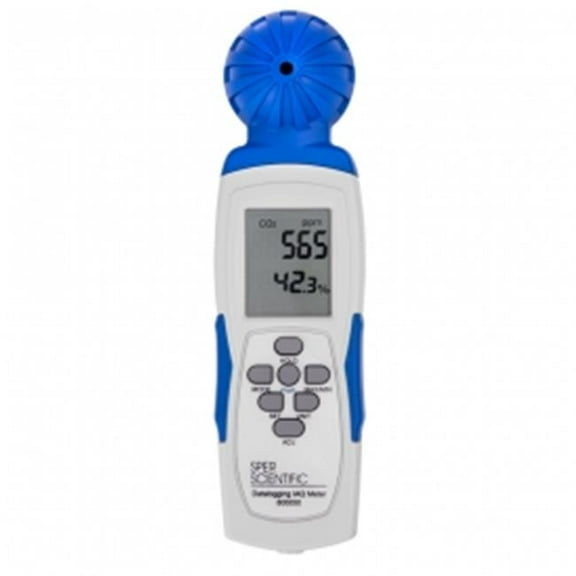
Datalogging Indoor Air Quality Meter
Indoor Air Quality Meter $373.11

Indoor Air Quality Meter
BROAD Airpro Mask FB2 HEPA Filter $10.00
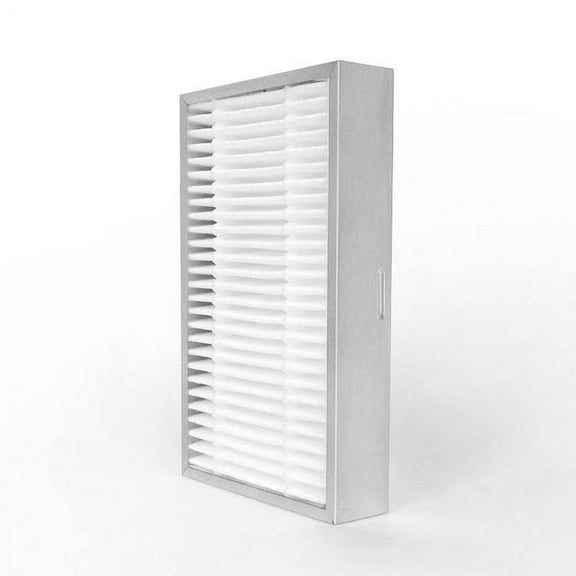
BROAD Airpro Mask FB2 HEPA Filter
Popular in Indoor Air Quality Meter in Air Quality & Gas Analyzers - Walmart.com
FAQ
How can I use an indoor air quality monitor effectively?
Using an indoor air quality monitor effectively involves placing it in a central location away from windows or vents to get accurate readings. Regularly check the device's display or app for updates on pollutants like CO2, VOCs, and particulate matter. Keep the monitor clean and follow the manufacturer's instructions for calibration if needed. Monitoring at different times of day can help identify patterns related to activities like cooking or cleaning. This approach helps you understand your home's air quality and take steps to improve it when necessary.
What should I look for when choosing an indoor air quality meter?
When choosing an indoor air quality meter, consider the range of pollutants it detects, such as CO2, VOCs, formaldehyde, and particulate matter (PM2.5). Look for features like real-time monitoring, data logging, and ease of use. Portability and display clarity are also important if you plan to move it between rooms. Additionally, check for compatibility with apps or smart home systems if you want remote access to data. Reading customer reviews and ensuring the device meets safety standards can help you make a confident choice.
How do I interpret the readings from an indoor air quality monitor?
Interpreting readings from an indoor air quality monitor involves understanding the different pollutants measured. For example, CO2 levels above 1000 ppm may indicate poor ventilation, while high VOC or formaldehyde readings suggest chemical pollutants. Particulate matter (PM2.5) levels indicate the presence of fine particles that can affect respiratory health. Many monitors provide an Air Quality Index (AQI) score or color-coded alerts to simplify interpretation. Use these indicators to identify when air quality is declining and consider actions like increasing ventilation or using air purifiers.
Can indoor air quality meters detect mold or allergens in the air?
Indoor air quality meters typically measure gases like CO2, VOCs, formaldehyde, and particulate matter, but they do not directly detect mold spores or specific allergens. However, elevated particulate matter readings might suggest the presence of airborne particles, which could include mold spores or dust allergens. For precise mold or allergen detection, specialized testing kits or professional assessments are recommended. Using an air quality meter alongside these methods can help you monitor overall air conditions and identify potential issues.
What maintenance is needed to keep an indoor air quality monitor accurate?
Maintaining an indoor air quality monitor involves regular cleaning to prevent dust buildup on sensors, which can affect accuracy. Follow the manufacturer's guidelines for cleaning methods and frequency. Some devices may require periodic calibration to ensure precise readings; check if your model supports this and how to perform it. Also, replace batteries or recharge as needed to maintain consistent operation. Proper maintenance helps your monitor provide reliable data to help you manage your indoor environment effectively.