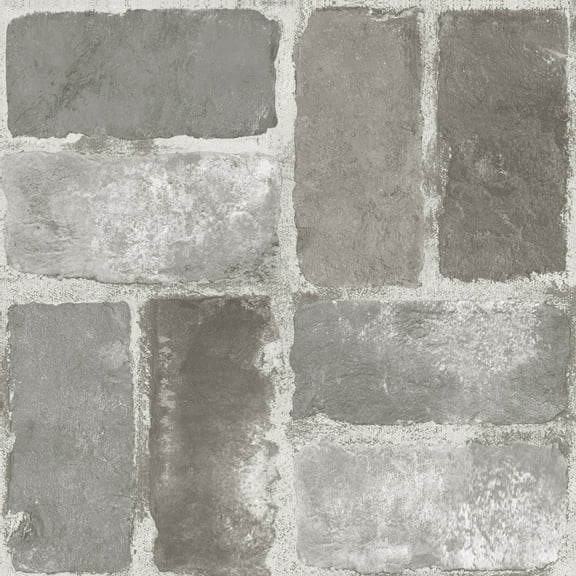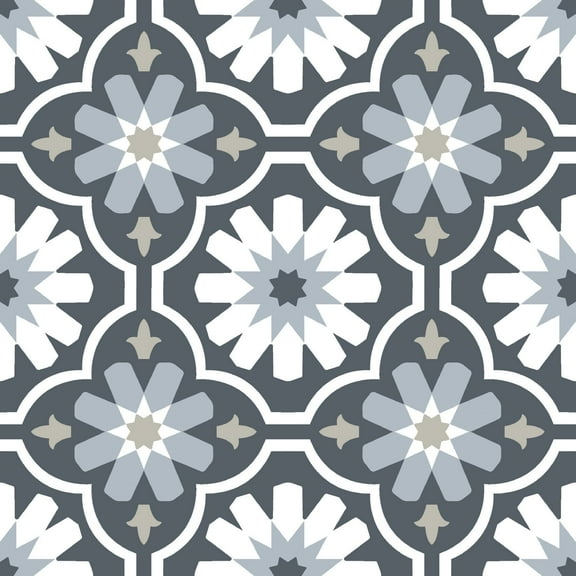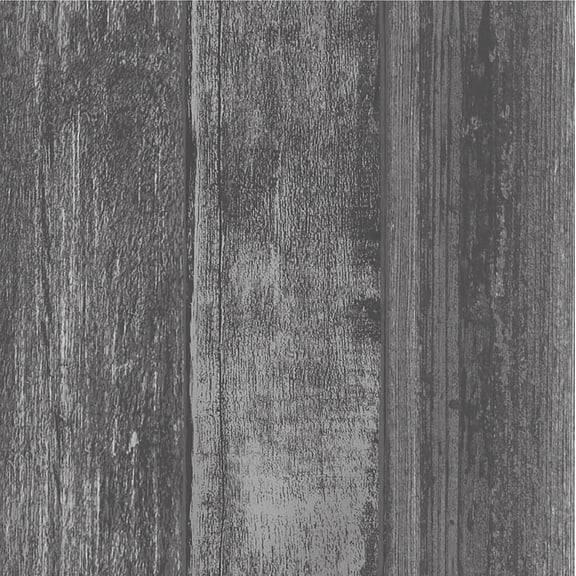

Tile

Backsplash tile

Shop all

FloorPops! tile

Shop all

Tile by color

FAQ

How do I determine if peel and stick tiles are right for my space?

To assess whether peel and stick tiles fit your project, start by analyzing the area where you plan to install them. These tiles are ideal for low-traffic or temporary spaces. Consider your budget, as they tend to be more affordable than traditional tiles. Review the design options available to ensure they match your aesthetic preferences. Think about whether you want to tackle the installation as a DIY project or hire a professional. Finally, evaluate the maintenance needs of the tiles to ensure they align with your lifestyle.

What steps should I take to prepare for peel and stick tile installation?

Proper preparation is essential for a successful peel and stick tile installation. Begin by ensuring the surface is clean, dry, and smooth. Use a mild cleaner to eliminate dust, dirt, and grease. If you're installing over existing flooring, check for any loose or damaged areas that need attention. For better adhesion on porous or uneven surfaces, applying a primer can be beneficial. It's also wise to avoid installation in areas with high moisture unless the tiles are specifically designed for such conditions. Following these preparation steps will help ensure a smooth installation process.

What maintenance practices can help keep peel and stick tiles looking great?

To maintain the appearance and longevity of your peel and stick tiles, consider these helpful maintenance practices:

  • Regular Cleaning: Use a damp cloth or mop with a mild detergent for routine cleaning, avoiding harsh chemicals that could damage the adhesive.
  • Limit Moisture Exposure: Keep tiles dry and avoid excessive water during cleaning to prevent lifting.
  • Protect Against Heavy Items: Use furniture pads under heavy furniture to prevent scratches or dents.
  • Routine Inspections: Regularly check for signs of peeling or lifting and address any issues promptly to prevent further damage.

By following these tips, you can enjoy your peel and stick tiles for years to come.

What is the typical lifespan of peel and stick tiles?

The lifespan of peel and stick tiles can vary significantly based on factors such as tile quality, installation method, and environmental conditions. Generally, these tiles can last between 5 to 15 years. To extend their durability, ensure that the surface is properly prepared before installation and maintain them regularly. It's advisable to avoid placing them in areas with high moisture or heavy foot traffic, as these conditions can lead to quicker wear. For optimal results, consider using them in lower-traffic spaces or as a temporary solution in areas like kitchens and bathrooms.
What should I keep in mind when choosing peel and stick tiles?

When selecting peel and stick tiles, consider several key factors to ensure a successful installation. First, evaluate the durability of the tiles, as they may not be as robust as traditional tiles, especially in high-traffic areas. Proper installation is crucial; ensure the surface is clean and dry to avoid peeling or lifting, particularly in humid conditions. Additionally, be mindful of design options, as they may be more limited compared to conventional tiles. Lastly, while these tiles are easy to remove, they can leave adhesive residue, which may require extra cleaning efforts.

Show less

About Tile - Walmart.com

Tile

Tile is a great way to get a designer look for less in your bathroom, kitchen, or any room in your home. Whether you're remodeling your entire bathroom or just changing up the backsplash in your kitchen, you can find a wide variety of ceramic, glass, marble, porcelain, and stone tile at everyday low prices at Walmart.

What's the best kind of tile?

The best kind of tile for the job is going to depend on where it's going to go and how you're going to use it. Porcelain and glazed ceramic tiles are best for flooring, because they're durable and easy to maintain. Glass mosaic tiles are great for kitchen and bathroom backsplashes, because they're stain resistant and can be cleaned with soapy water. Marble tiles can easily transform your bathroom or kitchen into an elegant space but may need to be sealed to prevent getting scratched or stained. If you're looking for outdoor tile, cement tiles are a good option. They're versatile and come in great colors and patterns and they can be sanded and resealed to be kept in good condition. Do you rent or like to change up your space frequently? Consider peel-and-stick tiles. They come in a variety of materials, like glass, metal, and vinyl, and can be easily removed when it's time to move or redecorate.

What should I look for when buying tile?

After you've chosen the type of material you'd like, it's also important to think about the size of the area you're going to tile, the size of the tiles, and the colors and patterns you'd like. First, it's important to know the size of the area you're going to tile so you know how much tile to buy. There's nothing worse than being in the middle of a project and running out of tile. Next, you'll want to consider what size of tile you'd like. Larger tiles are best suited for floors and spacious rooms, while small tiles are great for walls and countertops. Finally, you'll want to select tile in a color or pattern you like. If you haven't picked out a kind of tile you like yet, you can browse by style to see our wide assortment of arabesque, herringbone, Mexican, mosaic, penny, and subway tile. You can also shop by color to find tile that can blend into your preexisting decor.