

Keto Coffee in Keto Diet
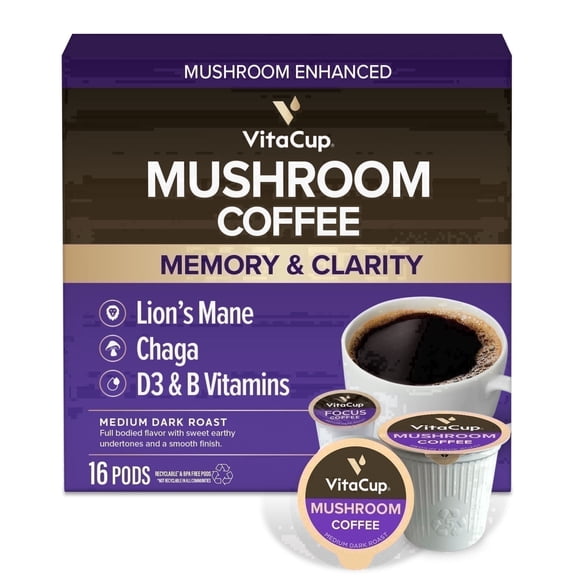


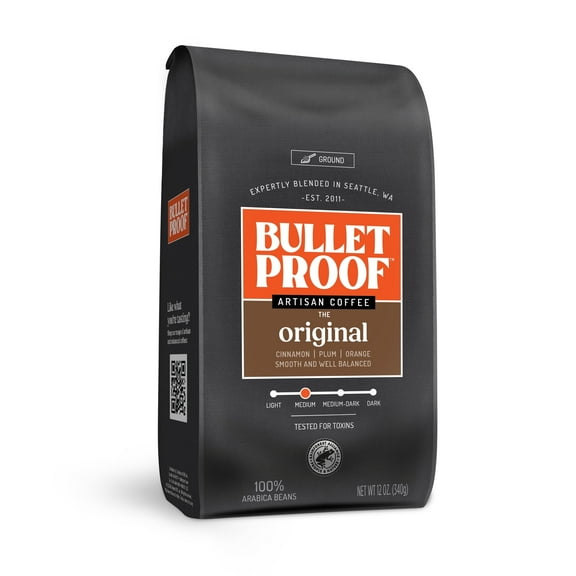


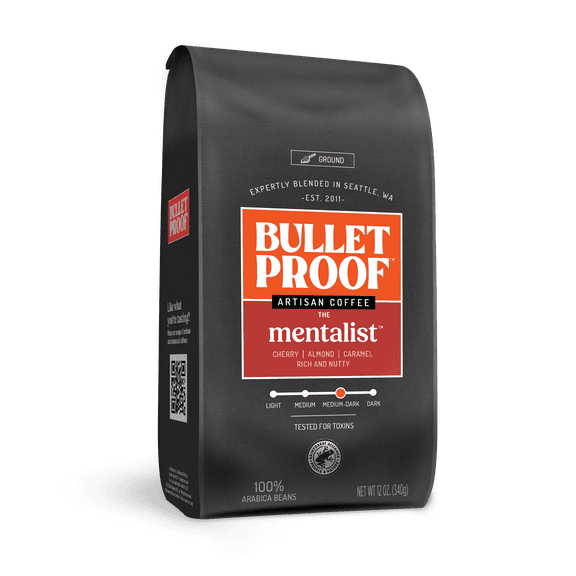

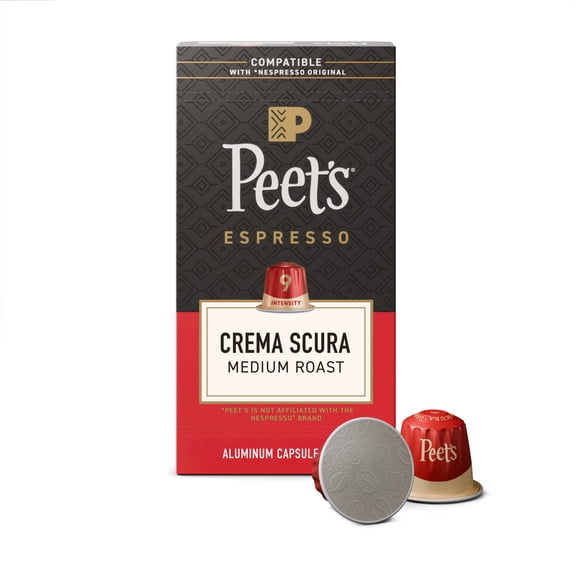

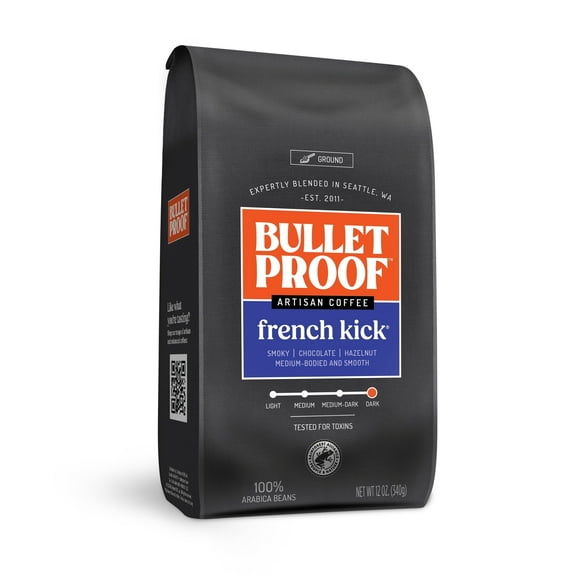
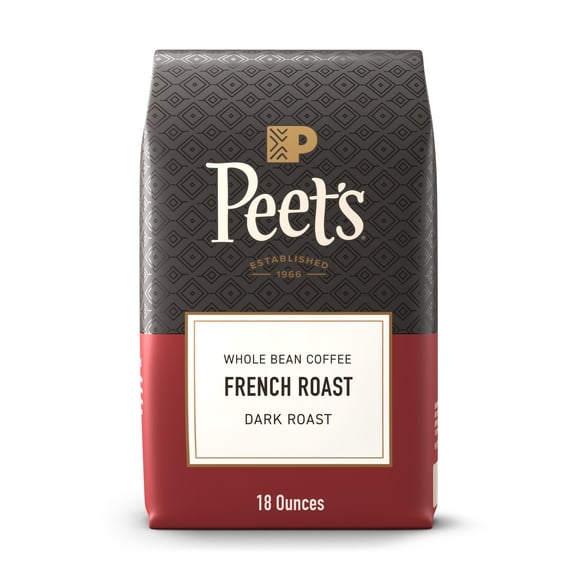


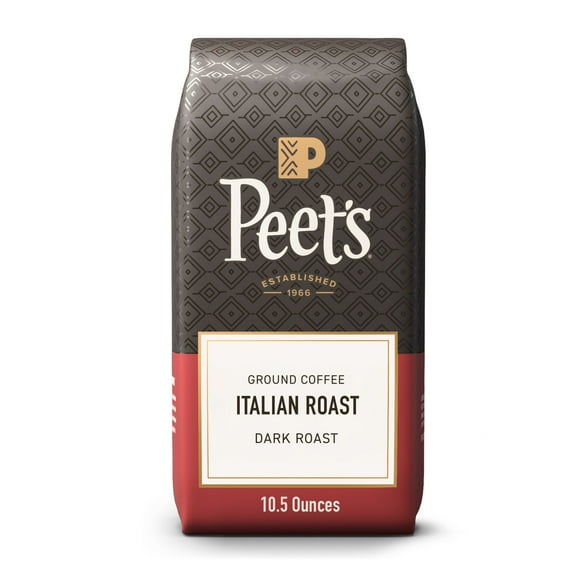


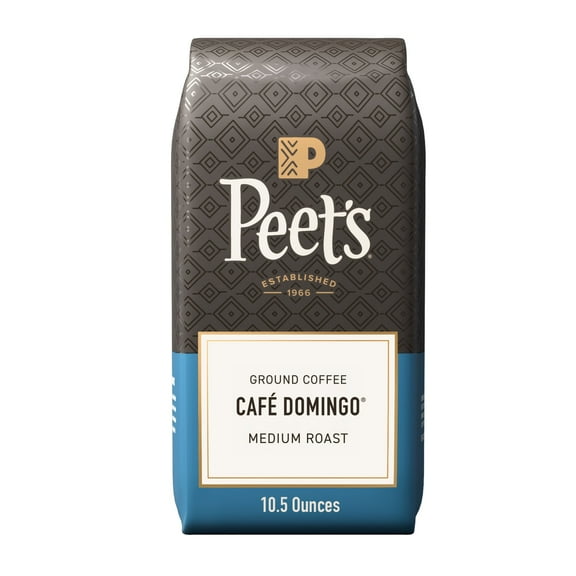






About Keto Coffee in Keto Diet - Walmart.com
Keto coffee helps you keep your morning routine simple while fitting a low carb plan. You can compare instant powders, ground blends, K-cups, and canned options in one place.
If you want creamy coffee without sugary add-ins, you can focus on fat sources and sweetener types first. You can also narrow choices by caffeine level and package style for easier daily use.
How to choose keto coffee for your routine
When you shop keto coffee, you should start with format because prep time changes your whole experience. You may want a quick stir-and-go cup or a brew-focused option.
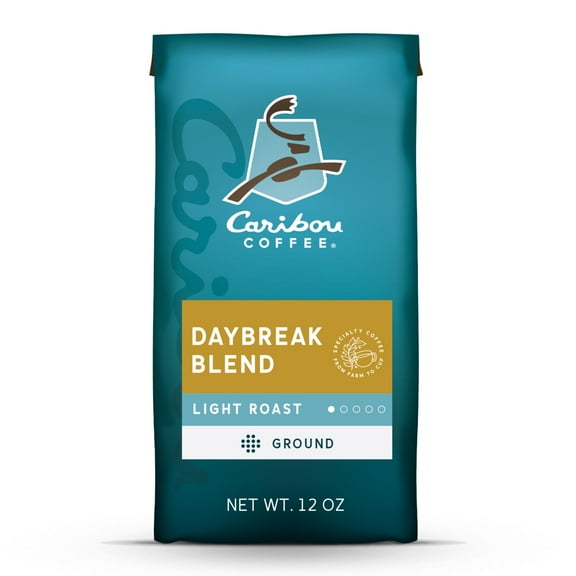
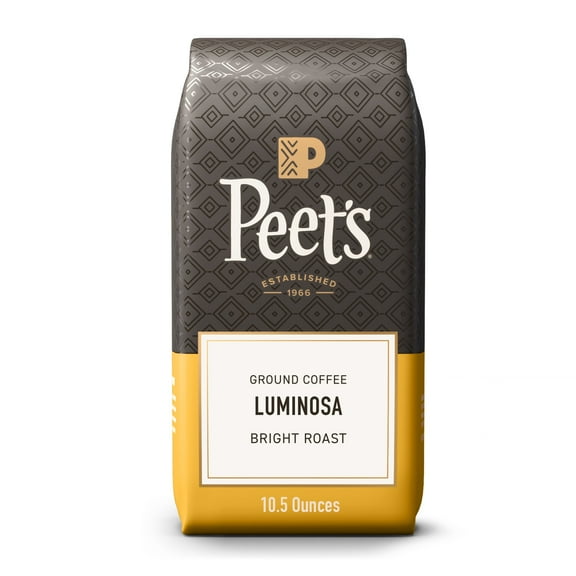
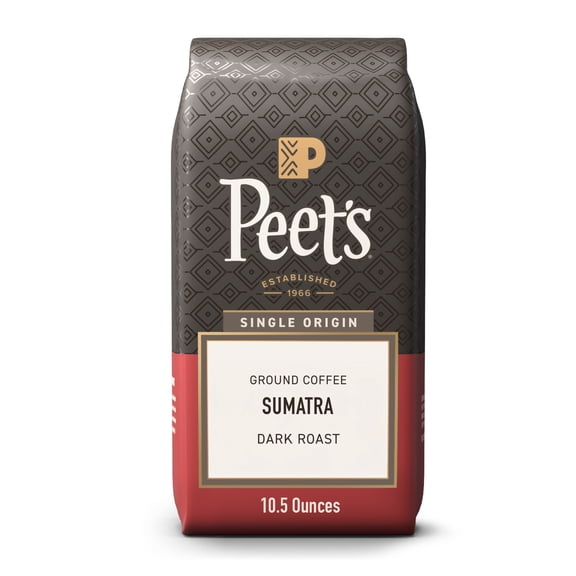
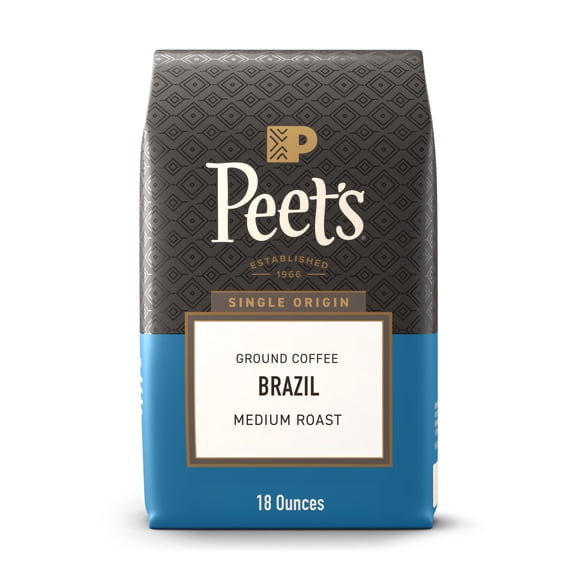
Instant powder works well when you want fast prep and easy portion control. Ground coffee fits your usual brewer, while K-cups help you keep cleanup short.
Ready-to-drink cans make sense when you want portable coffee for commutes, travel days, or office breaks. Single-serve packets also help you keep servings consistent in your bag.
- You can choose instant powder when you want hot coffee with minimal prep.
- You can choose ground coffee when you prefer French press, drip, or pour-over brewing.
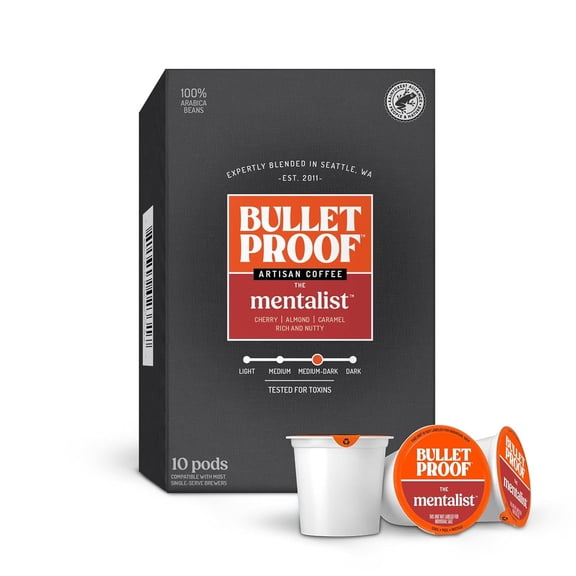
- You can choose K-cups when you want single-serve convenience and less measuring.
- You can choose ready-to-drink cans when you want chilled portability.
Your routine may also shape serving size decisions more than flavor alone. Bulk tubs suit frequent use, while packets suit travel and desk drawers.
Choosing between keto instant coffee and brewed formats
Keto instant coffee can simplify busy mornings because you only need water and a spoon. You can get a creamy texture without pulling out extra ingredients.
If you prefer more control over brew strength, you may lean toward ground coffee. You can adjust water, cup size, and brewing method to match your taste.
K-cups can help you make one serving at a time with less cleanup. Ready-to-drink cans can fit days when you want chilled coffee straight from the fridge.
You should also compare package details before you choose. You may want sticks for travel, tubs for home counters, or cans for grab-and-go convenience.
What to look for in mct oil coffee and fat sources
MCT oil coffee often appeals when you want a richer cup and a simple ingredient focus. You can compare MCT oil, grass-fed butter, coconut oil, and ghee as key fats.
Medium-chain triglycerides are a type of fat commonly called MCTs on labels. You should look for that term when you want the mct oil coffee style described in product names.
Grass-fed butter and ghee can give you a fuller, buttery taste in some blends. Coconut oil can bring a different flavor note, so you should check the label if taste matters.
You may also notice texture changes based on the fat source. Some blends dissolve quickly, while others feel richer and more frothy in your cup.
Your ingredient preferences matter if you want a cleaner label read before checkout. You can compare how many add-ins appear alongside coffee, fats, and sweeteners.
How sweetener type shapes low carb coffee taste
Low carb coffee choices often differ primarily in sweetness style, not just sweetness level. You can compare unsweetened blends with stevia, monk fruit, or erythritol options.
If you want full control, unsweetened coffee lets you add your own creamer or syrup. You can keep flavors simple when you prefer a plain cup.
Stevia and monk fruit usually appeal when you want sweetness from plant-derived sources. Erythritol may create a different finish, so you should compare reviews and ingredient panels.
You may also see glycemic index discussed when sweeteners are listed. You should use that detail as a label-reading tool when you want a sugar free coffee option.
Your taste preference can matter as much as carb count. You may prefer no sweetness, or you may want a sweeter cup without traditional sugar.
Comparing caffeine content and everyday use cases
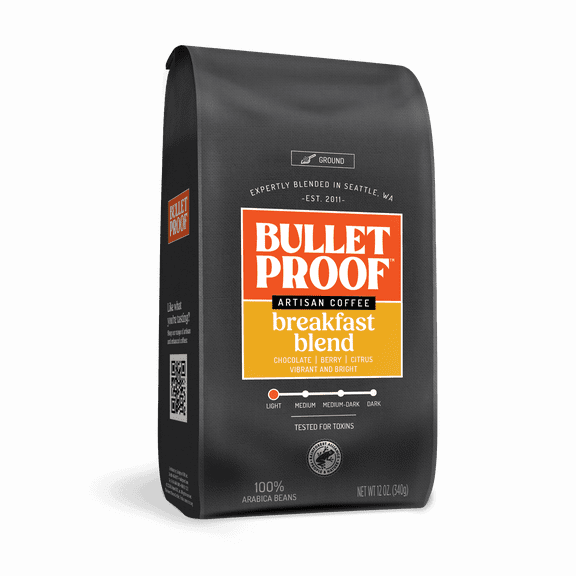
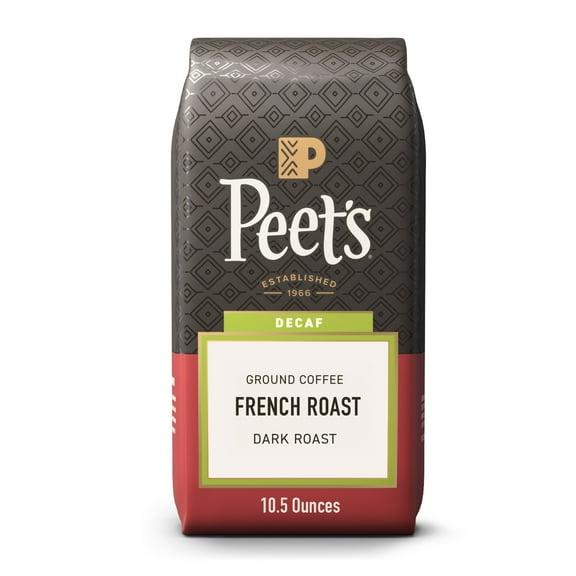
You should check caffeine content early if you drink coffee at different times of day. Regular blends fit many morning routines, while decaf keto coffee suits later cups.
Extra caffeine options may appeal when you want a bolder start and fewer add-ins. Decaf options can work when you want the same style of drink with less caffeine.
If you pack coffee for work, you may prefer sticks, K-cups, or cans for easy storage. If you brew at home each morning, tubs and bags may fit your counter better.
You can also match format to where you drink it most. Instant works well in hotel rooms, while ground coffee fits your home brewer setup.
For meal prep days, you may want bulk containers that last through the week. For gym bags or office drawers, you may prefer portable single-serve options.
Why ingredient details matter in keto coffee
You should read labels closely because keto coffee can vary across carbs, fats, sweetness, and caffeine. Those details help you choose a blend that matches your routine.
If you want a richer cup, you can focus on fats like MCT oil, ghee, or butter. If you want flexibility, you can choose unsweetened or low carb coffee blends.
Your ideal pick depends on how you brew, where you drink it, and how sweet you want it. When you compare those details first, you can choose a cup that fits your day.