


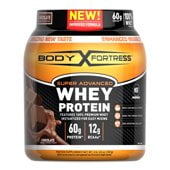


Whey Protein in Protein Powder
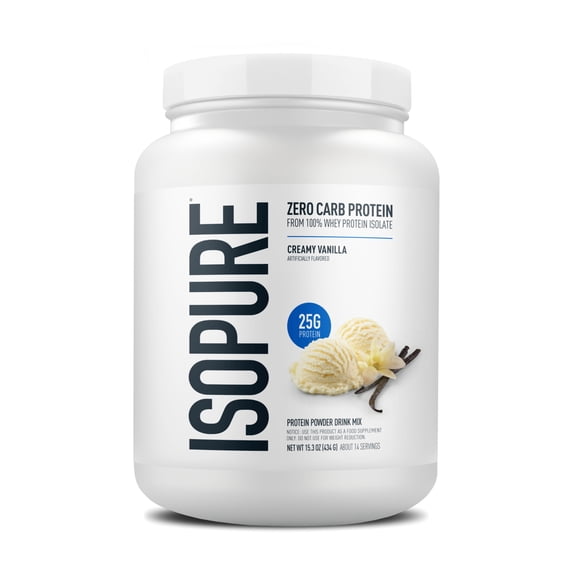


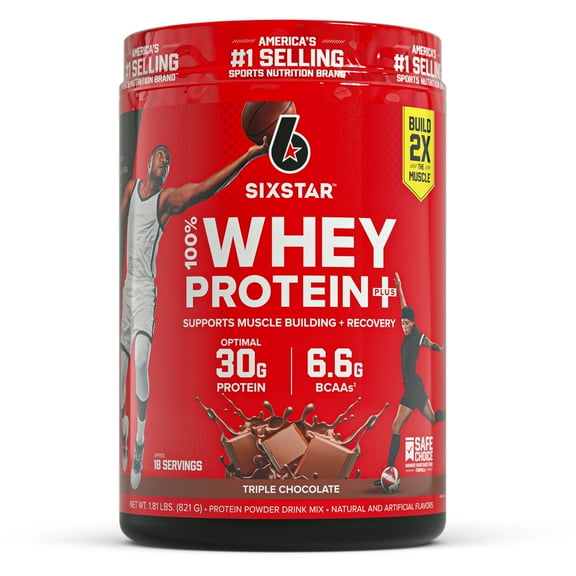
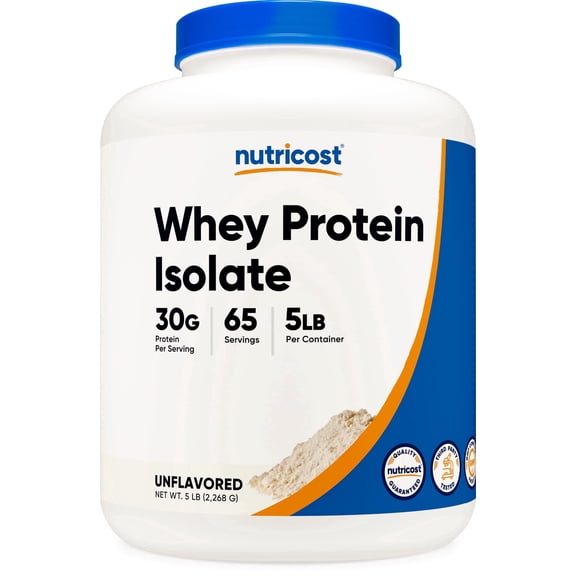
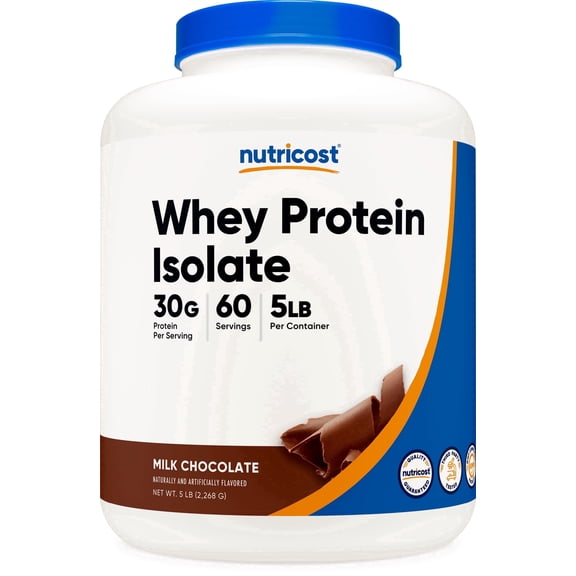


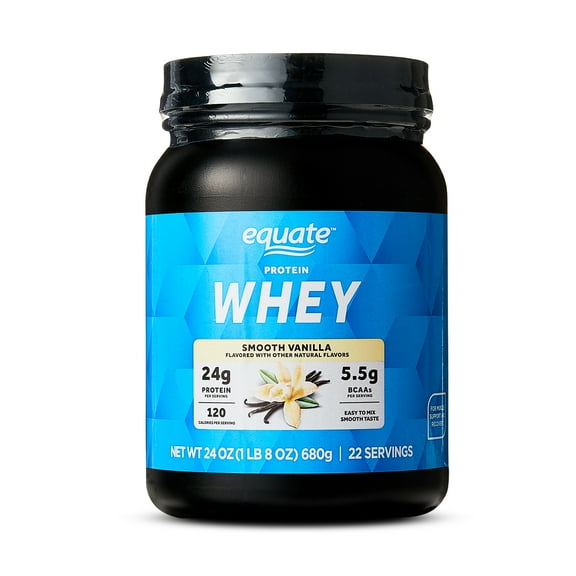








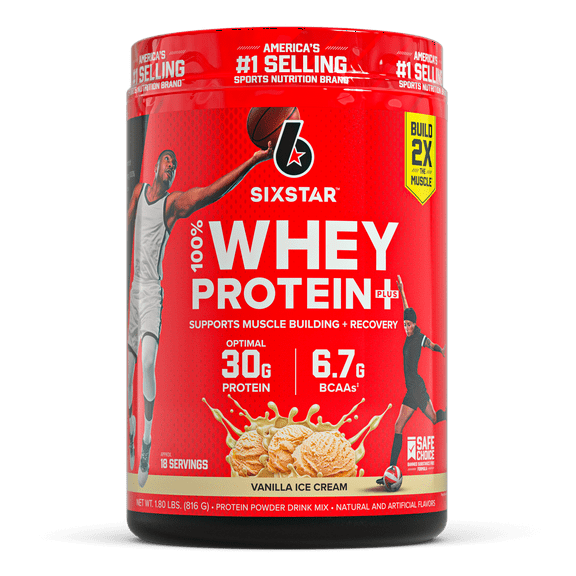
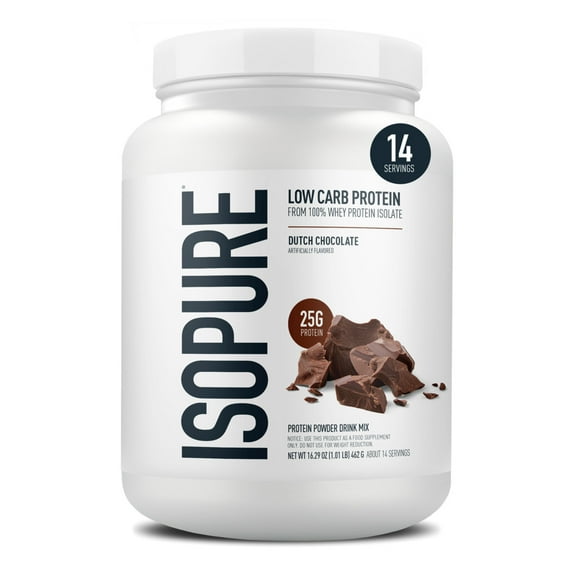
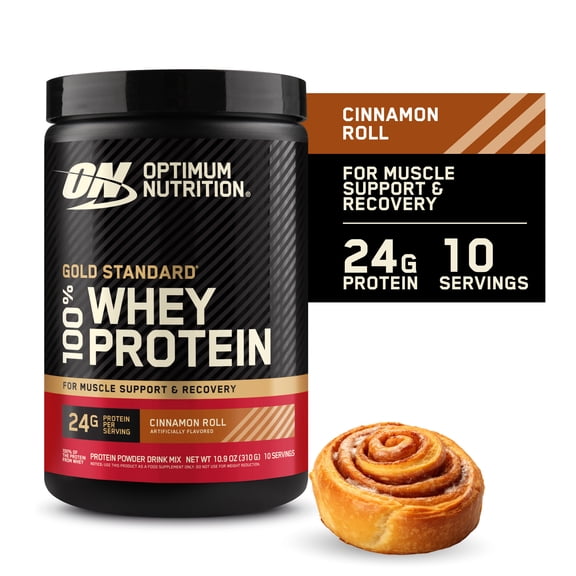


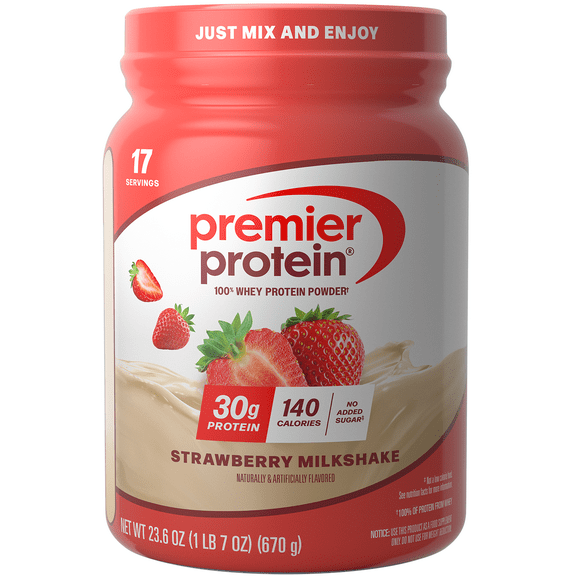







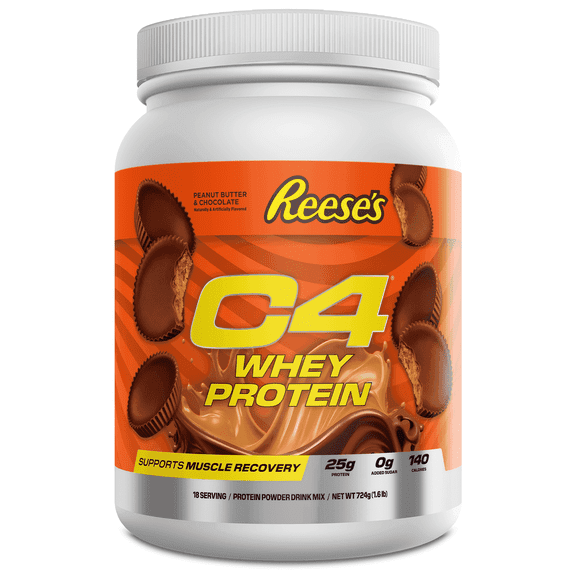
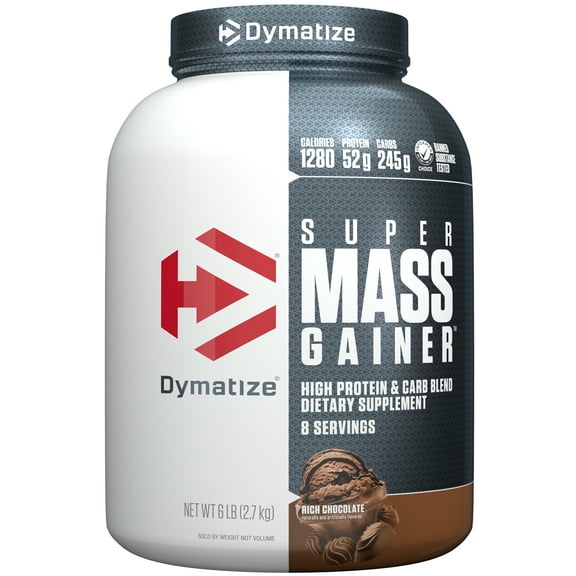

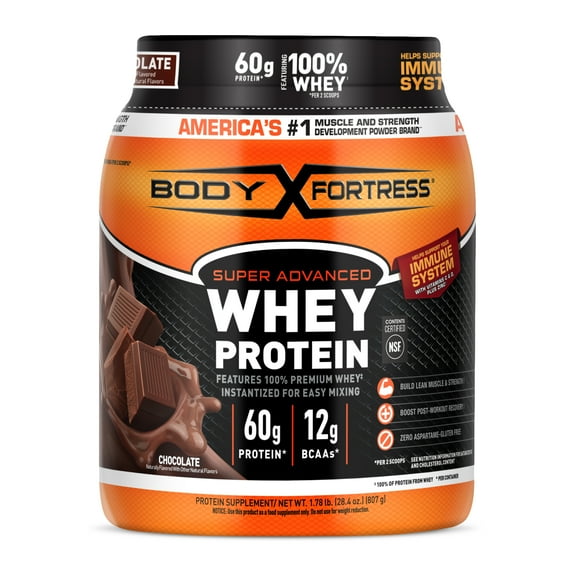
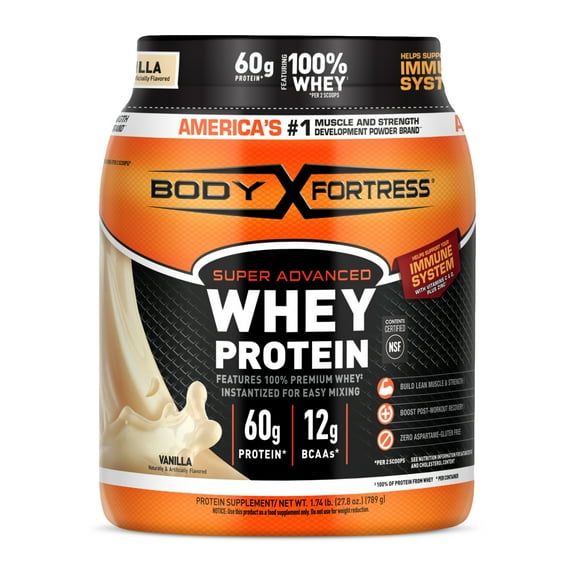
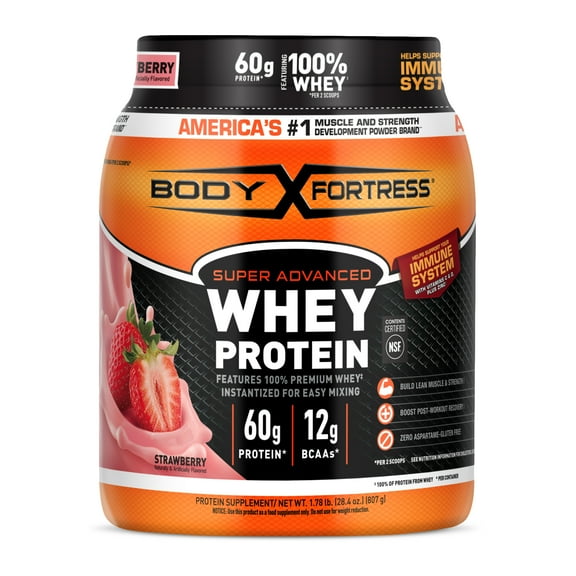
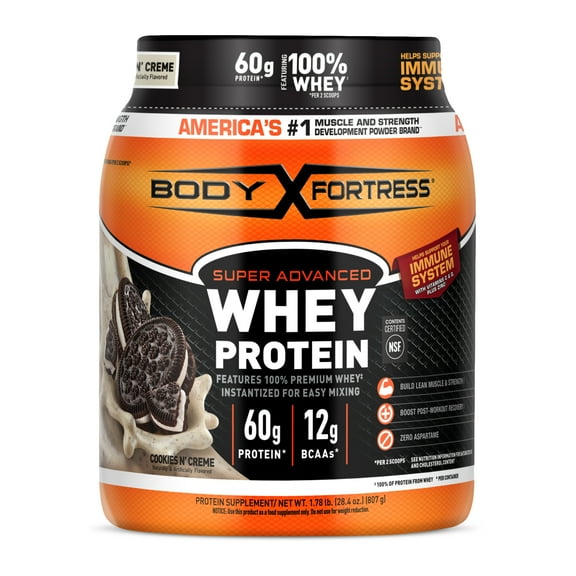
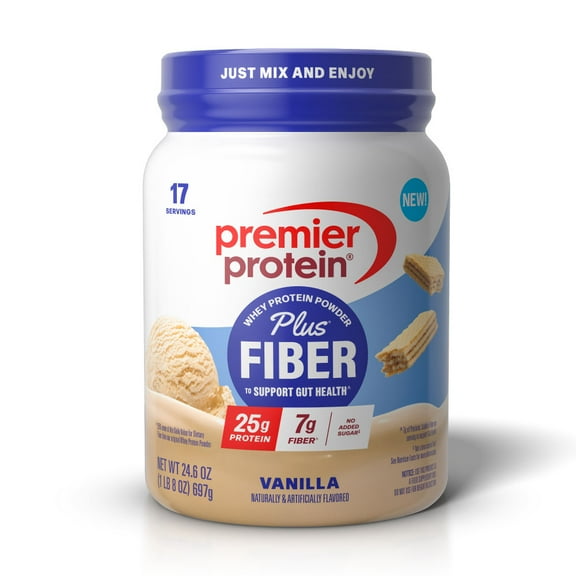
About Whey Protein in Protein Powder - Walmart.com
Whey protein gives you a practical way to compare powder types, flavors, and serving formats for your routine. You can sort through isolate, concentrate, and blends with clearer guidance on mixability, taste, and protein per scoop.
If you train often, plan meals carefully, or want simpler shake prep, you need guidance that fits this category. You can use this guide to compare filtration, flavor profile, ingredient style, and everyday use without guessing.
How to choose whey protein powder
When you compare whey protein powder, you should start with protein type because filtration changes texture, protein percentage, and formula style. You can narrow choices faster when you know whether you want whey isolate, whey concentrate, hydrolyzed whey, or a blend.
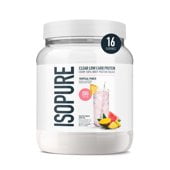
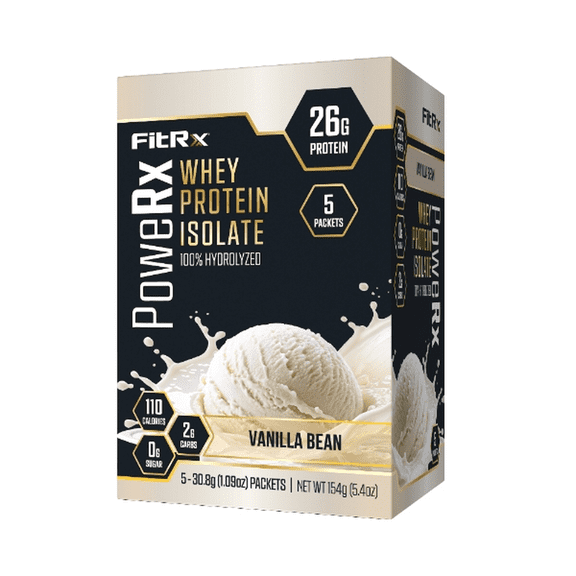
Whey isolate protein usually goes through extra filtration, so you often get a higher protein percentage in a similar scoop. You may prefer that format when you want a lighter texture and a simpler macro breakdown.
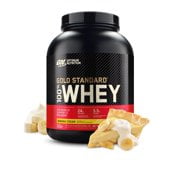
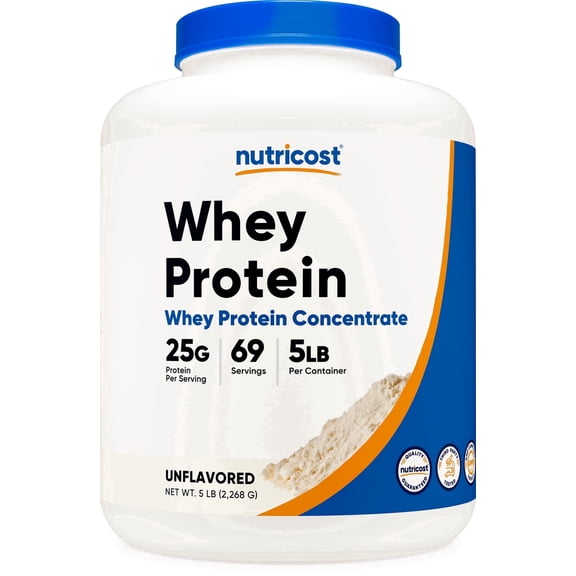
Whey protein concentrate usually keeps more of the original milk components, which can change taste, texture, and protein percentage per serving. You may like concentrate when you want a creamier shake and a less processed format.
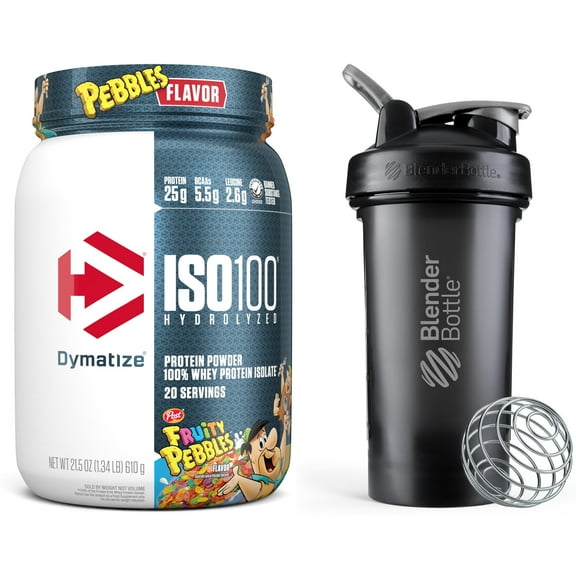
Hydrolyzed whey uses additional processing that creates a different mixing experience in your bottle or blender. You may compare it when you want a formula that blends quickly into water after training.
- You can use isolate for a higher protein percentage per scoop.
- You can choose concentrate for a fuller texture and classic shake feel.
- You can compare blends when you want a balance of taste, texture, and formula style.
- You can check hydrolyzed whey when quick mixing matters in your routine.
Choosing flavors, mixability, and ingredient style
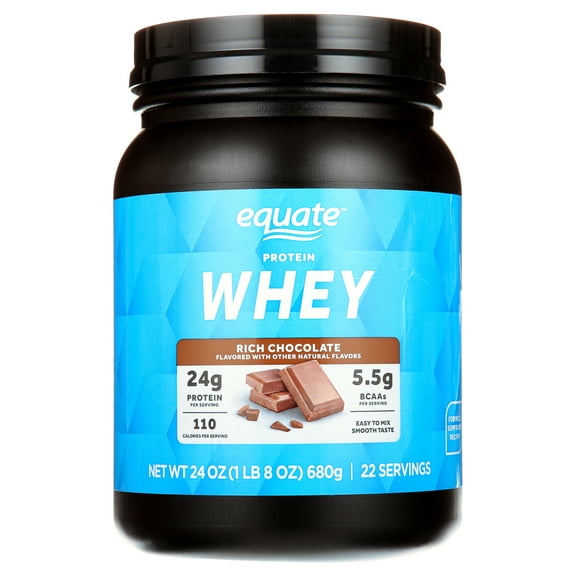
Flavor profile shapes how often you may use your powder, so you should compare chocolate, vanilla, strawberry, and unflavored options carefully. You can also use flavor choice to match smoothies, oatmeal, coffee, or simple shaker bottle mixes.
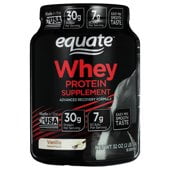
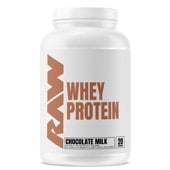
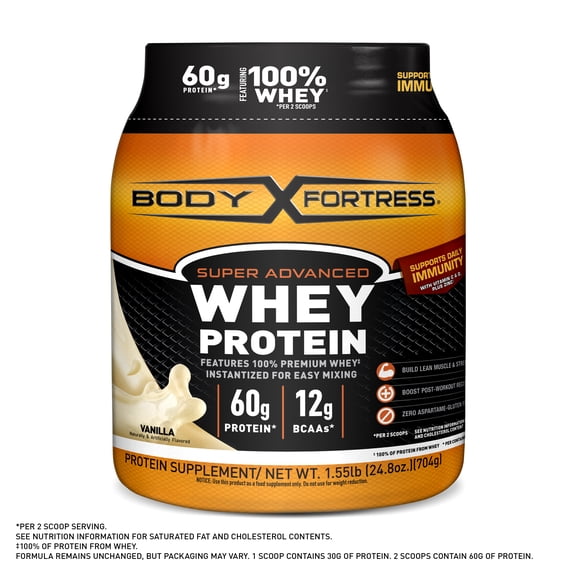
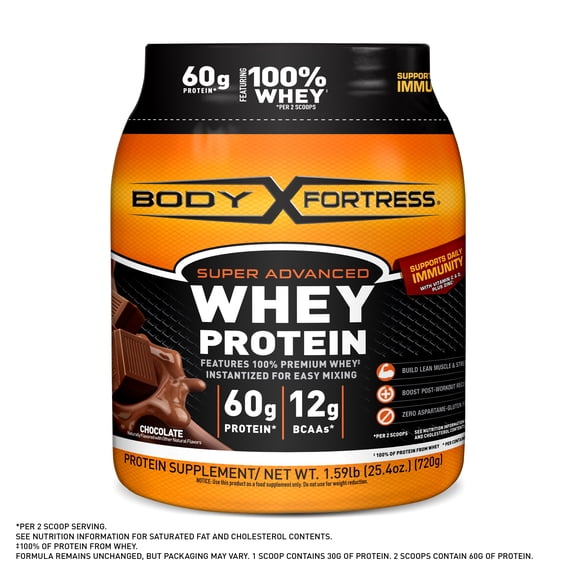
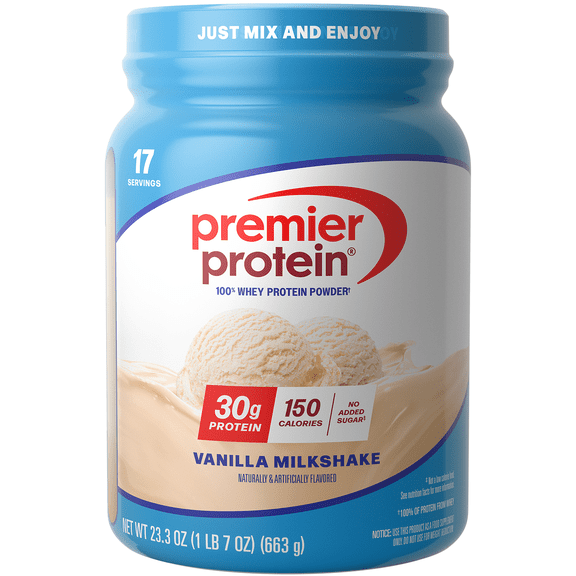
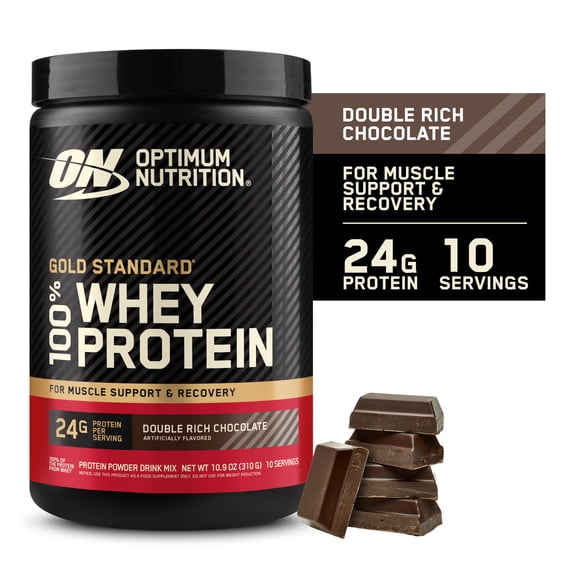
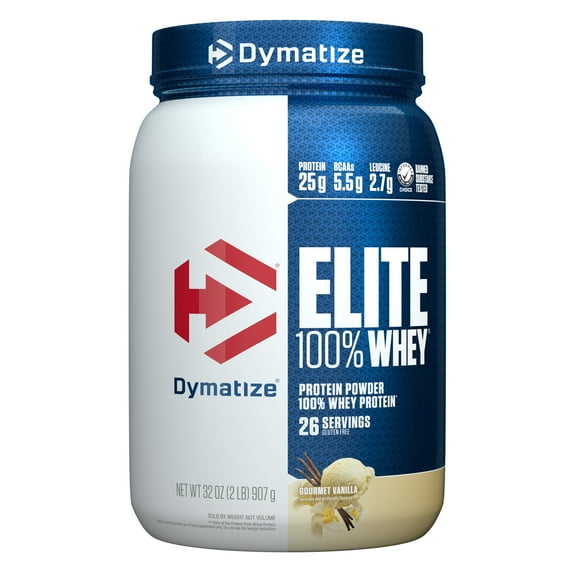
Chocolate formulas often give you a richer taste that can cover strong protein notes. You may prefer vanilla whey protein when you want a flexible base for fruit smoothies and overnight oats.
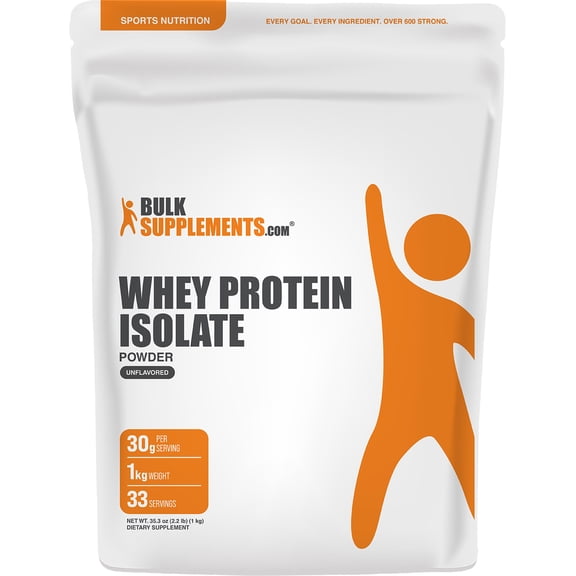
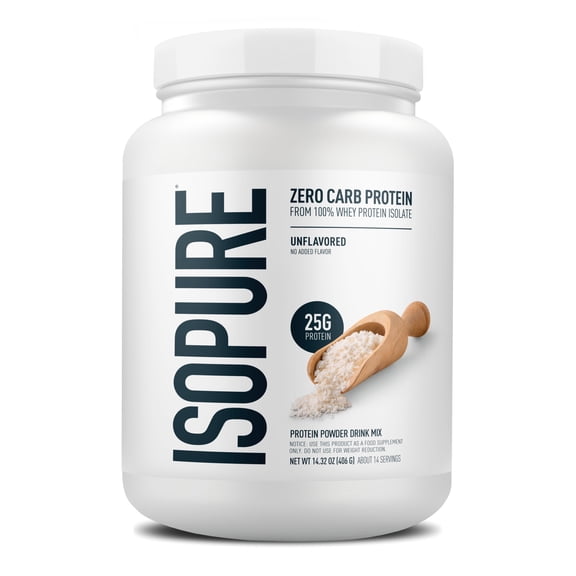
Unflavored options work well when you want more control over sweetness and recipe use. You can stir them into pancake batter, yogurt, or sauces without adding dessert-like flavor.
Mixability matters because you want a shake that blends smoothly instead of sitting foamy or chalky at the bottom. You should check whether a formula mixes easily with water, milk, or a shaker bottle.
Ingredient style can also guide your choice when you compare grass fed whey protein, organic, sugar-free, or gluten-free labels. You can read the panel to check sweetener type, flavor system, and the length of the ingredient list.
If you want fewer extras, you should compare formulas with simpler labels and fewer added ingredients. If you like sweeter shakes, you may choose standard formulas with flavor systems that create a dessert-inspired taste.
Comparing whey protein by serving details
Protein per serving matters greatly when you compare the scoop size beside the grams of protein. You should use simple math and see how much powder you’re mixing to get each serving.
A larger scoop doesn’t always mean you’re getting more protein in proportion to the powder amount. You can compare serving weight, protein grams, and servings per container for a clearer view.
Filtration level also affects those numbers, especially when you compare whey isolate and concentrate side by side. You may notice isolate formulas often list a higher protein percentage for a similar serving size.
Additives matter when you want a formula that matches your routine and taste preferences. You should check for artificial sweeteners, flavoring systems, thickeners, and extra ingredients before you choose.
Grass fed whey protein may stand out when you want a sourcing-focused option within this category. You can compare those labels with standard formulas if your buying decision includes ingredient sourcing and label simplicity.
Matching whey protein to your routine
Your daily schedule can point you toward the right format faster than brand names alone. You should match the powder to how you train, how you mix it, and how often you use it.
If you make quick post-workout shakes, you may want a formula that mixes cleanly in water and tastes smooth without extra blending. You can look for isolate or hydrolyzed options when convenience and lighter texture matter.
If you build shakes into breakfast, you may prefer concentrate or blends with fuller body and richer flavor. You can use chocolate or vanilla options in smoothies with fruit, oats, nut butters, or milk.
If you want recipe flexibility, unflavored powder can fit oatmeal, baked goods, yogurt bowls, and simple mixes more easily. You can add protein without locking yourself into a sweet flavor every day.
If your goal includes muscle building, you should compare protein grams per serving and container size for steady use. You can also check whether the scoop size fits your meal planning and training frequency.
If you focus on weight loss or post-workout recovery, you may want a formula with a simpler macro profile and easy mixing. You can compare sweetness level, flavor strength, and ingredient extras to keep your routine consistent.
You can choose more confidently when you compare whey protein by filtration, flavor, scoop math, and ingredient style instead of label claims alone. You can land on a powder that mixes smoothly, fits your recipes, and supports a routine you’ll keep using.