

Nipple Shields in Feeding






About Nipple Shields in Feeding - Walmart.com
What can I use to treat cracked nipples due to nursing?
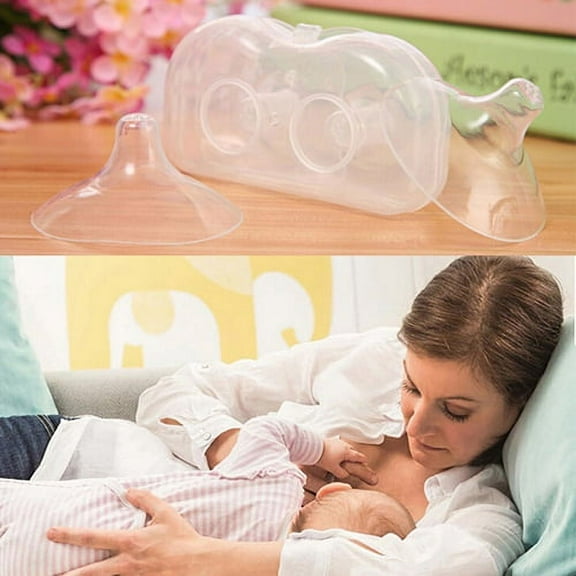
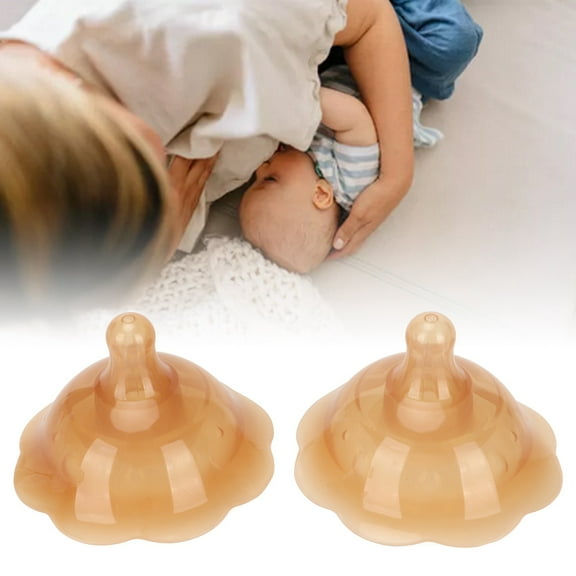
Cracked nipples can be a painful condition when nursing your baby. You want to avoid lotions or creams with fragrance. Choose natural ointments that are safe for you and baby to heal the area; for example, coconut oil, vitamin E, or lanolin-based emollients. Use a nipple shield to nurse baby until the cracks are healed, and consider icing your breast after nursing to ease pain and reduce inflammation.
How do I know what sized nipple shield to buy?
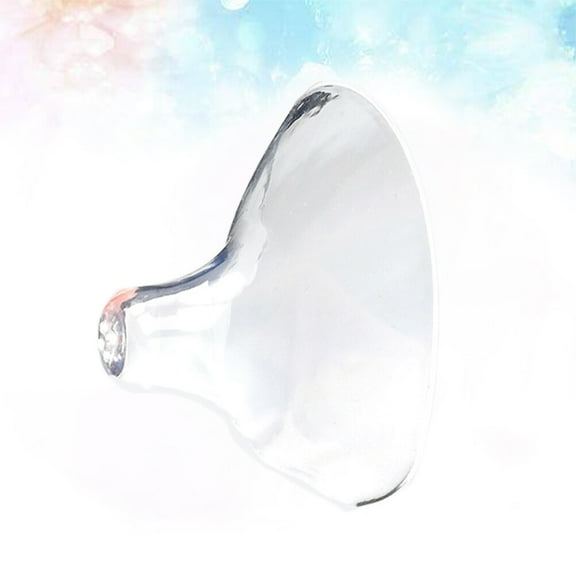
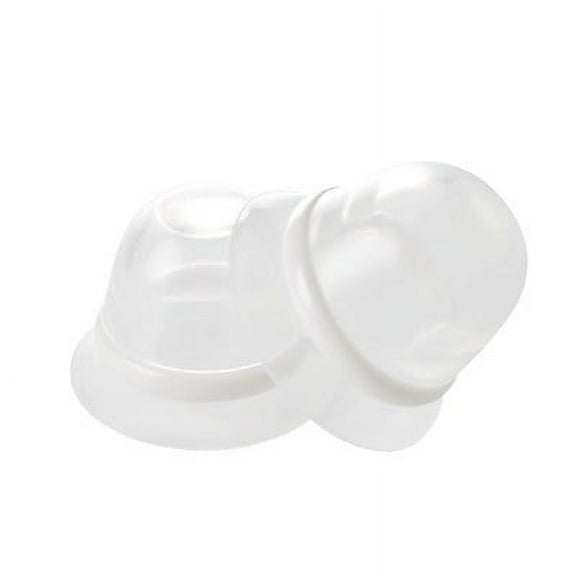
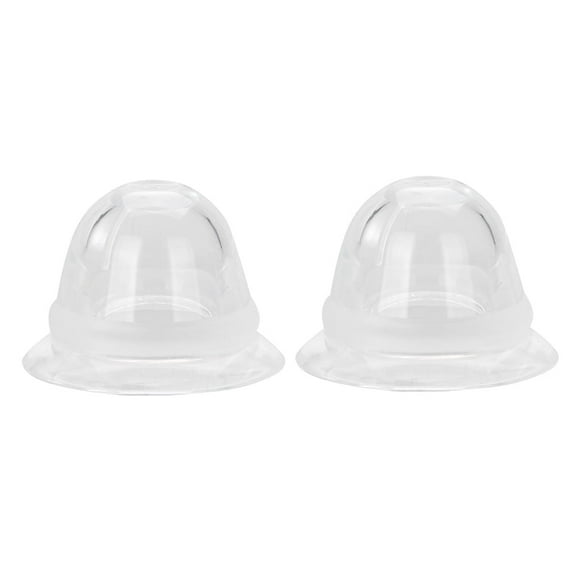
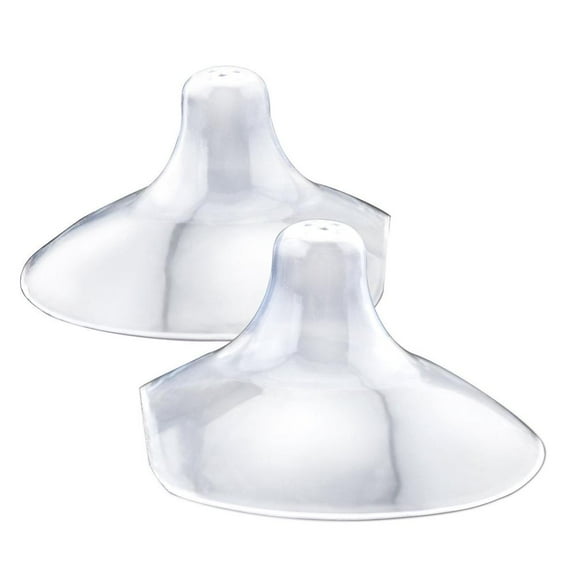
Nipple shields typically come in small, medium, and large. Each size will have a varying diameter in size across the length of the shield. Small shields are typically 20 mm, medium 22 mm, and large 24 mm, though it depends on the brand of the shield. It may take some trial and error in choosing the best size, and you may find that you need to change sizes as your baby gets bigger. Most women start with the smaller size when nursing newborns and move up to medium or large as the baby gets older. If you feel a stinging sensation, pinching, or pulling while nursing, the shield is not the right fit or the baby is not properly latched. If the baby gags while nursing, the shield is likely too big.
How do I use a nipple shield to nurse my baby?
Clean the shield under hot soapy water before use. While the shield is still damp, place it against your breast so that your nipple is in the center of the shield where the nipple of the shield is. The shield should suction slightly to the surrounding skin. Just as you would breastfeed a baby without a shield, approach the baby’s mouth to form a latch. Once latched, you may feel a small pinch or pressure but you should feel no pain after latching.