







Eye Care in Health












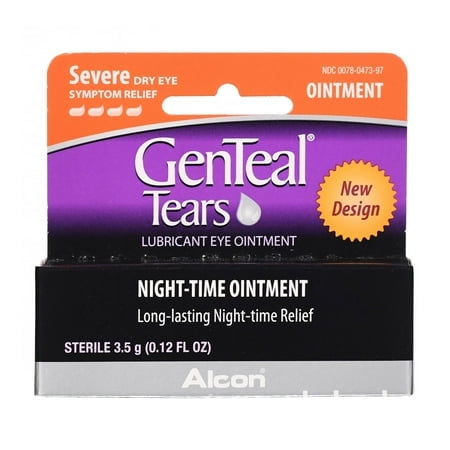


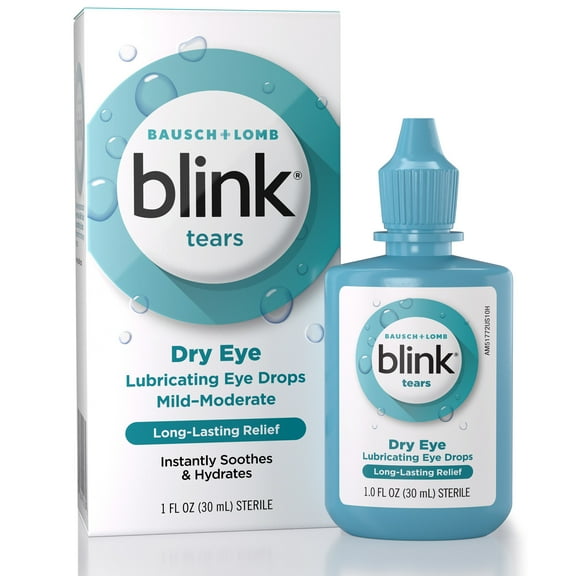
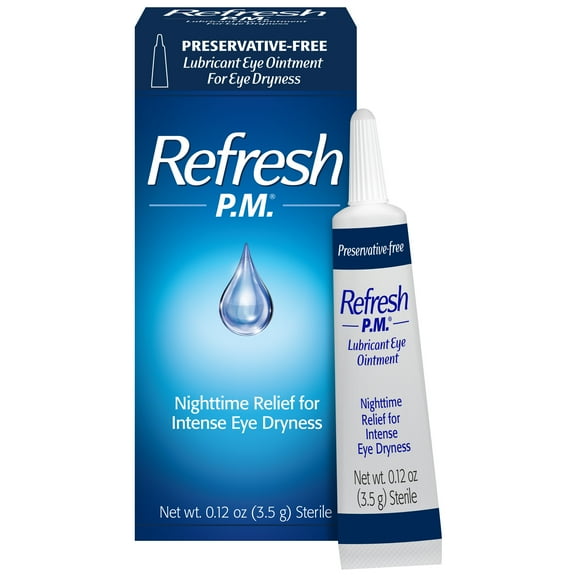
About Eye Care in Health - Walmart.com
Eye care options help you match dryness, contact lens needs, and daily routines with the right format. You can compare eye drops, contact lens solution, eye wash, and eye vitamins in one place.
If your eyes feel dry, itchy, or tired during long days, you can narrow choices faster with clear decision points. You can also look for preservative-free formulas, lens compatibility, and age-specific options before you choose.
How to choose eye care by product type
You can start with product type because each option serves a different purpose in your routine. You may want eye drops for moisture, contact lens solution for lens care, eye wash for rinsing, or eye vitamins for daily support.
When you compare formats, you can match the item to how you use it during the day. You should check labels for adult or kids use, contact lens wearers, and sensitive eyes.
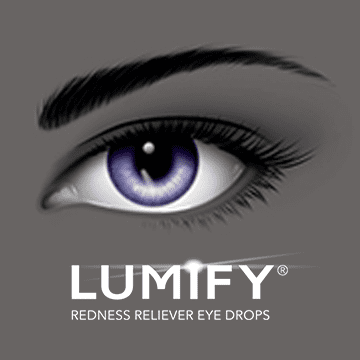
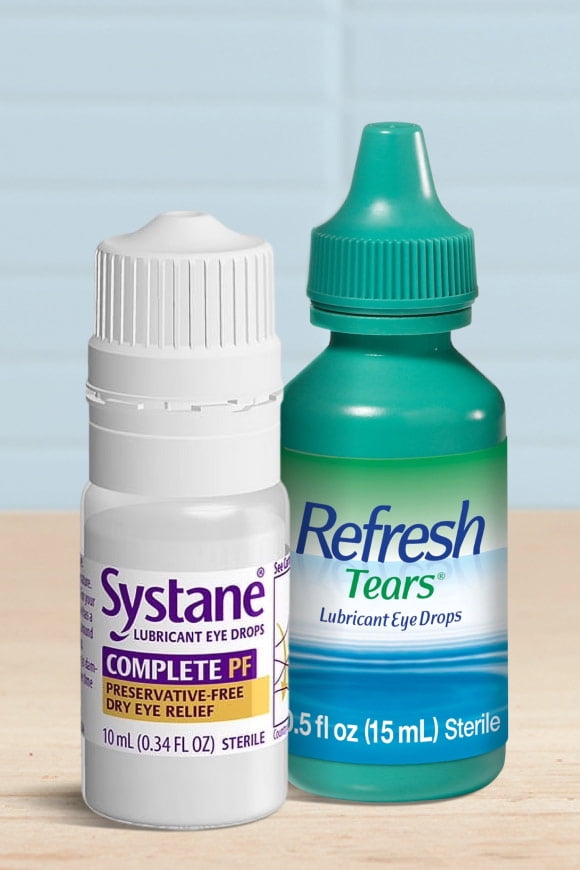
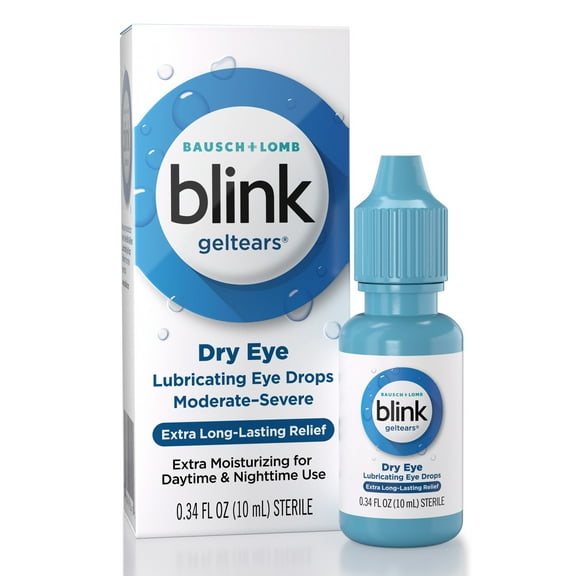
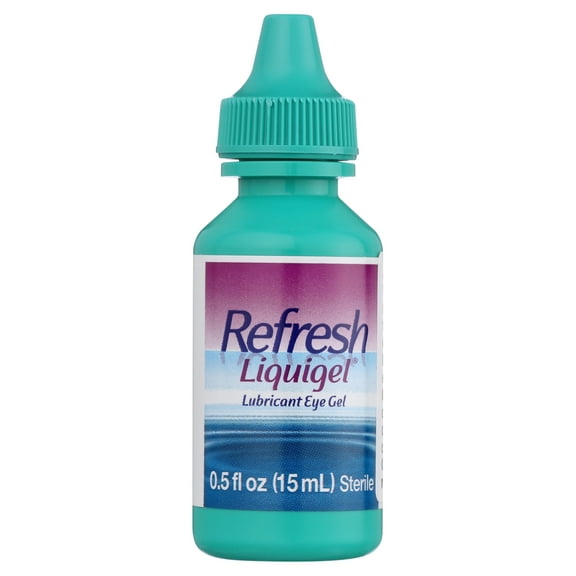
- You can use eye drops when you want quick moisture or targeted comfort.
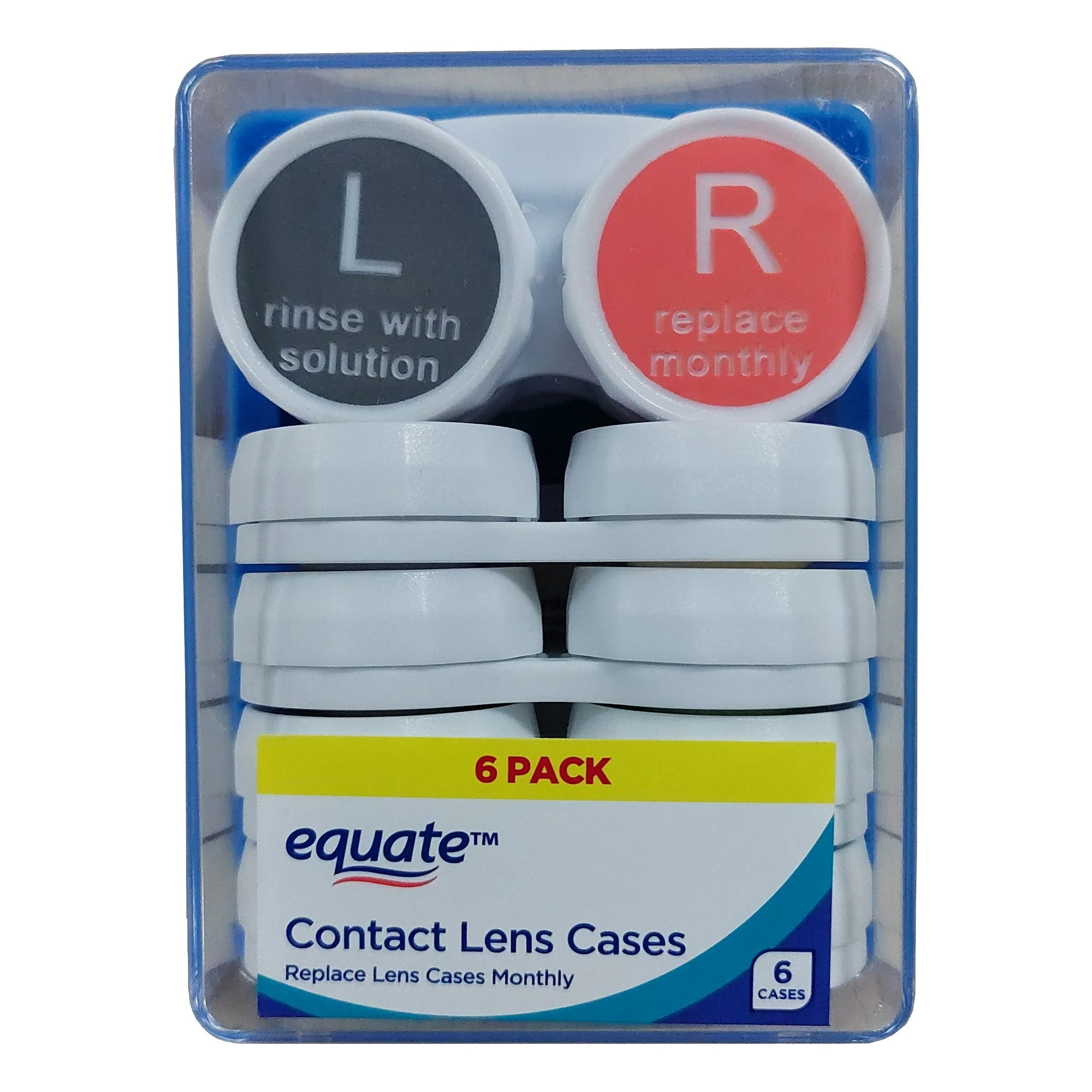
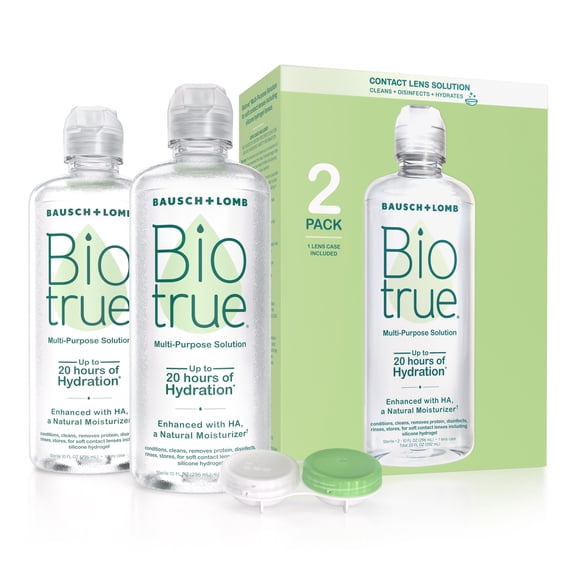
- You can choose contact lens solution when your lenses need cleaning, rinsing, or storage support.
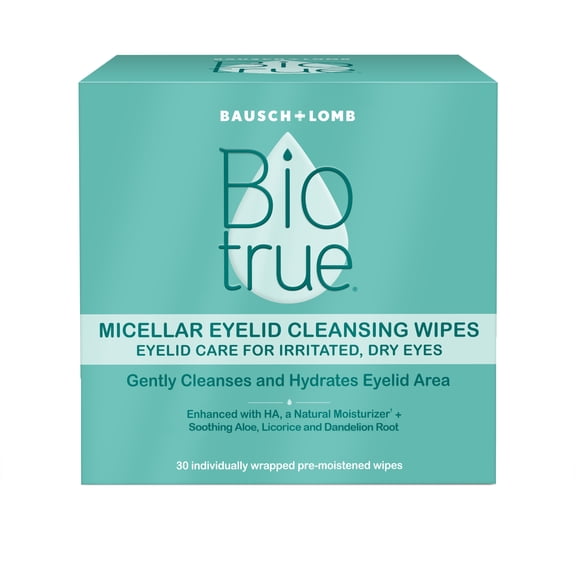
- You can pick eye wash when you want a gentle rinse format.
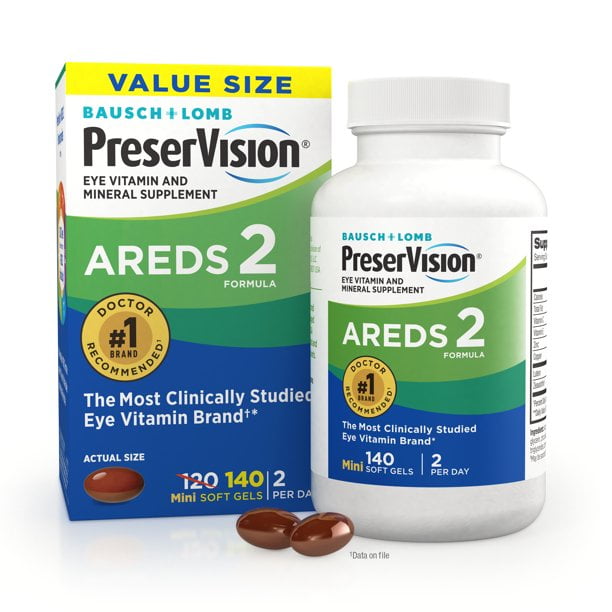
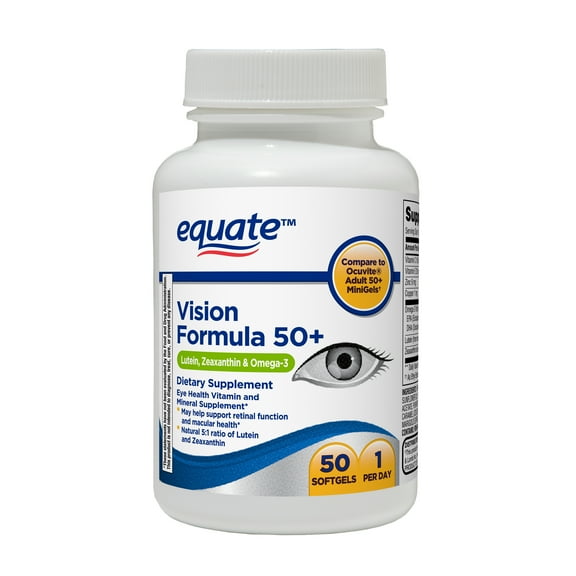
- You can add eye vitamins when you want a daily supplement format in your routine.
You can save time by choosing the category that fits your main concern first. You can then compare bottle style, ingredient format, and intended user with less guesswork.
Choosing eye drops for dry eye relief and redness concerns
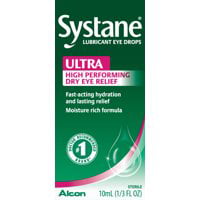
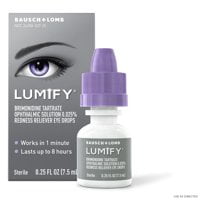
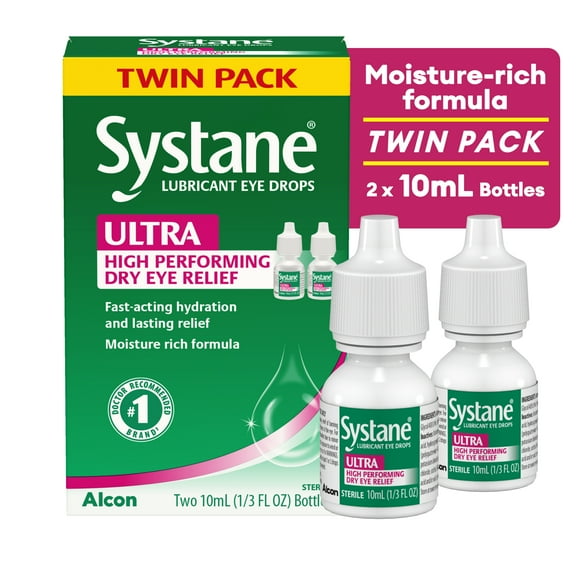
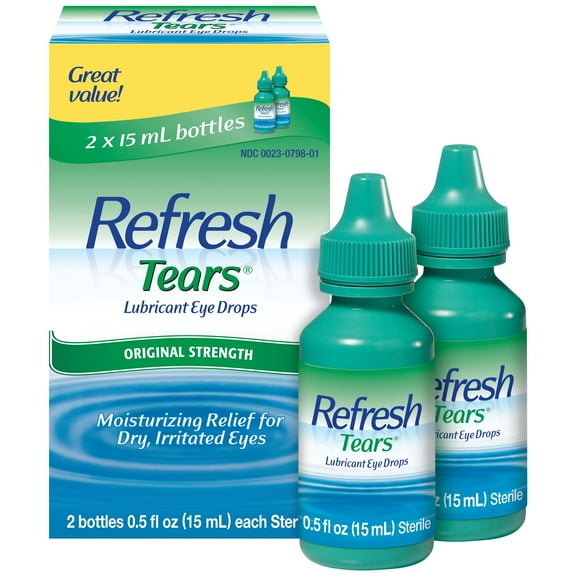
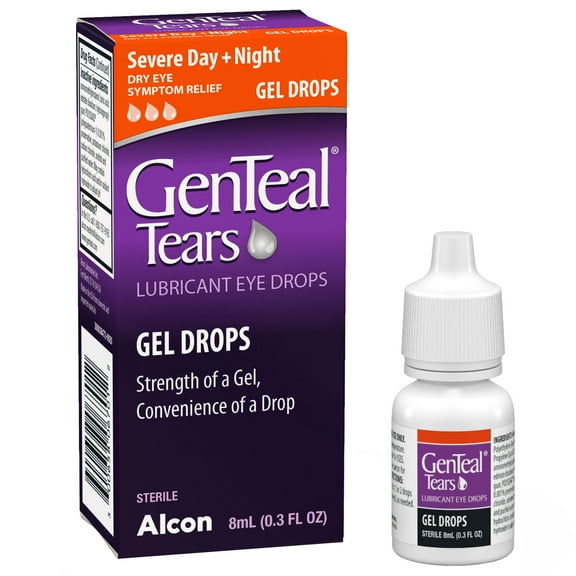
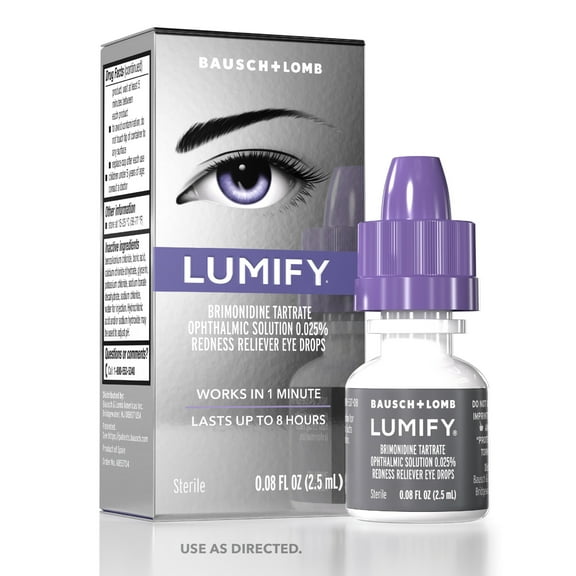
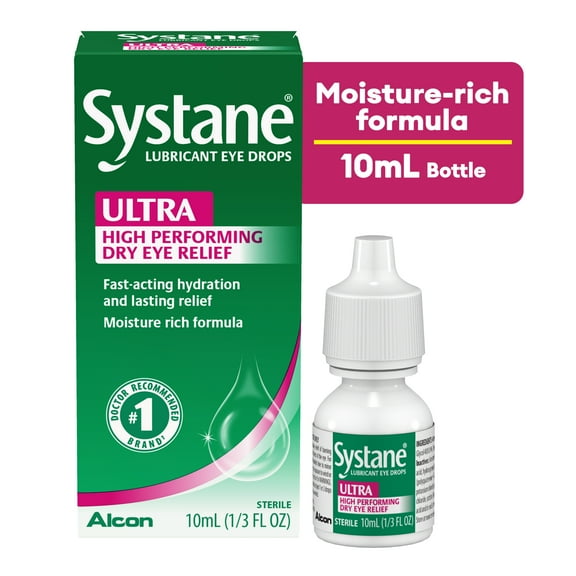
You can compare eye drops by symptom concern, because dryness, redness, and seasonal itch call for different formulas. You should look for dry eye relief when you want lasting moisture during screen time, travel, or indoor air exposure.
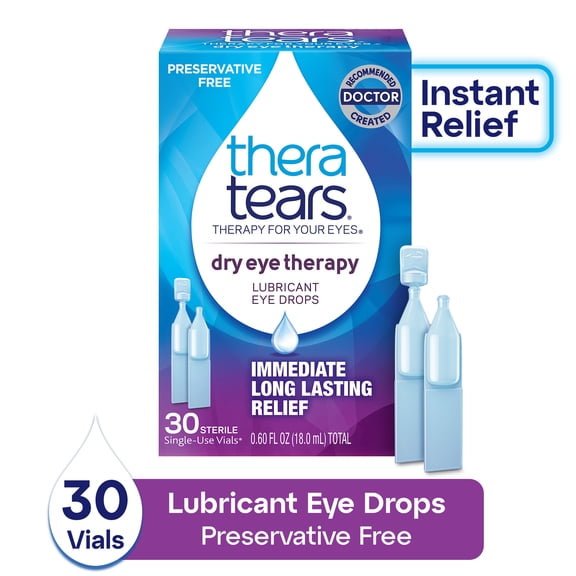
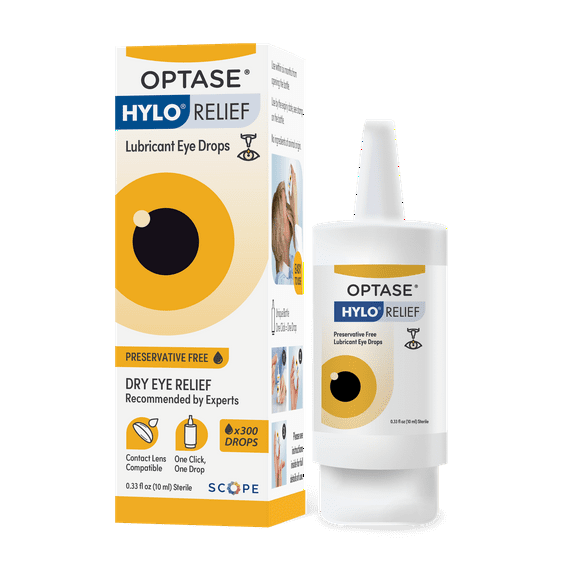
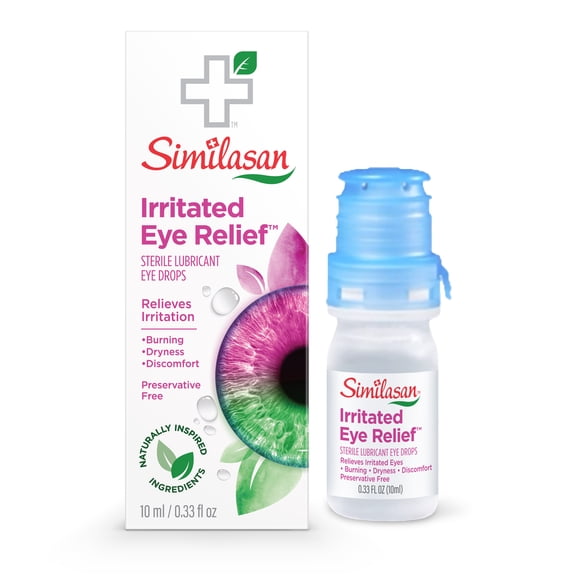
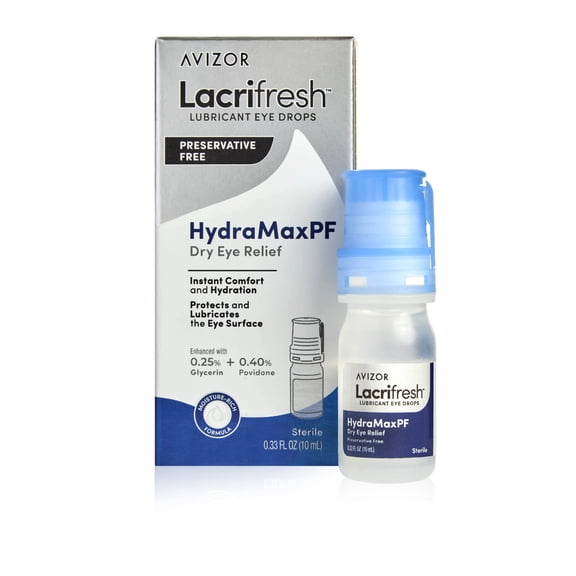
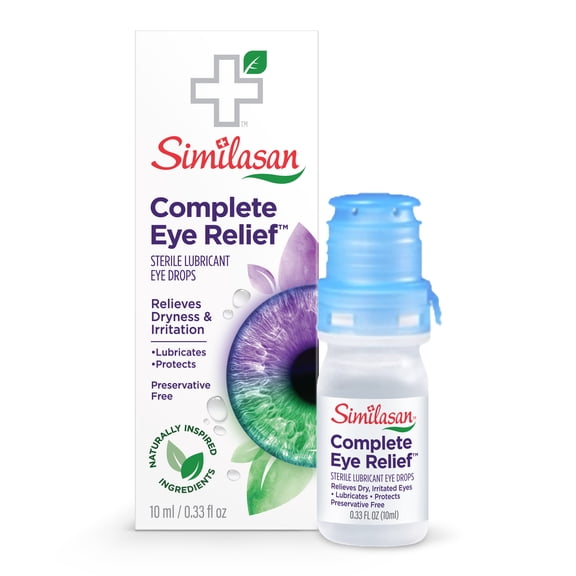
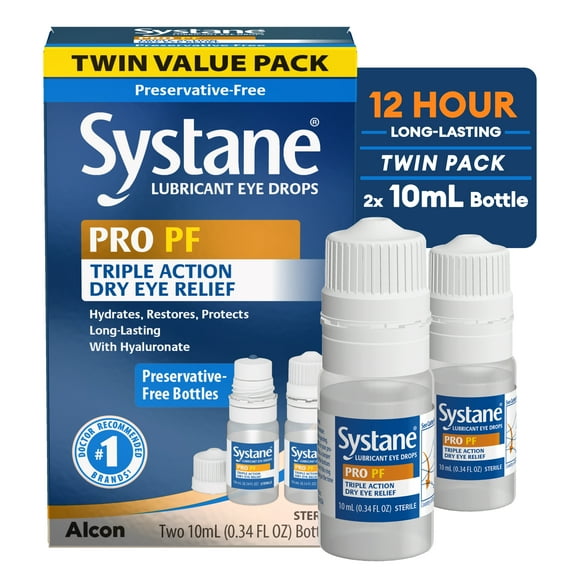
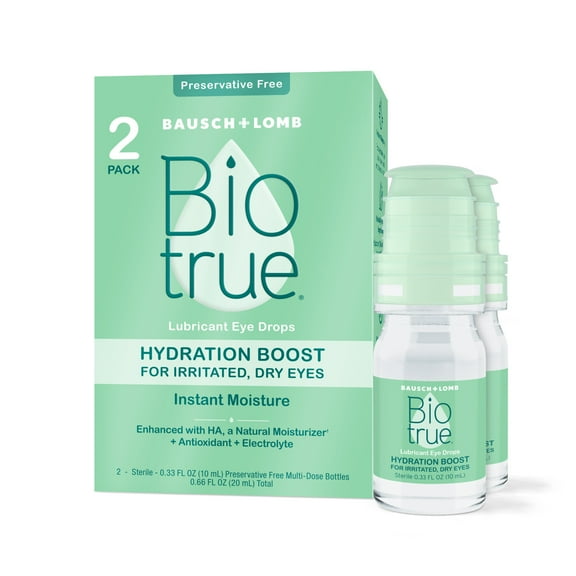
If your eyes feel sensitive, you may prefer preservative free eye drops for a simpler routine. You can also compare single-use vials and multi-dose bottles based on how often you apply drops.
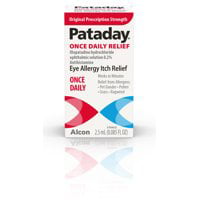
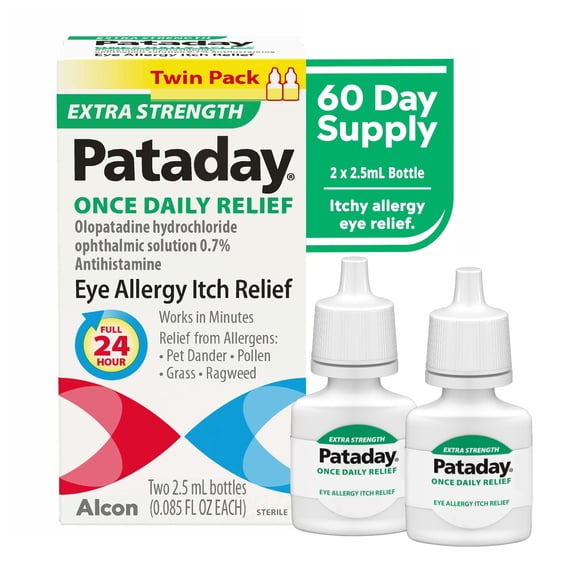
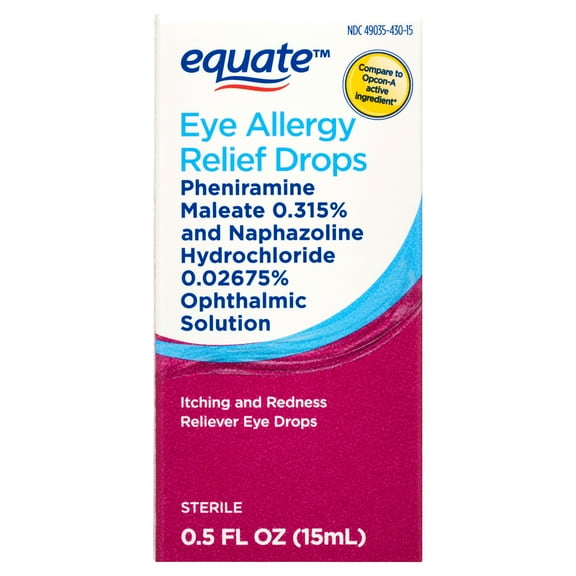
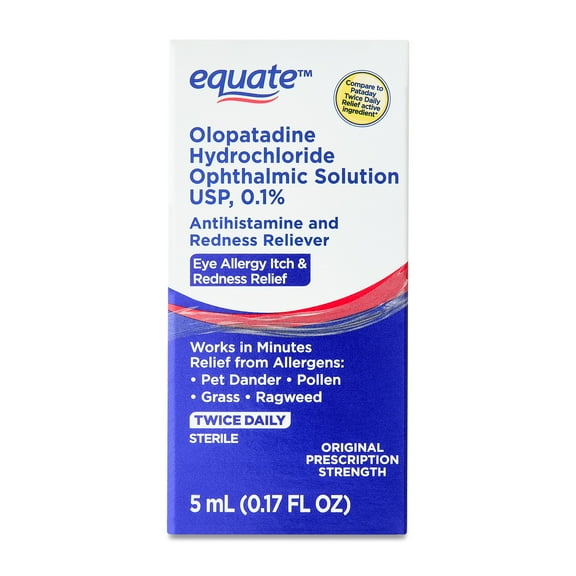
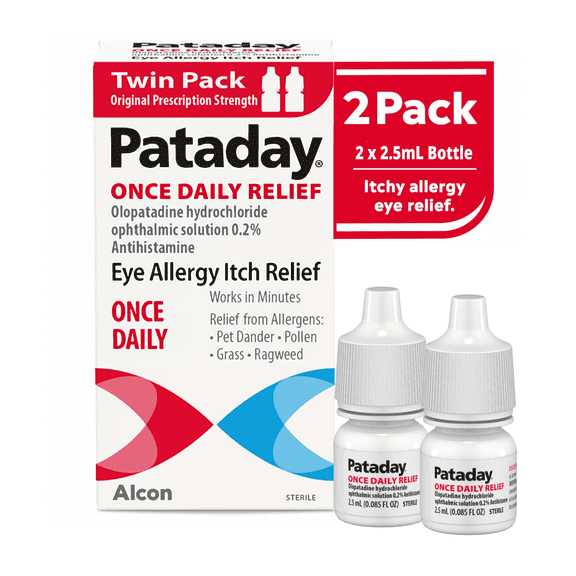
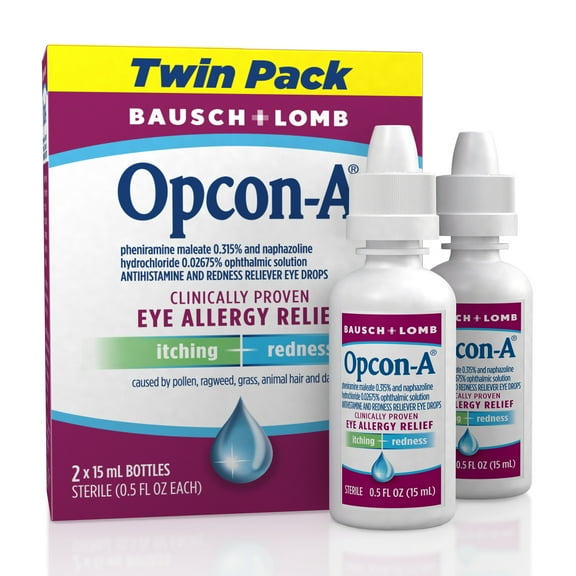
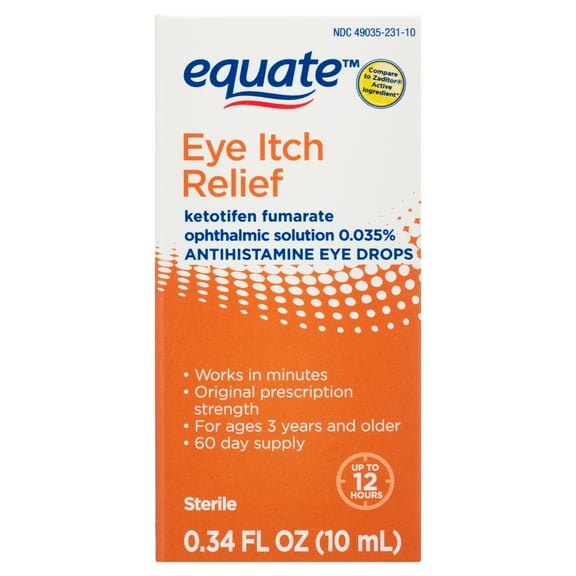
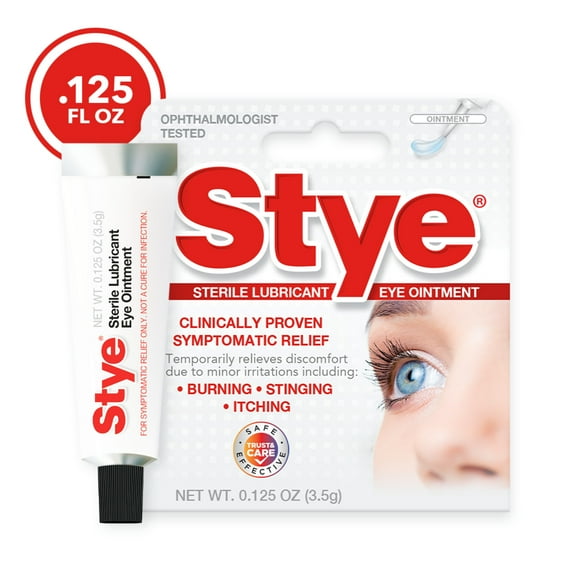
You can use allergy eye drops when seasonal pollen or dusty rooms affect your daily comfort. You should match the label to your concern so your choice fits dryness, redness relief, or allergy eye relief.
For frequent use, you should check application directions and bottle type before you decide. You can often find plain-language guidance that helps you understand daily use without sorting through complicated terms.
What to look for in contact lens solution and eye wash
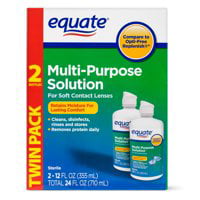
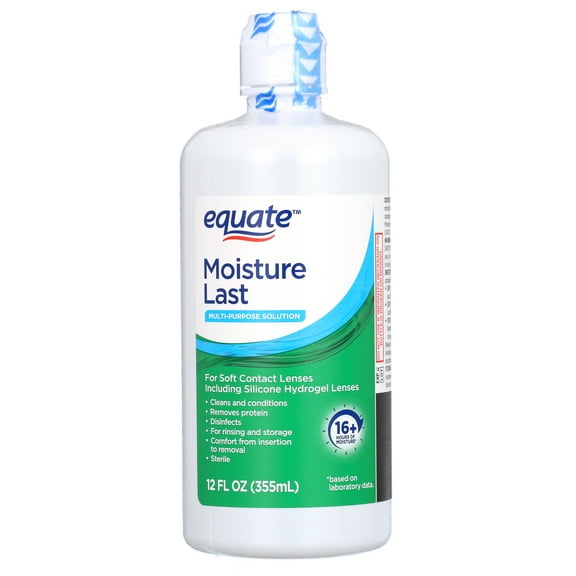
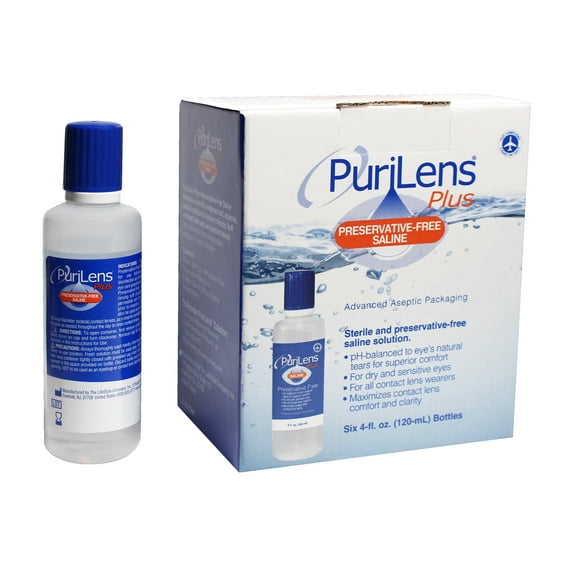
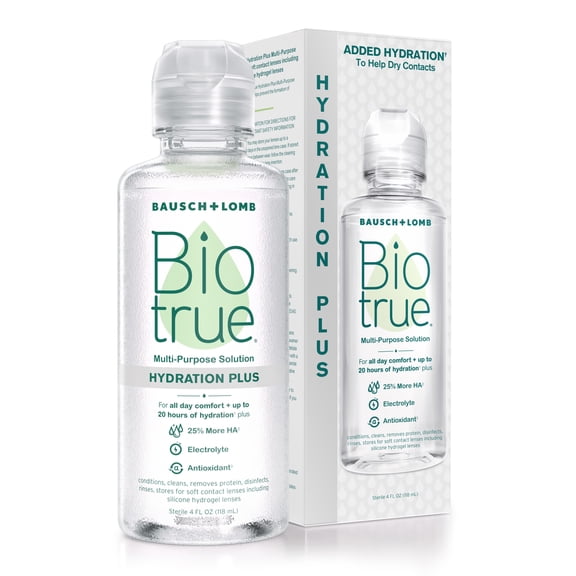
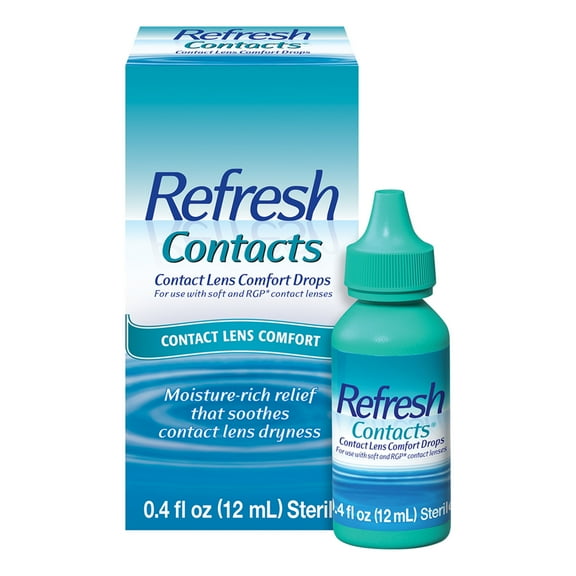
You should check whether a contact lens solution matches your lens type and care routine. You can compare cleaning, rinsing, and storage directions to make daily lens care easier to follow.
If you wear contacts, you may want formulas labeled for contact lens wearers and sensitive eyes. You should also review preservative type and compatibility details, because those points matter when you use lenses every day.
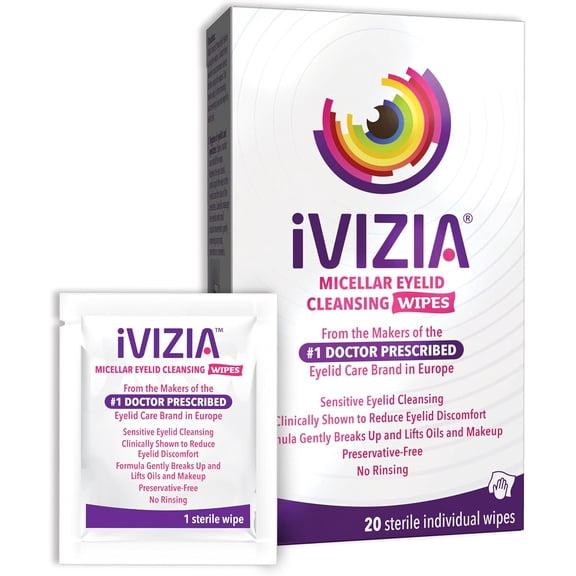
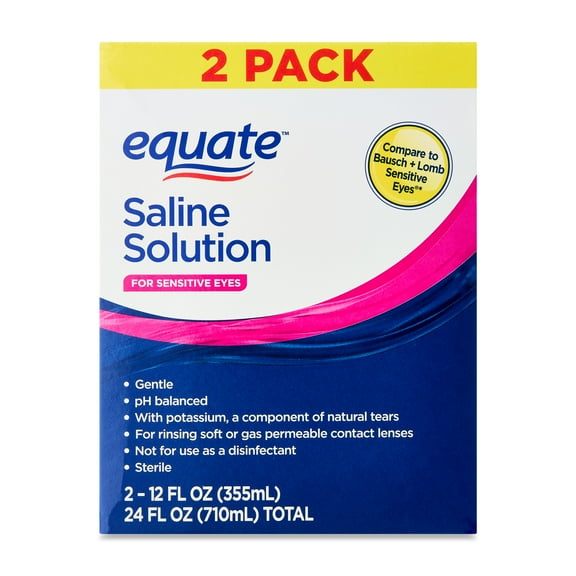
You can choose eye wash when you want a rinse format rather than standard drops. You should look for sterile packaging and clear use directions, especially when you prefer a straightforward daily routine.
When you compare bottle size and dispensing style, you can pick an option that fits home, work, or travel. You may also want products with easy-to-read instructions that simplify repeat use.
Comparing formulations for sensitive eyes and daily use
You can narrow eye care choices faster when you compare formulation details side by side. You should look for preservative-free, sterile, homeopathic, or multi-dose wording based on how simple you want your routine.
If your eyes are easily irritated, you may prefer preservative free eye drops in single-use vials. You can also consider multi-dose packaging when you want fewer separate pieces in your bag or desk.
You should review how often you plan to use drops during the day before picking a formula. You can then compare package directions, because frequency guidance often varies by product type and intended use.
For family routines, you can check whether a formula is labeled for adults or kids. You should also confirm whether contact lens wearers can use it without changing their normal lens care steps.
Matching eye care to your routine
You can build a more useful routine when you match products to real moments in your day. You may keep eye drops at your desk, contact lens solution in your bathroom, and eye wash in a grab-and-go spot.
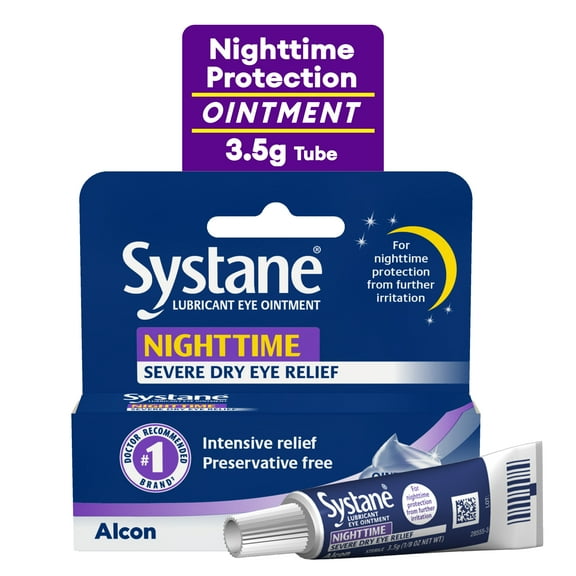
During spring and fall, you may focus on allergy eye relief and allergy eye drops for seasonal changes. On long screen days, you may focus on dry eye relief and preservative-free options for frequent application.
If you travel often, you can compare compact bottles, single-use vials, and easy-pack storage sizes. You should also check whether your choice supports adults, kids, or contact lens wearers in your household.
You can round out your routine with eye vitamins when you want a supplement format alongside drops or lens care. You’ll get a clearer path to the right fit when you compare symptom, formulation, and user needs together.
Eye care becomes easier to shop when you use product type, symptom concern, formulation, and user fit as your guide. You can choose with more confidence when labels, formats, and daily-use details line up with your routine.