





Frozen Foods


















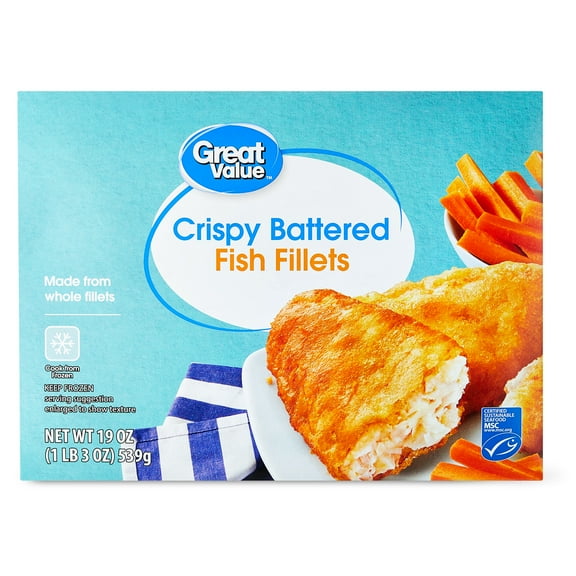
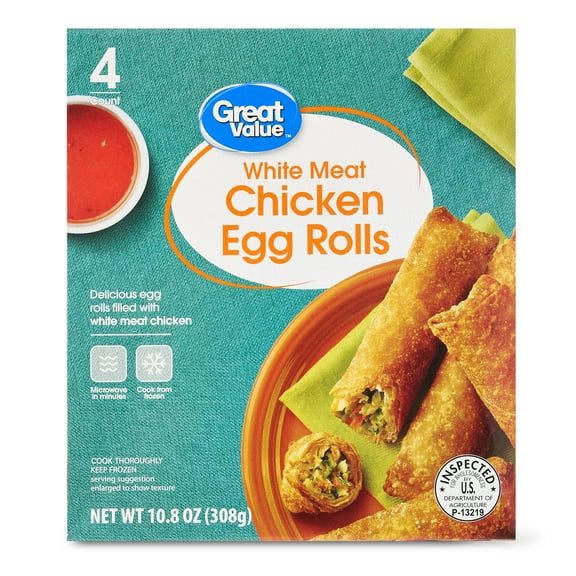


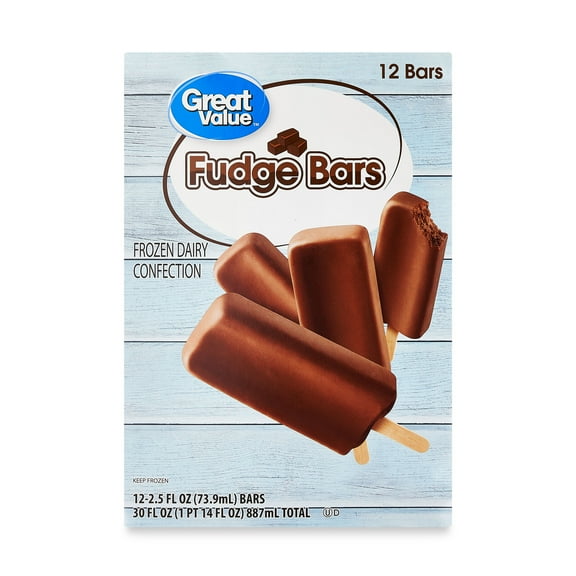
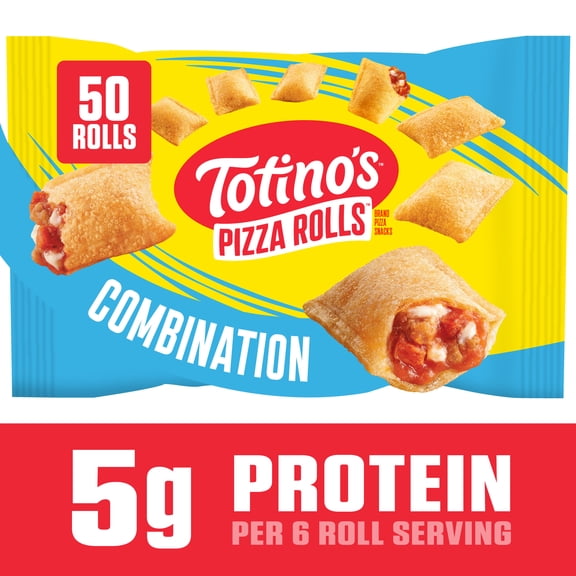
About Frozen Foods - Walmart.com
Frozen foods help you keep meals flexible, stocked, and easier to plan through busy weekdays and relaxed weekends. Across this category, you can compare meal types, dietary preferences, prep methods, pack sizes, and freezer needs.
How to choose frozen foods for your routine
Start with meal type, so you can narrow options faster and match food to the moment. You may want breakfast sandwiches, frozen entrees, vegetable sides, desserts, or quick snacks.
For solo lunches, you can begin with single-serve frozen meals and frozen dinners. For group meals, you can compare family size trays and bulk packs.
Easy frozen food simplifies meal planning when you want more variety across the week. With breakfast items, skillet meals, pizza nights, and desserts, you can reduce guesswork.
Key benefits you can expect from frozen meals
When your schedule shifts late in the day, you can keep ready-to-make options close at hand. With breakfast, lunch, sides, and dessert covered, your freezer can support faster meal decisions.
Portion options also help you plan meals around who you're feeding that night. Single-serve packs can fit lunches, while family trays can support shared dinners.
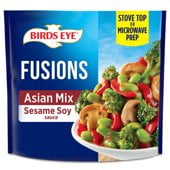
Preparation style matters because your appliances shape how dinner comes together. You can compare microwaveable bowls, oven-ready bakes, air-fryer friendly snacks, and skillet meals for stovetop cooking.
- You can build breakfasts, lunches, dinners, sides, and desserts from one freezer category.
- Your portions can match solo meals, family dinners, or larger household stocking needs.
- You can choose formats that fit your microwave, oven, air fryer, or skillet.
- Your household can compare labels for gluten-free, vegan, keto, organic, or low-sodium preferences.
Variety across cuisines and formats can keep your weekly plan from feeling repetitive. With frozen dinners for busy nights and frozen desserts for weekends, you can keep more options ready.
What to look for in frozen foods and labels
When dietary preferences guide your choices, you should check front-of-pack cues and full ingredient lists. Look for certified gluten-free or organic labels when those details matter in your household.
If sodium content matters in your routine, you can compare sodium milligrams and daily value percentages. Those details help you understand how a frozen entree fits into the rest of your day.
Preparation method also matters because you need food that matches your appliances and timing. You can look for microwaveable meals for speed, oven-ready pans for larger portions, or air-fryer friendly items for crisp texture.
Packaging size changes how each option fits your routine and available freezer space. You may prefer single-serve packs for work lunches, while family size meals support shared tables.
Storage temperature can shape how you organize a standard freezer or a deep freeze. With that detail in mind, you can sort bulk packs, frozen vegetables, and desserts more efficiently.
As you compare frozen foods, you may also check sauce style, breading, crust type, or vegetable blends. Those category details help you choose frozen meals that match your tastes and cooking habits.
Choosing frozen dinners by meal type and diet
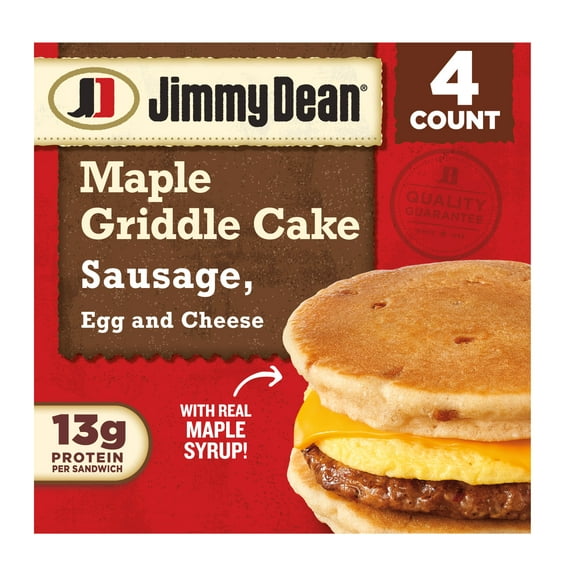
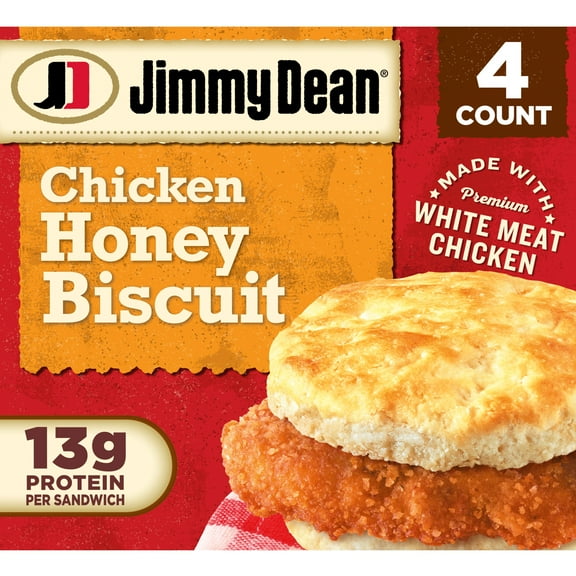
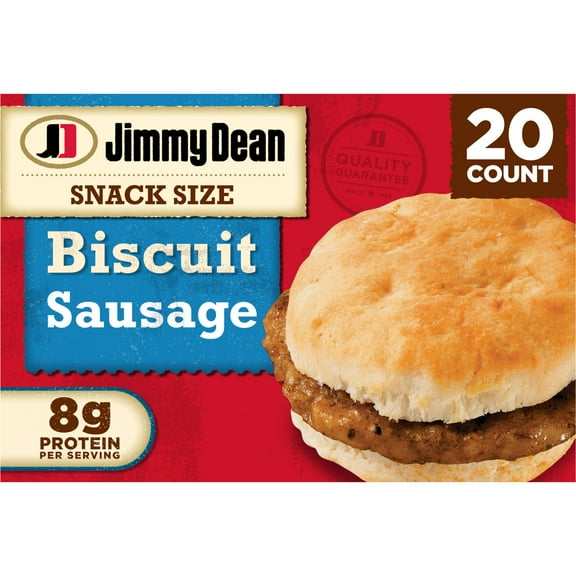
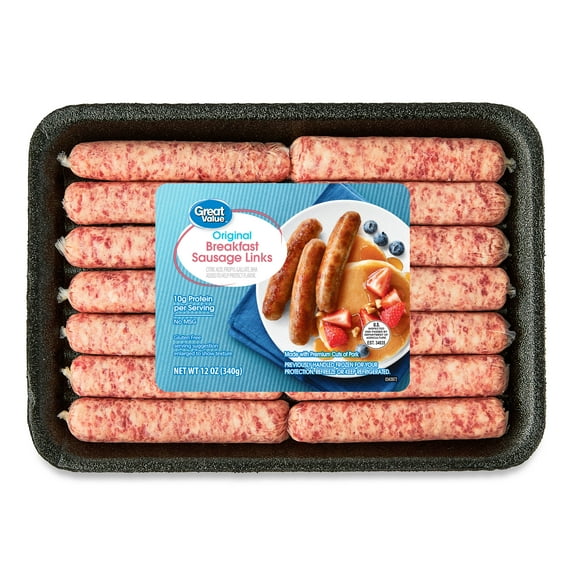
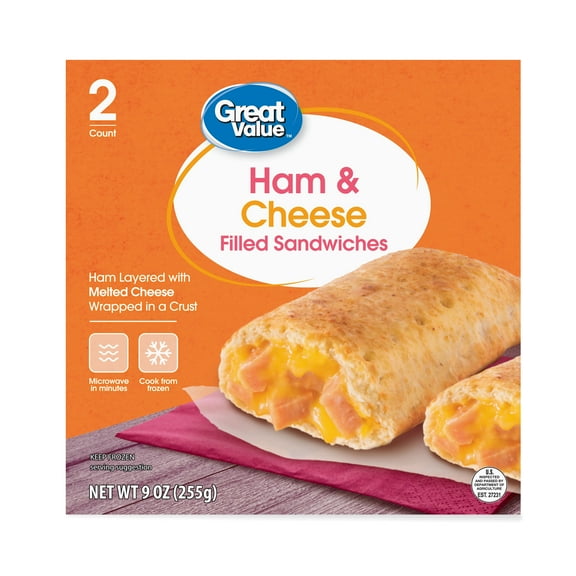
For breakfast, you can focus on sandwiches, burritos, waffles, and bowls that heat quickly before work or school. Fast options can fit mornings when your routine leaves little room for extra prep.
At lunch or dinner, you can compare frozen dinners, pasta trays, rice bowls, and other frozen entrees. Before choosing, you can check serving count, cooking time, and side-dish needs.
If your household follows a specific eating style, you can sort by gluten-free, vegan, keto, organic, or low-sodium options. When labels and ingredients align with your routine, you can make clearer meal choices.
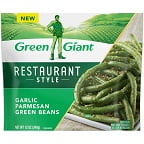
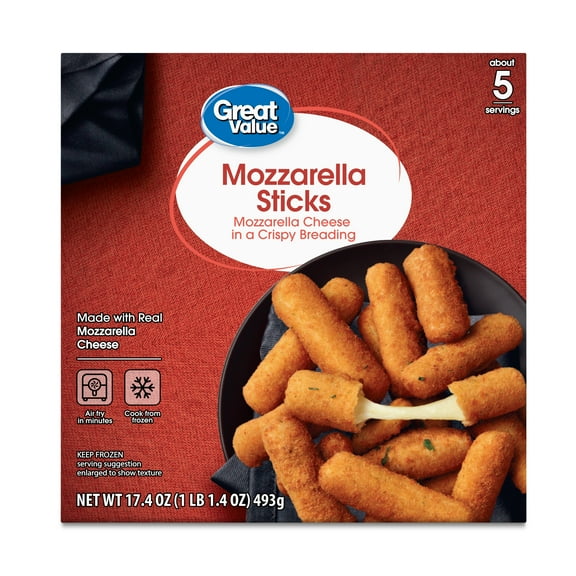
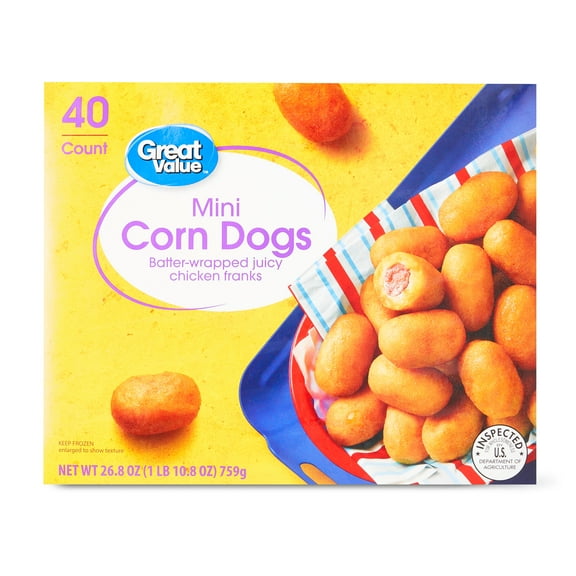
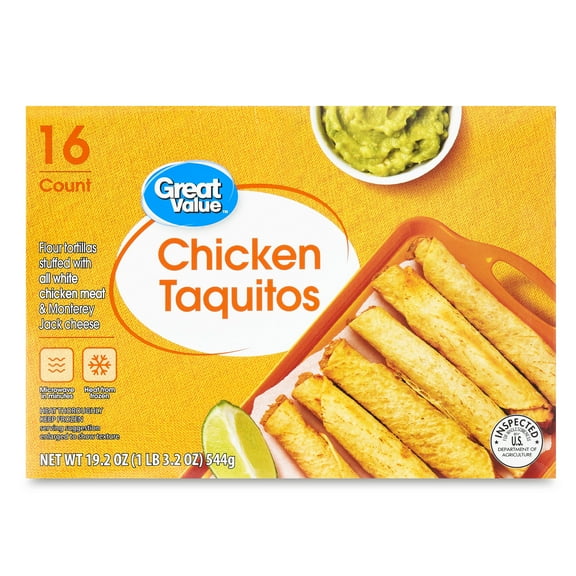
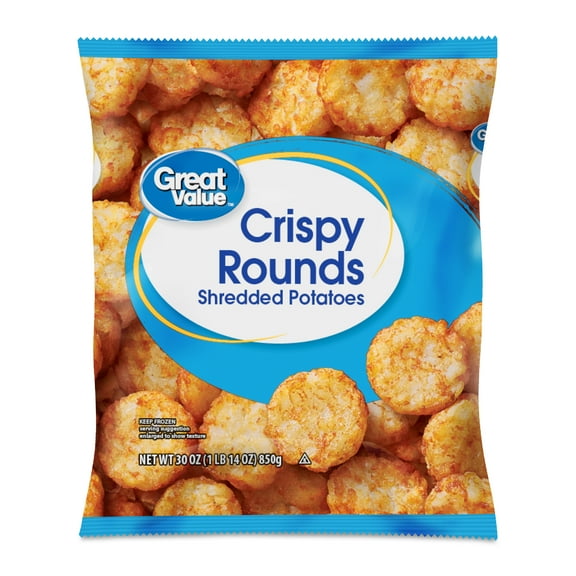
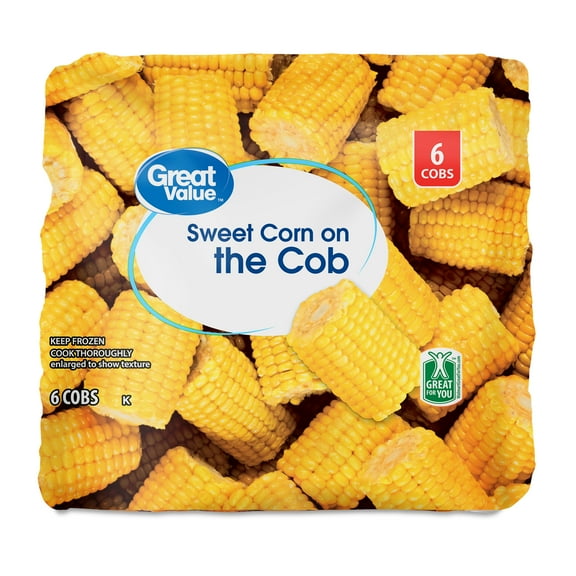
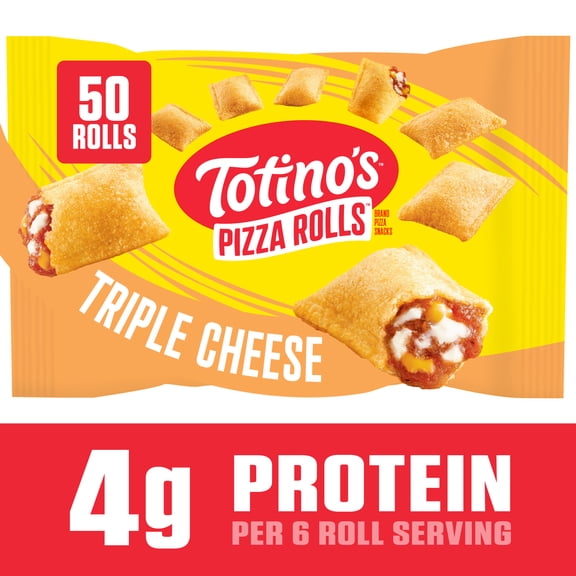
Snacks and sides can fill gaps between full meals and support flexible menus. You can pair air-fryer friendly appetizers with skillet meals, or add frozen vegetables beside a pasta dish.
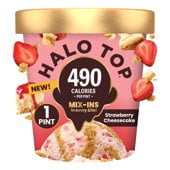
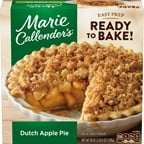
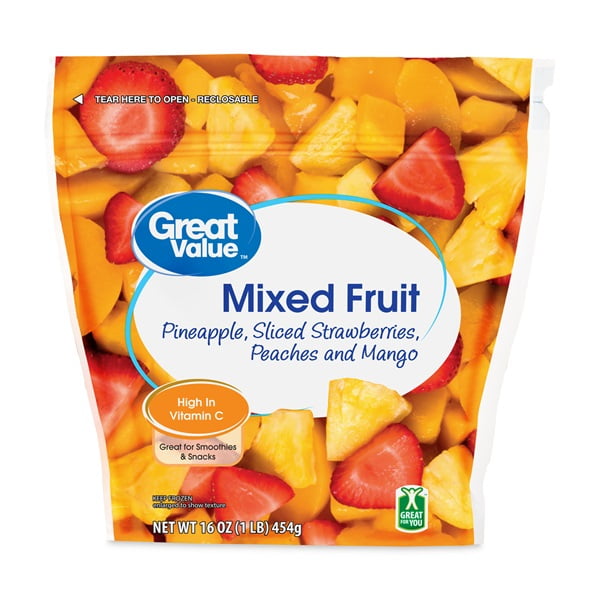
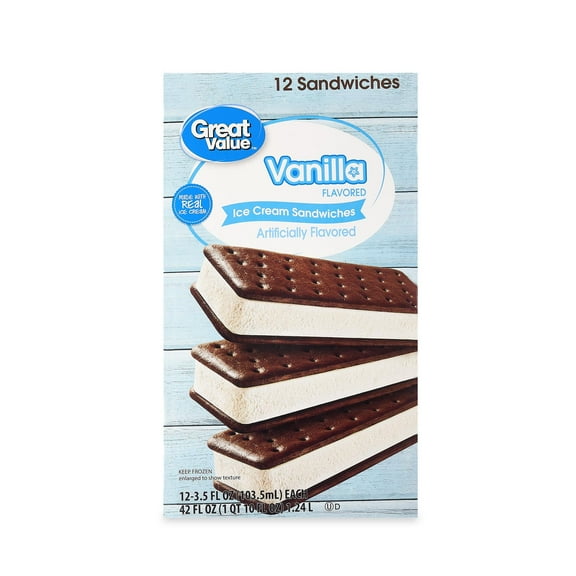
Desserts round out the category when you want something sweet stored and ready in your freezer. Portioned bars, pies, and novelty treats can fit different serving needs in your home.
Using frozen foods for weekly meal planning
With frozen foods in your freezer, you can build a practical plan for weekdays, weekends, and backup meals. That approach can give your household easier coverage for late meetings, school nights, and casual gatherings.
For fast lunches, you can keep microwaveable bowls or single-serve frozen meals ready between tasks. That setup can cut down on midday prep while keeping your portions predictable.
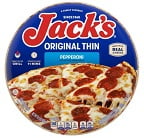
For family dinners, you can rely on oven-ready casseroles, pizzas, or larger frozen dinners with simple sides. You can serve a full meal with less hands-on cooking time.
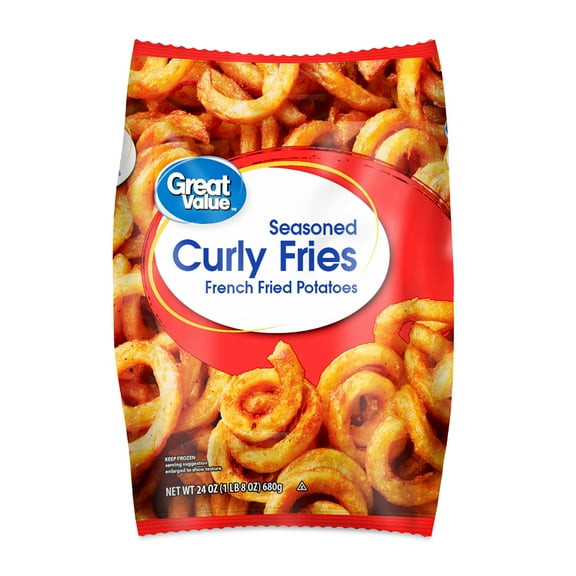
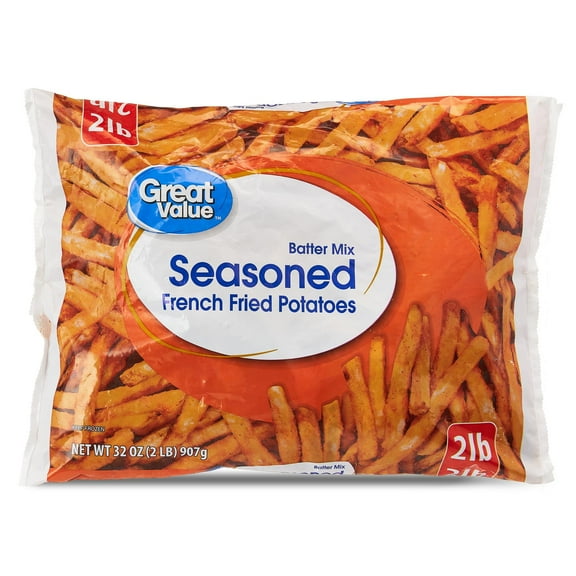
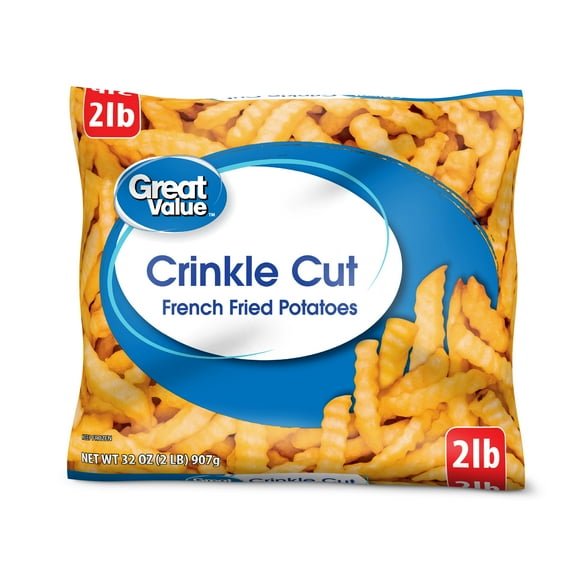
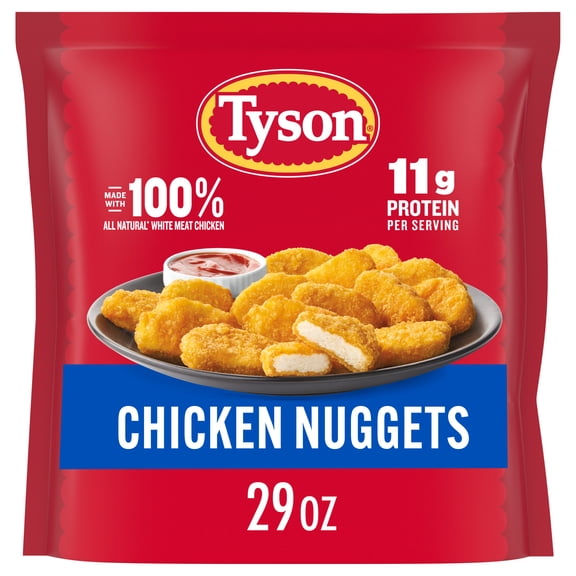
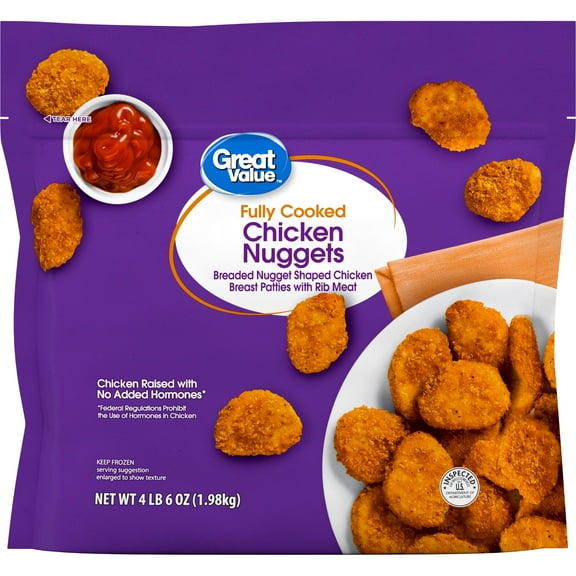
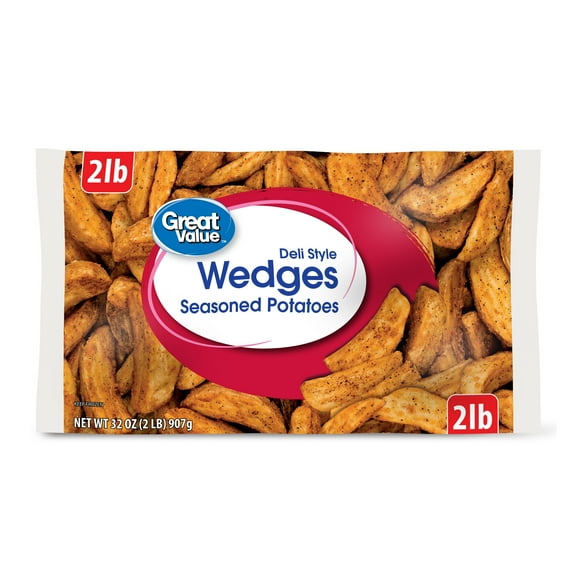
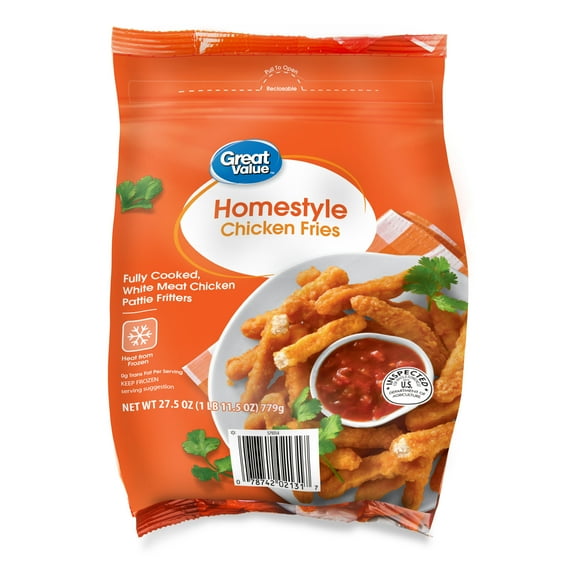
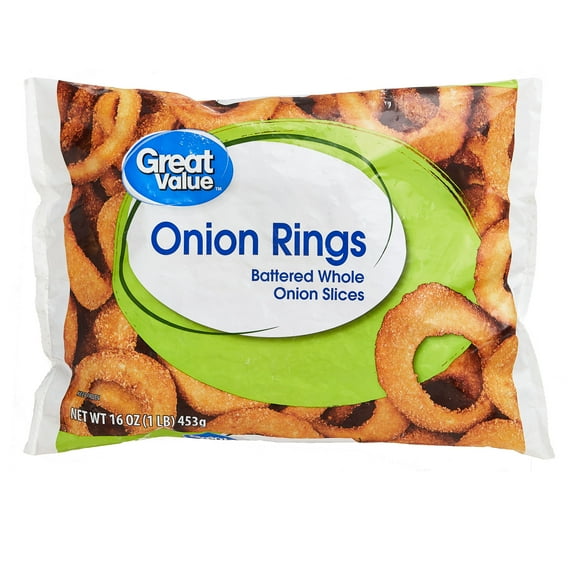
If crisp texture matters in your routine, you can choose air-fryer friendly snacks, fries, or chicken items. That prep method can fit many weeknight routines with quick finishing.
When you stock your freezer thoughtfully, you can mix breakfast items, easy frozen food, vegetables, and desserts across the week. With that mix, you can create more meal combinations from less planning effort.
By comparing labels, portions, prep methods, and storage needs together, you can choose frozen foods with more confidence. Your freezer can support quick meals and smooth weekly planning.