

Baking in Food














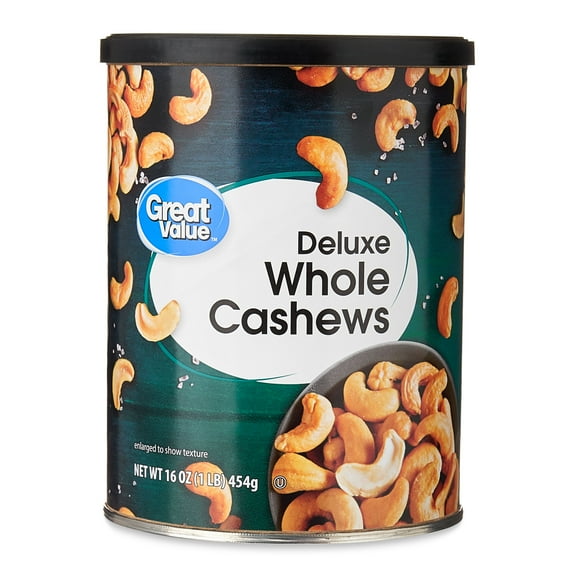

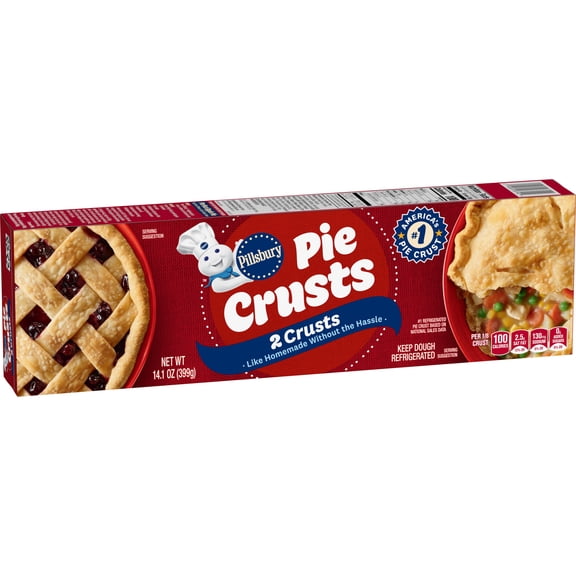


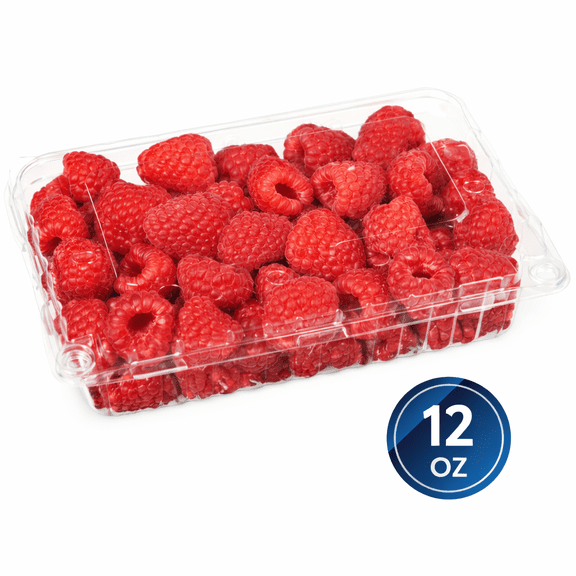

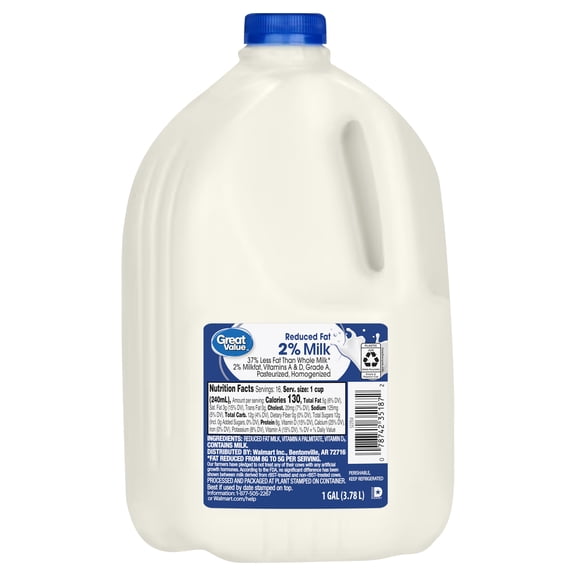
About Baking in Food - Walmart.com
Baking ingredients help you stock your pantry for cookies, breads, cakes, and seasonal treats with fewer last-minute substitutions. You can compare flour, sugar, yeast, baking powder, and chocolate chips in one place, so your recipes stay on track.
When you shop this category, you can also sort through baking supplies that support everyday mixing, decorating, and batch prep. You’ll find practical options for standard recipes, gluten free baking ingredients, and holiday baking supplies throughout the year.
How to choose baking ingredients for your recipes
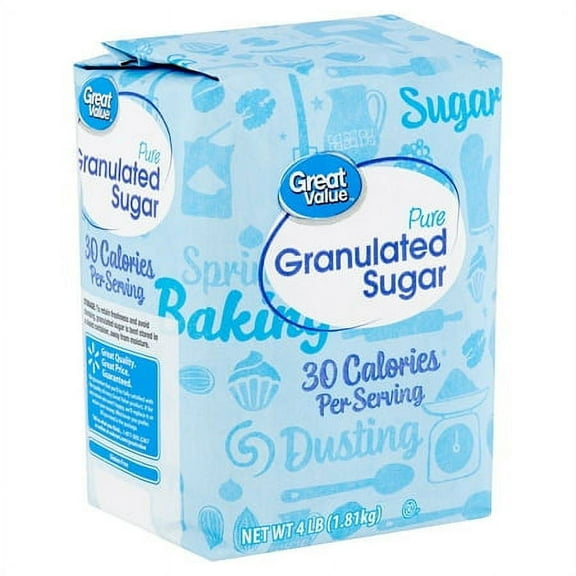
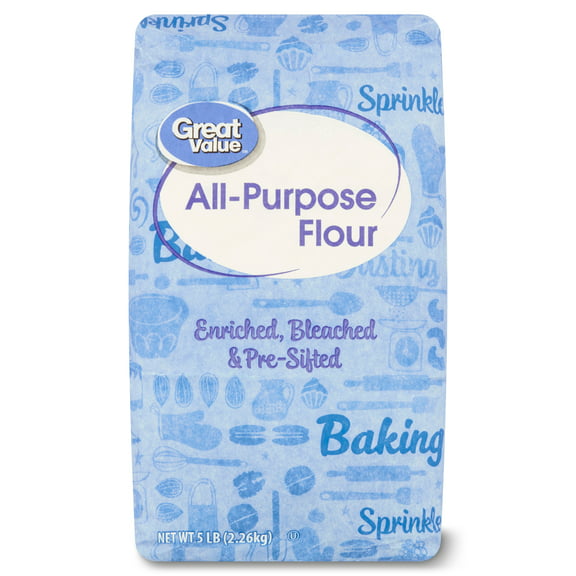
You should start with ingredient type because each pantry staple supports a different baking result. Your flour affects structure, your sugar affects sweetness and browning, and your yeast helps dough rise with the texture you expect.
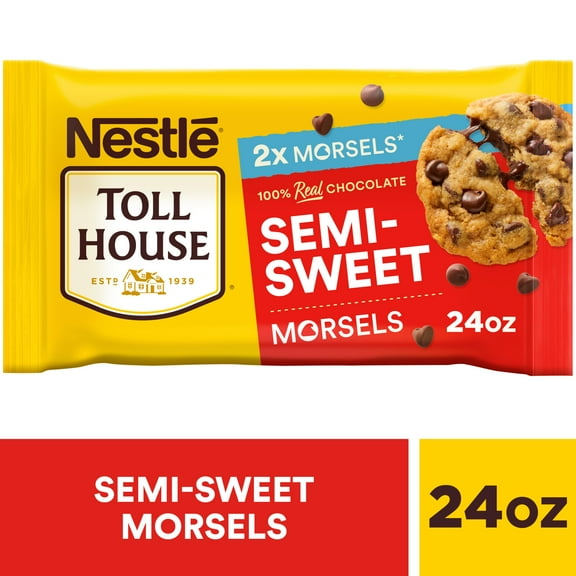
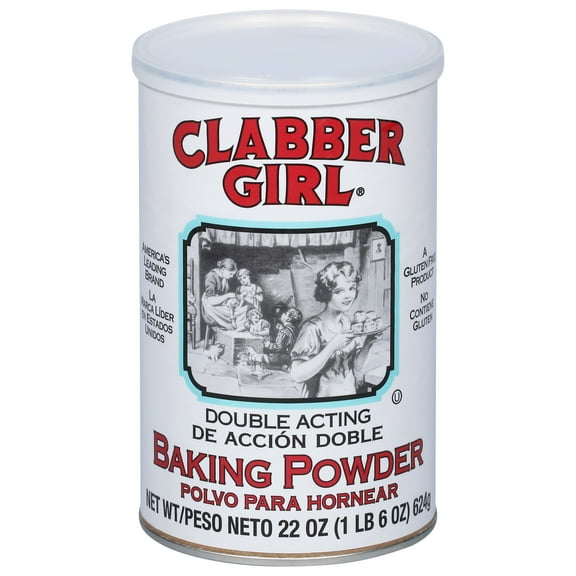
For quick breads, muffins, and cakes, you may look for baking powder and other leavening basics that support even lift. For cookies and brownies, you may compare chocolate chips by style, size, and flavor profile.
If you bake often, you can keep baking essentials on hand to reduce rushed grocery trips before birthdays, school events, or weekend baking. Your pantry stays highly flexible when you have core staples ready for drop cookies, pie crusts, and bread dough.
- You can match ingredient types to specific recipes, including bread making, pastry baking, and cookie mixes.
- You can compare standard pantry staples with specialty picks like gluten free baking ingredients and sugar-free options.
- You can choose package sizes that fit occasional baking, weekly use, or larger batch prep.
- You can keep cake decorating supplies and baking mixes together for efficient party and holiday planning.
Choosing baking supplies by dietary specialty
You may need to compare dietary specialty labels before you add ingredients to your pantry. Your options can include gluten-free, organic, sugar-free, and keto picks for recipes with specific ingredient preferences.
When you review gluten free baking ingredients, you should check whether the package notes gluten-free certification. You may also look for nut-free facility details when your household prefers extra clarity during ingredient selection.
For organic and conventional choices, you can compare how each option fits your pantry routine and recipe style. Your decision may depend on ingredient sourcing, recipe goals, or the way you stock weekly baking essentials.
You can also compare non-GMO details when that information matters in your household. Your labels often provide clear guidance, especially when you’re choosing flour blends, sweeteners, or baking mixes.
Comparing package size in baking supplies
You should choose package size based on how often you bake and how much storage space you keep available. Your options may include bulk baking supplies, standard pantry sizes, and single-use packets for lighter prep.
If you bake bread every week or fill holiday cookie tins, you may prefer larger bags and containers. Your larger quantities can support repeat recipes and big-batch prep without frequent reordering.
When you compare bulk baking supplies, you should also review expiration dates and shelf life on the package. Your pantry plan works well when you buy amounts you’ll use within the listed storage window.
Single-use packets can work well when you portion ingredients carefully or test new recipes. Your measuring process may feel simpler when your yeast, frosting mix, or decorating color comes pre-portioned.
Matching baking application to your project
You can narrow your options quickly when you shop by baking application instead of guessing from packaging alone. Your recipe type usually points you toward bread making, cake decorating, pastry baking, or cookie mixes.
For bread making, you may focus on flour types, yeast formats, and mix sizes that support repeated dough preparation. Your loaves, rolls, and pizza crust projects often benefit from keeping those staples stocked together.
For cake decorating supplies, you can compare icings, sprinkles, food coloring, and shaped toppings for birthdays and celebrations. Your decorating setup becomes easier when your finishing items match the theme and serving size.
If you enjoy pastry baking, you may look for ingredients that support laminated doughs, pie crusts, and filled desserts. Your pantry may also include baking mixes for quick cobblers, muffins, or pumpkin spice baking during fall.
What to look for in baking mixes and pantry staples
You should compare labels, recipe yield, and intended use before choosing baking mixes or staple ingredients. Your decision gets easier when you know whether you need a quick shortcut or a scratch-baking base.
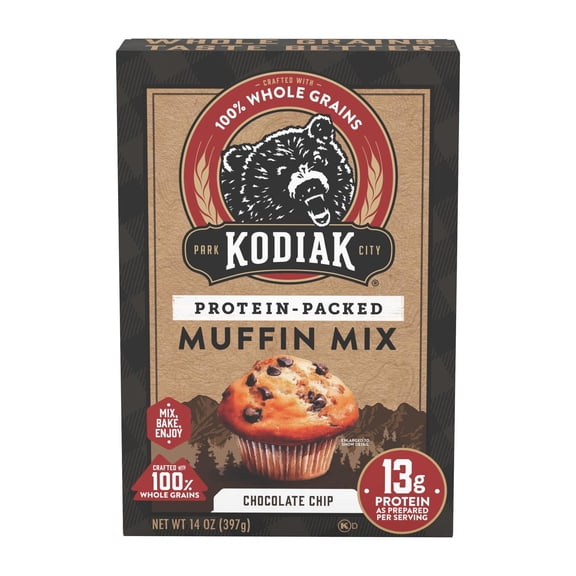
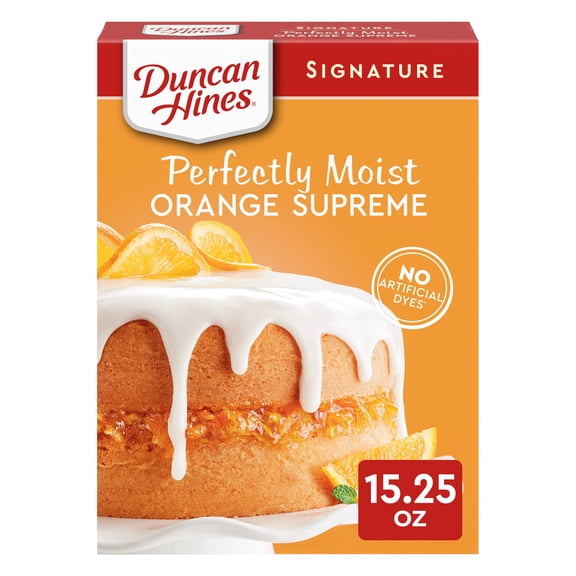
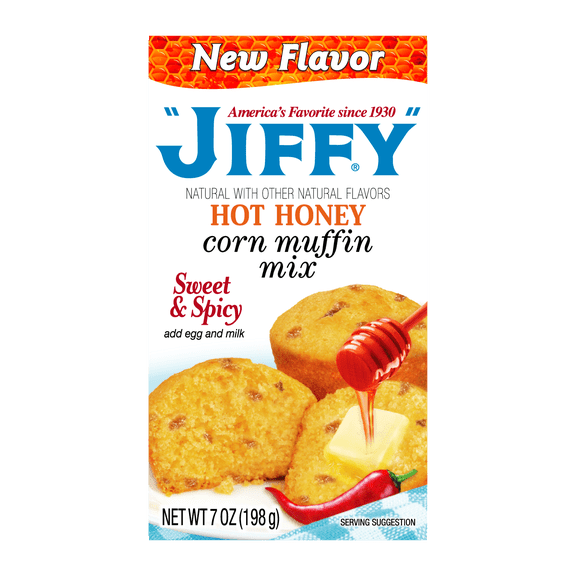
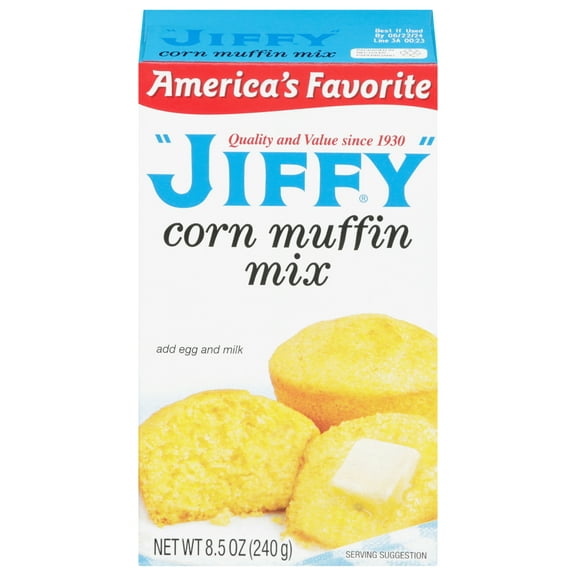
Baking mixes can help you prepare cookies, brownies, pancakes, or muffins with fewer separate ingredients to measure. Your prep time may feel manageable when you want a convenient route for class parties or weekend treats.
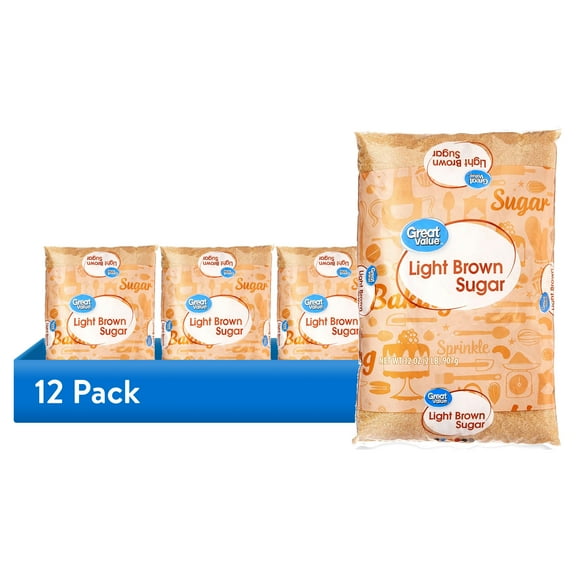
For scratch baking, you may prefer pantry staples that let you control sweetness, texture, and flavor step by step. Your ingredient list stays flexible when you keep flour, sugar, leavening, and mix-ins ready for different recipes.
You can build a highly useful pantry when your baking ingredients match how you actually bake through the year. Your shelves stay ready for everyday desserts, holiday baking supplies, and decorating projects with less guesswork.