


International Food in Food




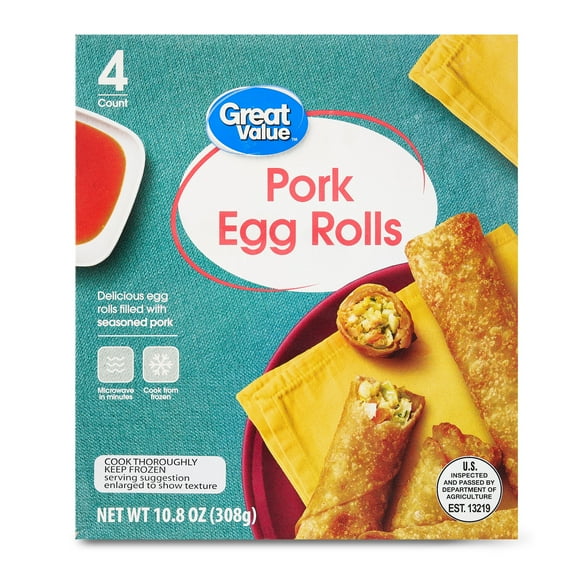


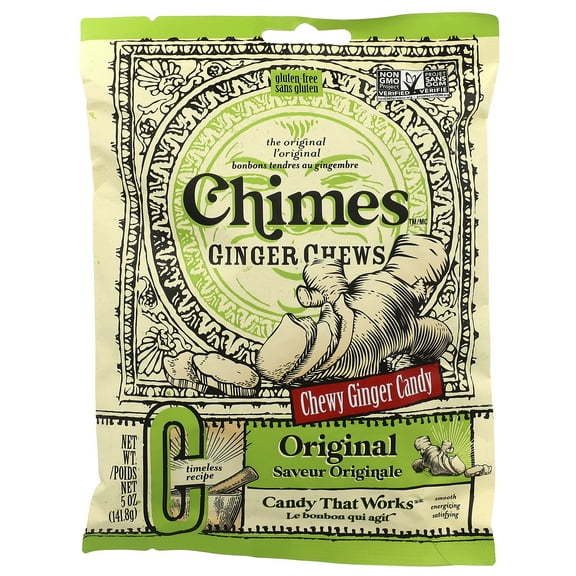
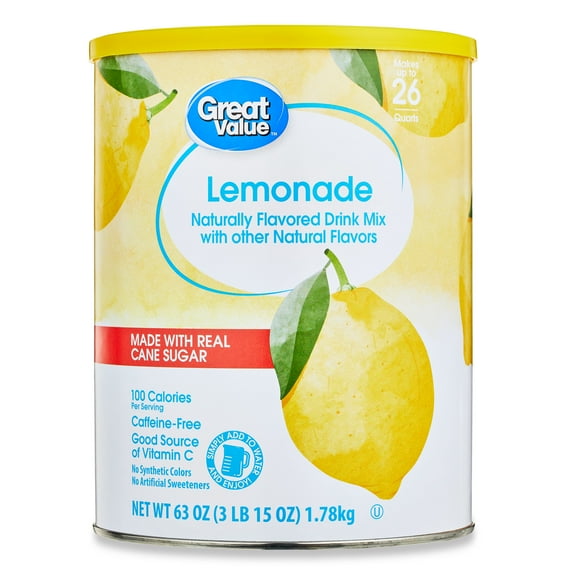
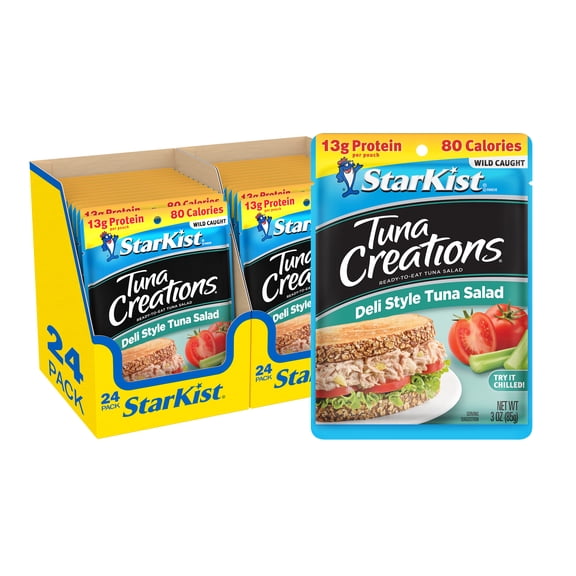








About International Food in Food - Walmart.com
Pantry food helps you keep your kitchen ready for everyday meals, quick snacks, and simple backup plans. You can compare shelf life, packaging, and prep needs to choose staples that fit your routine.
You may stock canned goods for easy dinners, dry grains for meal prep, and baking supplies for weekend recipes. You can also keep condiments and pantry snacks on hand for faster lunches and after-school breaks.
How to choose pantry food for your kitchen
You should start with the food types your household uses most often during a normal week. You can then balance canned goods, dry grains, snacks, baking supplies, and condiments across your shelves.
When you compare pantry food this way, you can build meals with fewer extra trips. You also get more flexibility when you need a quick side, sauce, or boxed staple.
- You can keep shelf-stable options ready for breakfasts, lunches, dinners, and snack breaks.
- You can choose bulk packs for frequent use or single-serve packs for easier portion planning.
- You can match ready-to-eat items with cook-from-pantry basics for faster meal decisions.
- You can look for dietary preferences like gluten-free, vegan, low-sodium, organic, or sugar-free.
- You can organize dry storage, canned storage, and refrigerate-after-opening items more clearly.
You may also find pantry snacks useful when your schedule changes during the day. You can reach for crackers, bars, fruit cups, or boxed bites without extra prep.
Choosing grocery staples by shelf life and storage
You should check shelf stable food by preservation method, package date, and storage guidance before you build a larger pantry plan. You can use those details to support everyday use and long-term storage.
When you compare canned, boxed, and sealed dry items, you can often sort them by how quickly you'll use them. You should also check whether items stay in dry storage or need refrigeration after opening.
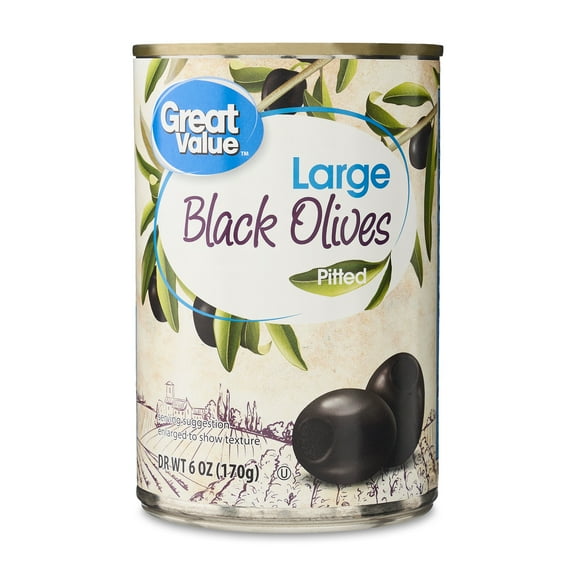
You can keep canned beans, vegetables, tomatoes, and soup in a cool dark place for organized meal backup. You can store rice, pasta, oats, and flour in dry areas with clear labels.
If you want easier weeknight options, you can choose ready-to-eat items that need little handling. If you cook often, you may prefer dry grocery items that work across many recipes.
What to look for in packaging and household size
You should compare packaging type with how many people eat from your pantry each week. You can choose bulk, multi-pack, boxed, canned, or single-serve formats based on your pace of use.
Bulk food online can make sense when you refill the same items often and have storage space available. Single-serve packs can work well when you want lunchbox convenience or easier grab-and-go options.
You may prefer multi-pack cans when you cook with beans, broth, or tomatoes several times each week. You might choose boxed pasta, rice, or cereal when you want stackable shapes for shelf organization.
When you match package size to household habits, you can reduce clutter and keep staples rotating smoothly. You can also separate daily-use items from backup stock for easier meal planning.
Comparing dietary preferences and ingredient needs
You should review dietary labels closely when your household follows specific eating preferences. You can compare gluten-free, vegan, organic, low-sodium, and sugar-free pantry options in one place.
If you read ingredient panels regularly, you can narrow choices faster and restock familiar essentials with less guesswork. You should also check certifications and allergen statements when those details matter in your kitchen.
Grocery staples can include plain grains, canned vegetables, nut-free snacks, and baking basics that fit different routines. You can keep separate sections for specialty items so your pantry stays easier to navigate.
When you stock flexible ingredients, you can build simple meals around dietary needs without changing your whole pantry system. You can mix condiments, grains, and shelf stable food into everyday recipes more easily.
Matching pantry staples to everyday use cases
You can use pantry staples for busy school mornings, packed lunches, and last-minute dinners at home. You may also rely on non perishable food when weather, schedules, or delivery timing shift suddenly.
For back to school snacks, you can look for single-serve crackers, fruit snacks, granola bars, and boxed drinks. For holiday pantry staples, you can keep baking supplies, broths, stuffing mixes, and canned pumpkin nearby.
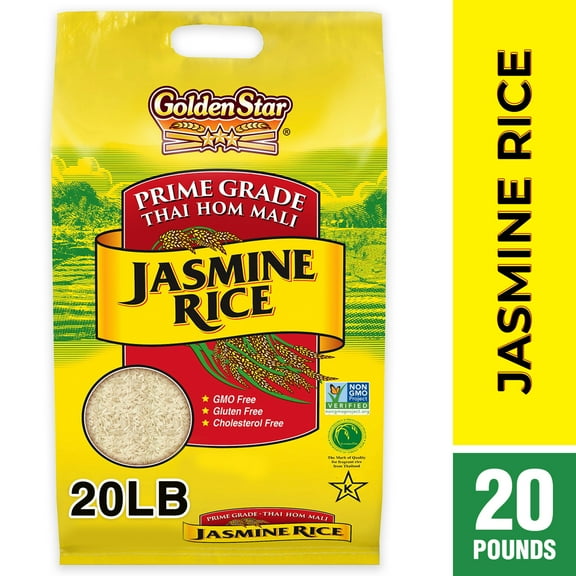
If you meal prep, you can pair dry grains with canned proteins, sauces, and seasonings for fast bowls. If you need easy sides, you can keep boxed rice, pasta, and canned vegetables ready.
You can also build a smart backup shelf with pantry food that supports breakfast, snacks, and dinner starters. That setup helps you move from ingredients to meals with less planning and fewer gaps.
With the right pantry mix, you can keep everyday cooking simpler and storage more organized. You can choose shelf-stable formats, practical pack sizes, and familiar staples that fit your household rhythm.