


Find auto parts that fit
Let’s search for parts that fit your vehicle.Performance Parts in Auto & Tires


















About Performance Parts in Auto & Tires - Walmart.com
Automotive performance parts help you tailor power, sound, and fit for your vehicle. You can compare fitment, materials, and upgrade goals in one place for a more focused build.
If you want sharper throttle response or a deeper exhaust note, you need parts that match your setup. You can use year, make, model, engine displacement, sub-model, and transmission type to narrow choices.
How to choose automotive performance parts
You should start with vehicle fitment because compatibility shapes every other decision. You can choose direct fit, universal fit, or vehicle specific options based on your install plan.
With direct fit parts, you get components designed around factory mounting points and dimensions. You can usually compare these when you want a cleaner install path and fewer modifications.
With universal fit parts, you get broader flexibility for custom builds and mixed setups. You may need extra fabrication, adapter pieces, or tuning support for proper results.
Vehicle specific options help you filter by engine displacement, trim, and transmission type. You can avoid guesswork when your build depends on exact clearances and factory connections.
Key benefits from car performance parts
You can shape your build around the outcome you want instead of guessing between random upgrades. Car performance parts let you target airflow, exhaust flow, spark delivery, or chassis response.
When you match the part category to your goal, you can build with more confidence. You also reduce the chance of ordering parts that don't support your setup.
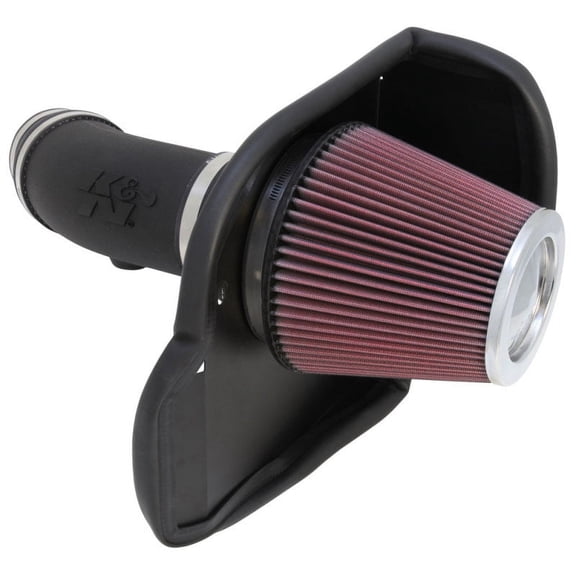
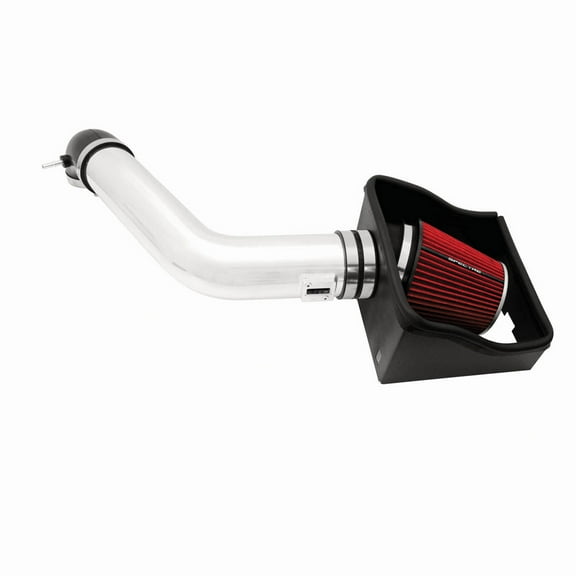
- You can improve airflow with air intakes for quicker response and a more connected driving feel.
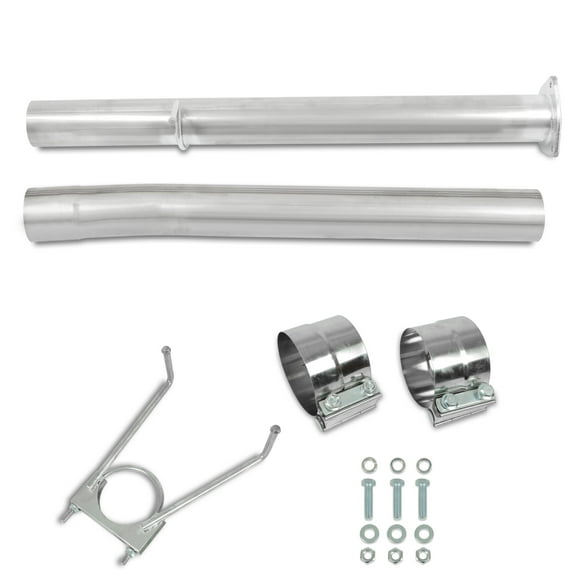
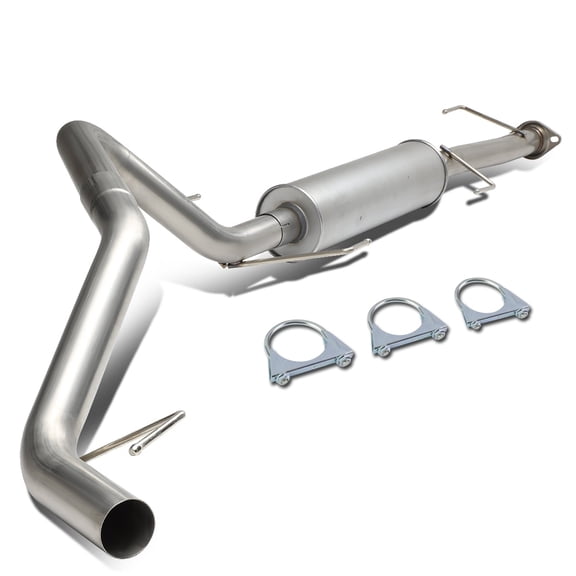
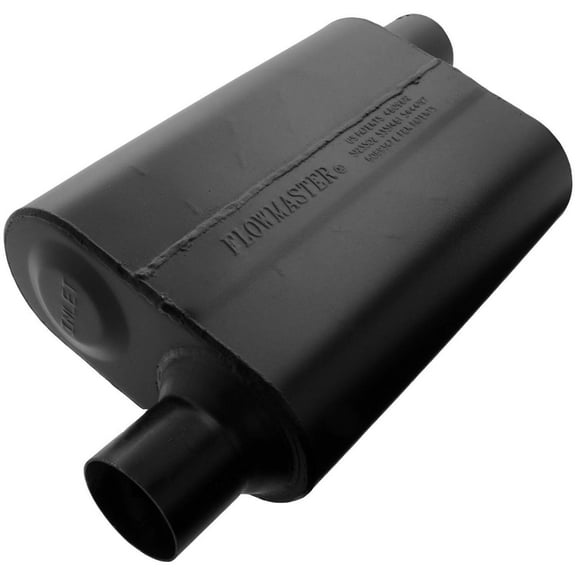
- You can tune exhaust systems for sound character, flow path, and fit under your vehicle.
- You can refine ignition systems when you want dependable spark delivery for modified engine setups.
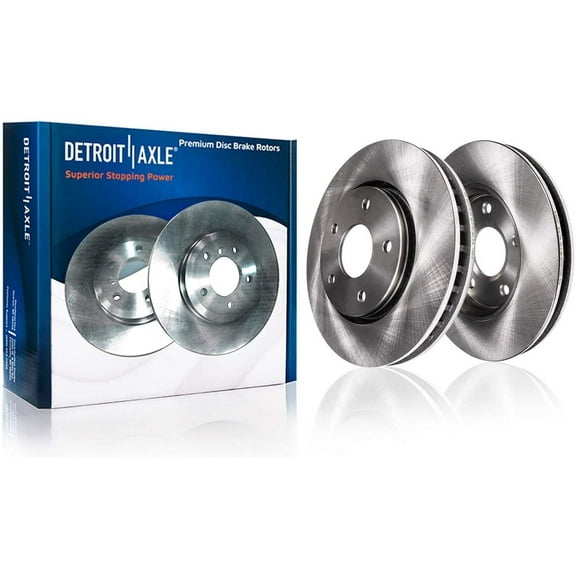
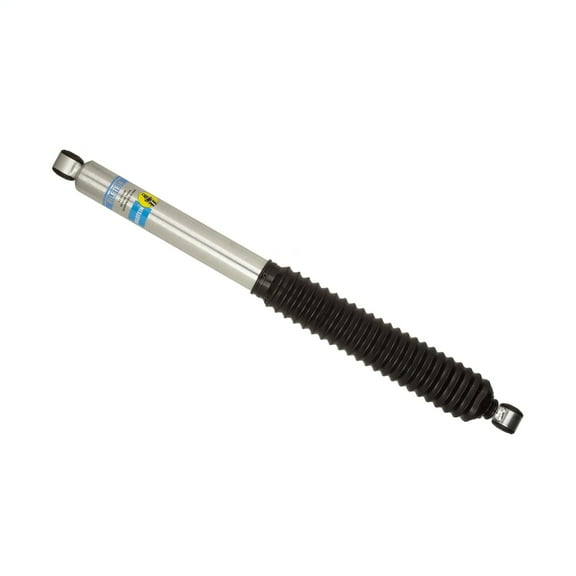
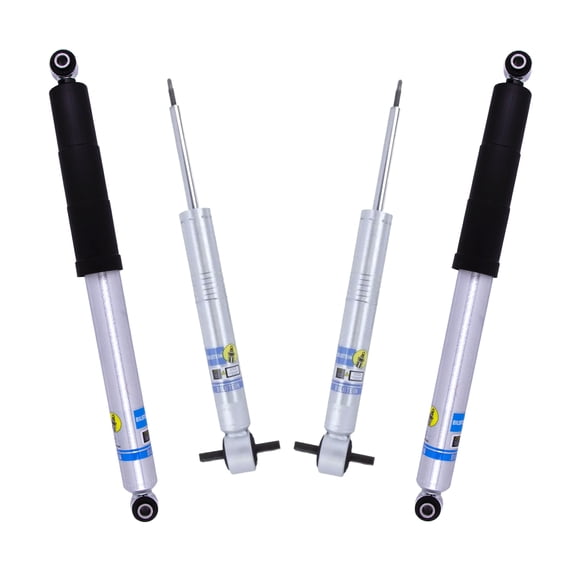
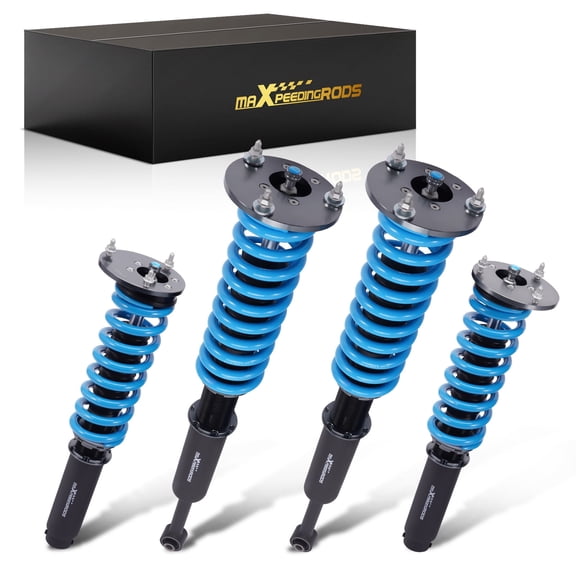
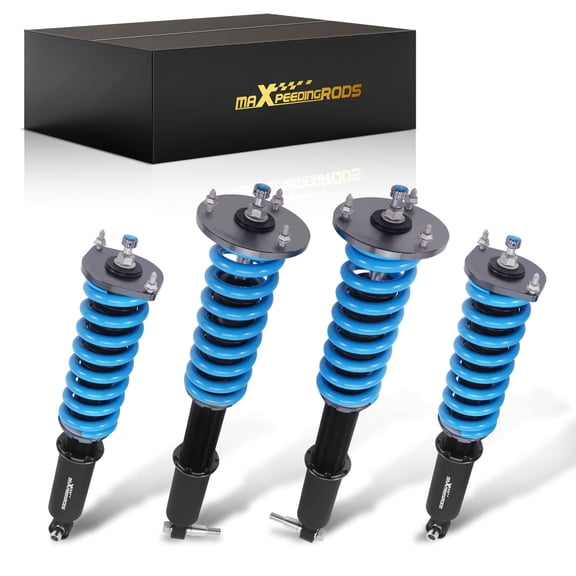
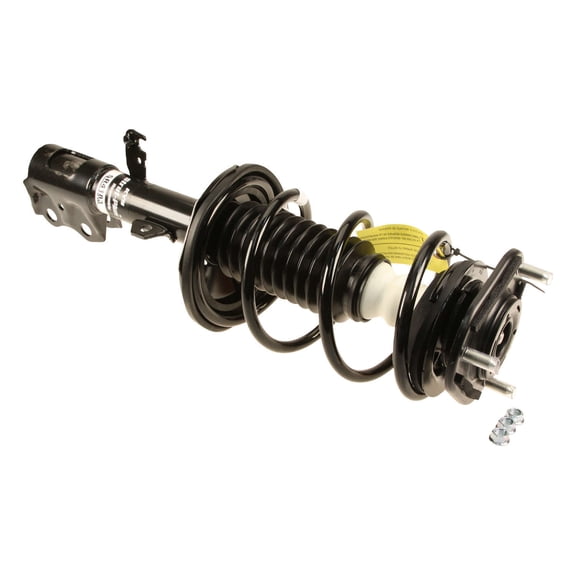
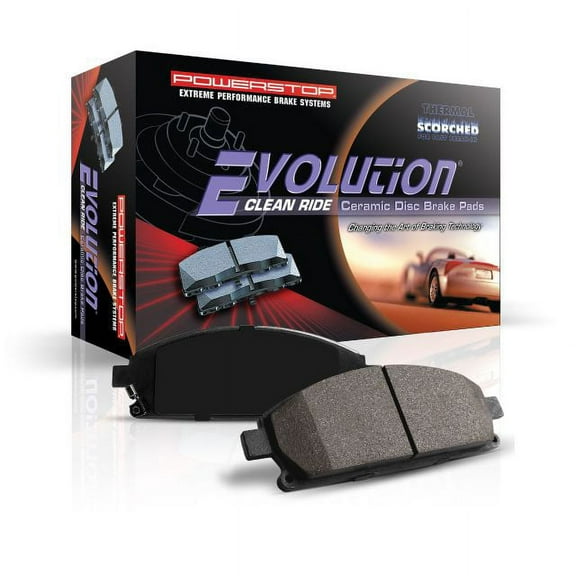
- You can upgrade suspension parts for firmer cornering feel and more controlled body movement.
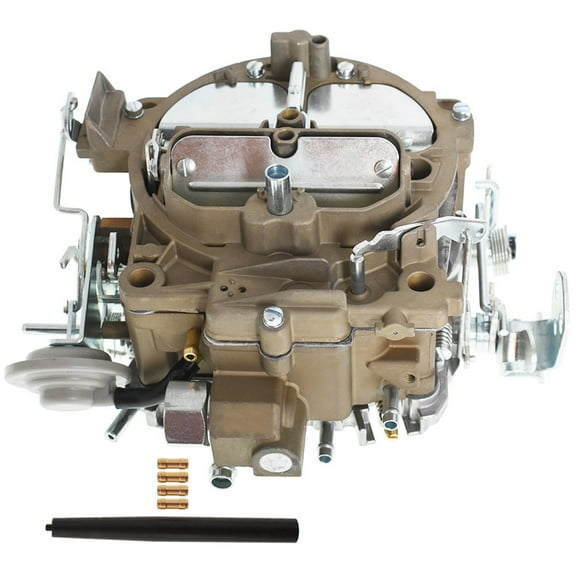
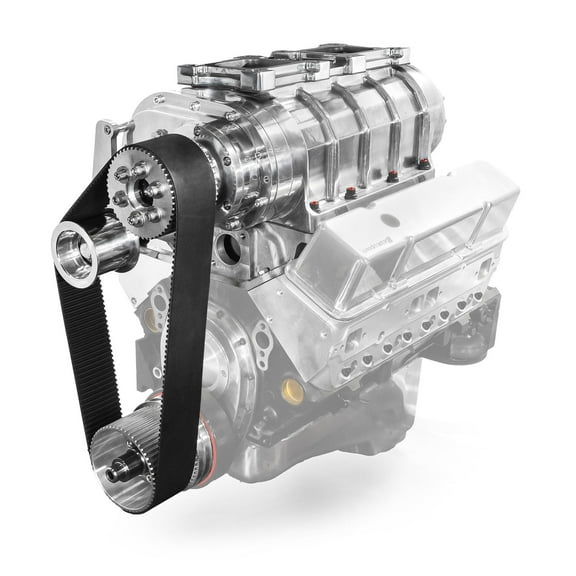
You may also want engine upgrade parts that support later modifications. That approach helps you plan a staged build instead of replacing parts twice.
If you drive a pickup or SUV, truck performance parts can support towing feel, low-end pull, or a stronger exhaust presence. You can choose parts that match daily driving, weekend hauling, or trail use.
Comparing materials and component categories
You should compare component category and material together because they affect durability, weight, and appearance. Air intakes, exhaust systems, ignition systems, and suspension parts each solve different build priorities.
Stainless steel often matters when you want corrosion resistance and long-term exhaust durability. Aluminized steel can work well when you want solid construction for many common exhaust applications.
Carbon fiber can appeal to you when lower weight and visual detail matter in your engine bay. Billet aluminum often gives you a machined look with sturdy construction for selected upgrade parts.
You should also check installation requirements before you commit to a part type. Some upgrades are bolt-on, while others may need welding, cutting, alignment work, or tuning.
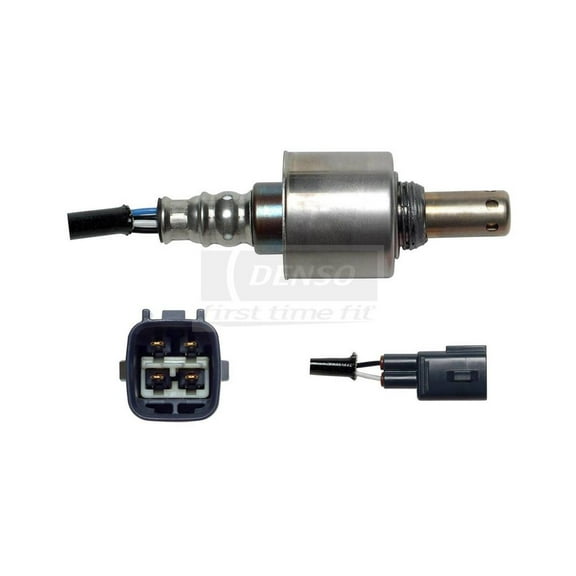
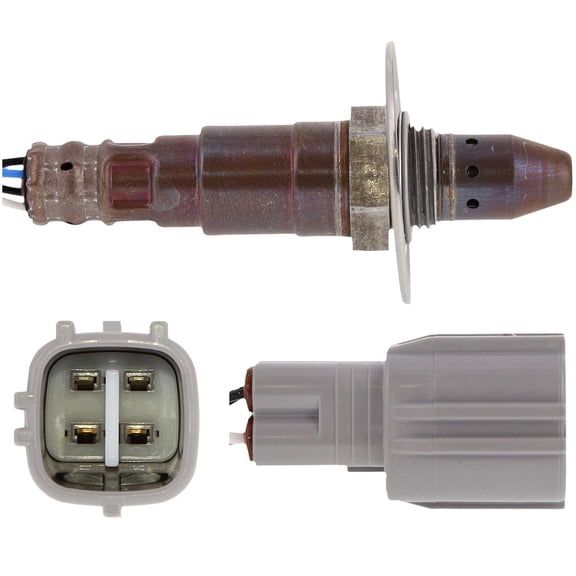
If your build includes intake or exhaust changes, you may need to confirm tuning needs afterward. You can avoid delays by checking product notes for sensors, clamps, and hardware.
For street-driven setups, you should review emissions compliance details before choosing a part. You can look for CARB certification or street-legal status when your area requires those standards.
Matching truck performance parts to your goals
You should define your performance goal early because that keeps your shortlist practical. Truck performance parts and aftermarket car parts make more sense when you compare them by real driving needs.
If you want a horsepower boost, you may focus on airflow and exhaust flow upgrades. If you want torque increase, you may look for parts that support stronger pull at lower rpm.
When fuel economy matters, you can compare parts that support smoother airflow and efficient operation. When sound matters, you can sort exhaust choices by tone, volume, and system design.
You may also balance daily drivability with a more aggressive setup. That means you should compare cabin sound, ground clearance, and fit around factory components.
For cars, you might prioritize sharper response, lighter materials, and a tighter cornering feel. For trucks and SUVs, you may prioritize low-end power, durable construction, and underbody fit.
You can use these decision points to narrow options without overbuilding your vehicle. That leaves you with parts that suit your platform, your goals, and your installation comfort level.
What to look for before installation
You should confirm fitment details before ordering because small differences can affect installation. Check engine displacement, drivetrain, wheelbase, bed length, and sub-model when those filters appear.
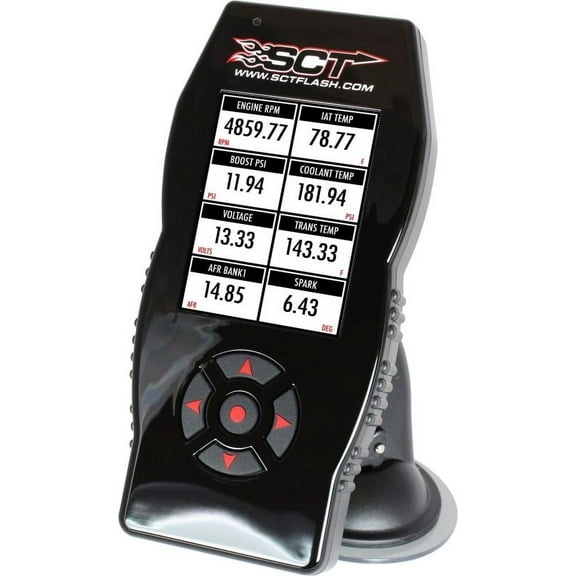
You should also compare hardware contents and note whether tuning support is recommended. That helps you understand whether your project is a same-day bolt-on or a longer garage job.
If you're building in stages, you can start with parts that support future upgrades. You get a cleaner path when your intake, exhaust, ignition, and suspension choices work together.
With the right automotive performance parts, you can build around fit, materials, and driving goals instead of trial and error. You finish with a setup that feels more dialed-in for your vehicle.