


Find auto parts that fit
Let’s search for parts that fit your vehicle.Auto & Tires Shop By Brand in Auto & Tires


















About Auto & Tires Shop By Brand in Auto & Tires - Walmart.com
You can compare brake parts efficiently when you focus on fitment, material, and kit contents before you choose replacements for your vehicle. You can find options for brake pads, rotors, calipers, brake lines, and hardware kits that match specific repair needs.
How to choose brake parts for your vehicle
Start with vehicle compatibility, because your make, model, year, and trim affect what fits your braking system. You should also check front or rear placement before you select any component.
Fitment details matter when you compare car brake parts, especially for rotor diameter, bolt pattern, and caliper piston count. This helps you avoid returns when you match those specifications to your vehicle setup.
Component type also shapes your repair plan, since different jobs call for different replacement brake parts. You may need brake pads for friction surfaces, rotors for contact surfaces, or calipers for clamping force.
- You can replace worn friction components with brake pads and rotors for a more complete refresh.
- You can choose hardware kits when your service calls for clips, shims, springs, or related mounting pieces.
- You can compare brake lines and calipers when your project involves hydraulic or clamping components.
- You can select front or rear parts separately when your vehicle needs attention in one axle position.
You can also compare universal and make or model specific options when your repair plan allows different fitment paths. You should check product notes closely so your selected part matches your vehicle setup.
Choosing between car brake parts by material and design
Material choice changes how your brake system feels during everyday driving and heavier use. You may want to compare ceramic, semi-metallic, and organic options with your driving habits in mind.
Ceramic brake pads usually suit daily commuting, because you may prefer lower dust and quieter operation. You may choose them when you want cleaner wheels and a smooth feel.
Semi-metallic options often fit heavier driving demands, including hauling or repeated stops in busy traffic. You may prefer them when your routine includes loaded vehicles or tougher road use.
Organic options can appeal when you want a softer initial feel and straightforward replacement choices. You should confirm compatibility and intended use before you decide on that material.
Rotor design deserves attention too, because rotor diameter affects fitment and braking feel. It helps to select measurements that match your hub, wheel setup, and manufacturer requirements.
What to look for in replacement brake parts and brake kits
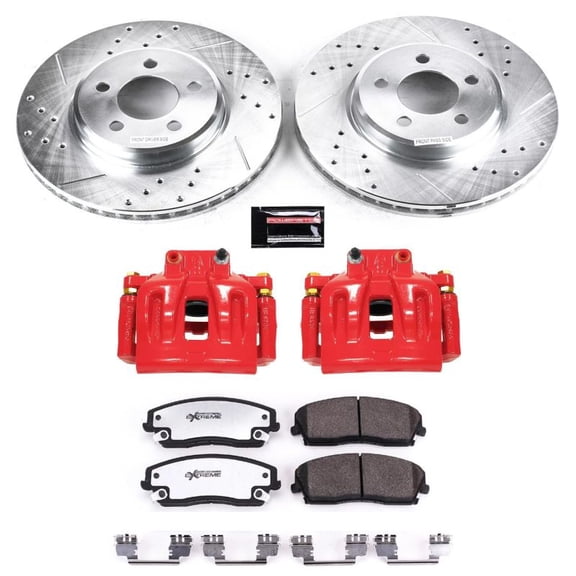
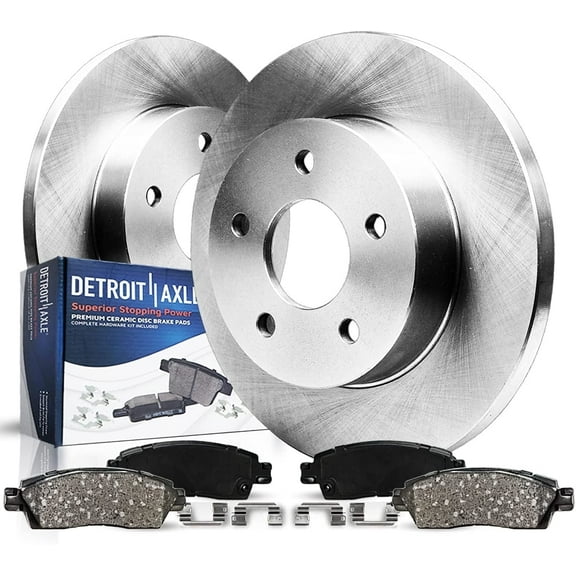
Kit completeness can simplify your repair, especially when you want fewer separate parts to track. You should compare individual components, complete brake kits, and pad and rotor combos before ordering.
Individual components make sense when you’re replacing one worn part or matching an existing setup. You can target a single rotor, caliper, or hardware pack without changing the full system.
Pad and rotor combos help when both friction surfaces need attention at the same time. This provides matched parts that support a more consistent install process.
Complete brake kits can help you cover a broader service with fewer missing pieces. You should check whether clips, shims, hardware, and grease are included before you choose a kit.
When you compare replacement brake parts, look beyond the part name and review the package contents carefully. This supports a cleaner decision when the included pieces match your planned repair.
Using technical fitment details with confidence
You don’t need advanced shop experience to use key specs when you compare options. You just need to match a few decision-critical details to your vehicle information.
Bolt pattern tells you how the rotor mounts to your hub, so you should match that pattern exactly. This helps prevent fit issues when the mounting points align correctly.
Rotor diameter affects wheel clearance and braking hardware fit, so you should measure or verify the listed specification. This can narrow choices quickly when you compare the stated size first.
Caliper piston count can influence how a caliper assembly matches your existing setup and bracket design. You should confirm that detail when your repair includes calipers or related hardware.
Front and rear placement also matters, because many vehicles use different dimensions at each axle. This helps avoid mismatch problems when you confirm location before you place an order.
Matching brake parts to how you drive
Your daily routine can guide the right setup just as much as the catalog specifications. You should think about commuting, weekend driving, cargo loads, and road conditions before you choose.
For everyday commuting, you may focus on smooth operation, lower dust, and straightforward fitment. You can compare ceramic pad options and standard rotors for that kind of use.
For heavier vehicles or towing, you may look for semi-metallic pad options and carefully matched rotors. You should also confirm front and rear compatibility for your specific application.
If you’re refreshing an older vehicle, brake kits can reduce guesswork during a multi-part service. You may appreciate having related components grouped around one repair plan.
When your project is focused and limited, individual brake parts may give you the exact replacement you need. You can choose one component without replacing parts that still match your setup.
This helps you make an informed purchase when your brake parts match your vehicle specs, material preference, and repair scope. That clear match helps you complete your install with fewer surprises and a more confident result.