


Find auto parts that fit
Let’s search for parts that fit your vehicle.Automotive Emergency Prep Supplies for Safety





















About Automotive Emergency Prep Supplies for Safety - Walmart.com
Your car emergency kit helps you stay prepared for breakdowns, dead batteries, and weather delays. You can compare kit types, power options, and storage styles that fit your vehicle and routine.
How to choose a car emergency kit
Start with the kit type that matches your driving routine and storage space. You might want an all-in-one set if your goal is one organized case.
If your trunk already holds basic tools, you can add missing pieces separately. Your setup might focus on roadside assistance, first aid, or winter survival supplies.
Another key choice is the storage case you prefer to carry. Your options may include a hard shell, a soft canvas bag, or a compact pouch.
What to look for in an automotive emergency kit
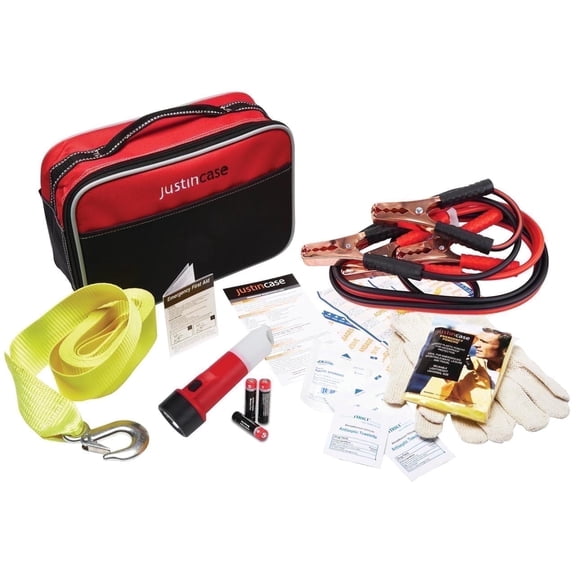
Check the included components before you decide which setup fits your needs. Your list may cover jumper cables, a tire inflator, a flashlight, first aid supplies, and a tow strap.
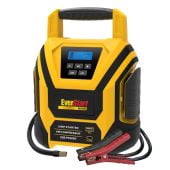
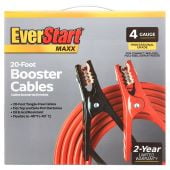
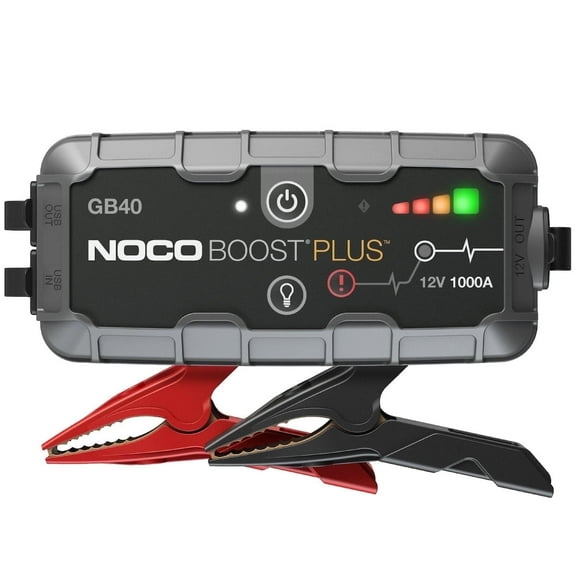
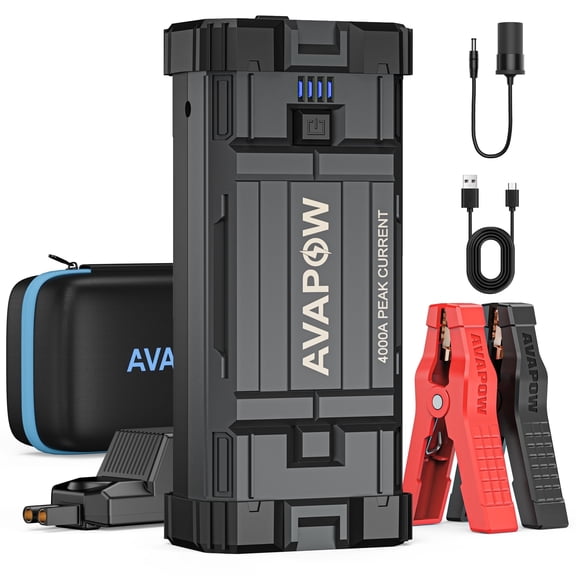
- Your battery support may come from jumper cables or a jump starter.
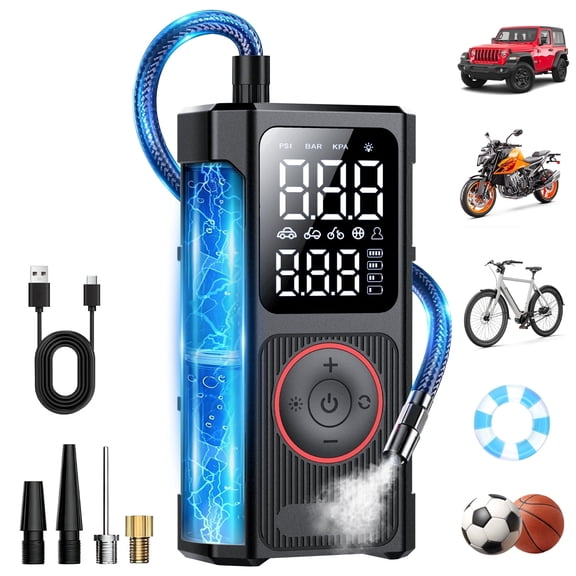
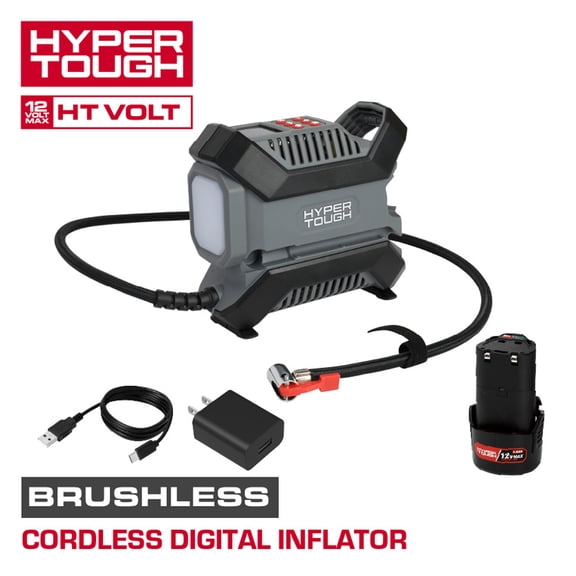
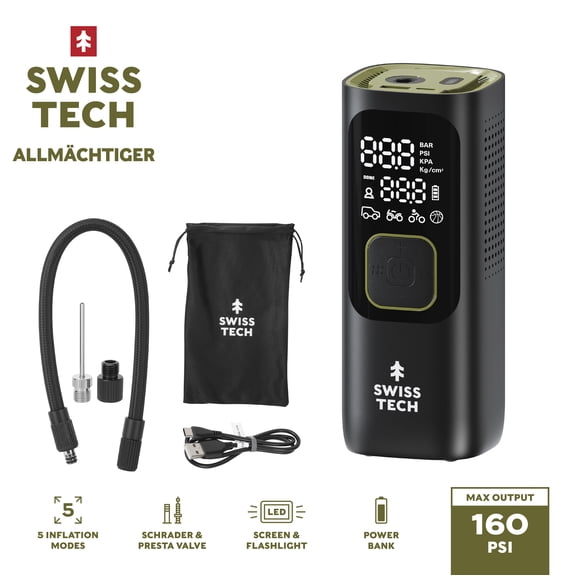
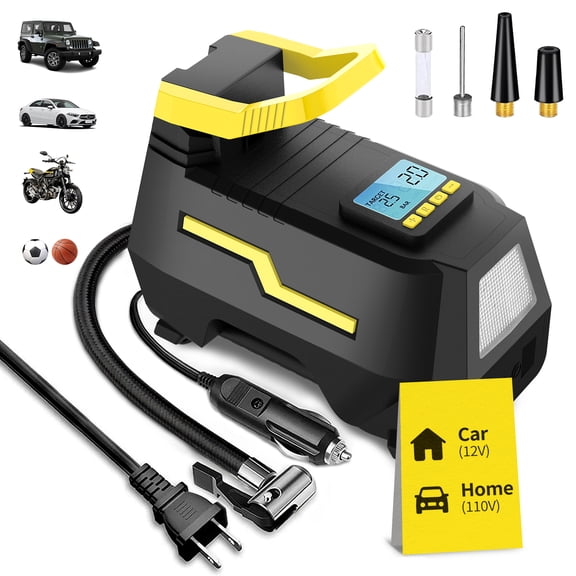
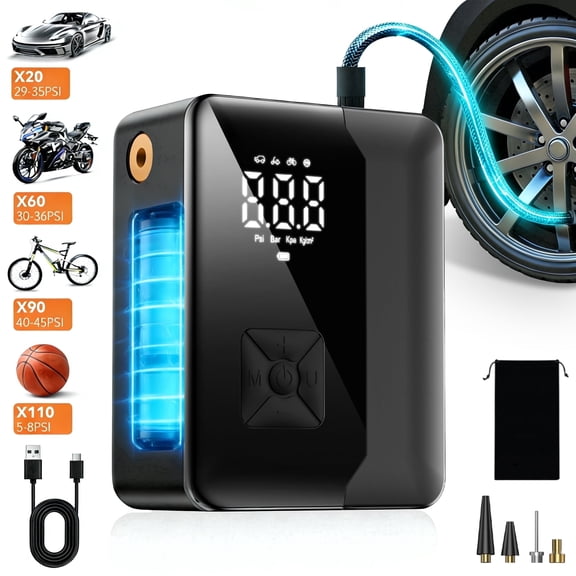
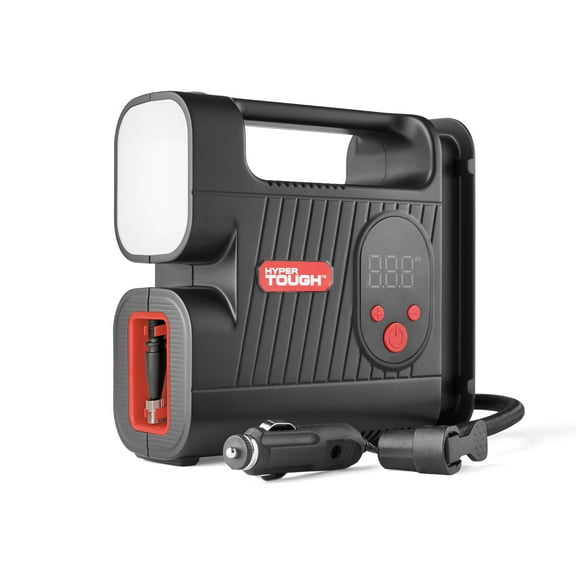
- Your tire prep may include a portable inflator that stays in your vehicle emergency kit.
- Your small essentials can stay organized in a case that fits under a seat or in a cargo bin.
- Your winter car emergency kit may include cold-weather extras and visibility tools for seasonal driving.
A pre-assembled car safety kit can simplify upkeep when you want everything together. Your tools stay in one place, and you can find them quickly during a roadside stop.
When you compare completeness, consider your route, season, and driving habits. Your daily commute may call for first aid basics, while highway travel may call for broader support.
Choosing power and compatibility for your roadside emergency kit
Match power features to your vehicle type before you make a choice. Your passenger car may need lighter-duty support, while your SUV or truck may need stronger starting equipment.
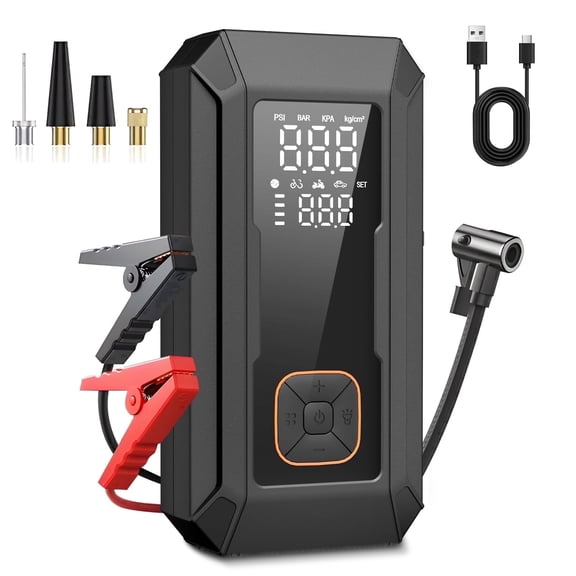
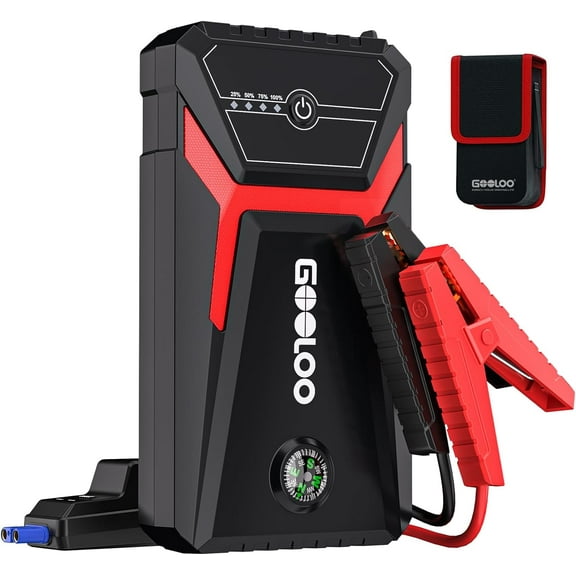
If your shortlist includes a car emergency kit with jump starter support, check peak amps. That number helps you judge whether the unit suits your engine size.
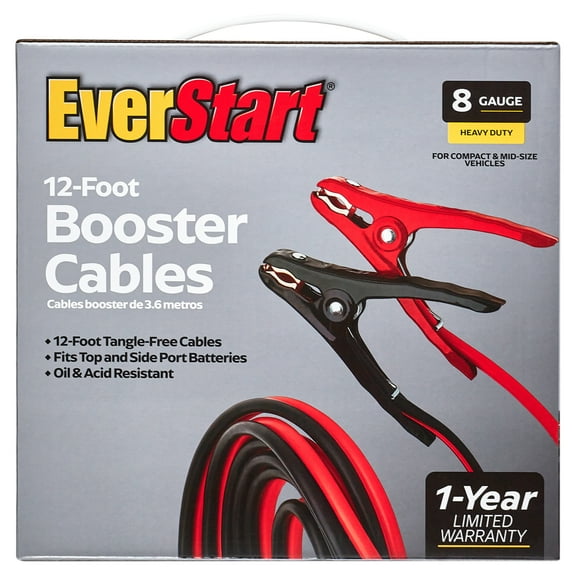
Look at jumper cable wire gauge when the kit includes cables. Lower gauge numbers usually mean thicker cables, which can suit larger vehicles and colder starts.
For inflators, consider how the unit gets power during routine use. Your options may include battery-powered, hand-crank, or rechargeable designs based on your habits.
Rechargeable gear can fit your routine if your trunk setup stays ready between trips. Hand-crank backup tools can help when portable devices lose their charge.
Choosing the right storage case and footprint
Measure your available space before you pick a roadside emergency kit. Your compact pouch may fit under a seat, while your larger hard case may work in the trunk.
If your cargo area stays busy, a soft canvas bag may fit around daily essentials. Your groceries, sports gear, or stroller can still share the space without a rigid box.
Think about how often you'll reach for the kit, not only where you'll store it. Your labeled sections can keep a flashlight, inflator, and bandages easy to spot.
For smaller cars, a narrow case may fit inside your spare tire well. For SUVs or trucks, a larger all-in-one case may suit your wider cargo area.
Using your vehicle emergency prep in real situations
Your roadside assistance kit can support a dead battery in a parking lot or driveway. Your setup can also help with a low tire after commuting, errands, or weekend travel.
During colder months, your winter car emergency kit can support longer waits and poor visibility. Seasonal extras can complement your standard battery, tire, and first aid gear.
If your routine includes long drives, a broader vehicle emergency prep setup can make sense. Your supplies can keep jump support, tire inflation, and first aid together for road trips.
Regular upkeep keeps your car emergency kit organized and ready to use. Your jump starters need periodic charging, and your dated contents need routine checks.
As you review maintenance, inspect flashlights, inflators, and cables at the same time. Your kit stays dependable when you replace used items and reorganize the case.
Your final choice should reflect your vehicle, your storage space, and your driving routine. The right setup gives you organized roadside support when unexpected stops interrupt your trip.