


Find auto parts that fit
Let’s search for parts that fit your vehicle.OEM Parts in Auto & Tires



















About OEM Parts in Auto & Tires - Walmart.com
You can shop oem parts with a clearer path to fit, function, and part matching across vehicles, appliances, and outdoor equipment. You’ll find category guidance here that helps you compare original equipment manufacturer parts by equipment type, fitment, and part number details.
How to choose oem parts by equipment type
Start with the equipment you’re repairing, because your fit needs change across automotive, appliance, lawn and garden, and powersports applications. You’ll want category-specific details, since a brake component and a washer pump don’t follow the same matching steps.
For automotive oem parts, you’ll often compare model year, engine code, trim, and VIN-linked compatibility before you order. For appliance oem parts, you’ll usually check the model number, serial tag, and exact assembly location.
When you’re shopping lawn and garden parts, you may need to match deck size, engine family, or drive system details. If you’re replacing powersports components, you’ll want to confirm machine year, displacement, and platform-specific fitment.
What you gain from original equipment manufacturer parts
You’re usually looking for a direct replacement that matches how your equipment was built from the start. That means you can focus on fit, connector style, mounting points, and performance expectations with fewer surprises.
You may also prefer replacement oem parts when you want to keep your repair process straightforward and parts research more precise. You’ll often see clearer alignment with manufacturer diagrams, service references, and part number records.
- You can narrow your search using exact equipment details and part categories.
- You can compare factory replacement parts for automotive, appliance, and outdoor equipment repairs.
- You can look for direct replacement options when universal fit parts may add extra guesswork.
- You can use part number matching to support a smoother replacement process.
If warranty considerations matter to you, you’ll want to review your equipment documentation before choosing a replacement. You may prefer original equipment manufacturer parts when you want to stay aligned with maker-specified components.
Choosing part categories and fitment types
You’ll make faster decisions when you compare parts by category, such as engine, brakes, filters, electrical, or suspension. Each category gives you different clues about fit, installation steps, and the tools you may need.
For engine parts, you’ll often verify displacement, engine code, and production range before you select a match. For brake and suspension parts, you’ll typically check axle position, body style, and hardware compatibility.
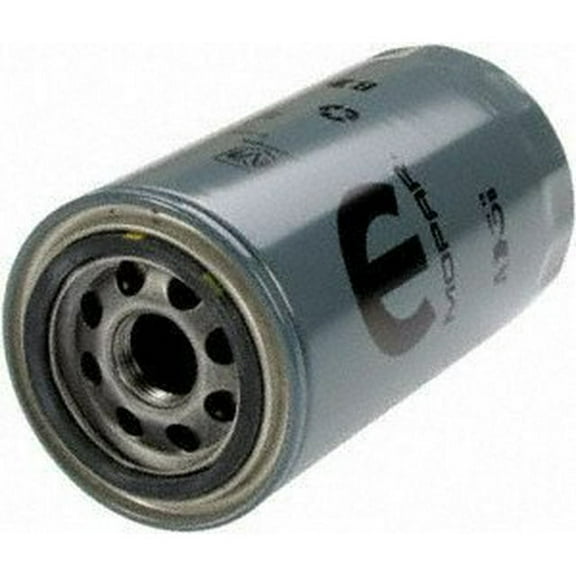
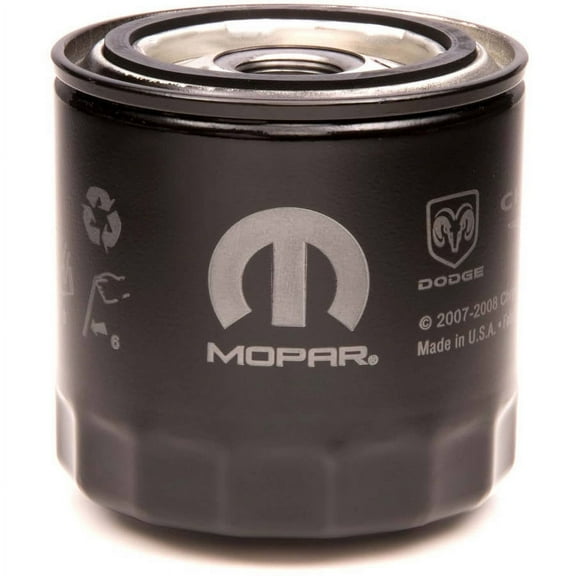
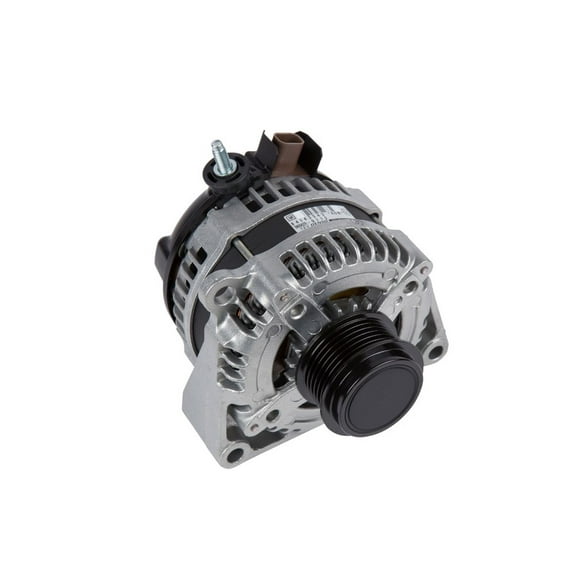
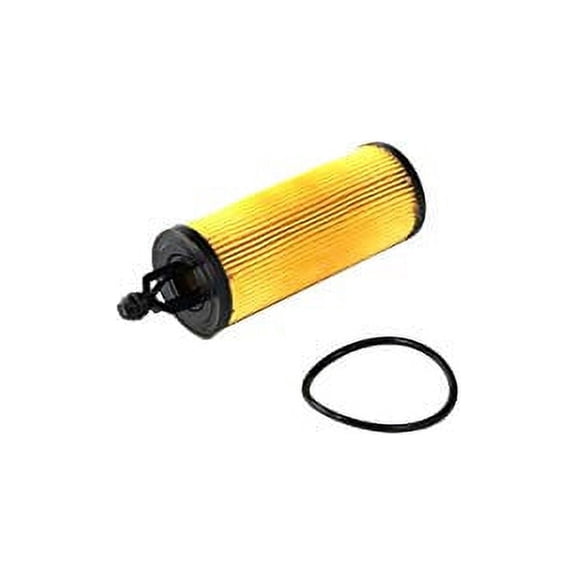
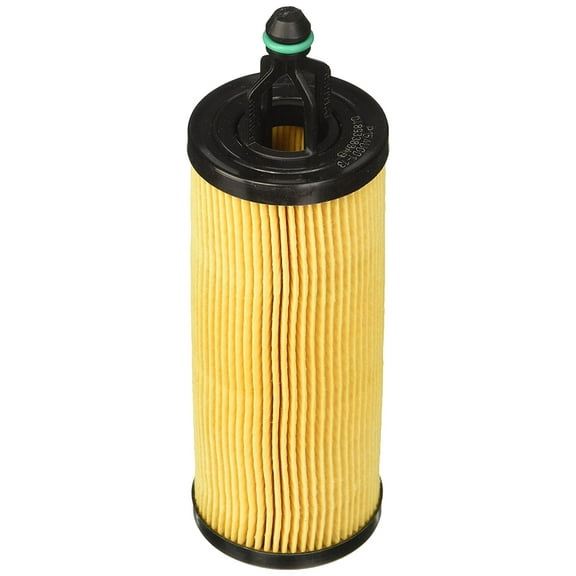
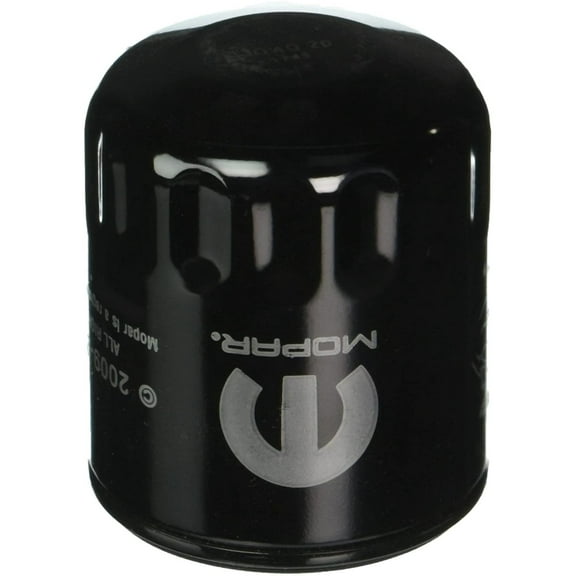
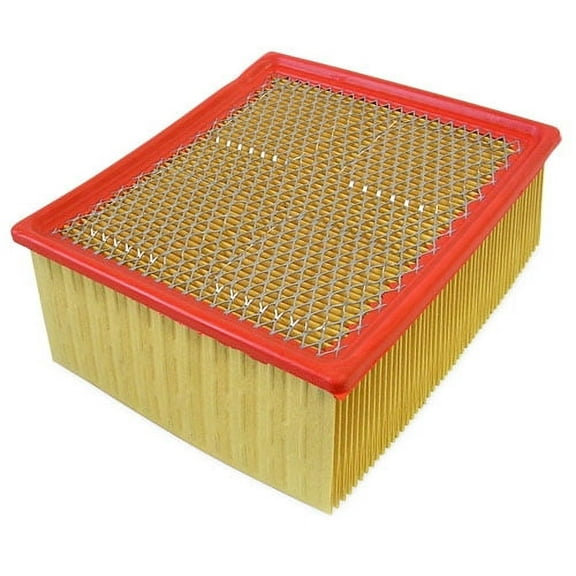
When you’re replacing filters, you’ll want to match dimensions, thread patterns, or housing style with care. For electrical parts, you should compare connector shape, pin count, voltage requirements, and mounting orientation.
You’ll also need to weigh direct replacement, universal fit, and vehicle-specific options during your search. If you want closer factory alignment, you’ll usually focus on vehicle-specific or direct replacement oem replacement parts.
How to verify compatibility and part numbers
Before you choose oem parts, you should gather the identifiers tied to your machine or household unit. You’ll make a stronger match when you compare the VIN, model year, engine code, or appliance model number.
Part number verification matters because small revisions can change connectors, brackets, or dimensions without changing the basic part name. You should compare the OEM part number directly against your manual, label, or existing component.
If you’re replacing an automotive item, you may need the VIN to confirm build-specific equipment. If you’re replacing an appliance item, you may need the full model and serial combination from the rating plate.
You should also check whether your part is sold as a single component or as part of an assembly. That step helps you avoid ordering a switch alone when your repair needs the full housing.
Using automotive oem parts and appliance oem parts in real repairs
You may be fixing a daily driver, restoring seasonal equipment, or getting a kitchen appliance back into regular use. In each case, you’ll want replacement parts that match the original design intent and installation points.
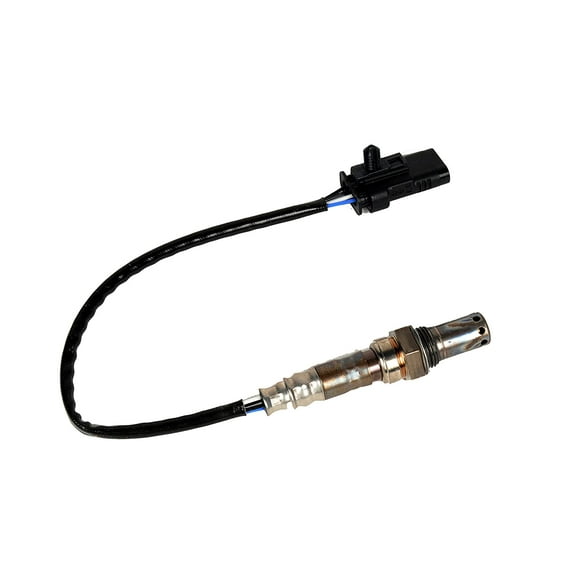
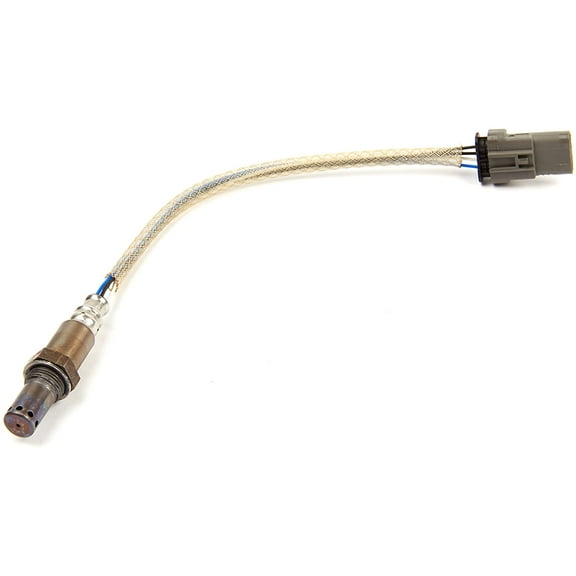
If you’re handling an engine sensor, you’ll likely care about connector accuracy and calibration compatibility. If you’re replacing a dishwasher rack wheel or washer drain pump, you’ll care about mounting tabs and hose positions.
When your repair involves lawn and garden equipment, you may compare belts, blades, filters, or ignition components by engine family and deck setup. If your machine is powersports-based, you may look closely at year-specific electrical and suspension parts.
You should also think about installation difficulty before you order, especially if your repair requires specialty sockets, pullers, or trim tools. You’ll benefit from checking access points, fastener types, and service manual steps in advance.
Why your research process matters with oem parts
You’ll get more confidence from your purchase when you match equipment type, part category, fitment style, and OEM part number together. That approach helps you move from search to installation with fewer compatibility questions and a cleaner repair path.