

Car Detailing in Auto & Tires

















About Car Detailing in Auto & Tires - Walmart.com
Car care products help you clean, protect, and refresh your vehicle with tools matched to paint, glass, wheels, and cabin surfaces. You can compare formulas, application areas, and kit options to build a routine that fits quick touch-ups or full detailing days.
How to choose car care products for each area
You can get clean results when you match products to the part of your vehicle you’re treating. Your interior, exterior, wheels, tires, and glass each need different formulas and tools.
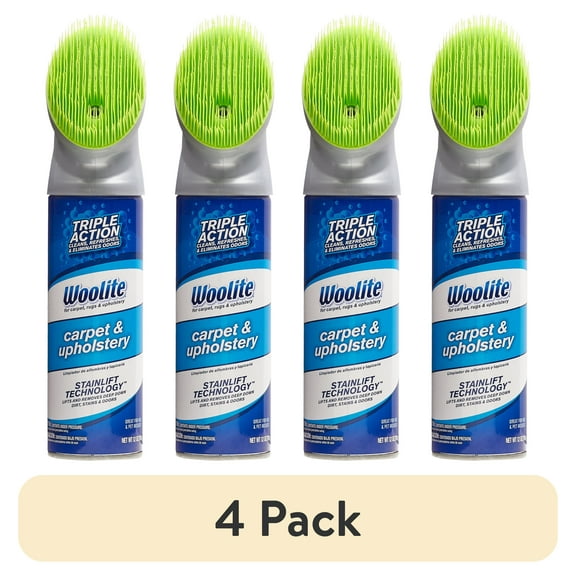
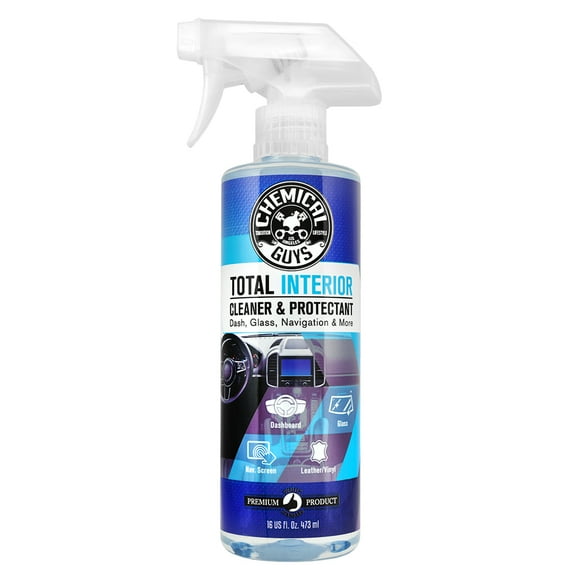
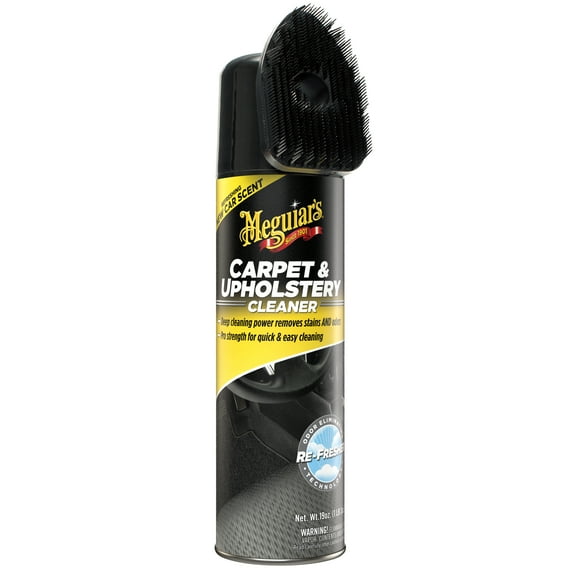
For cabin surfaces, you may want an interior car cleaner made for leather, vinyl, plastic, or rubber trim. You can keep dashboards, seats, door panels, and consoles looking tidy without using one formula everywhere.
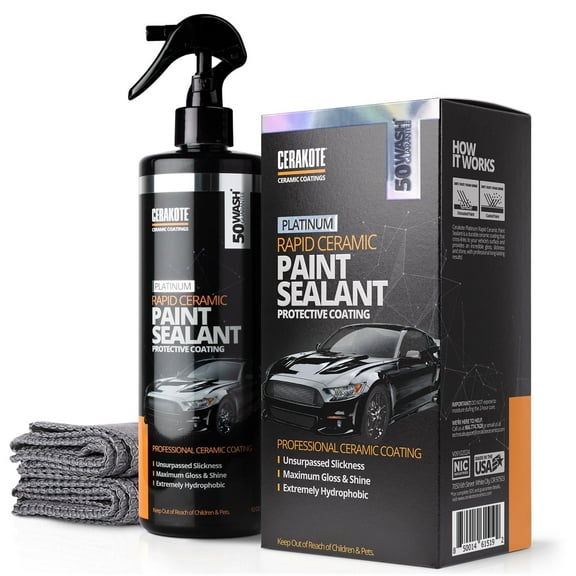
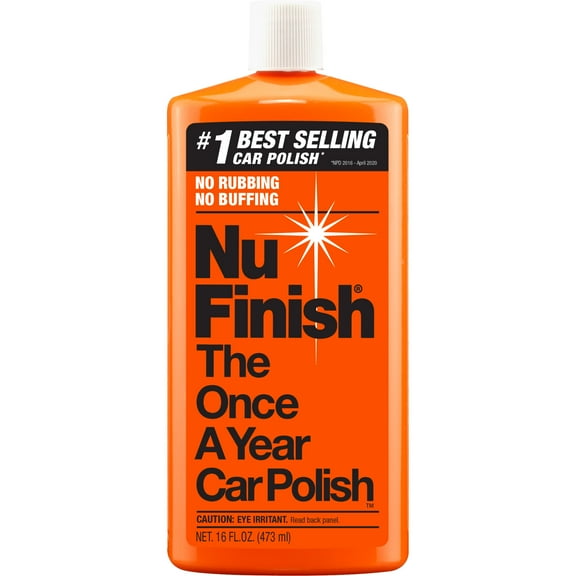
On painted panels, you should compare car wash soap, spray cleaners, and car wax by finish and frequency of use. You may also want clear coat safe options when you wash new paint or dark finishes.
- You can use interior-focused formulas on seats, mats, dashboards, and trim.
- You can choose exterior options for painted panels, bumpers, and exterior plastic.
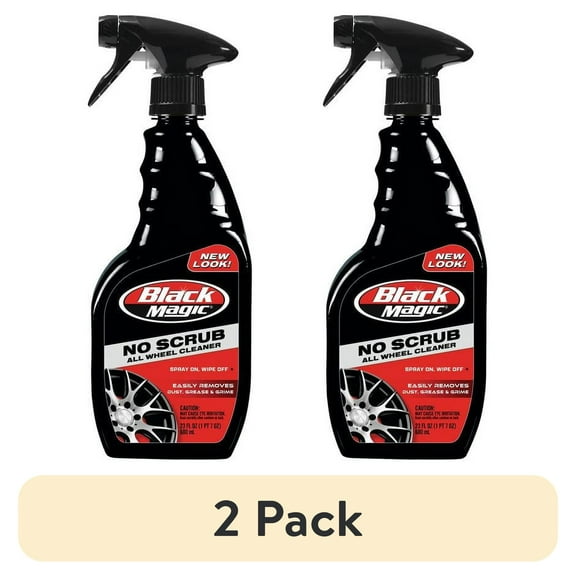
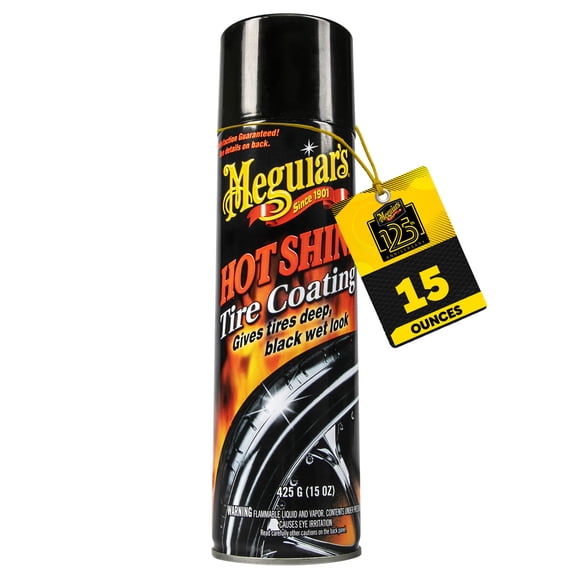
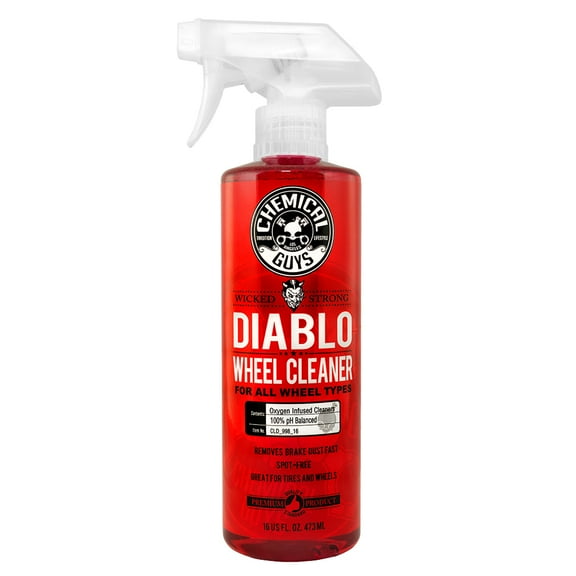
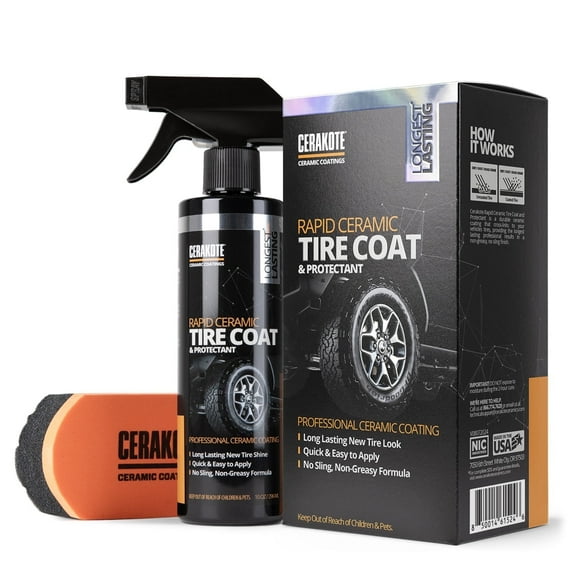
- You can select wheel cleaner for brake dust, road film, and tire dressing prep.
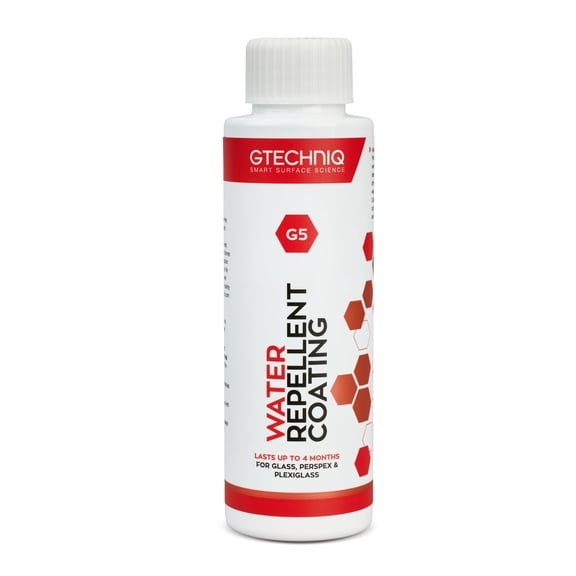
- You can keep glass clear with dedicated windshield and window formulas.
Choosing car detailing supplies by product type
You can narrow car detailing supplies quickly when you start with the job you need done. Your main choices often include soap and shampoo, wax and polish, cleaner spray, and protectant.
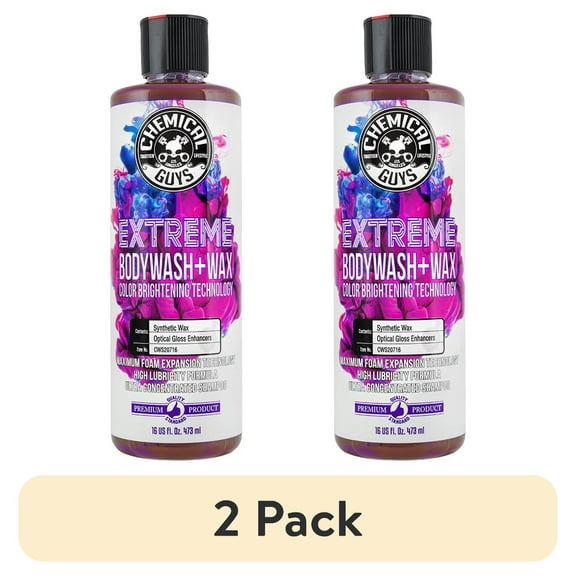
If you’re washing the whole vehicle, car wash soap helps you lift dirt with water and rinse cleanly. You can use shampoo formulas for routine washes before wax, polish, or trim care.
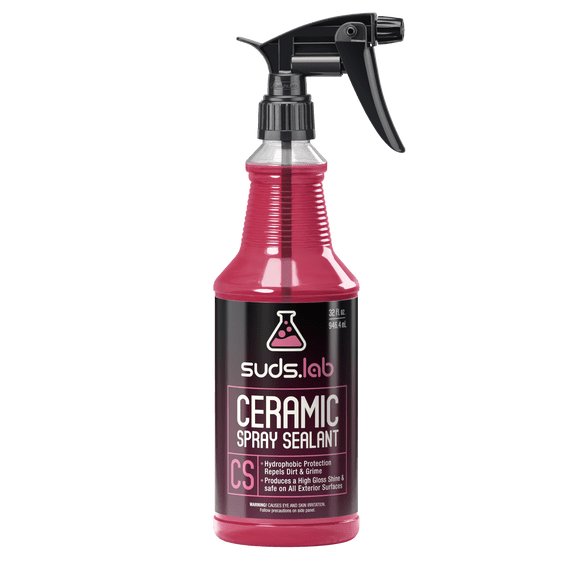
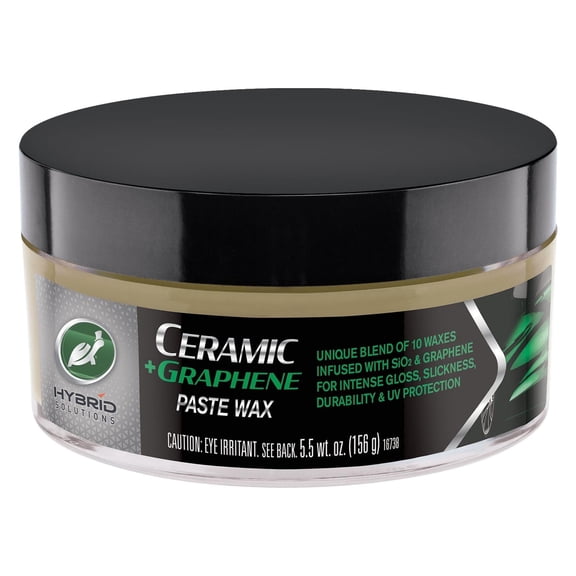
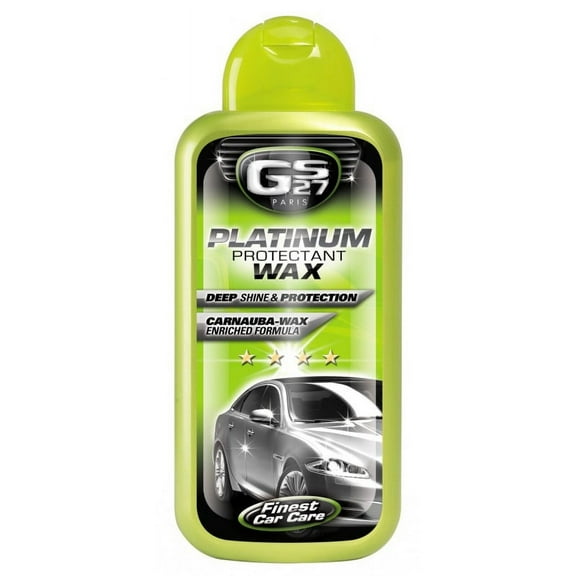
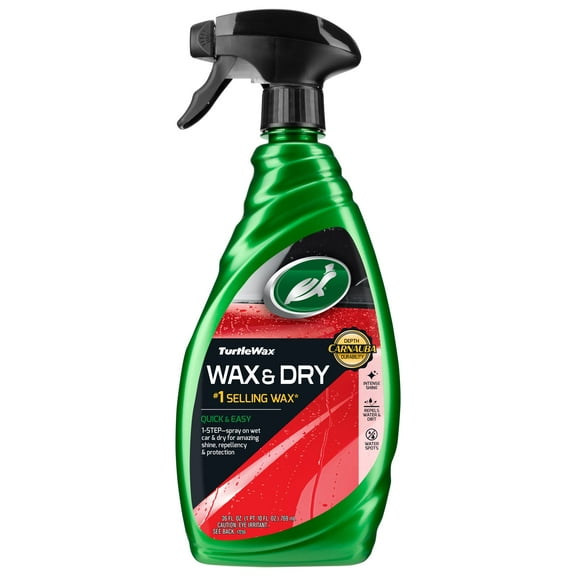
When you want added gloss and water beading, you may compare liquid, paste, and spray car wax options. You can often apply spray wax quickly, while paste formulas may suit extended detailing sessions.
Cleaner sprays help you target fingerprints, dust, spots, and quick messes between deep cleanings. You can keep one in your trunk or garage for fast upkeep.
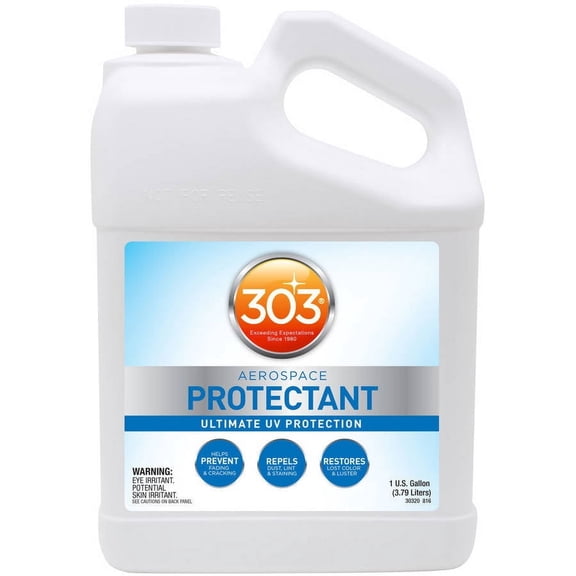
Protectants matter when you want surfaces to keep a finished look after cleaning. You can compare leather conditioners for seats and vinyl protectants for dashboards and door panels.
What to look for in formulations and surface safety
You should check formulation type because liquid, paste, spray, and foam each fit different routines. Your preferred format often depends on how much time, coverage, and control you want.
Liquid formulas can work well when you want even spread across larger areas. You may like spray options when you need quick application on glass, trim, or interior touch points.
Foam products can help you see where you’ve applied cleaner on tires, carpets, or fabric mats. You can monitor coverage easily during weekend detailing.
For paint care, you should look for pH-neutral formulas when regular washing is your goal. You can keep your routine gentle on finished surfaces while removing road film and dust.
For exterior finishing, you should also check whether a formula is clear coat safe. You can use that detail as a guide when your vehicle has modern painted panels.
Inside the cabin, you can match conditioners and protectants to the exact material. You can use leather conditioners for natural leather and vinyl protectants for synthetic trim surfaces.
Deciding between a car cleaning kit and individual bottles
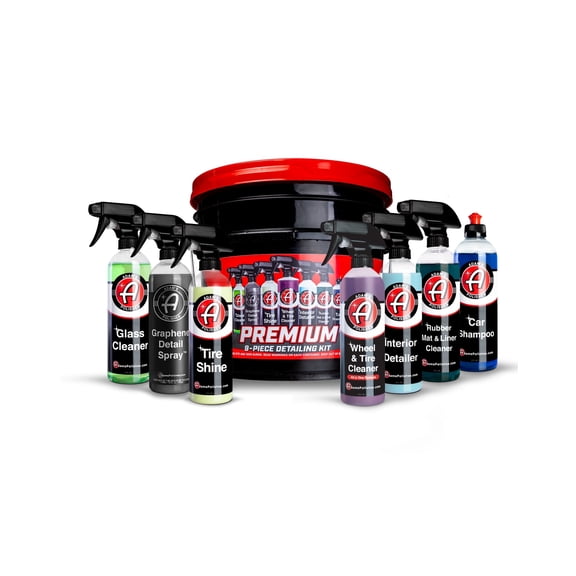
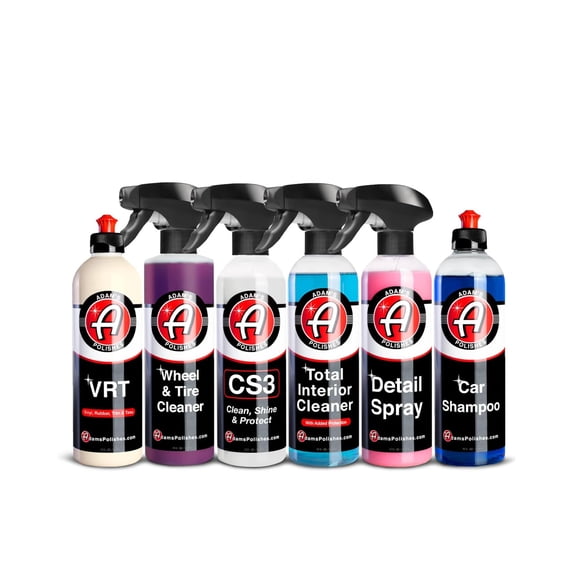
You can simplify your setup by choosing a car cleaning kit when you’re starting from scratch. Your kit may bundle core steps so you can wash, dry, clean, and finish without guessing.
Starter packs can make sense when you want a coordinated routine for your first detailing session. You can learn the order of use easily when key items come together.
Individual bottles work well when you already know which step needs a refill. You can replace only your favorite soap, wheel cleaner, or interior car cleaner as your routine evolves.
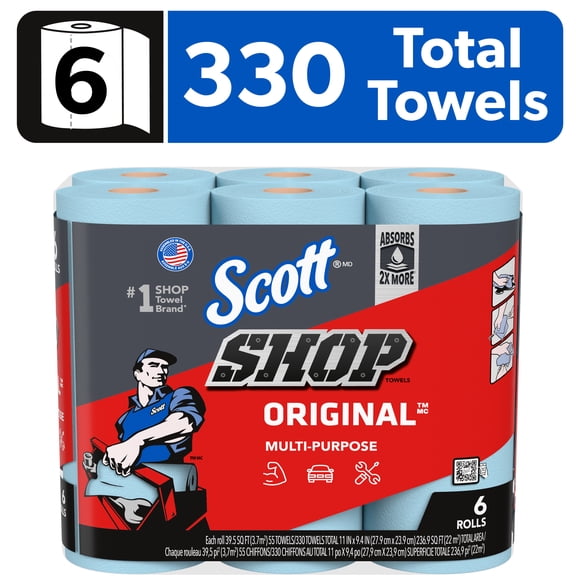
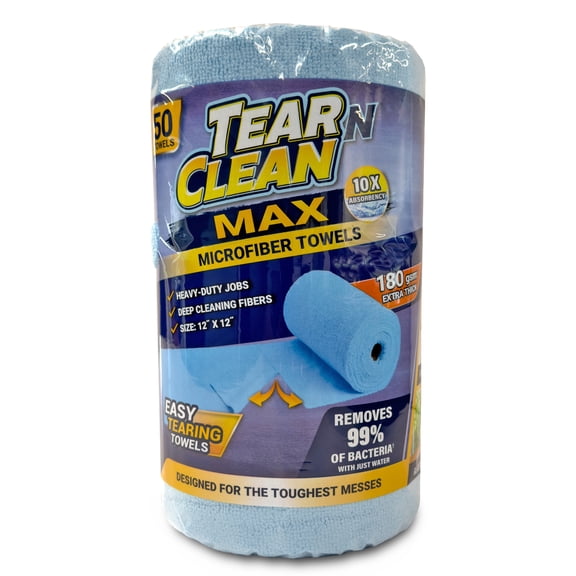
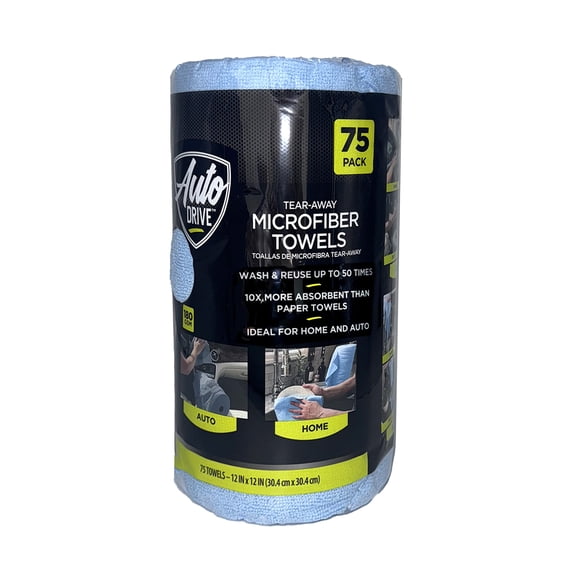
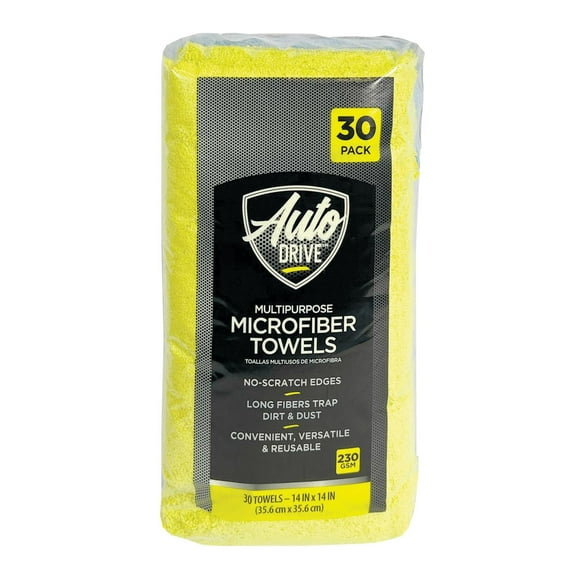
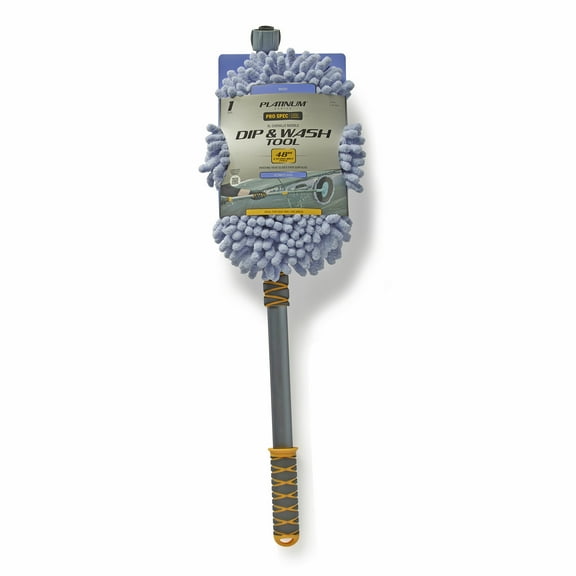
Microfiber towels for cars also matter when you compare kits and single products. You can use dedicated towels for paint, glass, and interior surfaces to keep each step organized.
If you handle seasonal grime, you may add specialized items to your core setup. You can keep bug and tar remover for warm-weather trips and car windshield washer fluid for daily driving needs.
Matching use cases to your routine
You may want different combinations based on where you drive and how often you clean. Your ideal setup for commuting, road trips, or weekend detailing can look very different.
For weekly upkeep, you can pair car wash soap, microfiber towels for cars, and a spray wax. You can cover the basics quickly and keep painted surfaces looking freshly washed.
For family vehicles, you can focus on interior car cleaner, protectant, and glass spray. You can be ready for crumbs, fingerprints, cup holder residue, and everyday dust.
If your vehicle sees muddy roads or long highway drives, you can add wheel cleaner and bug and tar remover. You can target the spots that usually need extra attention after travel.
When you want a more complete process, you can choose car detailing supplies that move from wash to finish. Your sequence may include soap, drying towels, polish or wax, trim care, and glass cleaning.
You can build a practical routine by comparing application area, product type, formulation, and kit size before you choose. Your finished vehicle can look clean, feel cared for, and stay easy to maintain between washes.