


Find auto parts that fit
Let’s search for parts that fit your vehicle.Oils and Fluids in Auto & Tires
















About Oils and Fluids in Auto & Tires - Walmart.com
Automotive fluids help you match the right formula, viscosity, and vehicle compatibility before you refill key systems. You need category-specific guidance because your engine, transmission, brakes, and cooling system each require different fluid types.
If you maintain one car or several vehicles, you can use this page as a practical guide to common maintenance categories. You can also make synthetic motor oil, transmission fluid, and antifreeze coolant simple to compare.
How to choose automotive fluids by fluid type
You should start with the fluid type listed in your owner’s manual and on the reservoir cap. Your vehicle uses separate formulas for engine lubrication, braking, steering, cooling, and windshield cleaning.
When you shop motor oil and fluids, you can narrow options by the system you’re servicing first. You can avoid mix-ups when you separate motor oil, brake fluid, coolant and antifreeze, and power steering fluid.
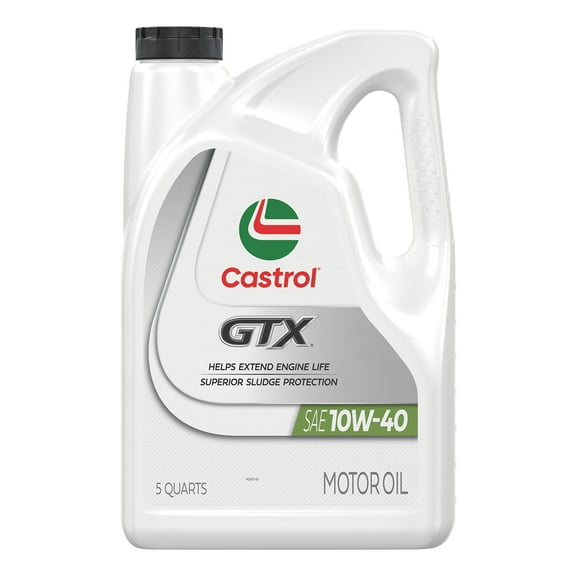
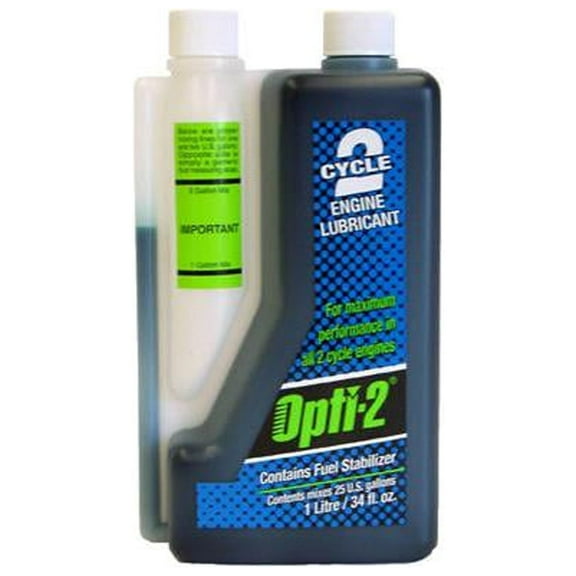
- You can use motor oil to support engine lubrication and match the viscosity your manual requires.
- You can choose transmission fluid by checking the exact specification your transmission calls for.
- You can compare brake fluid by DOT rating, because your brake system needs the correct standard.
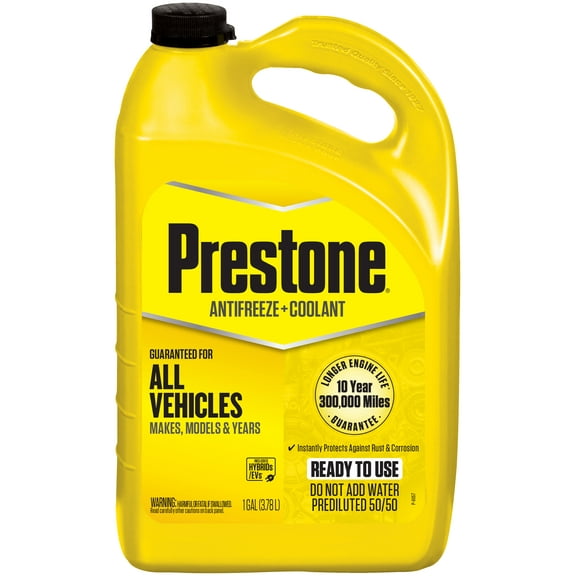
- You can pick coolant by formula and color guidance from your manual, not by appearance alone.
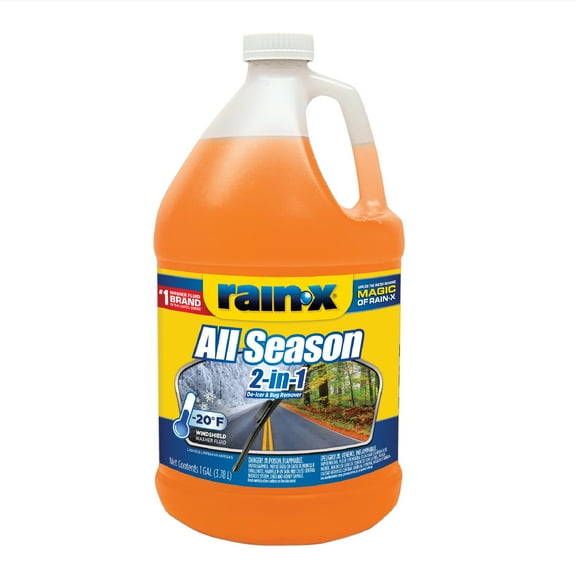
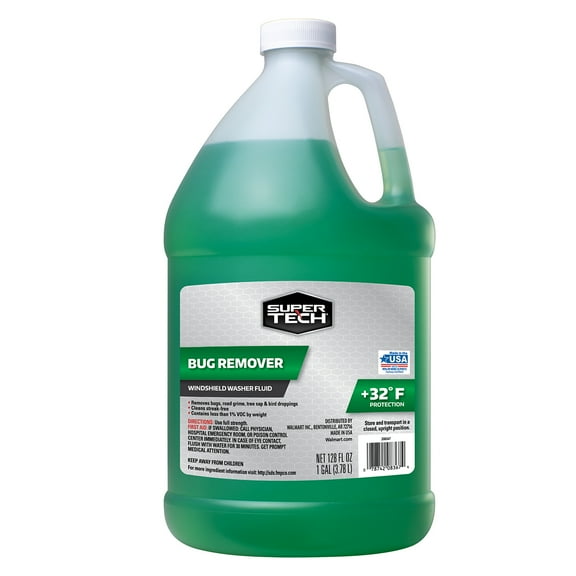
- You can keep visibility clear with windshield washer fluid matched to seasonal driving conditions.
You’ll notice each fluid works in a different system, and you shouldn't substitute them across categories. Your decision gets simpler when you treat each reservoir as its own maintenance task.
Choosing motor oil and fluids by formulation and viscosity
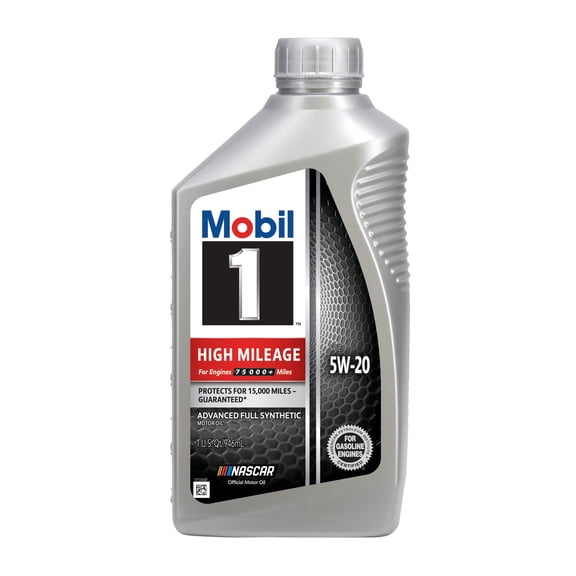
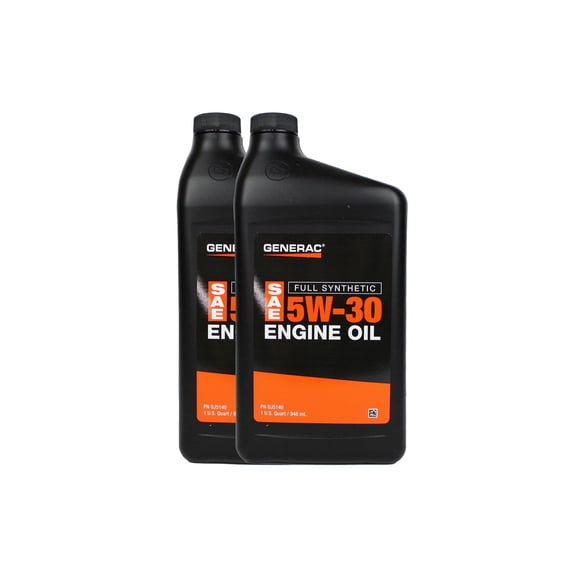
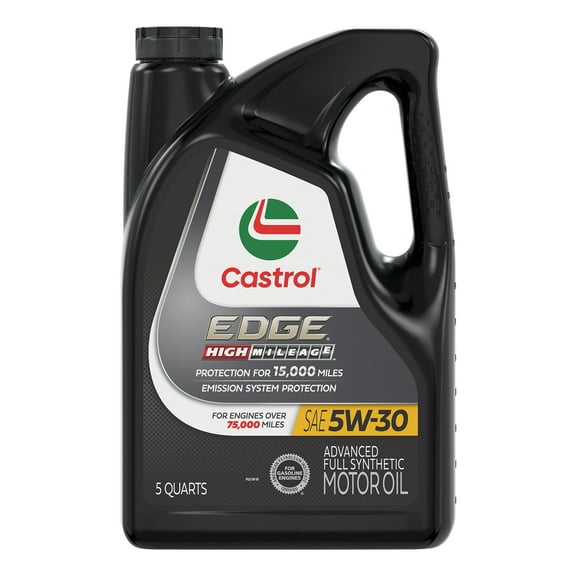
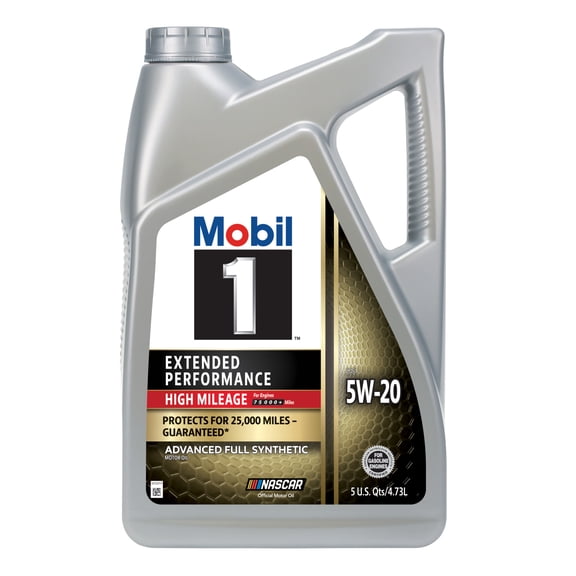
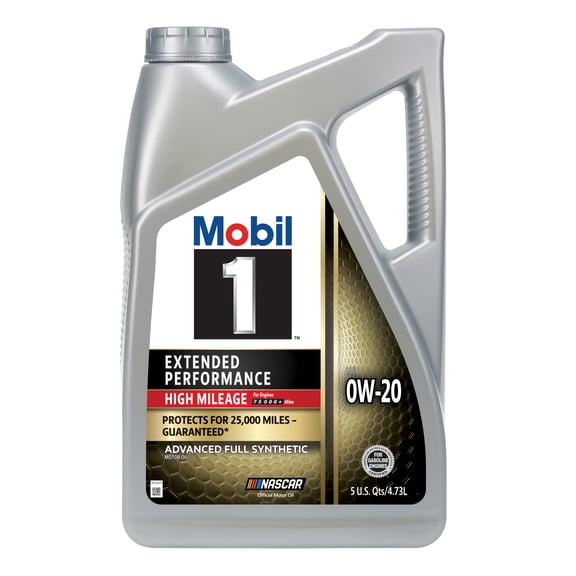
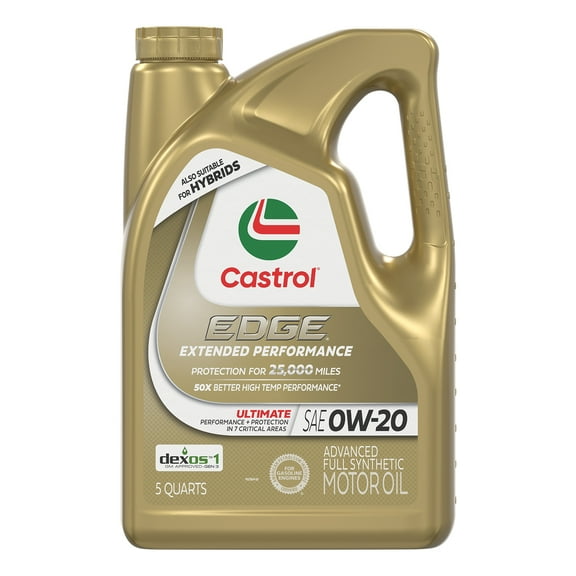
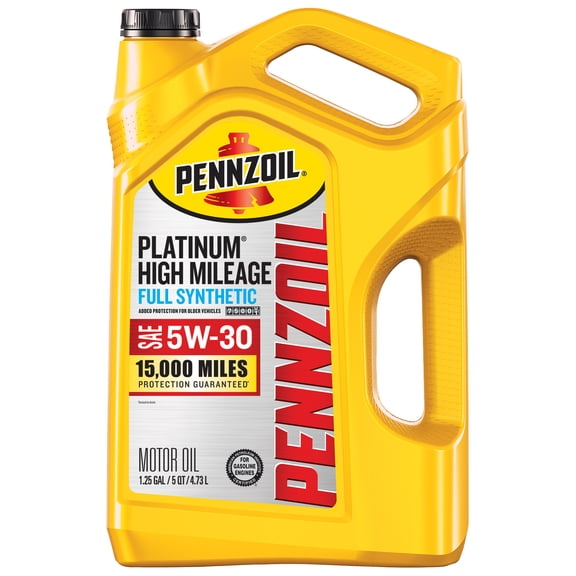
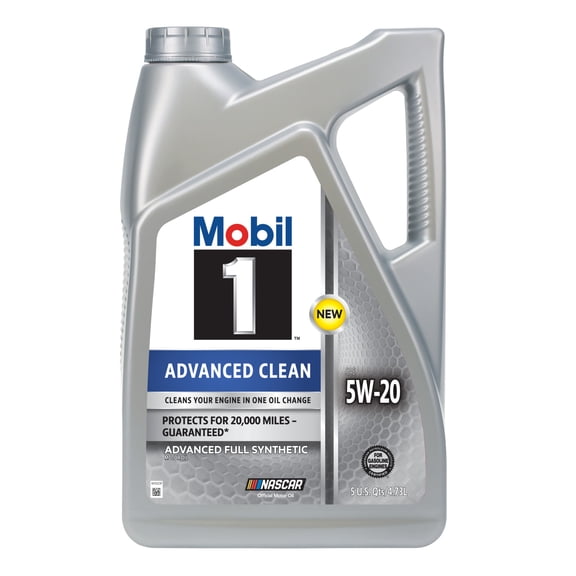
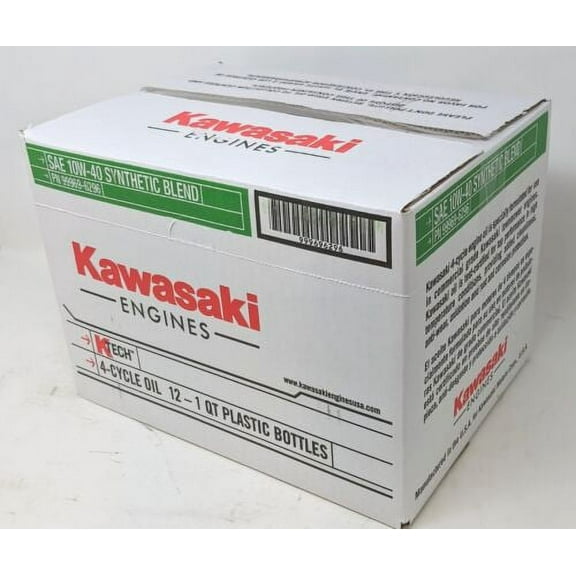
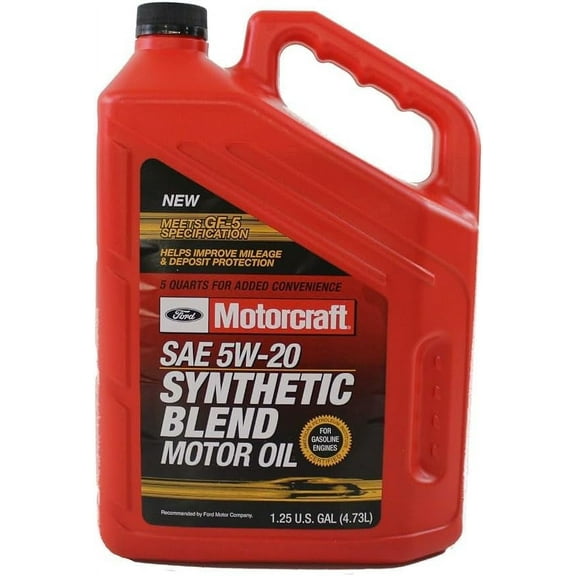
You should compare oil formulation next, because your engine age and driving pattern affect what you need. You can choose full synthetic, synthetic blend, conventional, or high mileage oil based on your manual and maintenance routine.
If you drive in wide temperature swings, you may prefer synthetic motor oil for steady flow in cold starts and hot traffic. If your vehicle has higher mileage, you may look for formulas labeled for older engines.
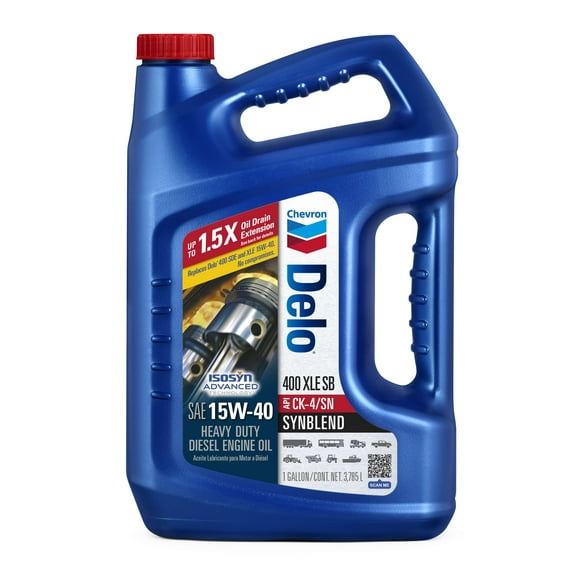
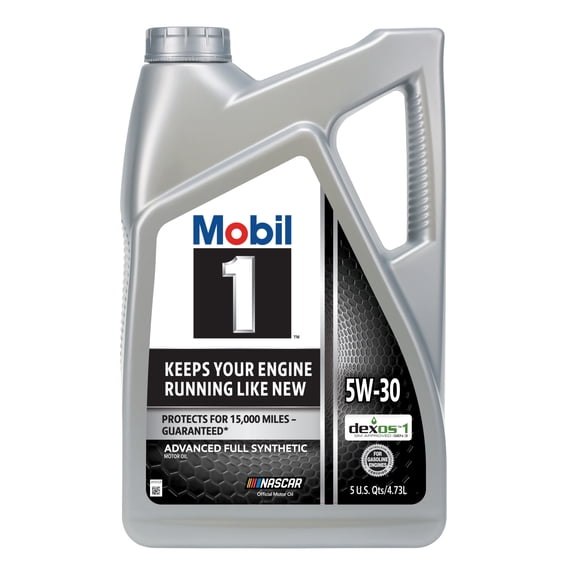
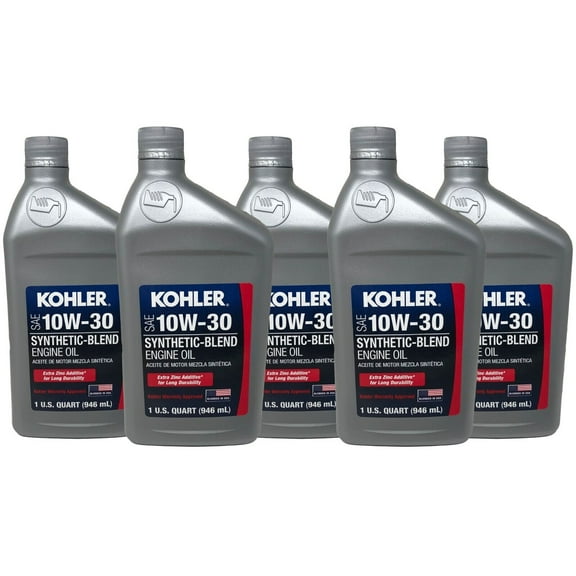
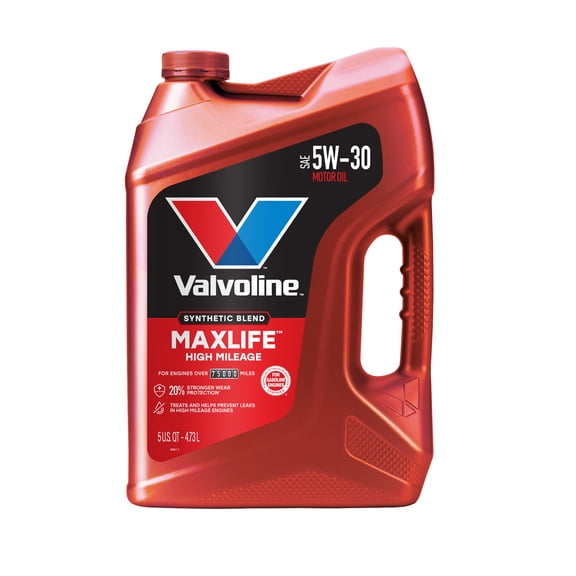
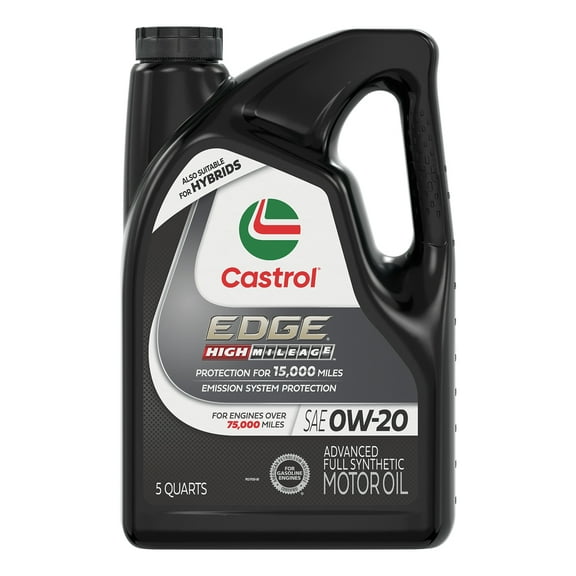
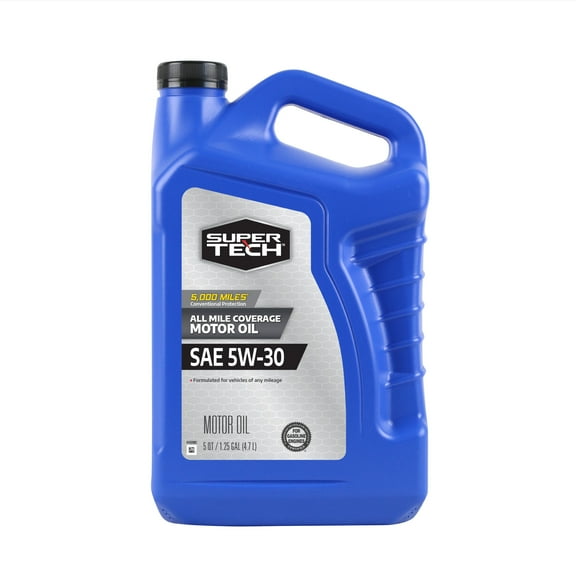
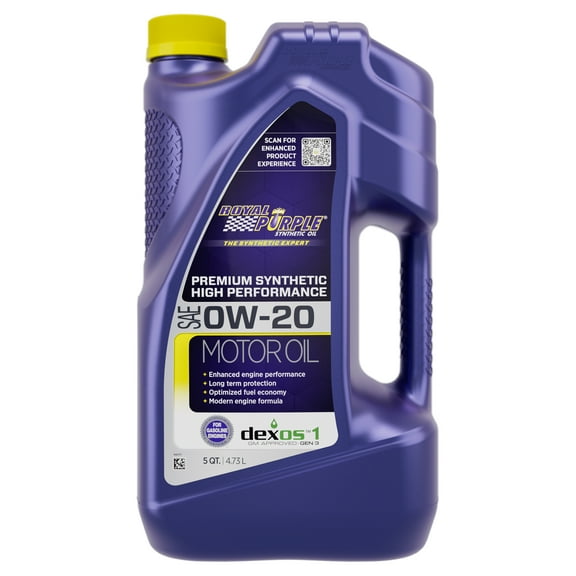
You must match the viscosity grade exactly, because grades like 5W-30, 10W-30, 0W-20, and 5W-20 aren’t interchangeable guesses. You can use your owner’s manual to confirm the exact grade before checkout.
When you compare numbers on the bottle, you’re checking how the oil flows in cold and warm conditions. Your engine design depends on that rating for proper circulation during everyday driving.
You should also check whether your manual calls for a specific automaker standard. You’ll make an accurate choice when the label matches both the viscosity and the required specification.
Checking transmission fluid, brake fluid, and coolant compatibility
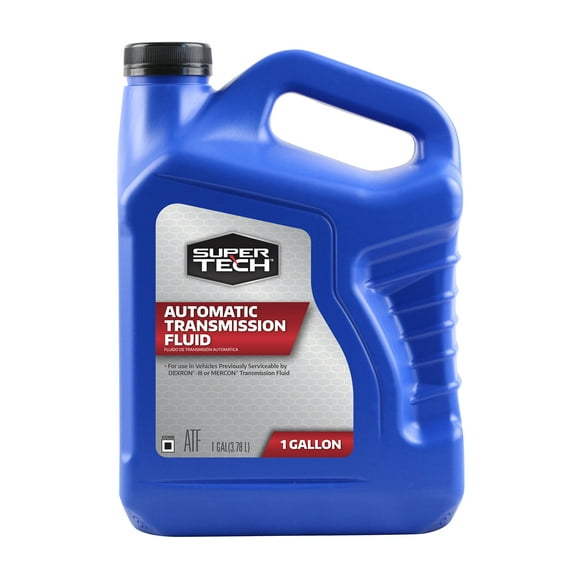
You need exact compatibility for transmission fluid, because many vehicles require a named specification such as Dexron or another approved standard. You shouldn’t assume one automatic transmission formula fits every gearbox.
For brake fluid, you should match the DOT rating shown in your manual or service information. Your brake system may call for DOT 3 or DOT 4, and that specification should match exactly.
With coolant and antifreeze, you should verify the formula recommended for your vehicle platform. You can compare coolant type, service interval, and seasonal rating before you top off or refill.
If you prepare for cold weather, you may look for antifreeze coolant or winter formulation washer fluid. If you handle summer driving, you may compare summer coolant support and all-season options for year-round upkeep.
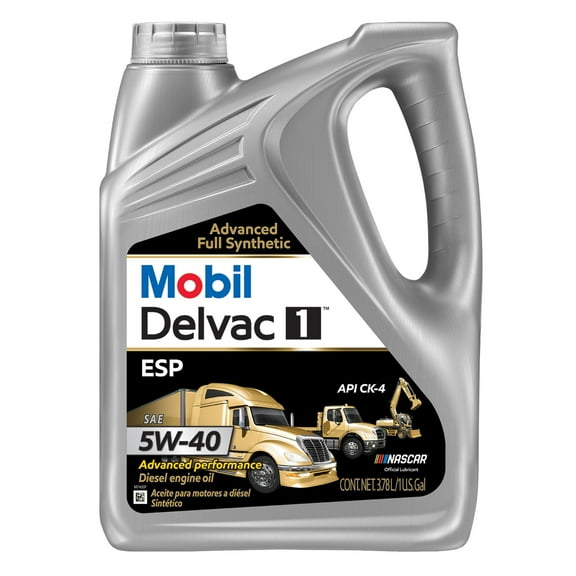
You should check whether the manufacturer intends the fluid for a passenger car, heavy duty truck, motorcycle, or marine setup. Your compatibility check matters because different engines and systems may require different approvals and capacities.
Matching automotive fluids to your maintenance routine
You can make maintenance simpler when you pair the right fluid with the right interval. Your owner’s manual will usually outline when you should change, inspect, or top off each system.
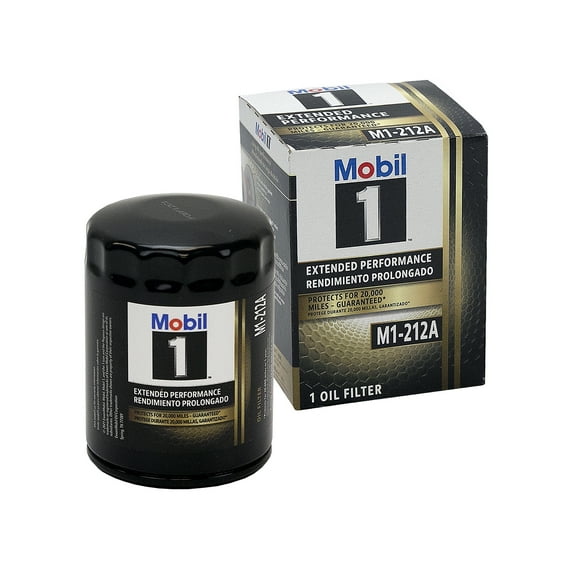
For routine oil changes, you may compare full synthetic and conventional options based on your mileage, driving habits, and manufacturer guidance. You’ll also want the correct filter and oil quantity for a complete service.
If you’re servicing an automatic transmission, you should confirm whether your vehicle needs a drain-and-fill or a full fluid exchange. Your transmission fluid choice still needs the exact spec listed for that unit.
When you flush cooling systems or top off reservoirs, you should keep coolant family and concentration in mind. You can avoid confusion when you check your manual before mixing formulas or colors.
You may also keep brake fluid, power steering fluid, and windshield washer fluid on hand for regular upkeep. Your garage routine gets simpler when the needed type is ready before a dashboard reminder appears.
With automotive fluids, you’ll get an accurate match when you compare fluid type, formulation, viscosity grade, and vehicle compatibility together. Your maintenance plan stays organized, and your vehicle gets the exact fluid each system expects.