


Find auto parts that fit
Let’s search for parts that fit your vehicle.Car and Truck Headliners for Interior Repair
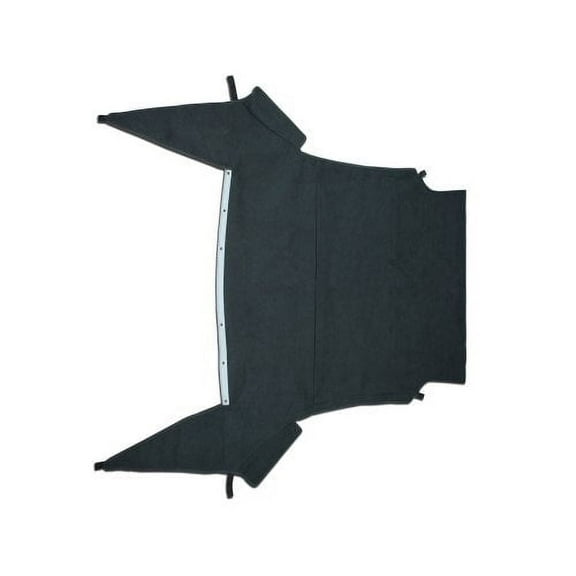
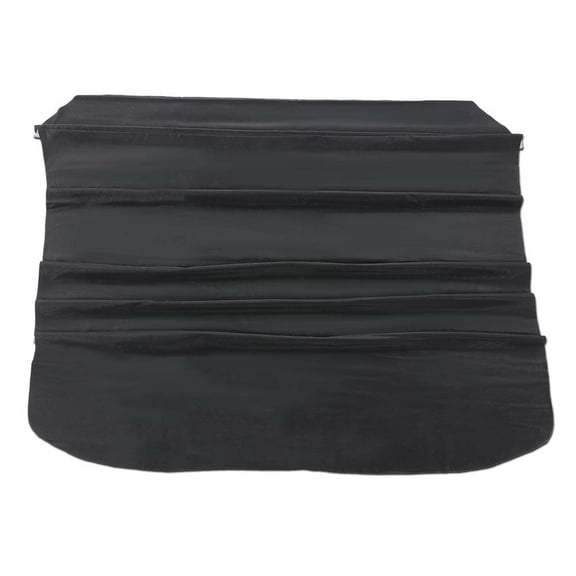
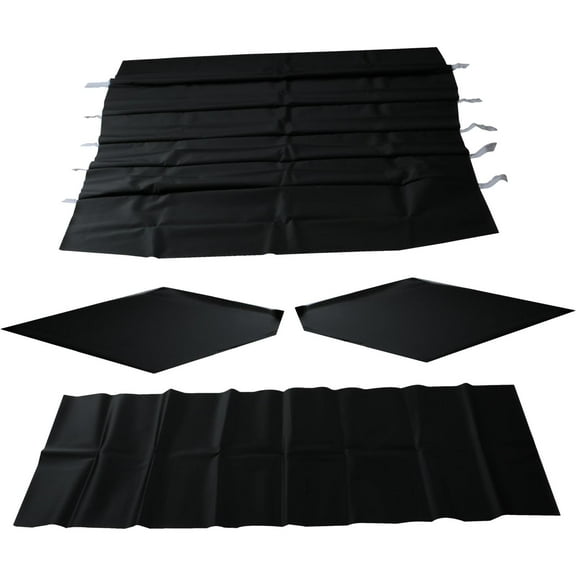
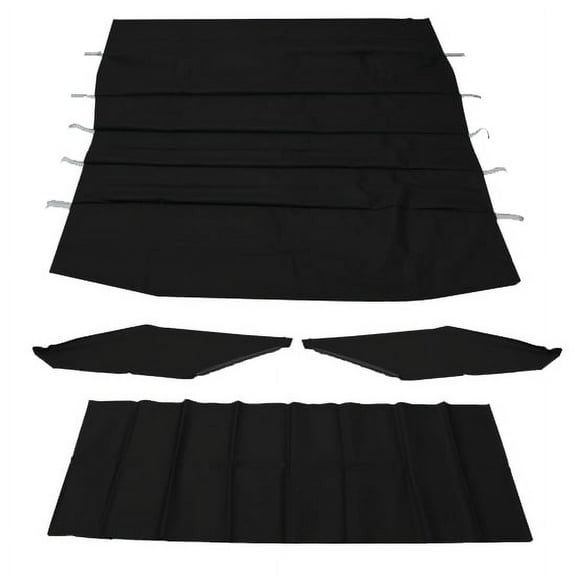

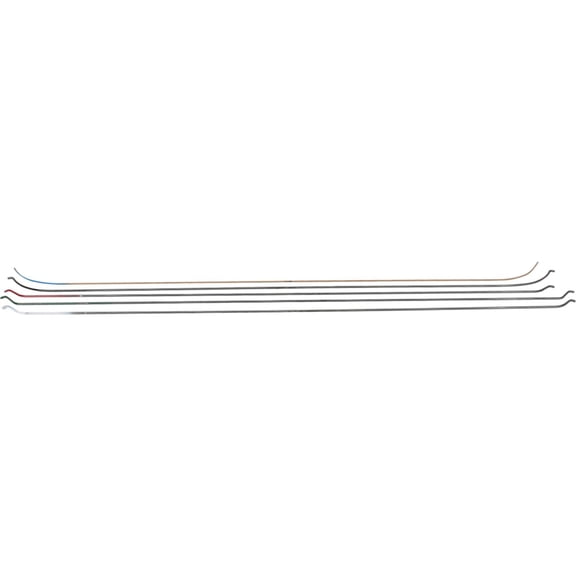

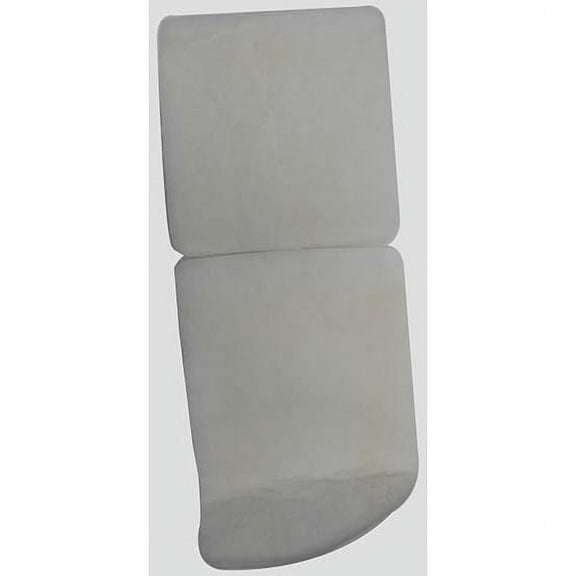
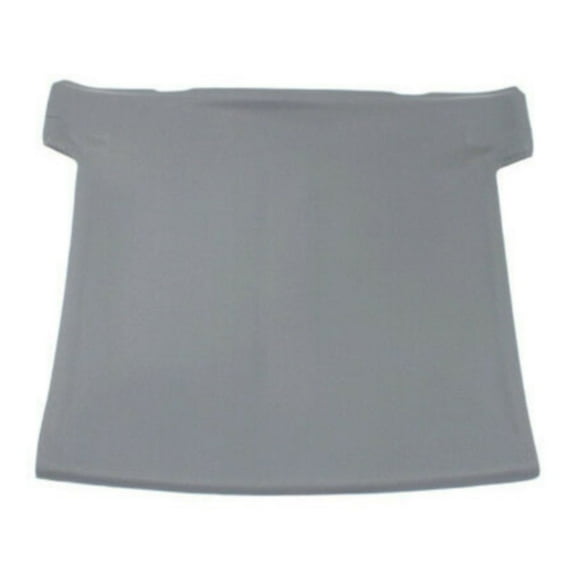
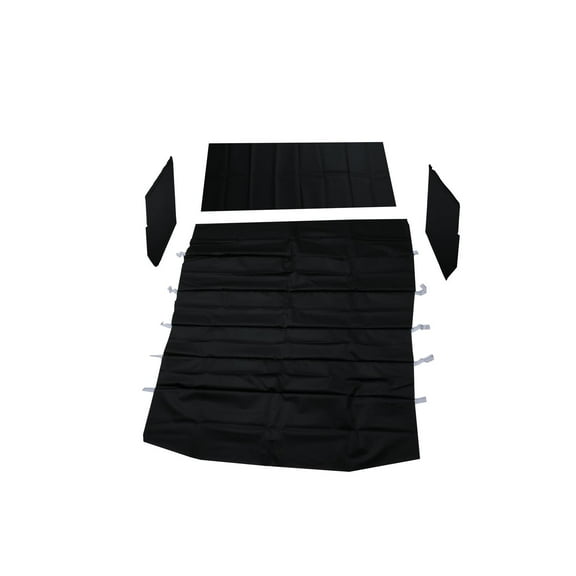

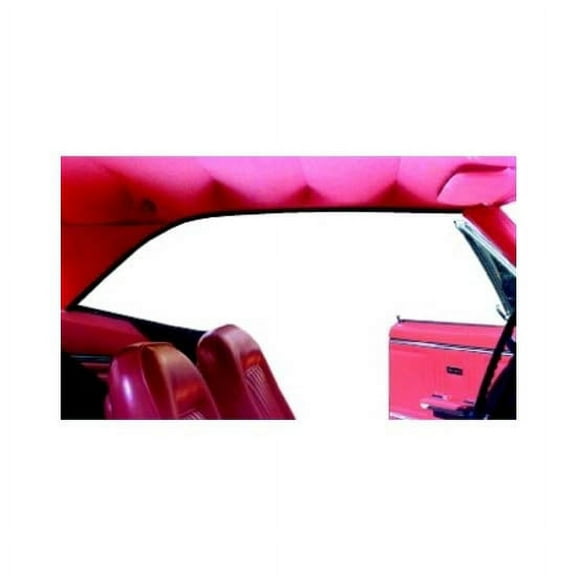


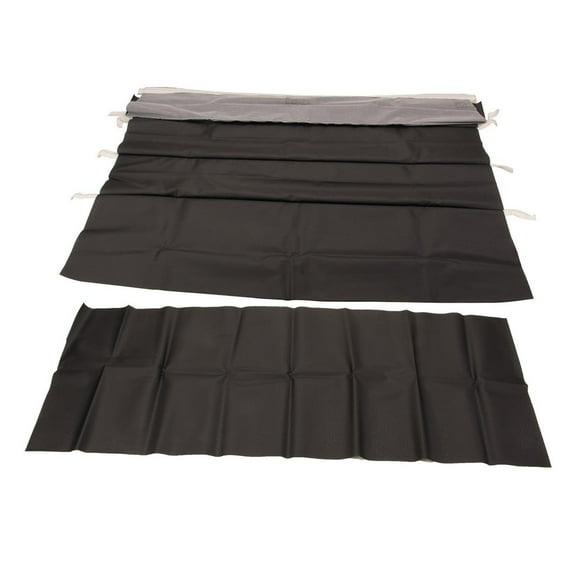


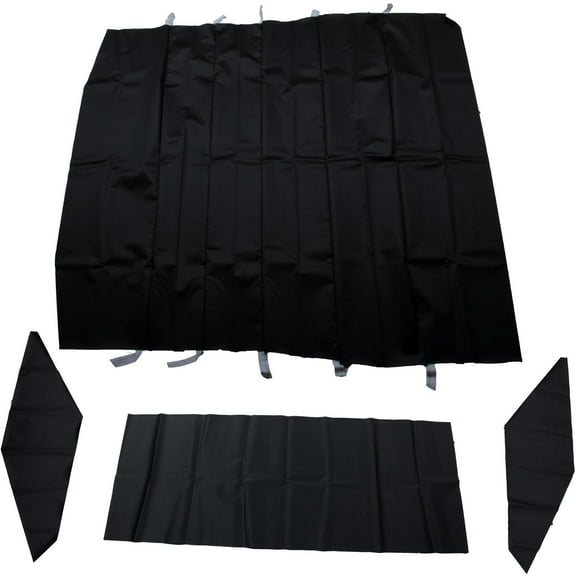
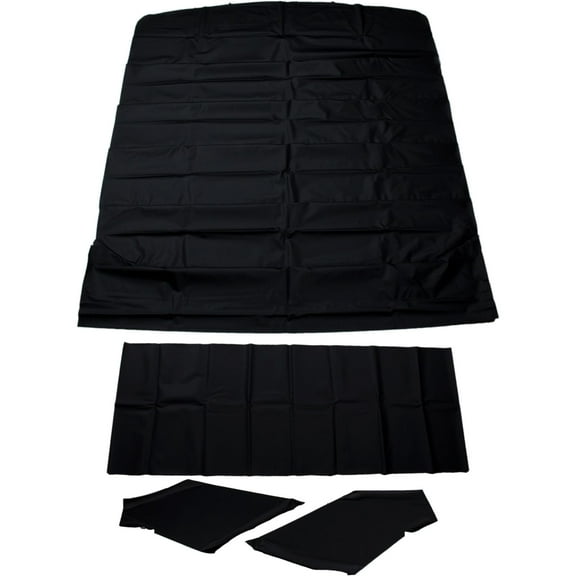
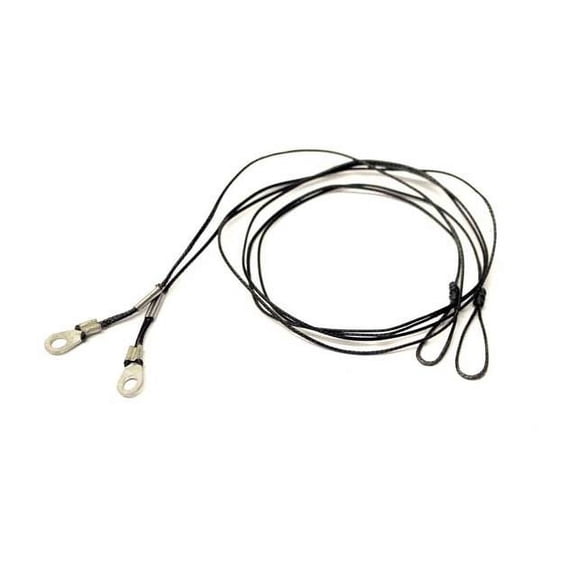

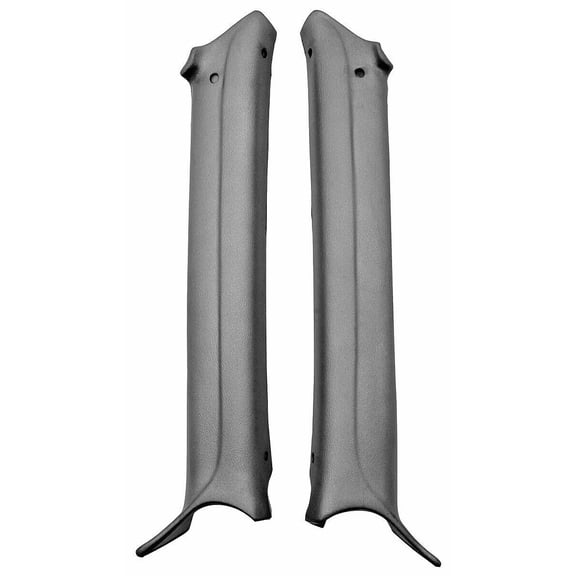
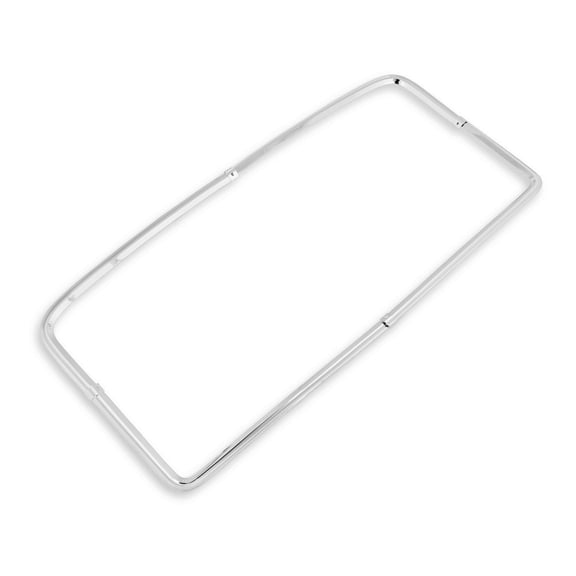

About Car and Truck Headliners for Interior Repair - Walmart.com
Car headliners help you restore a clean interior finish and compare replacement materials before you start your car headliner replacement project. You can use this guide to measure fabric, match cabin colors, and choose an installation method that fits your vehicle.
How to choose car headliners
You should start with your vehicle size, because roof panels vary across sedans, extended cabs, and crew cabs. You can avoid sizing mistakes when you measure length and width before choosing yardage.
If you're replacing older fabric, you should account for visors, dome light openings, and edge wrap around the board. You can prevent awkward seams when you add extra material for trimming around curves and pillars.
Color matters because you want your new liner to match your seats, pillars, and sun visors. You can compare gray, black, beige, and tan options to keep your interior looking consistent.
Choosing material type for car headliner replacement
You can choose foam-backed fabric when you want a classic look and a surface that contours around roof shapes. You may notice foam backed headliner fabric trims and wraps neatly across common DIY roof boards.
If you prefer a richer texture, you can consider suede headliner material for a softer, tailored appearance. You should check whether your trim looks smooth or textured so your new fabric feels coordinated.
Vinyl can suit your project when you want a wipe-clean surface and a tighter, structured look. You can consider cotton blend options when you want a fabric feel for a lighter interior refresh.
- You can use foam-backed fabric for flexible coverage over curves and recessed roof panels.
- You can pick suede when you want a softer surface and a custom-style cabin look.
- You can choose vinyl when you want a smooth finish that wipes clean easily.
- You can compare cotton blend options when you want a straightforward fabric update.
What to look for in foam density and thickness
You should pay close attention to foam density and thickness because those details affect fit, feel, and roof panel coverage. You can use thicker backing to soften minor surface irregularities and create a fuller appearance.
You should still confirm that your material fits under moldings, visors, and overhead console edges. You can compare thickness carefully when you want auto headliner material that wraps cleanly without bulky edges.
Denser foam can give your fabric a steadier base during installation and regular use. You should compare product details when cabin sound, trim clearance, and roof contours all matter in one project.
Comparing fitment and yardage needs
You can shop universal rolls when you want flexibility for custom cuts across different vehicle sizes. Pre-cut truck sizes can simplify planning when your cab shape is predictable and your measurement target is clear.
Sedan kits can help you narrow choices when you want material sized for a smaller roof panel. You should measure the roof area, then include pillars, overlap, and trimming space before choosing your yardage.
Truck headliner fabric often needs extra attention around rear cab corners and wider spans. You should compare dimensions carefully if your truck has an extended or crew cab layout.
Checking installation method and adhesive compatibility
You should match your installation method to your skill level, tools, and roof board condition. Adhesive spray required options are common, while staple-on and peel-and-stick styles can fit specific project needs.
For many fabric installs, you may need a high-temp spray adhesive that suits warm cabin conditions. You should check adhesive compatibility before starting, because not every glue bonds well with every backing material.
A car headliner repair kit can help you handle smaller fixes, loose sections, or spot repairs without replacing the full panel. This gives you a targeted solution for corners, small sections, or localized reattachment work.
Using car headliners in real DIY projects
You can use car headliners for a full roof refresh when older fabric has separated from the board. You'll also find them useful when you're restoring a project car, updating a work truck, or refining a daily driver.
If you're covering a broad roof panel, you may want universal material with extra trimming room and spray adhesive support. If you're working on a pickup, you might prefer truck headliner fabric in pre-cut sizing.
When your board is intact and your fabric issue is limited, you can start with a headliner repair kit. You can also choose suede or black fabric for a custom cabin update with matching seat covers and carpet.
If you want a factory-style interior, you can match gray, beige, or tan tones across the roof and pillars. You can feel more prepared when you compare material, color, fitment, foam thickness, and adhesive needs before installation.
You can make a more confident choice when your measurements, color match, and installation plan line up before you begin. That preparation helps your car headliners fit your vehicle and support a cleaner finished interior.