


Find auto parts that fit
Let’s search for parts that fit your vehicle.Auto Body in Auto & Tires























About Auto Body in Auto & Tires - Walmart.com
Auto body parts help you restore your vehicle’s exterior fit and finish with informed choices. You can compare fitment details, materials, and finishes in one place for efficient, accurate repairs.
When you’re replacing a damaged panel or missing trim piece, details matter. You can narrow options faster when you check your vehicle information before comparing styles and materials.
How to choose auto body parts
You should start with your year, make, model, and trim level before you compare any part. You can also cross-reference your OEM part number when a listing includes it.
That step matters because body parts can vary by body style, engine package, and trim. When your replacement car body parts match factory specifications, you can avoid common fitment mismatches.
- You can narrow choices by confirming year, make, model, and trim.
- You can compare direct replacement, vehicle-specific, and universal fit options.
- You can check whether you need hardware, paint prep, or extra installation steps.
- You can match the finish you want, including primed, textured black, chrome, or painted.
If you want factory-style alignment, you may prefer direct replacement parts with matching mounting points. If you’re planning a custom project, you can compare universal fit options with extra care.
Before you choose a visible exterior piece, you should review finish details closely. You can compare a primed surface, textured black look, chrome accent, or painted panel for your final appearance.
Choosing replacement car body parts by part type
You can shop by the exact part type that needs attention on your car, truck, or SUV. Each category changes what you should check for fit, appearance, and installation time.
When you compare replacement bumpers, you should look for sensor openings, trim compatibility, and paint-prep details. Those checks help you match your front or rear profile more closely.
If you need fenders, you should confirm left or right placement before you compare panel shape. You can also review mounting points and wheel opening coverage for your specific vehicle.
For car grilles, you should compare insert style, emblem space, and surround finish. Those details help you match airflow openings and the look of your front end.
When you’re selecting replacement side mirrors, you should check housing style and power features carefully. You can also compare turn signal details and fold functions when those options appear.
If your project includes door handles or tailgates, placement details become especially important. You should confirm latch areas, handle style, and hardware compatibility for a clean installation result.
How to compare automotive body panels and materials
You can choose automotive body panels in several common materials, and each option affects weight, feel, and prep work. You should compare steel, ABS plastic, fiberglass, and carbon fiber based on your project goals.
If you want a factory-style feel, you may prefer steel for many exterior panel replacements. You can often use steel on fenders, doors, and other sections that need familiar structure.
When you want a lightweight option, ABS plastic can make sense for molded exterior components. You may see it on bumper covers, trim pieces, and other shaped replacement panels.
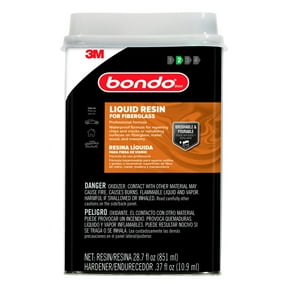
For custom projects, fiberglass may appeal to you because it supports shape changes and styling flexibility. You should review prep work and fitment notes carefully before making your decision.
If appearance and reduced panel weight matter to you, carbon fiber may fit your project. You can compare finish expectations and installation notes carefully for specialty exterior pieces.
You should also compare finish types before you finalize your order. A primed panel gives you a paint-ready surface, while textured black, chrome, or painted finishes change the look immediately.
What to check before you choose replacement bumpers and fenders
You can simplify the process when you read the fitment notes from start to finish. You should check whether your part uses bolt-on direct fit points or needs extra prep work.
Some parts match factory mounting locations, which can help you handle installation more easily. Other parts may need painting, transferred hardware, or professional installation, depending on your project.
You should pay attention to brackets, holes, clips, and included components before you choose. You can also check whether you must purchase bulbs, mirror glass, sensors, or fasteners separately.
If you’re repairing a daily driver, you may want stock-style panels and trim that match original lines. If you’re updating a project vehicle, you can consider different materials or finishes for a distinct look.
You can also use these auto body parts for parking lot scrapes, worn exterior trim, or missing hardware areas. When you compare side, position, and reference details, you can find the right match.
Using auto body parts for common repair projects
If you’re restoring a commuter vehicle, you can focus on direct replacement panels with factory-style fitment. That approach helps you compare replacement car body parts with less guesswork during selection.
For a weekend project truck or SUV, you may compare automotive body panels by material and finish first. You can choose primed pieces when you plan to paint, or textured black parts for a ready-to-install look.
When your front end needs a refresh, you can pair car grilles with replacement bumpers for a more consistent appearance. You should still verify trim compatibility and opening details before you finalize your choice.
If your side profile needs attention, you can compare fenders, replacement side mirrors, and door handles together. That method helps you align finish, placement, and fitment notes across visible exterior areas.
When you choose auto body parts with verified fitment and the right material, your project comes together with minimal surprises. You can move forward with more confidence when your panel, finish, and installation needs line up.