


Guinea Pigs in Pets





























About Guinea Pigs in Pets - Walmart.com
You can narrow down guinea pig cages by checking floor space, bar spacing, and cleanup features that fit your room and routine. Your setup choices matter here because guinea pigs need long, open habitats instead of tall climbing spaces.
Choosing the right guinea pig cage size
Floor space should guide your first decision because your guinea pigs use horizontal room for running, hiding, and eating. For one guinea pig, you may want at least 7.5 square feet, and for two, 10.5 square feet.
Outside measurements don't tell the full story, so you should compare usable interior space before choosing a large guinea pig cage. Ramps, lofts, and frames add structure, but your pets still need broad open areas each day.
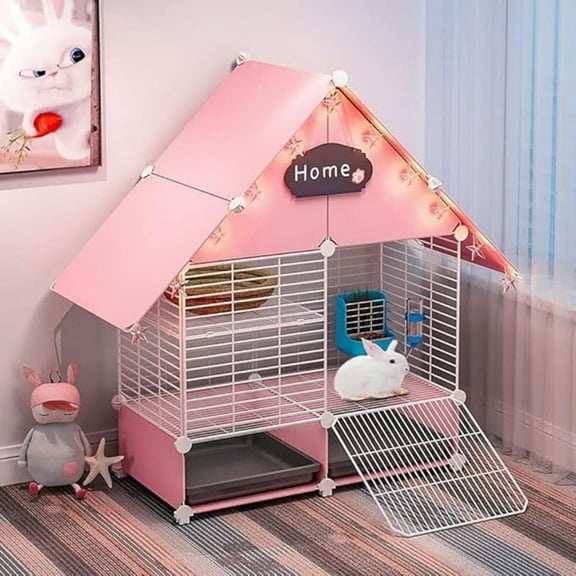
Households with pairs or growing groups often need longer layouts that create separate zones for hay, hideouts, and rest. Modular C and C styles also give your setup room to change when your herd changes.
- You can choose longer cages when your guinea pigs need open running space.
- You can check square footage first so your setup fits one or two guinea pigs.
- You can compare modular panels when your room layout may change later.
- You can look for wide doors when feeding and cleanup happen every day.
How to compare placement and base types
Indoor guinea pig cages usually fit well in climate-controlled rooms where your pets stay part of your daily routine. A steady indoor spot also helps you monitor food bowls, hay racks, and bedding levels.
Placement affects maintenance, so you should leave room around the cage for bottle refills, liner changes, and quick access. Draft-free corners and stable surfaces can also make your setup feel more practical.
Base type changes daily care, and your choice should reflect the bedding you use and the cleanup time you expect. Plastic trays can wipe down simply, while canvas bottoms can feel lighter in portable setups.
Wire-bottom styles need extra review because your guinea pigs need a smooth, supportive surface above the frame. You should check whether liners or panels create a solid area that works with common bedding.
What to look for in guinea pig cages features
Bar spacing deserves close attention because curious guinea pigs can slip through wide gaps. Spacing under one inch usually works well when you want secure walls around food stations and hideouts.
Access points shape your daily routine, so you should compare front doors, top openings, and latch placement. Wide openings can help you reach bowls, fleece liners, and corners without awkward stretching.
Cleanup features matter because loose bedding can collect in seams, corners, and under ramps. Removable trays, washable liners, and open-top designs can help you clean efficiently during regular cage care.
Assembly style also affects long-term use, especially when your room layout changes during the year. Simple connectors, clear panels, and straightforward stands can make reworking your habitat feel less complicated.
Choosing between a guinea pig cage with stand and floor layouts
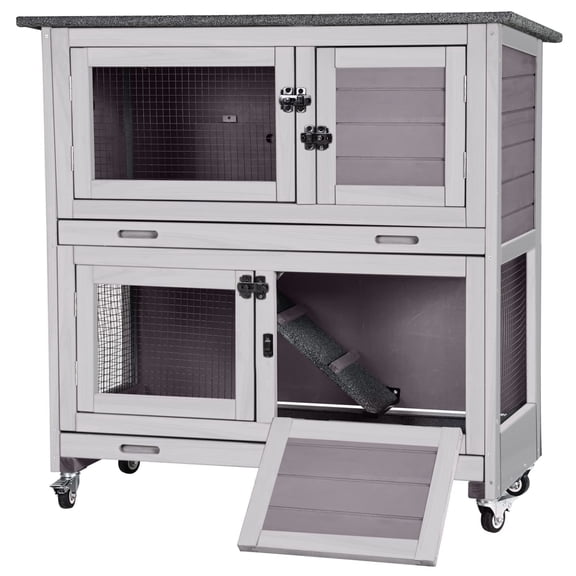
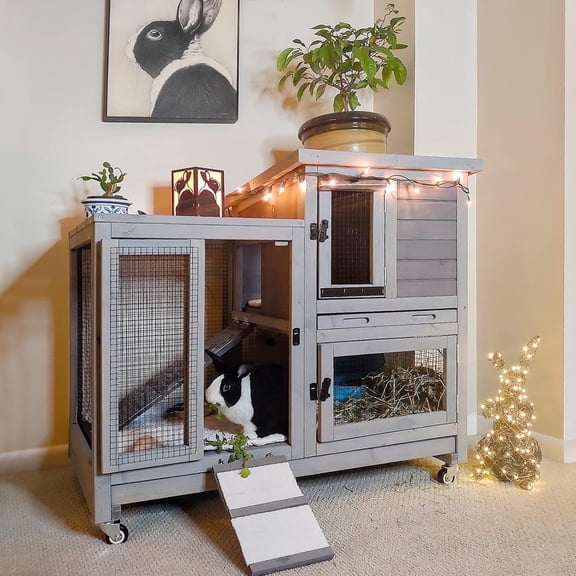
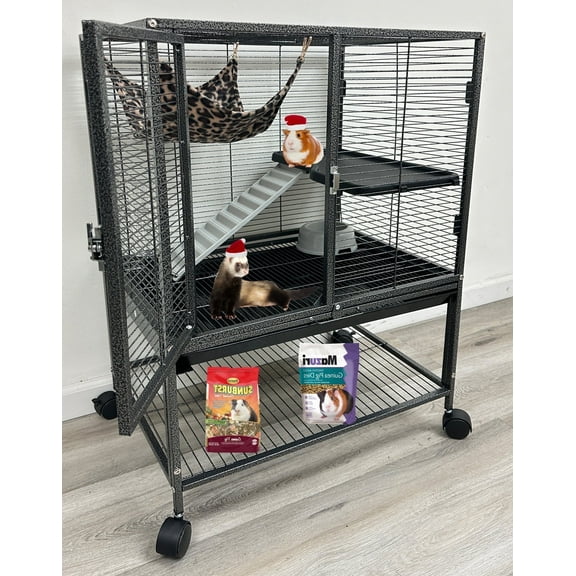
A guinea pig cage with stand can raise the habitat to a more convenient height during feeding and cleaning. Storage shelves underneath can also hold hay, liners, bowls, and grooming supplies.
Floor layouts can still work well when your room has enough clearance around the enclosure. You should measure walking space, door swing, and nearby furniture before choosing a larger footprint.
Stand designs often suit apartments, bedrooms, and shared family spaces where you want a defined pet area. Frame height, shelf room, and total footprint can help you match the cage to your space.
How configuration changes your daily setup
Configuration affects what you need on day one, so you should compare habitat only options, modular layouts, and a guinea pig starter kit. Each format supports a different setup style depending on what supplies you already have.
A starter kit can simplify your first habitat because your setup may need bowls, hideouts, and other basics right away. That route can also help you organize bedding, food, and accessories from the beginning.
Modular C and C layouts support flexible room planning when corners, divider panels, or future expansion matter to you. Standard framed habitats may suit your needs when you want a more fixed footprint.
Matching your habitat to real home routines
Living rooms often suit larger habitats because your guinea pigs stay visible during feeding, cleaning, and family time. Long, low cages make sense there because guinea pigs move across floor space instead of climbing.
Bedrooms and smaller spaces may work well with stand models that use vertical storage below the habitat. You should still prioritize broad interior floor space even when your outer footprint stays compact.
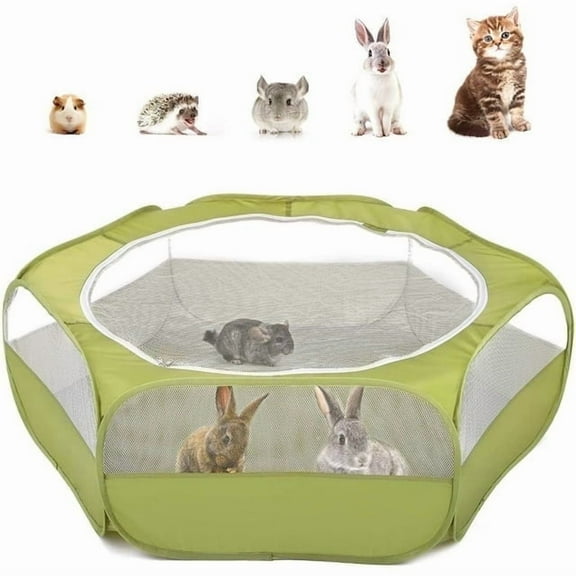
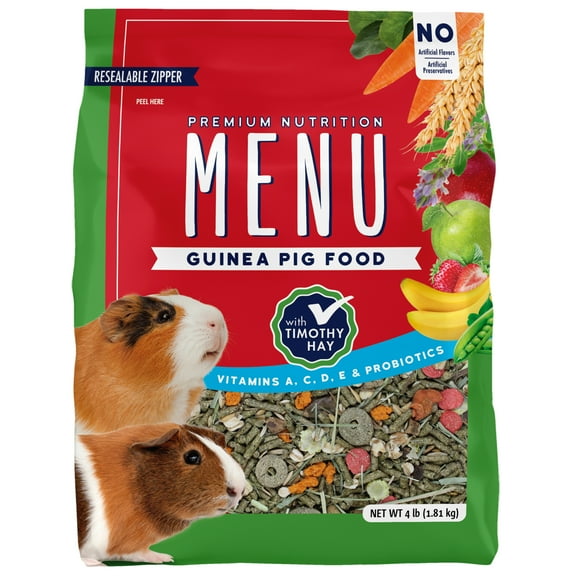
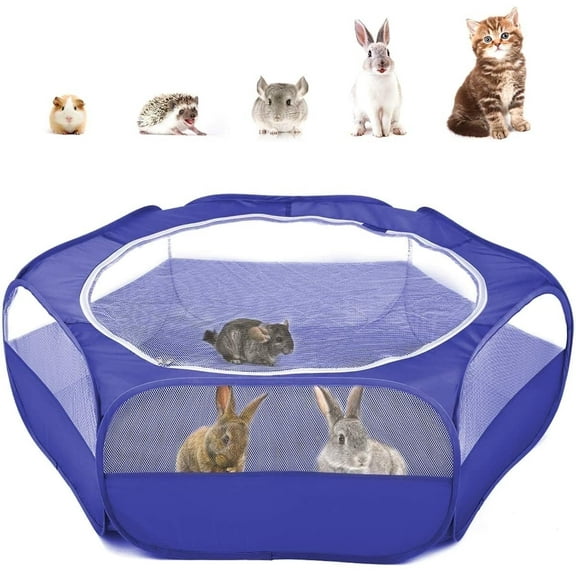
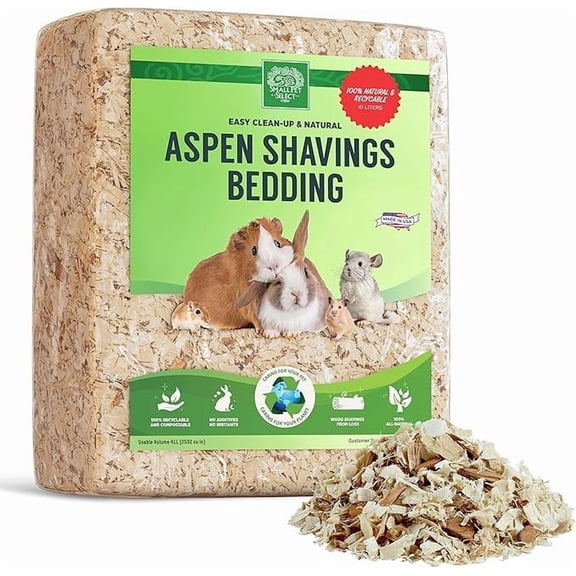
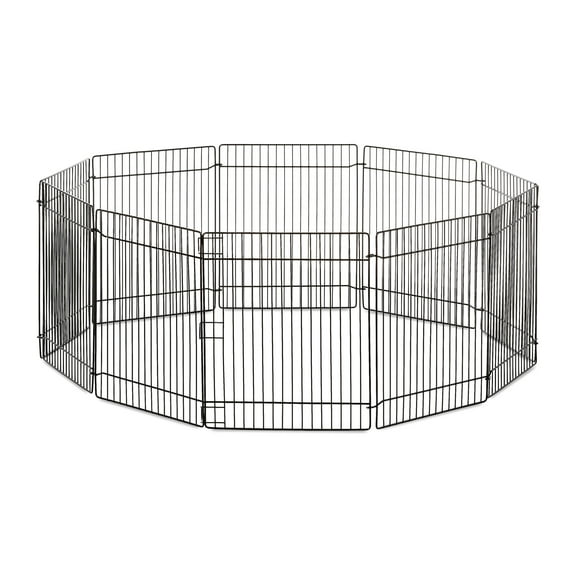
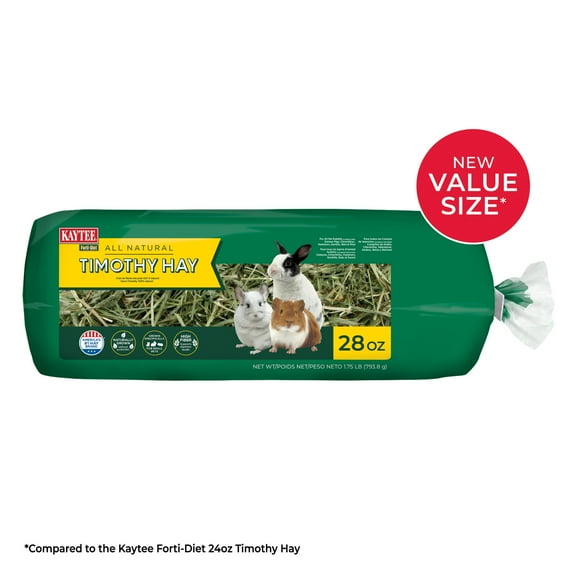
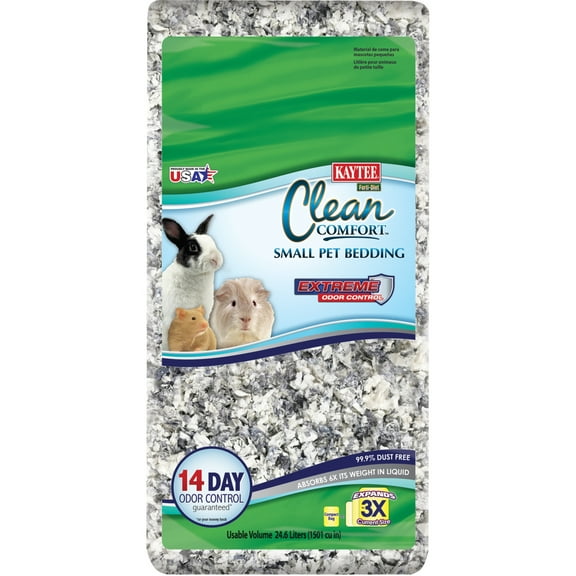
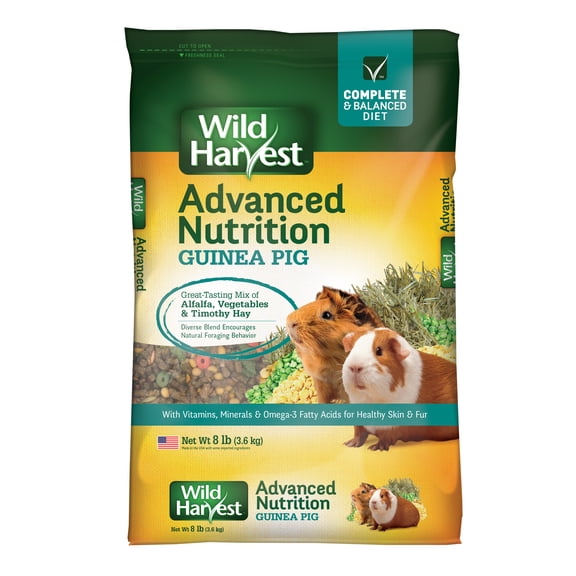
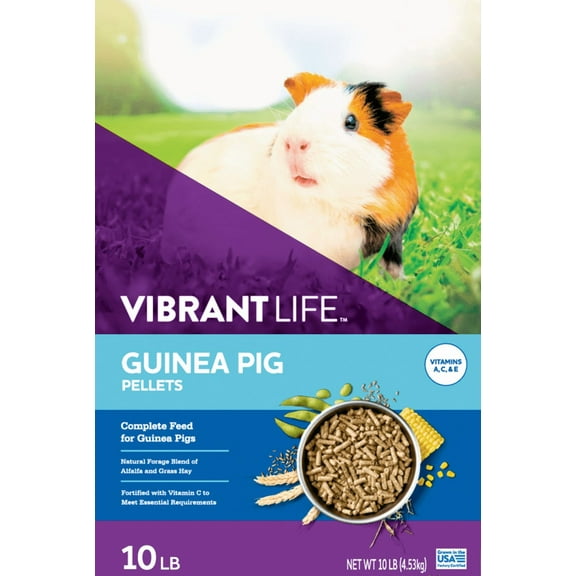
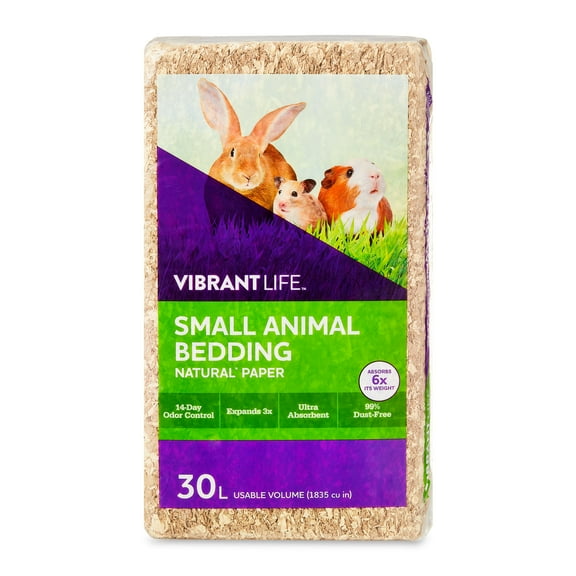
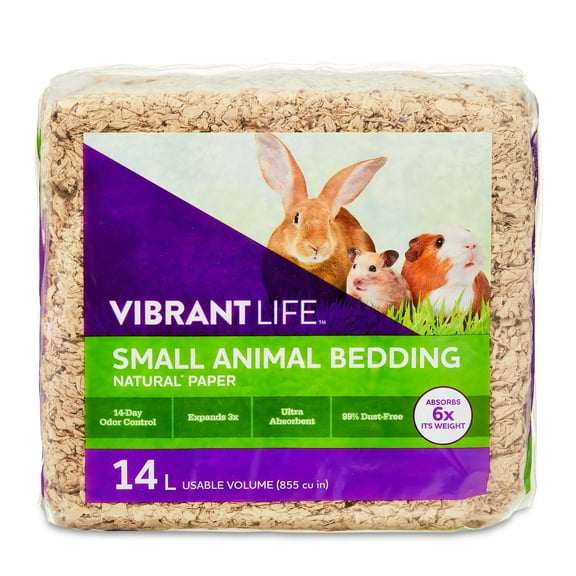
If your setup moves during cleaning days, lighter panels and removable bases can feel easier to handle. Nearby playpens, guinea pig bedding, and guinea pig food can also support a more organized care area.
You can choose guinea pig cages with more confidence when your focus stays on square footage, bar spacing, base type, and configuration. That approach helps your habitat fit your home and gives your pets more usable room each day.