






Kids Face Masks in Clothing


























About Kids Face Masks in Clothing - Walmart.com
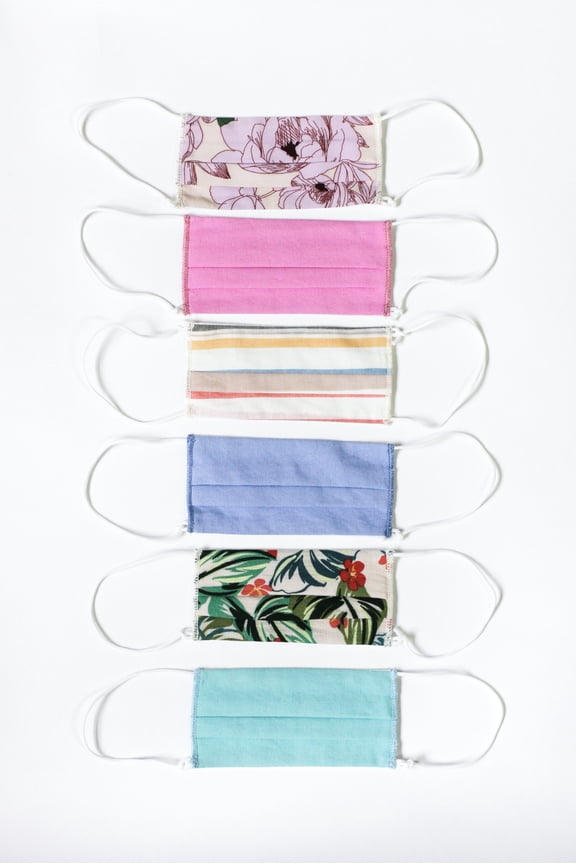
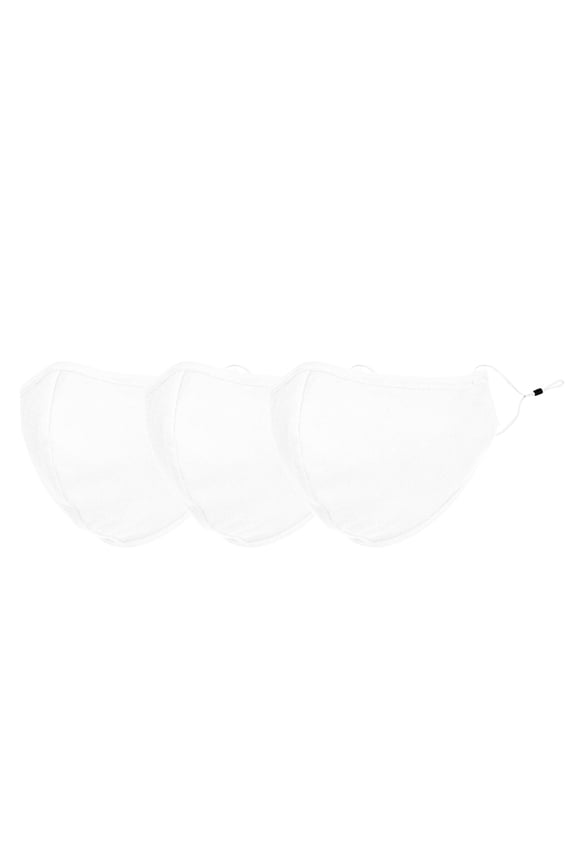
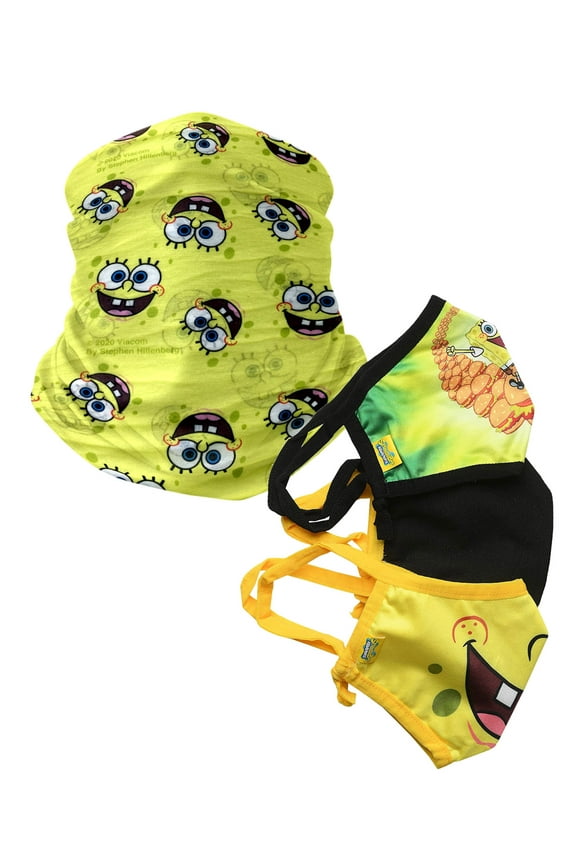
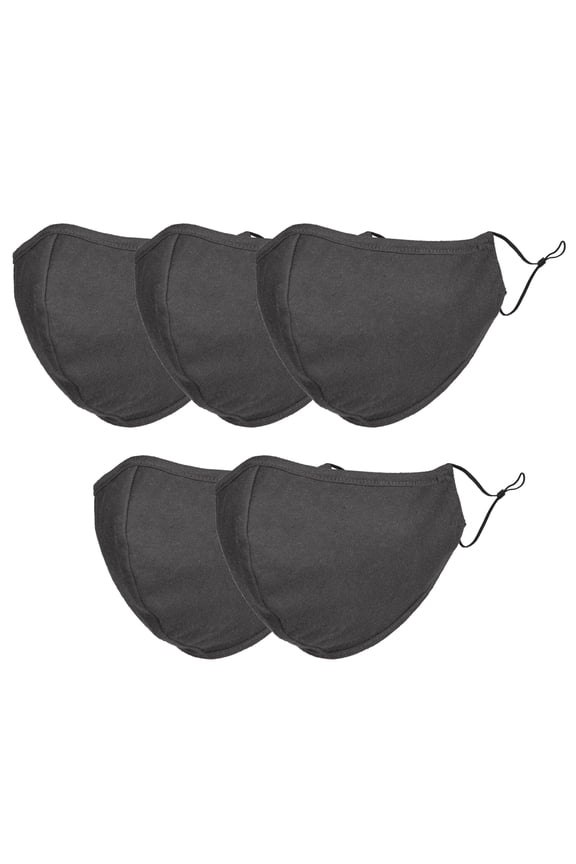
Kids face masks help you compare fit, coverage, and comfort before school days, travel, and daily routines. You can sort options by mask type, age group, filtration level, and pack size.
Choosing kids face masks by mask type
When you compare disposable face masks for kids with reusable kids face masks, you balance convenience with repeat wear. You can pick the format that fits your routine, laundry habits, and school needs.
Disposable styles can work well when you want a fresh option for busy mornings or packed schedules. Reusable cloth choices can suit daily wear when you want washable options for repeated use.
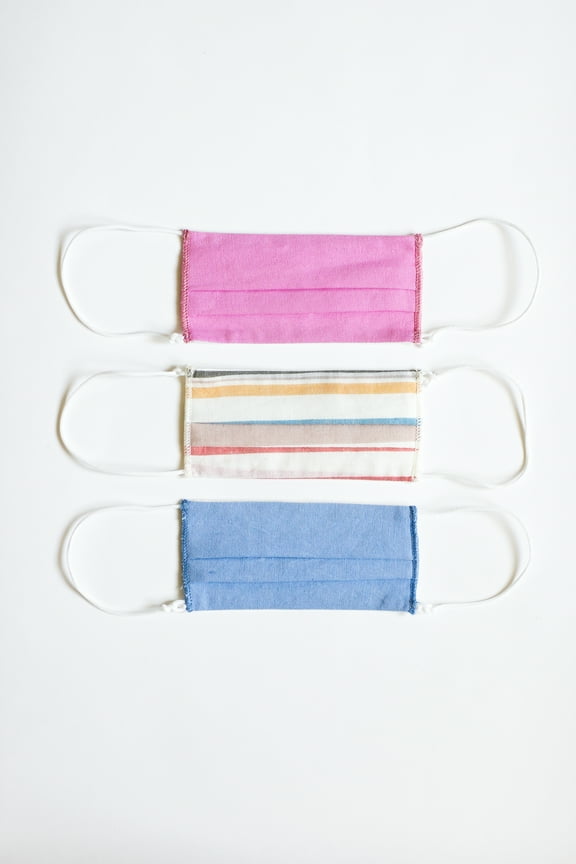
Surgical-inspired designs often give you a familiar shape with lightweight layers and easy stacking in backpacks. Cloth designs can give you softer contact against skin and flexible everyday wear.
- You can choose disposable styles for quick grab-and-go use.
- You can choose reusable styles when you prefer washable rotation.
- You can compare cloth and surgical-inspired designs by feel and structure.
- You can select pack sizes that match daily wear or shared household use.
Choosing toddler face masks and youth sizing
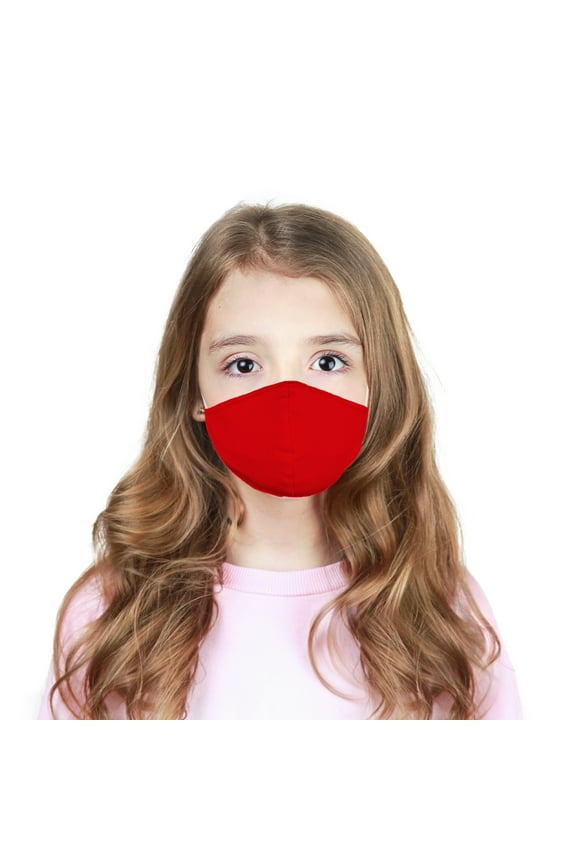
Toddler face masks usually call for a smaller profile, lighter feel, and secure fit around little faces. Youth and teen sizes often give you more room across the nose, cheeks, and chin.
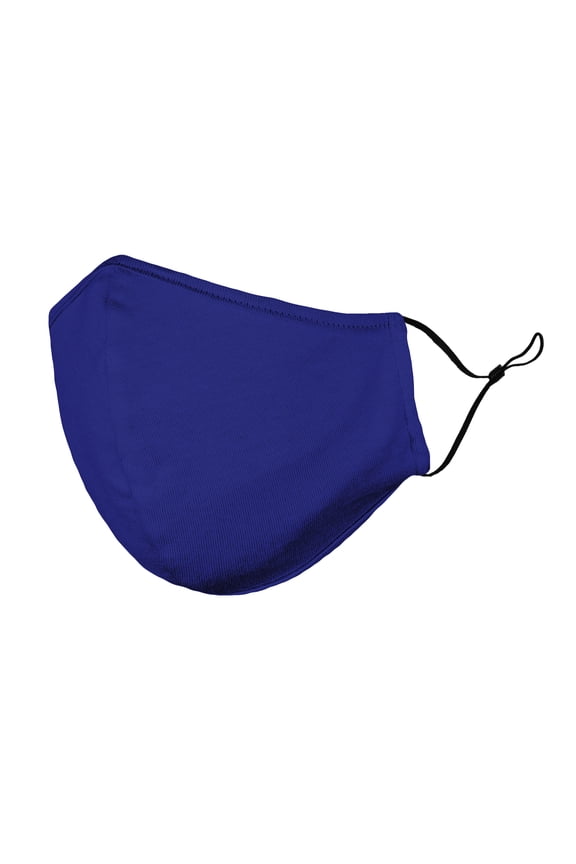
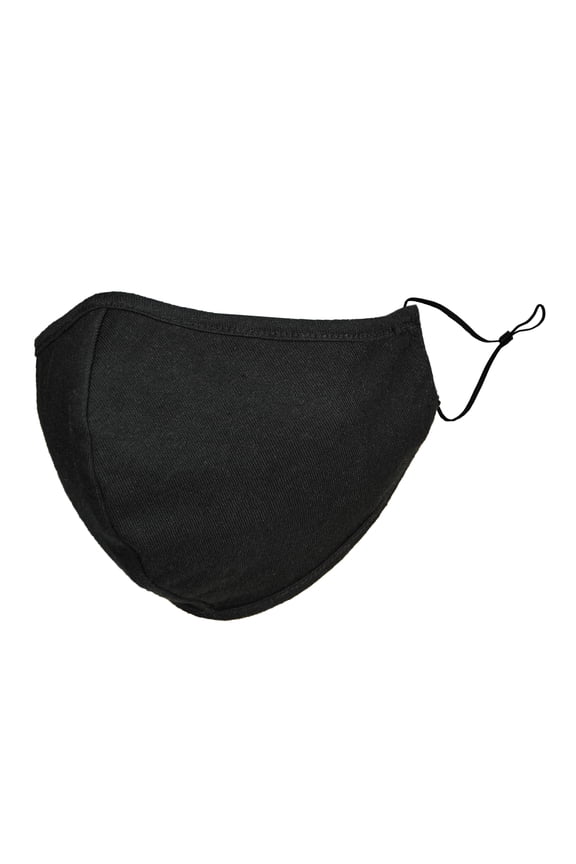
When you compare sizing, look for ear loop adjustability because it helps you fine-tune day-to-day comfort. You should also check nose wire flexibility, since it can help you shape the top edge.
A close fit matters when you want coverage that stays in place during class, errands, or rides. You can also look at shape and panel design when you want less shifting during movement.
Comparing kn95 kids face masks and 3-ply options
When you compare filtration levels, you should match coverage needs with the feel your child can wear comfortably. Kn95 kids face masks usually have a structured shape, while 3-ply options often feel lighter.
You can think of 3-ply face masks for kids as layered disposable choices that many shoppers recognize quickly. You can think of KF94 and KN95 styles as shaped options that often create more space in front.
That extra shape can help you compare breathability and fit without guessing from photos alone. Standard cloth styles can feel softer, while layered disposable styles can feel easier for single-use routines.
What to look for in comfort and materials
Comfort matters because you want kids face masks that feel wearable across class time, practice drop-offs, and outings. You should compare lining feel, seam placement, and how the mask rests on cheeks and ears.
If you shop for childrens face masks for longer wear, softer materials can make daily use feel easier. You can also compare smooth edges and flexible construction when you want less distraction during routines.
Breathable kids masks often balance light feel with dependable structure, especially when you need all-day school wear. You should look for designs that sit securely without feeling bulky inside backpacks or lunch bags.
Choosing the right pack size for your routine
Pack size affects convenience, storage, and how often you need to restock at home or school. You can choose single packs for testing fit or bulk kids face masks for frequent daily use.
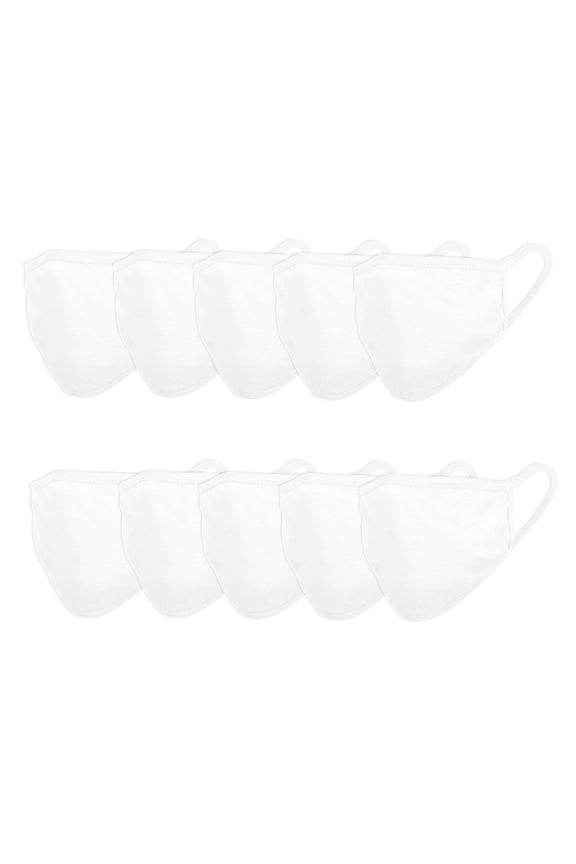
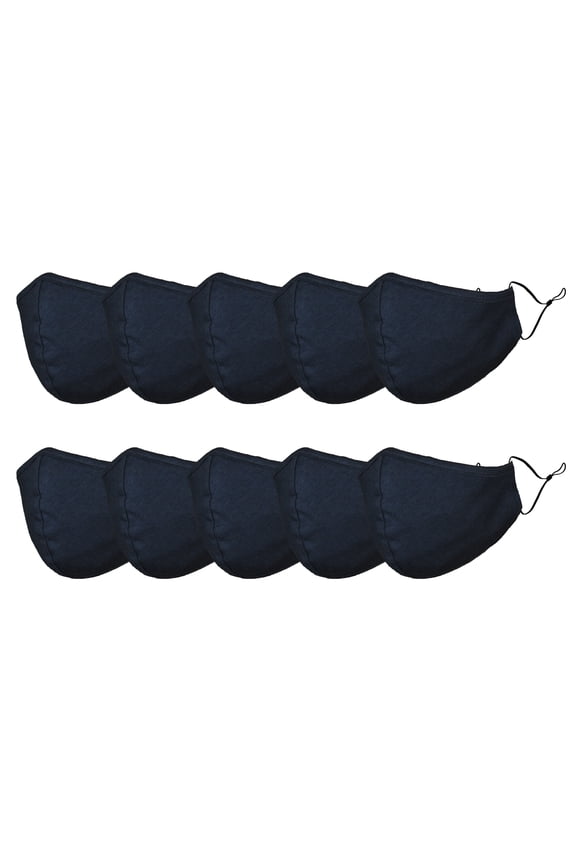
A 10-pack can make sense when you want enough masks for the week without taking much drawer space. A 50-pack or bulk format can work well when you manage siblings, classrooms, carpools, or travel plans.
You should also compare how easily each pack fits into backpacks, glove boxes, and entryway storage bins. That small detail can help you keep extras close when plans change during the day.
How to match kids face masks to real-life use
For back to school kids masks, you may want lightweight daily options that fit lunch boxes, cubbies, and front pockets. You can compare disposable and reusable formats based on your weekly routine.
For winter face masks for kids, you may prefer styles that layer easily with coats, hats, and scarves. You should check profile and ear loop comfort when you expect longer wear outside the house.
If you shop for carpools, after-school programs, or travel, extra packs can keep backups within reach. You can also compare toddler, child, youth, and teen sizing when one household needs different fits.
When you use these decisions as your guide, you can narrow kids face masks with less guesswork. You end up with options that fit your age group, routine, and preferred level of coverage.