

Pollinator Friendly Plants in Patio & Garden





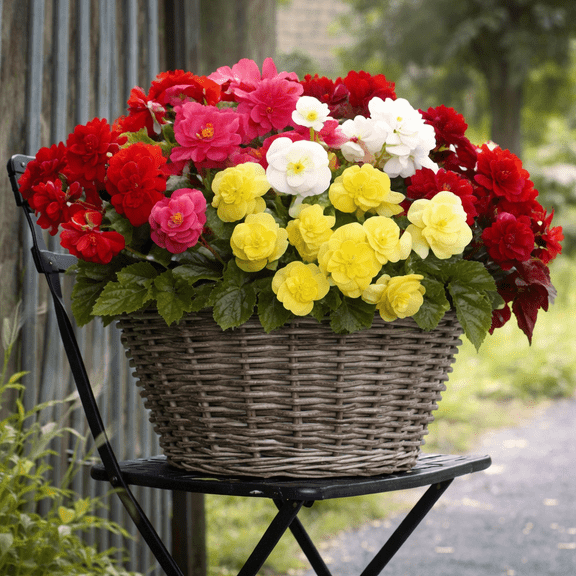



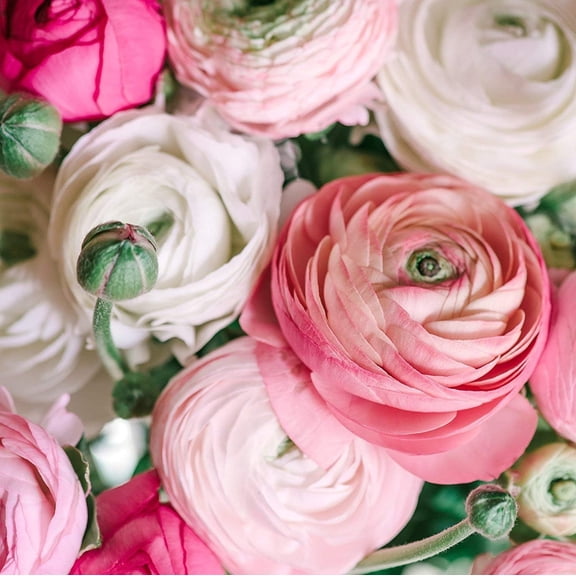
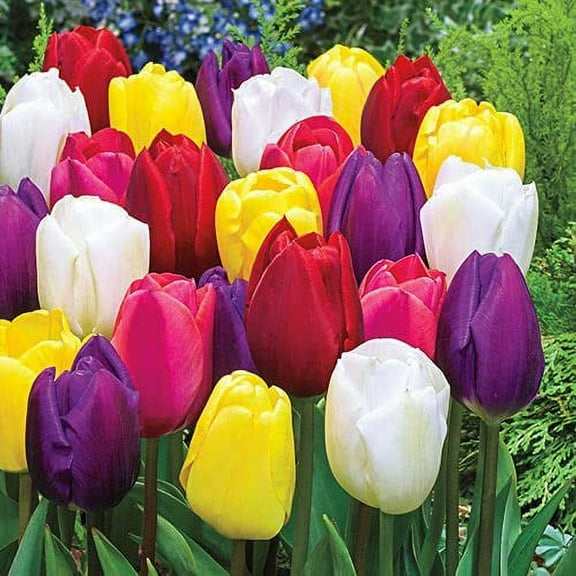



About Pollinator Friendly Plants in Patio & Garden - Walmart.com
Pollinator-friendly plants help you build a lively garden that supports bees, butterflies, hummingbirds, and moths. You can choose blooms by plant type, pollinator target, sunlight needs, and soil moisture for a yard that fits your space.
You may want color through the growing season, or you may want a focused planting plan around local wildlife visits. You can use this category to compare annuals, shrubs, vines, and perennial pollinator plants with practical growing details.
Choosing pollinator-friendly plants by plant type
Plant type shapes how your garden looks and how much upkeep you want each season. You can choose perennials for returning color, or you can pick annuals when you want fresh planting flexibility.
Shrubs give you structure, longer bloom windows, and useful height near borders or fences. Vines help you cover trellises, arbors, and rails while adding nectar sources above ground level.
If you want a garden that fills in over time, perennial pollinator plants can anchor your layout year after year. If you like changing colors often, annuals let you refresh beds, containers, and entryways.
Choosing plants that attract bees and other pollinators
Your target pollinator can guide flower shape, bloom timing, and planting placement around your yard. You can look for plants that attract bees when you want steady visits to vegetable beds and flowering borders.
Butterfly garden plants often work well in sunny beds where you want bright color and gentle movement. You can also choose selections for hummingbirds when you want taller blooms near patios, porches, or fences.
Moth-friendly options can support evening garden interest with pale blooms and nighttime activity. You may get stronger pollinator variety when your planting mix includes flowers for bees, butterflies, hummingbirds, and moths.
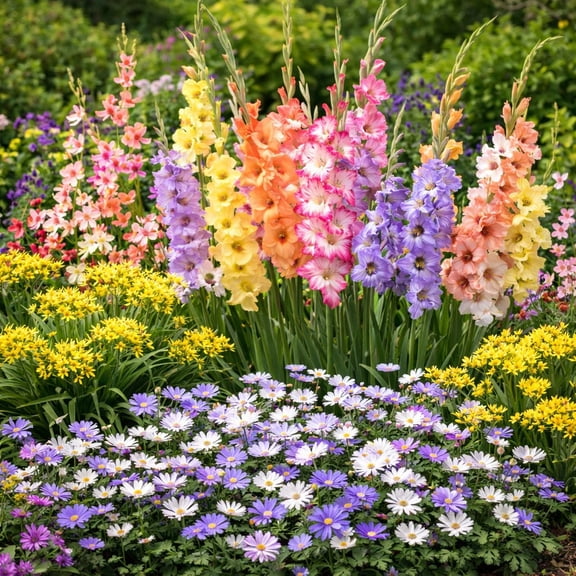
- You can attract different visitors by mixing bloom shapes and heights.
- You can extend garden interest by choosing early, midseason, and late bloomers.
- You can support container gardens, raised beds, and in-ground borders with the same pollinator focus.
- You can create a more intentional layout when you match plant choices to the pollinators you want to welcome.
Comparing USDA Hardiness Zone, sunlight, and soil moisture
Climate fit matters because you want plants that match your growing conditions from the start. You should check your USDA Hardiness Zone before choosing varieties for beds, borders, or containers.
Sunlight requirements help you place each plant where it can grow with fewer setbacks. You can compare full sun, partial sun, and shade options to match open yards, porch edges, or tree-covered spots.
Soil moisture also changes how your garden performs through warm weather and changing rainfall. You may want drought-tolerant plants for dry areas, while moist soil choices can suit lower spots or rain-fed beds.
Well-drained soil often works well for many flowering selections, especially when you want less standing water around roots. You can improve your results by matching each plant to your actual watering habits.
Using growth cycle and bloom habits as decision points
Growth cycle helps you decide whether you want seasonal impact or returning plants each year. You can use annuals for quick color, while you can use perennials for a steadier long-term garden plan.
Bloom habits matter when you want pollinator activity across several months instead of one short burst. You should compare bloom windows so your garden offers nectar from spring into late summer or fall.
Native pollinator plants can be useful when you want choices that suit local growing patterns and familiar garden conditions. You can combine native types with other flowering plants to build a layered, varied planting space.
Matching pollinator garden flowers to real spaces
You don't need a large yard to use pollinator garden flowers in a thoughtful way. You can place compact plants in containers, line walkways with low growers, or frame a fence with shrubs and vines.
If you garden on a patio or balcony, you can focus on sunlight and container size first. You may prefer annuals for flexible seasonal updates, especially when your setup changes through the year.
For backyard beds, you can mix heights to create a fuller look and easier pollinator access. You can place taller bloomers at the back, medium growers in the middle, and lower flowers near edges.
If your goal includes vegetable gardening, plants that attract bees can support nearby blossoms and make the area feel more active. You can also pair flowers with soil and soil amendments to support planting conditions.
When you want a low-fuss layout, you can start with perennial pollinator plants in the ground and add annual accents later. You can then adjust for shade pockets, dry spots, or changing bloom color needs.
With pollinator-friendly plants, you can build a garden that fits your zone, your sunlight, and your pollinator goals. You get a more useful planting plan when each choice supports bloom timing, yard layout, and easier seasonal care.