

Decorative Stones in Patio & Garden












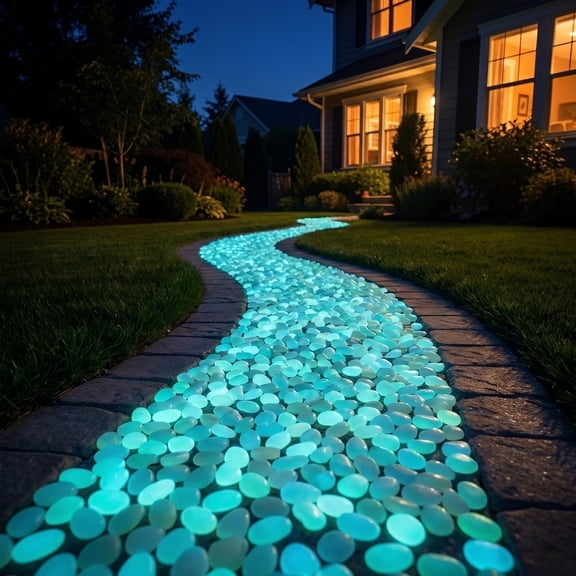
















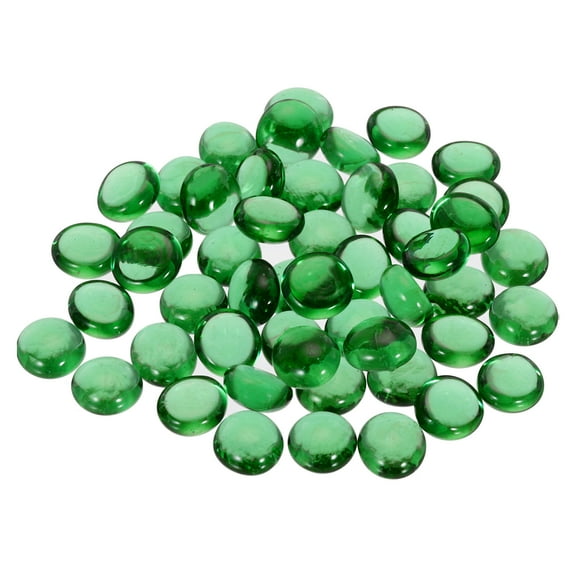


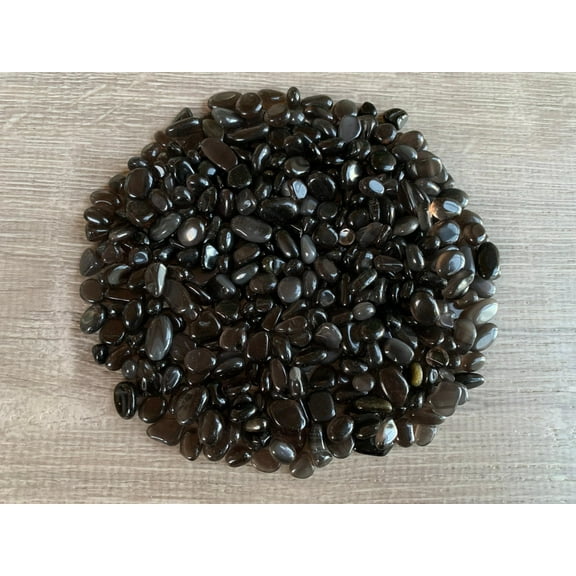







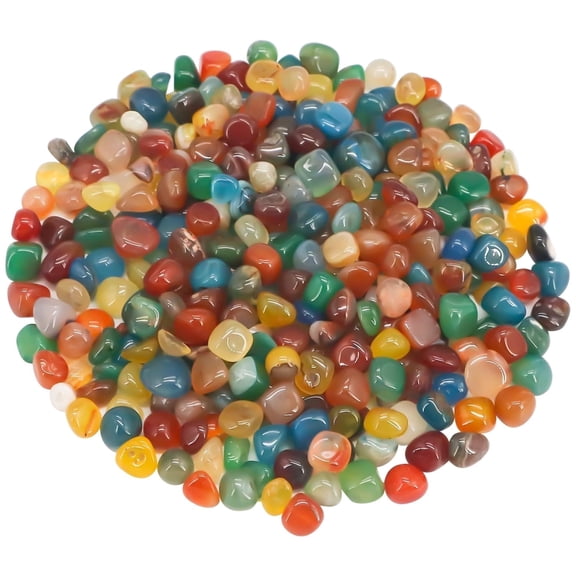



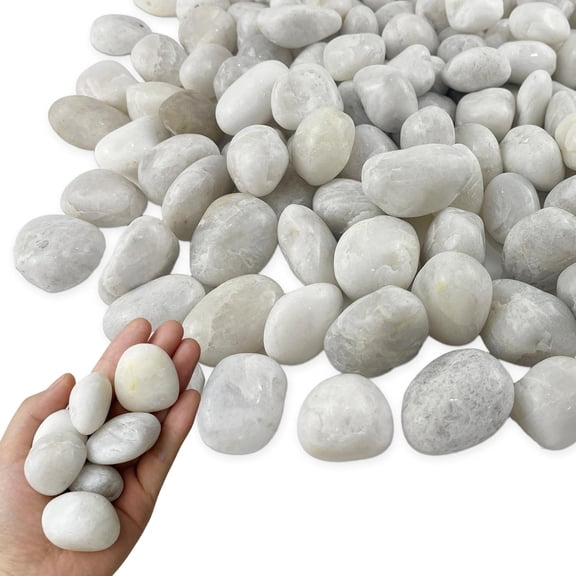









About Decorative Stones in Patio & Garden - Walmart.com
Wall decor helps you change a room fast with color, texture, and scale that fits your walls and your style. You can compare art types, room placement, and hanging needs, so your space feels finished instead of empty.
How to choose wall decor by style
Style sets the mood, so you should start with the look you want your room to carry every day. You can compare modern, rustic, farmhouse, boho, and traditional looks before you narrow down size or material.
Modern wall art usually gives you clean lines, simple color stories, and open visual space for apartments or updated homes. Rustic wall decor often brings you wood tones, distressed finishes, and a warmer look that suits layered rooms.
Farmhouse wall decor can help you tie together soft neutrals, black accents, and familiar shapes like signs or framed prints. Boho options let you mix woven textures, earthy shades, and relaxed patterns that keep your walls from feeling flat.
- You can use modern pieces when your furniture has sleek shapes and minimal details.
- You can choose rustic or farmhouse accents when your room includes wood finishes and cozy textiles.
- You can mix boho textures with simple prints when your wall needs depth without heavy color.
- You can lean traditional when your room uses classic frames, symmetry, and formal furniture placement.
Choosing canvas wall art and other art types
Art type affects texture, maintenance, and how your wall catches light during the day and evening. You should compare canvas prints, metal wall art, wood plaques, and wall sculptures before you decide.
Canvas wall art gives you a softer surface with less glare, which can help when your lamps or windows hit the wall directly. You may prefer canvas prints in bedrooms or living spaces where you want color without reflective shine.
Metal wall art gives you dimension and a sharper finish, so you can add movement to plain walls. You should check nearby lighting first, because reflective surfaces can shift in appearance as daylight changes.
Wood plaques bring warmth and visible grain, which works well when you want rustic wall decor or farmhouse wall decor. You can usually keep wood looking neat with light dusting and gentle care.
Wall sculptures create depth beyond a flat frame, so you can make a narrow wall feel more intentional. You should measure projection and hanging hardware if your hallway, entryway, or dining area has tight clearance.
Choosing room placement for wall decor
Room placement helps you decide subject matter, color intensity, and scale before you focus on finishing details. You can choose living room wall decor differently than bedroom wall decor because each space supports a different mood.
Living room wall decor often needs stronger scale, especially above a sofa, console, or fireplace wall. You should measure the furniture width first, because art that feels too small can leave the arrangement unfinished.
Bedroom wall decor usually works well with calmer tones and softer textures that suit a restful setup. You may want canvas wall art above a headboard because it reduces glare from bedside lighting.
In bathrooms and kitchens, you should think about surface care and the room's overall moisture level. You can choose finishes that wipe clean easily and shapes that fit shorter wall sections.
Entryways benefit from pieces that create a clear first impression without crowding the path through your home. You can use a medium statement piece or a set of 3 to build balance near a bench or mirror.
How to measure size and visual scale
Size changes how your wall feels, so you should measure the wall and the furniture below it before you choose art. You can compare oversized, large, medium, small, and set of 3 formats with more confidence.
Large wall decor can anchor a broad wall above a sofa, bed, or dining sideboard without needing many extra accents. You should leave breathing room around the edges, so your arrangement feels centered and clean.
Smaller pieces work well when you group them with matching spacing and a shared color story. You can use a set of 3 when you want structure on a hallway wall or over a narrow console.
Oversized art makes a bold focal point, but you should confirm door swing, ceiling height, and nearby shelves first. You can tape out the dimensions on your wall to preview the final footprint.
What to check for hanging and maintenance
Hanging details matter because your wall material and the piece weight affect the hardware you should use. You should compare anchor types, drywall placement, stud location, and weight capacity before installation.
For lighter pieces, you may use basic picture hardware when the listed weight stays within the support range. For heavier items, you should check whether stud mounting or higher-capacity anchors fit your wall.
You should also consider how the finish handles routine care in busy spaces. Canvas usually needs light dusting, metal may show fingerprints, and wood can benefit from gentle dry cleaning methods.
Glass-front frames can reflect windows or overhead bulbs, so you should review glare before final placement. You can often reduce reflection by shifting height, changing angle, or choosing non-glass wall decor.
When you compare style, size, material, and hanging needs, wall decor becomes easier to choose for your exact space. You can create a more polished room with pieces that fit your walls, lighting, and daily routines.