




Garden Center in Patio & Garden





























About Garden Center in Patio & Garden - Walmart.com
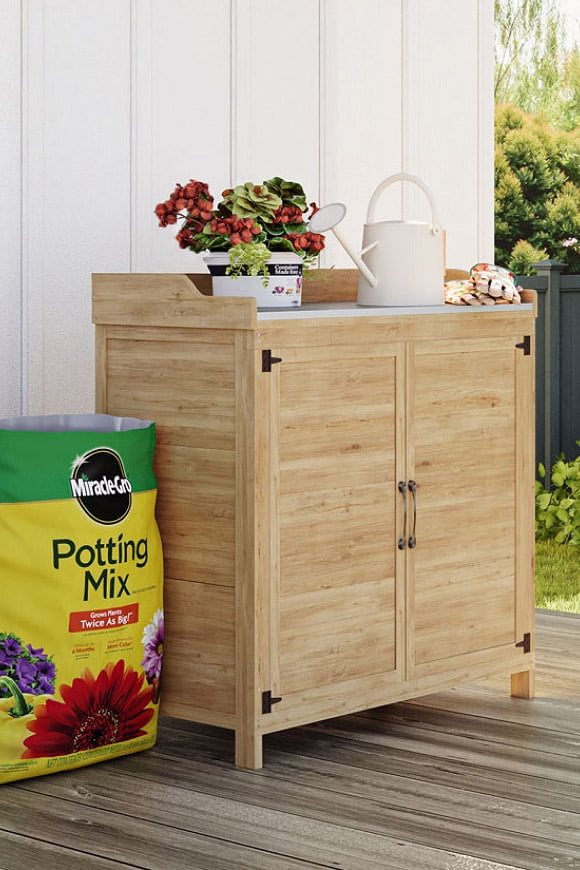
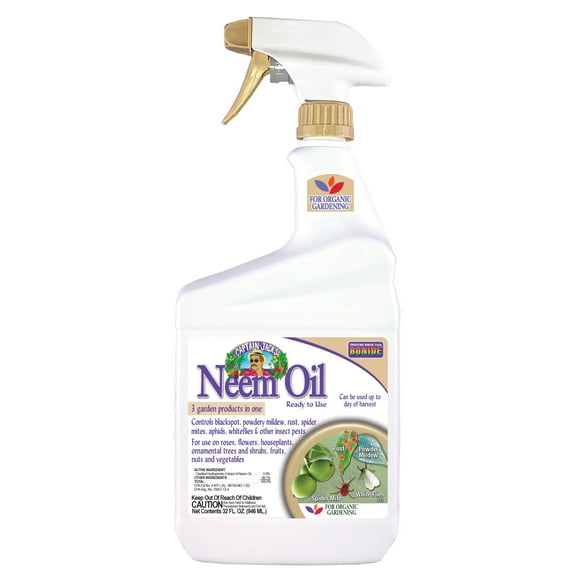
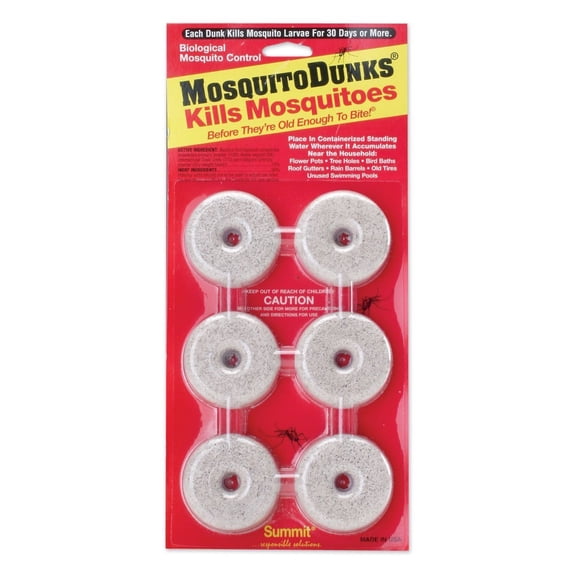
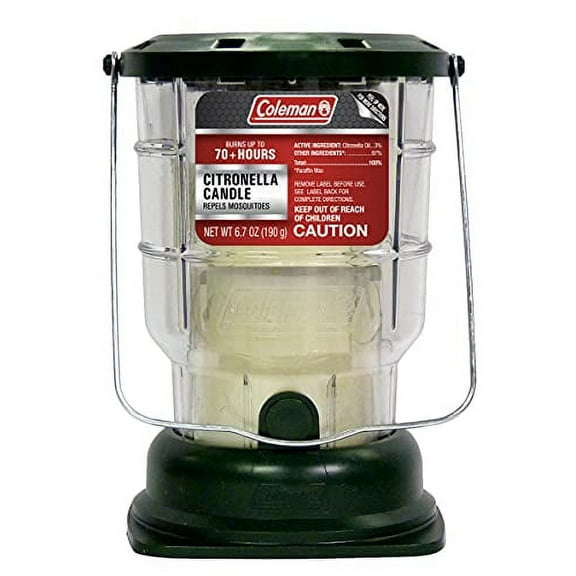
Your garden center destination should help you plan, plant, and maintain every corner of your yard with clarity. You can compare outdoor plants, gardening tools, potting soil, and planters in one place for seasonal projects and everyday upkeep.
How to choose garden center essentials by product type
When you compare garden supplies, you should start with the job you want to finish first. You may need live plants for color, gardening tools for prep, or lawn care items for ongoing maintenance.
If you're building a new bed, you should look at soil and soil amendments before picking plants. If you're refreshing a patio, you may focus on planters and pots that fit your space.
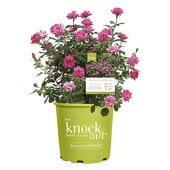
- You can use live plants to add color, texture, and seasonal interest across beds, borders, and containers.
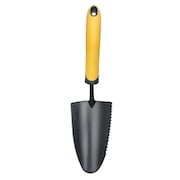
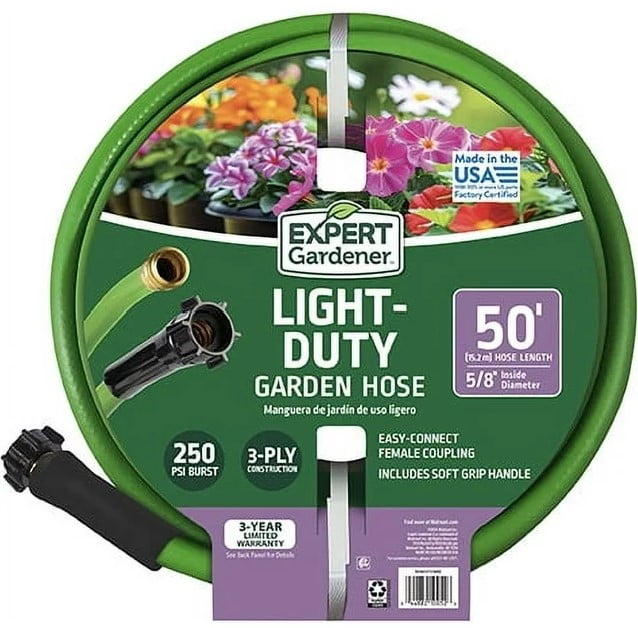
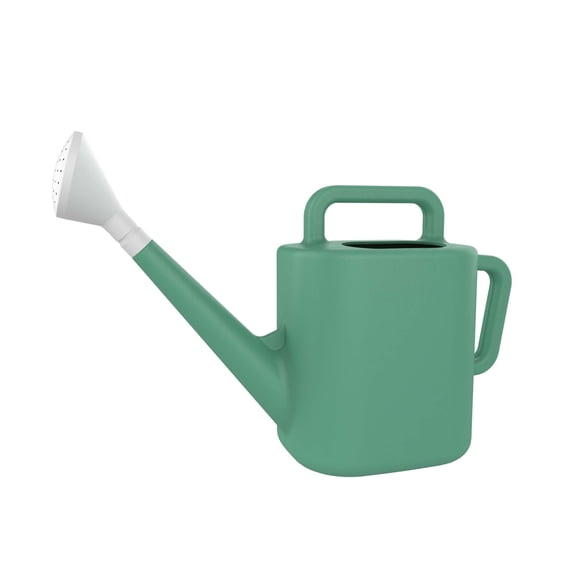
- You can use gardening tools to dig, prune, water, and tidy with minimal effort during weekly yard work.
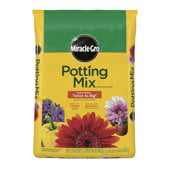
- You can use soil and amendments to support drainage, moisture balance, and planting depth for different crops.
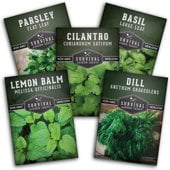
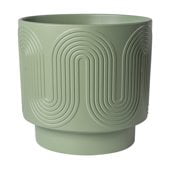
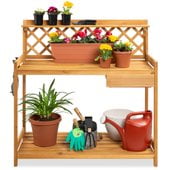
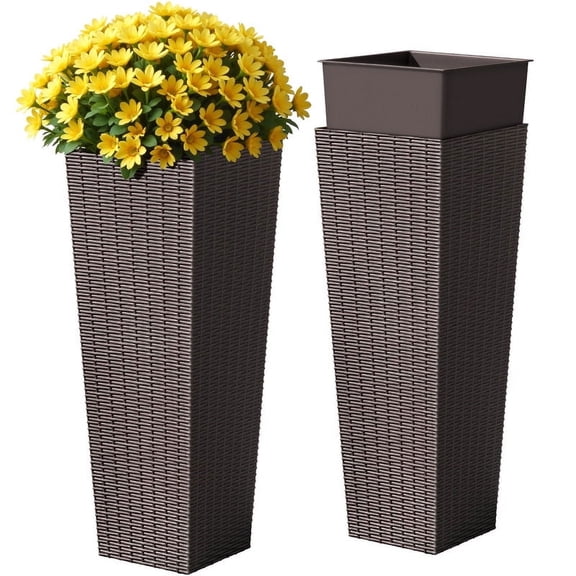
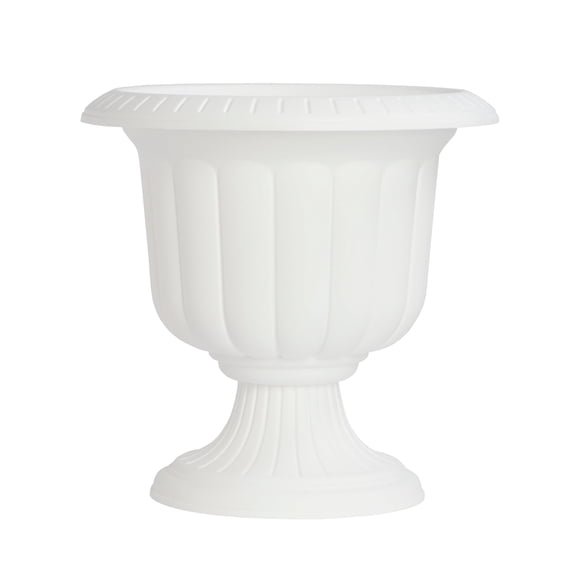
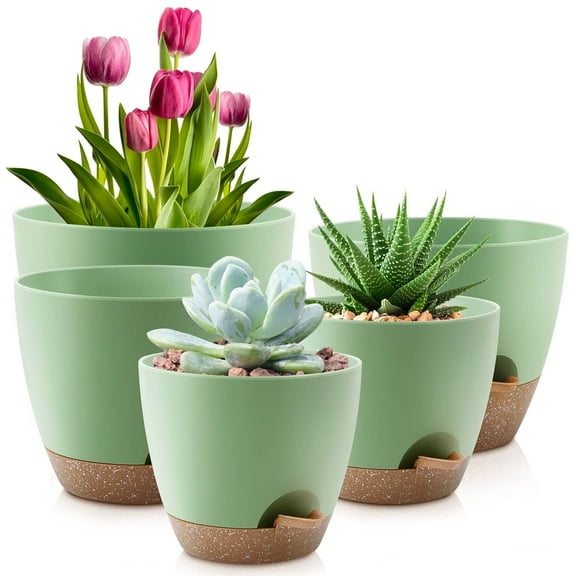
- You can use planters and pots to grow flowers, herbs, and shrubs on patios, porches, and balconies.
- You can use lawn care items to handle seeding, feeding, edging, and routine upkeep across open yard space.
As you narrow your options, you should match each product type to your routine and growing area. That approach helps you build a useful setup for spring gardening and year-round care.
Choosing outdoor plants for your light, zone, and watering routine
When you pick outdoor plants, you should check sunlight, watering needs, and mature size before anything else. You can avoid crowded beds and thirsty combinations by comparing those details early.
If you're planting live goods, you should also check USDA hardiness zones for your region. You can use zone guidance to compare plants that match your seasonal temperatures and outdoor conditions.
For vegetables, flowers, and shrubs, you should also compare soil pH when product details include it. You can use that number to match plants with acidic, neutral, or alkaline soil conditions.
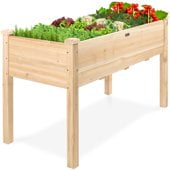
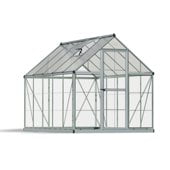
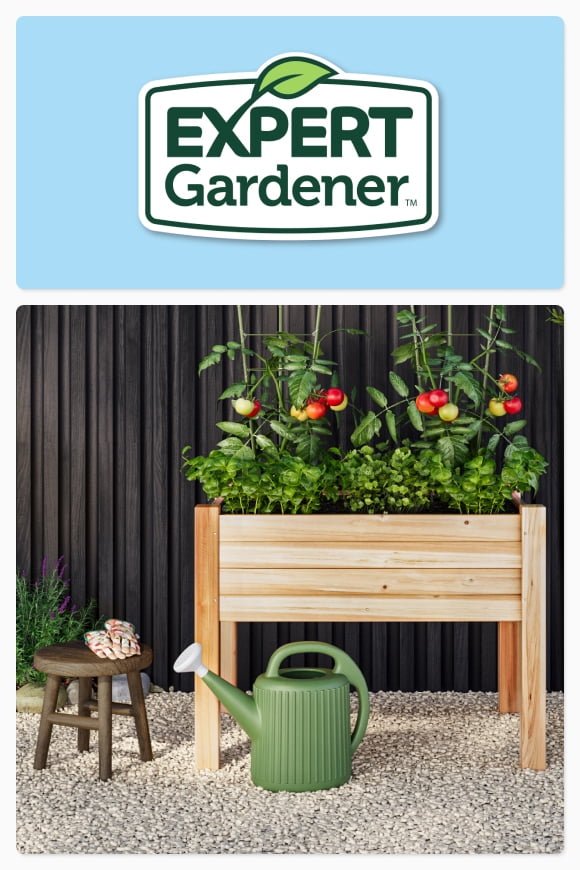
Raised beds and greenhouse spaces often need different choices than open ground or patio containers. You should look for varieties that fit your location, container depth, and watering schedule.
If you're starting spring gardening, you may pair vegetable seeds with potting soil and planters for compact spaces. You can also choose bedding plants for quick color in porch pots and entryway containers.
Comparing gardening tools by yard size and power source
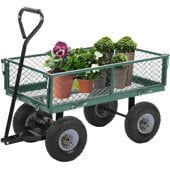
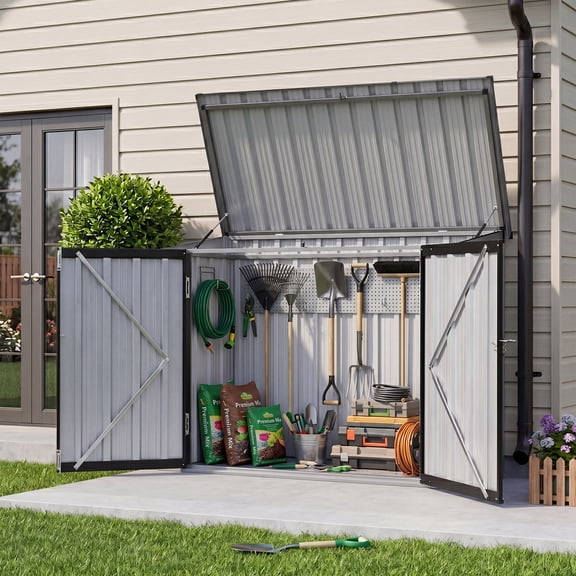
When you shop gardening tools, you should think about yard size, storage space, and how often you'll use each tool. You can often narrow choices quickly by comparing manual, cordless, gas, and corded electric options.
Manual tools work well when you need control for planting, weeding, and pruning in beds or containers. You can keep them close for quick touchups around herbs, borders, and small patio gardens.
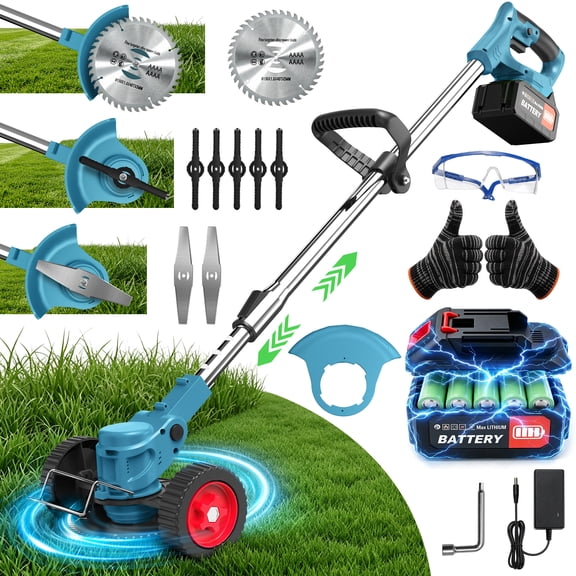
Cordless tools suit jobs where you want easy movement without managing a cord across the yard. You may like them for medium spaces where trimming, blowing, or drilling happens often.
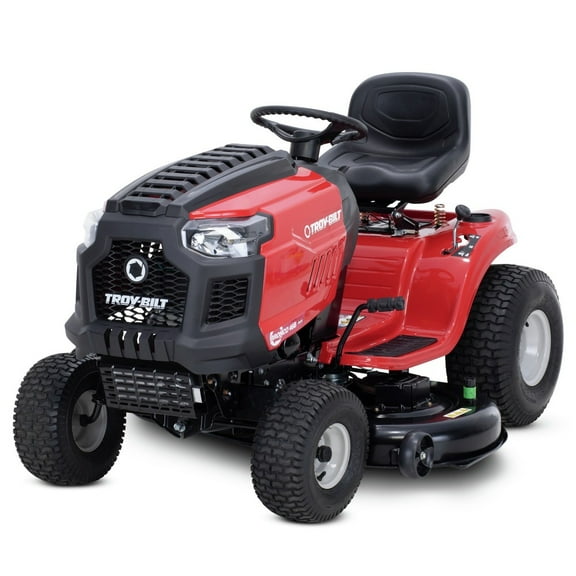
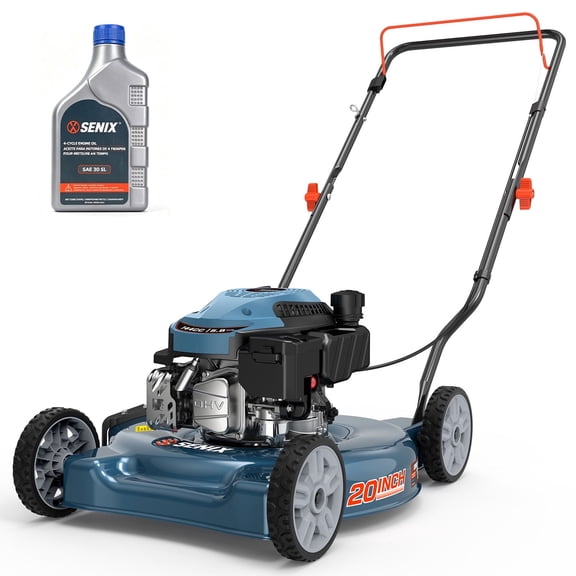
Gas tools make sense when you need extended run time for large outdoor areas and heavier chores. You can use them for large properties where reach and sustained power matter.
Corded electric tools fit spaces where outlets stay close and runtime matters more than mobility. You should measure your work area so your setup matches your routine and storage plan.
What to look for in soil, mulch, and lawn care products
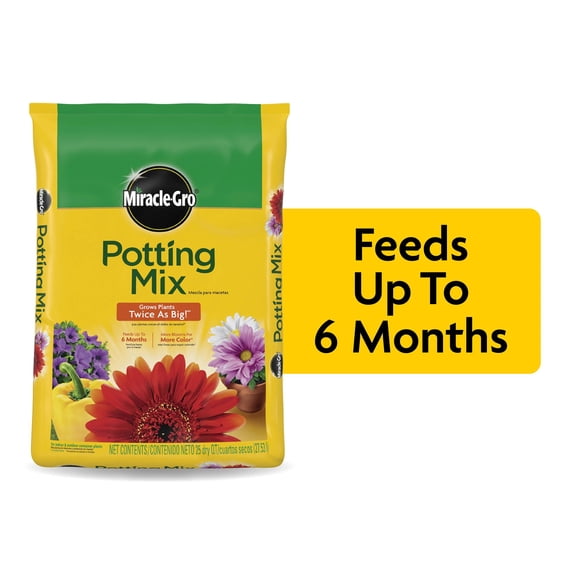
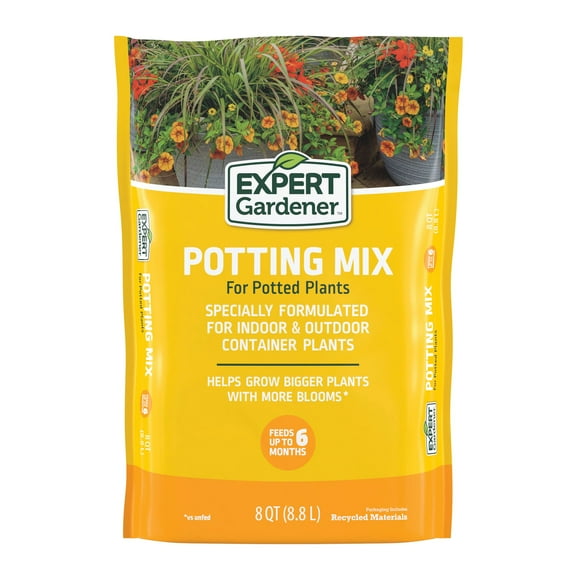
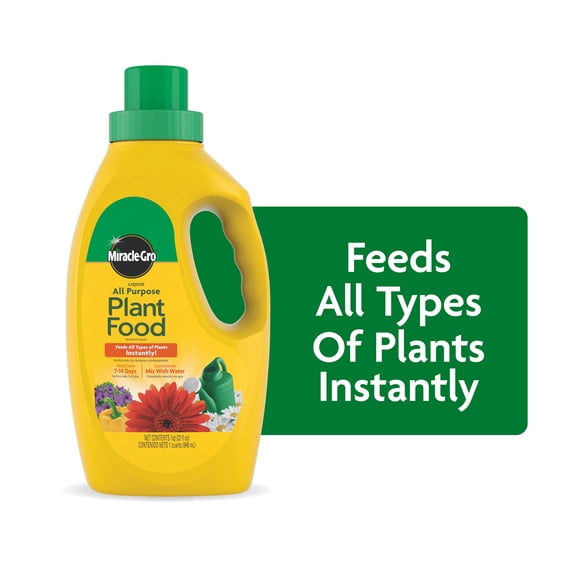
When you compare potting soil and amendments, you should match the blend to containers, beds, or lawns. You can use different mixes for moisture control, drainage, seed starting, and everyday planting.
If product details list N-P-K ratios, you should read them as the balance of key nutrients. You can use those numbers to compare blends for general feeding, leafy growth, or blooming plants.
When you see OMRI listed options, you can identify products that fit many organic gardening preferences. You should still compare intended use, application area, and planting stage before choosing a formula.
Mulch helps you finish beds with a clean look and defined edges around plants and paths. You can also use it to separate planting zones and support a polished landscape layout.
For lawn care, you should consider whether you're seeding, feeding, patching, or maintaining established grass. You can match spreaders, grass seed, and lawn treatments to the season and yard size.
Choosing planters and pots by material and location
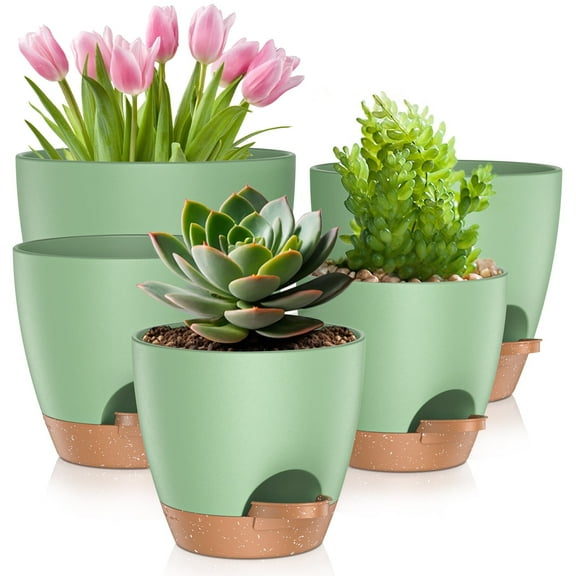
When you compare planters and pots, you should look at material, size, drainage, and where each piece will sit. You can find options that fit indoor corners, sunny patios, raised beds, and covered porches.
Plastic planters are often lightweight to move, which helps when you rearrange seasonal displays. You may prefer them for balconies, patios, and spots where you change layouts through the year.
Ceramic planters can bring color and a finished look to entryways or seating areas. You should check weight and placement before filling larger pieces with soil and outdoor plants.
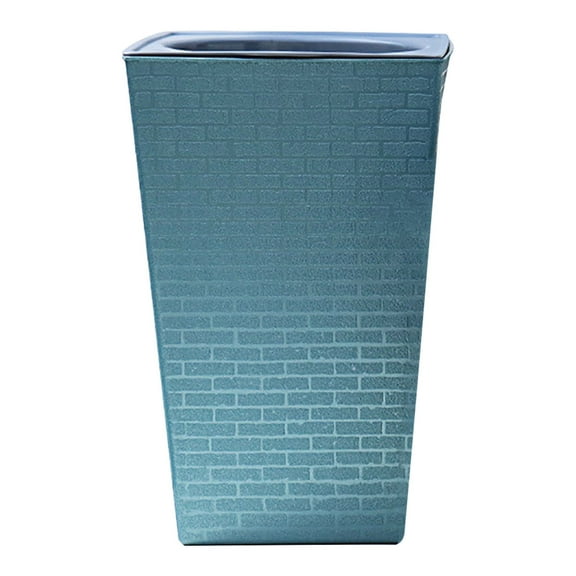
Metal planters usually give you a clean, structured look for modern spaces and defined borders. You should consider sun exposure and placement so your setup suits your climate and routine.
Wood containers can blend naturally with raised beds, fences, and cottage-style garden spaces. You can use them when you want a warm look across patios, porches, and backyard planting zones.
Your garden center choices come together faster when you compare product type, location, material, and power source side by side. You can build a yard setup that fits your space, your season, and your planting plans with confidence.