

Baby Top Rated in Baby























About Baby Top Rated in Baby - Walmart.com
You need baby products that fit your child’s stage and your daily routine. You can compare newborn essentials, feeding picks, and travel gear in one curated place.
Choosing baby products by age range
Start with age range, because your baby’s stage shapes what you need first. You may focus on newborn essentials now, then shift toward infant and toddler baby items later.
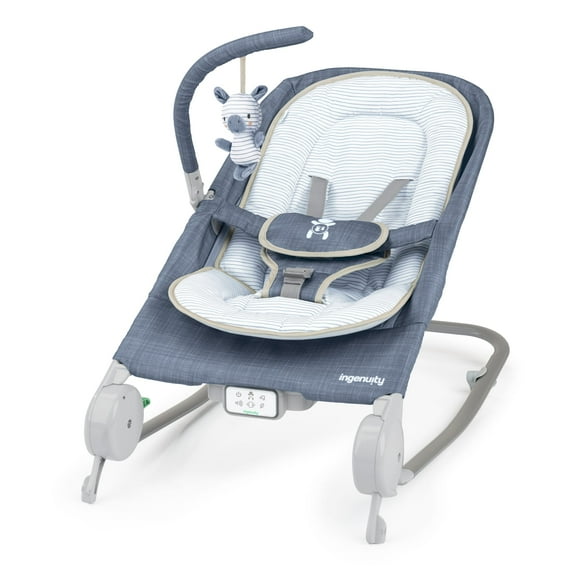
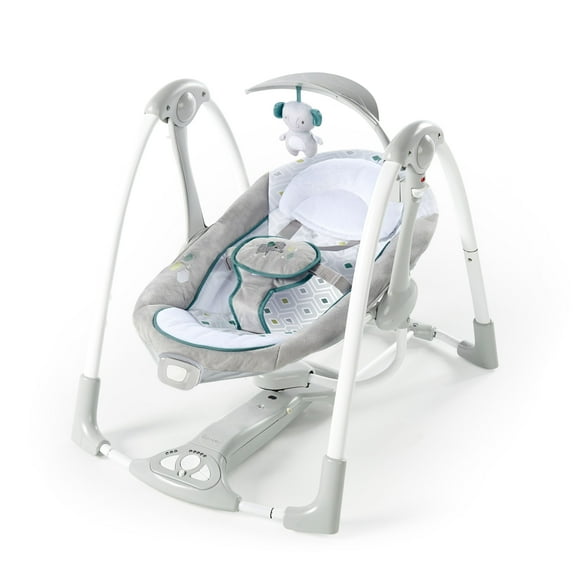
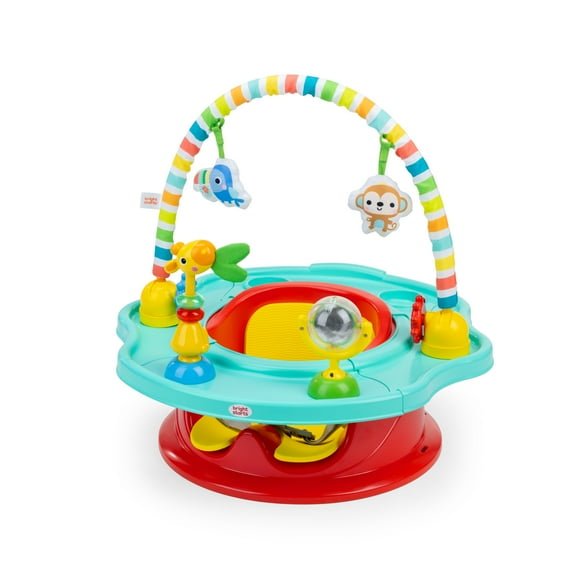
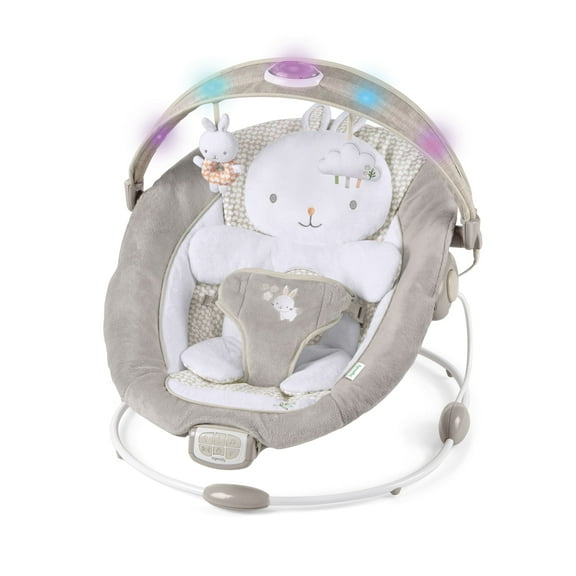
For newborns, you’ll often compare swaddles, bottles, bassinets, and soft clothing. For infants, you may look for activity seats, feeding tools, and baby gear that supports longer outings.
As your child grows, you’ll likely need toddler-friendly seating, mealtime tools, and room updates. You can shop with a smart plan when you match each category to current milestones.
How baby essentials support daily routines
You want baby essentials that make feeding, sleeping, travel, and cleanup feel manageable. You can build a practical setup by choosing items that fit your home, car, and schedule.
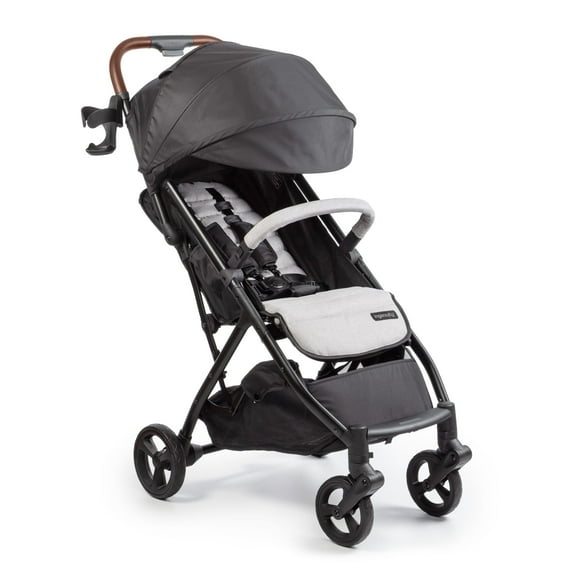
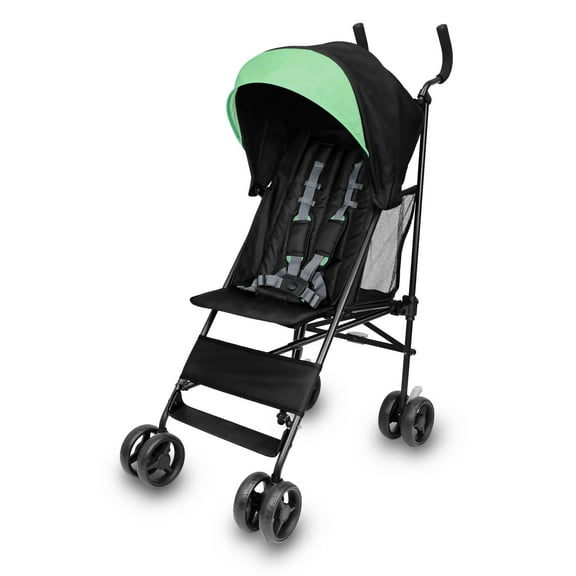
- You can keep outings smooth with strollers that fold easily and store without taking over your trunk.
- You can simplify mealtime with feeding baby items that clean quickly and fit your child’s stage.
- You can organize sleep spaces with nursery furniture sized for your room and daily use.
- You can narrow choices quickly when your gear matches newborn, infant, or toddler needs.
When you compare categories this way, you can avoid duplicates that don’t fit your routine. You’ll also notice which items work for home use and which ones travel easily.
What to look for in baby gear and safety details
You should check safety details before you compare colors, patterns, or extras. You can use certifications and material notes as clear decision points for baby gear.
JPMA certification matters when you’re shopping for nursery and travel categories with moving parts. You may also look for ASTM standards, because they help you compare products against recognized testing benchmarks.
For fabrics and surfaces, you can compare organic cotton, hypoallergenic materials, and non-toxic plastic. You may also look for OEKO-TEX labeling or BPA-free construction when those details matter for your household.
You should also check age and weight guidance on strollers, car seats, and feeding seats. You can make a smart choice when the fit matches your child’s current size and use stage.
Comparing product categories for your home
You may shop across strollers, car seats, nursery furniture, and feeding categories at the same time. You can compare each group by function, cleaning needs, and storage footprint.
With strollers, you’ll often look at fold style, handle height, and basket space. You may prefer lightweight frames if you carry gear upstairs or load it into your car often.
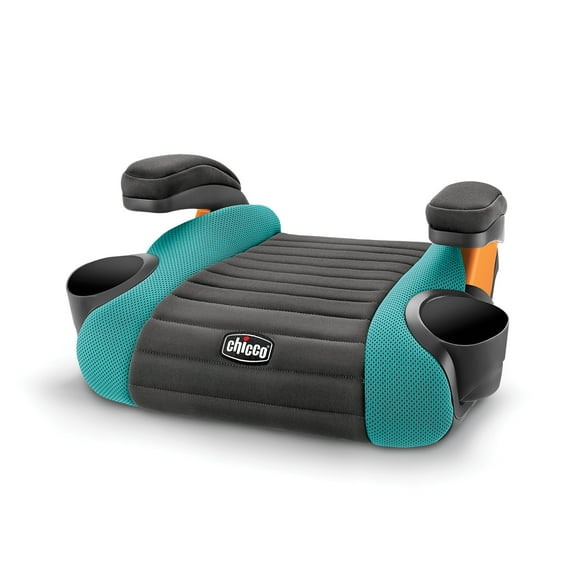
With car seats, you should review compatibility, installation style, and size range carefully. You can narrow options quickly when you know whether you need an infant seat or a later-stage model.
With nursery furniture, you may compare dimensions, finish, and drawer storage before you commit. You should measure your room first, so your crib or dresser fits without crowding walkways.
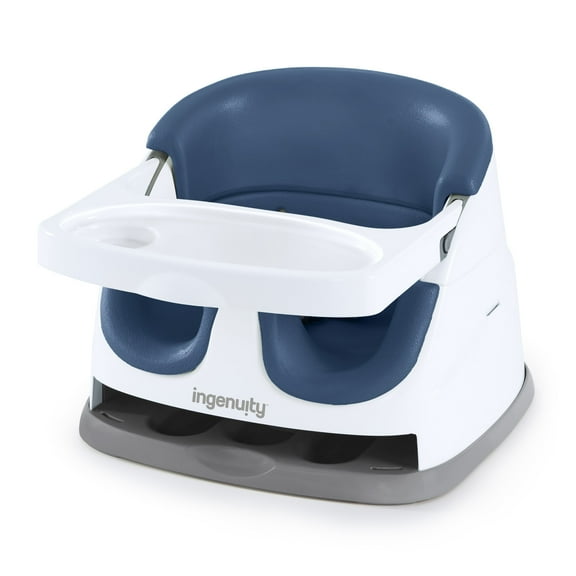
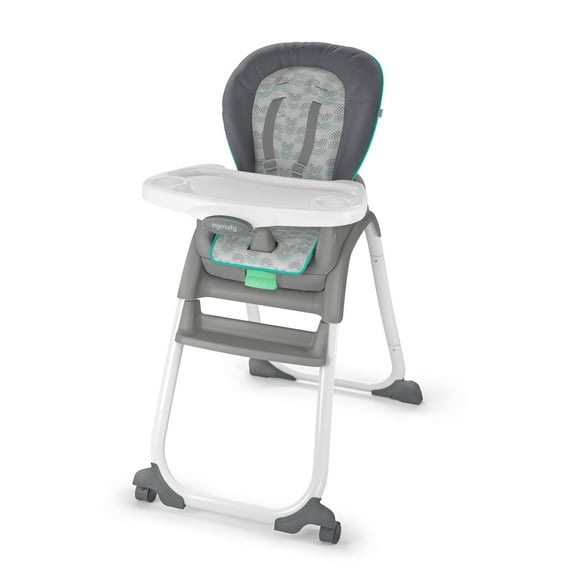
With feeding picks, you’ll likely focus on easy-clean surfaces and simple everyday use. You can look for washable covers, wipeable trays, and pieces that store neatly between meals.
How materials and cleaning needs affect your choice
You’ll want materials that fit your preferences and cleanup habits. You can often narrow your shortlist quickly by checking fabric type, surface finish, and wash instructions.
Organic cotton can appeal to you when you want a soft fabric option for everyday contact. Hypoallergenic materials may matter when you’re building a nursery with comfort-focused baby essentials.
Non-toxic plastic can be a useful filter for feeding and play categories. You should still compare how each surface wipes clean, because daily messes add up quickly.
Washable covers help you keep seats and loungers ready for repeat use. Wipeable surfaces help you move from one task to the next without extra laundry.
Matching baby products to real-life use cases
You may need one setup for home days and another for errands, travel, or daycare. You can compare features by thinking about where and how you’ll use each item.
If you’re building a registry, you may start with newborn essentials across feeding, sleep, and travel. You can prioritize age-specific items first, then add toddler categories later.
If you live in a smaller space, you may prefer foldable baby gear and compact nursery furniture. You should check closed dimensions, storage depth, and whether pieces fit closets or entryways.
If you’re often on the go, you’ll likely want lightweight strollers and easy-clean feeding accessories. You can keep daily transitions simple when gear folds quickly and stores without extra steps.
If you’re updating for a growing child, you may focus on toddler-ready seating and mealtime tools. You can also swap earlier baby products for options that suit longer use windows.
Why a curated baby products page helps
You can compare baby products with a clear view of age range, safety details, and daily function. You’ll make confident choices when certifications, materials, and cleanup needs are easy to review.