



Stroller Gloves & Footmuffs in Strollers
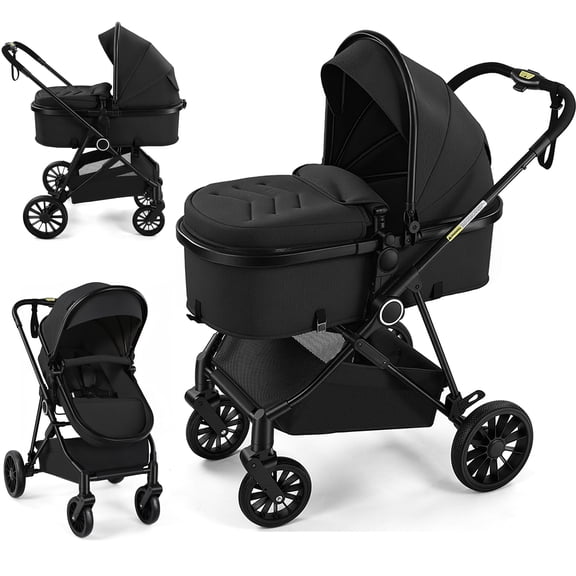

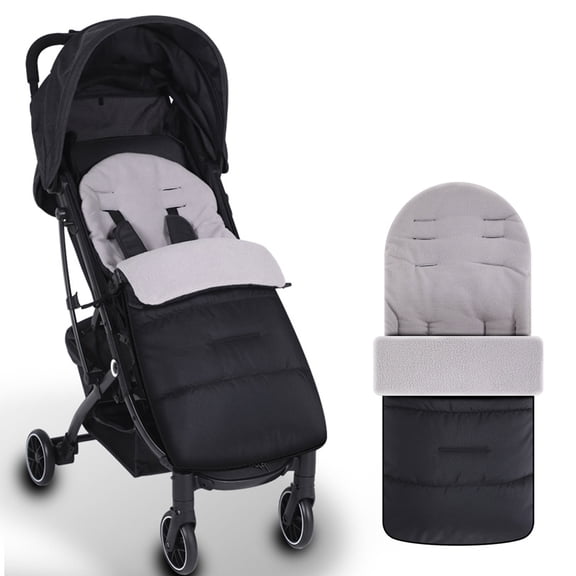



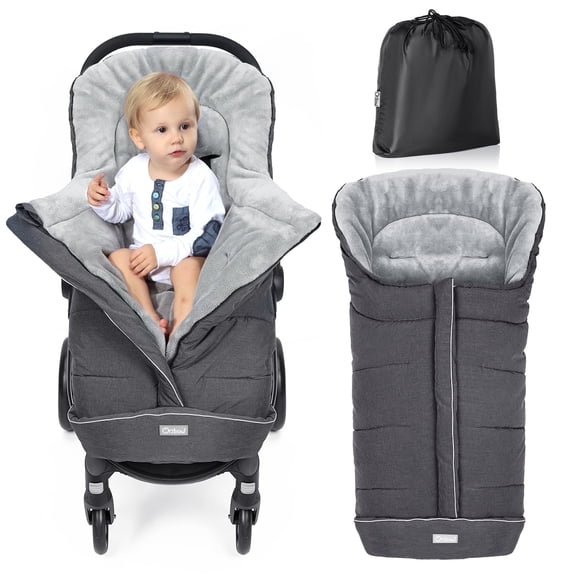


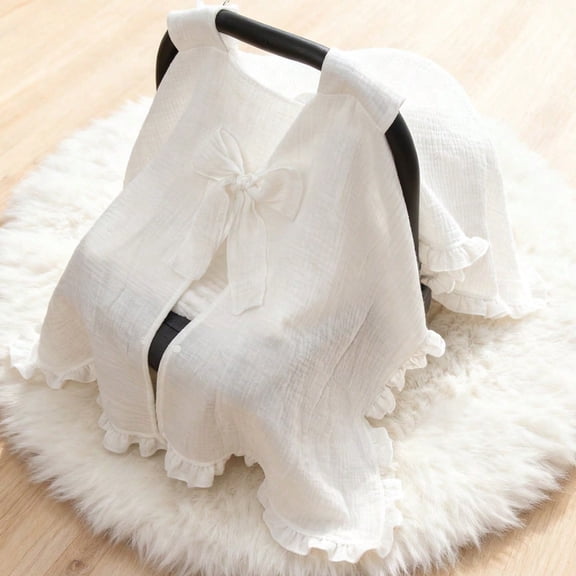
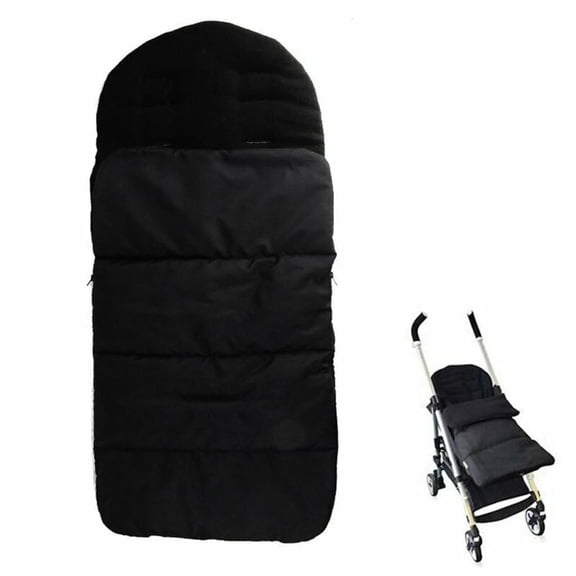
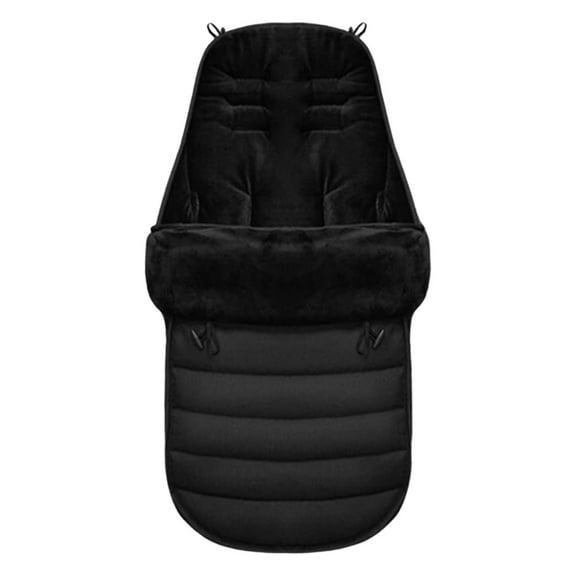


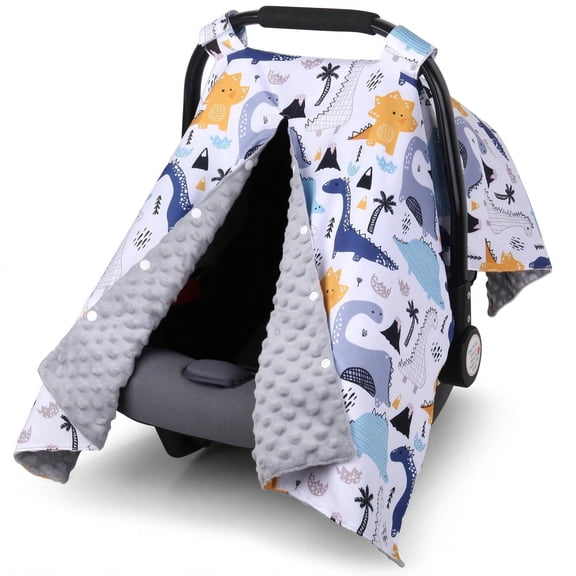
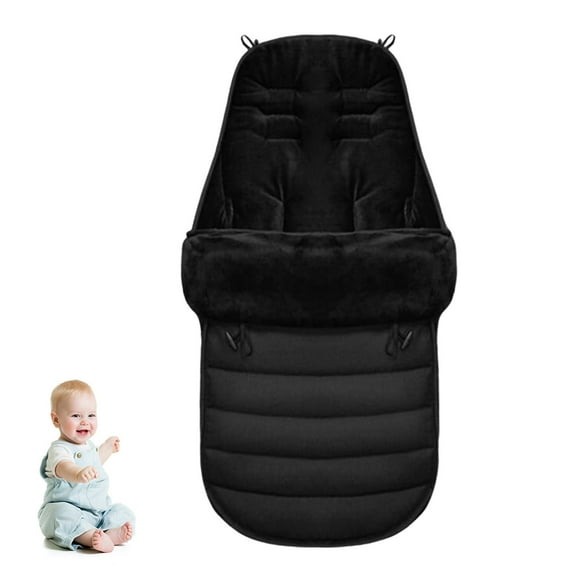


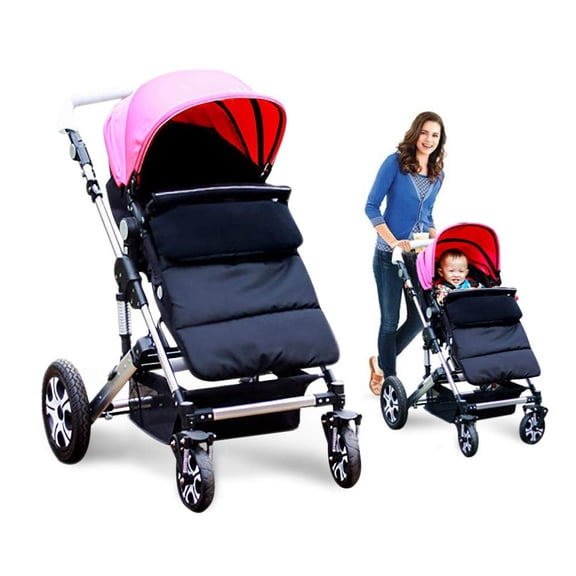
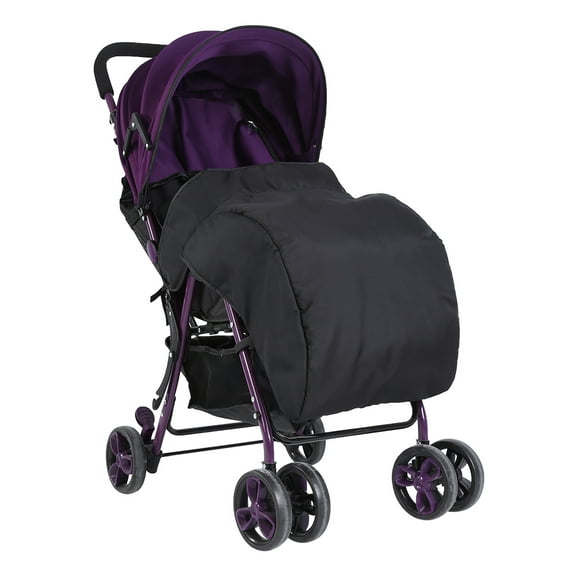


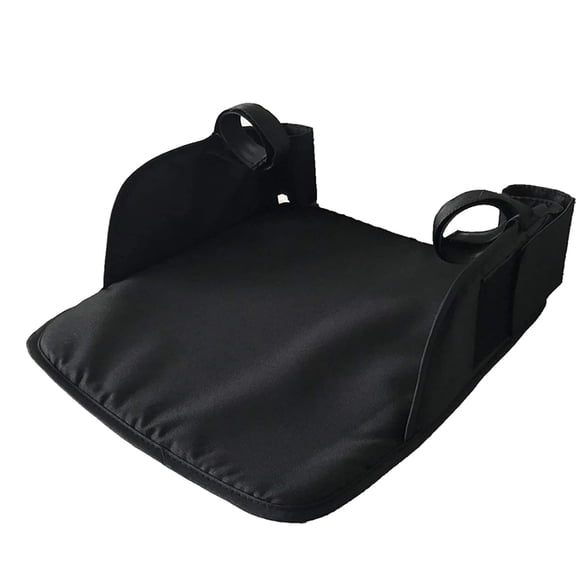
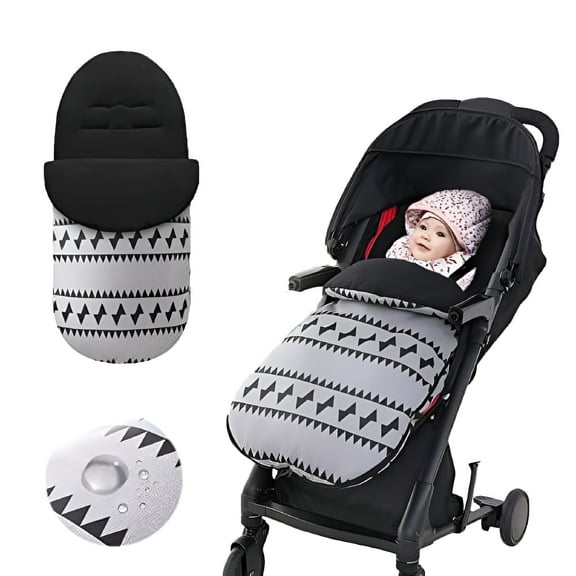
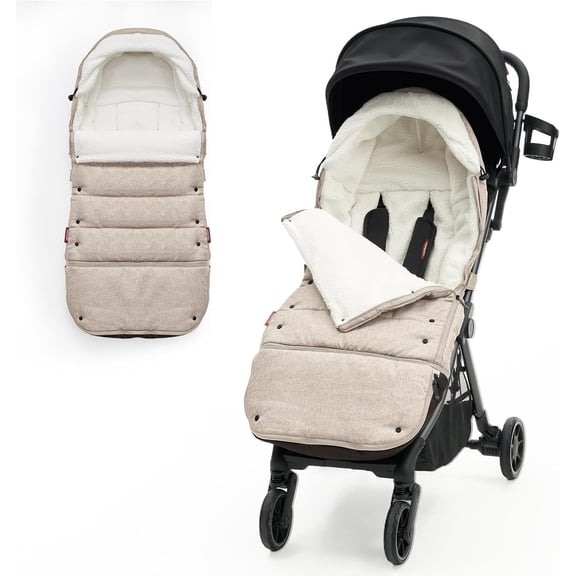


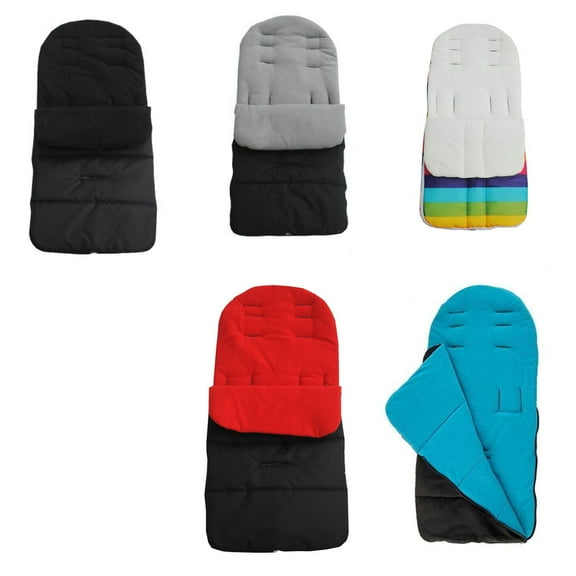




About Stroller Gloves & Footmuffs in Strollers - Walmart.com
Shower curtains help you add privacy, manage splashes, and shape your bathroom style. You can compare materials, sizes, and hanging options that fit your tub or shower layout.
If you're updating a guest bath or a primary bath, you need clear buying guidance. You can use this guide to compare fabric shower curtains, liners, and extra long shower curtains.
How to choose shower curtains for your space
You should start with the role your curtain needs to play each day. You may want bathroom shower curtains that add color, or you may need a waterproof layer for frequent splashes.
When you compare options, you can focus on four decisions that shape daily use. You should consider material, size, hanging style, and cleaning needs before you pick one.
- You can use fabric styles when your bathroom needs a softer, more decorative look.
- You can choose plastic shower curtain liners when your space needs a simple water-blocking layer.
- You should measure height and width before choosing standard, stall, or extra long shower curtains.
- You can pick hookless shower curtains when you want faster setup and easier removal.
Comparing materials for shower curtains
You may notice that material changes both the look and the upkeep of your bathroom. You can choose fabric when you want texture, drape, and a finish that feels more like decor.
If you prefer easy laundering, you may look at polyester or cotton options first. You can often pair fabric shower curtains with a separate liner when you want added splash coverage.
You may prefer plastic or PEVA when your shower gets heavy daily use. You can wipe many plastic shower curtain liners clean, which helps simplify routine care.
When you compare water resistance, you should check whether a curtain is waterproof, water-resistant, or requires a liner. You can match that detail to your bathroom setup and shower habits.
Choosing the right size
You should measure your shower area before you choose a style or pattern. You can check width across the opening and height from the rod to the spot you want covered.
A standard size often works for many tub setups, and you’ll commonly see 70 x 72 inches. You may need stall size dimensions for narrower spaces with less width.
If your rod sits higher or your ceiling looks taller, you may want extra long shower curtains. You can use 72 x 84 inch sizes to create fuller coverage and a cleaner vertical line.
You should also think about how much floor clearance you want at the bottom edge. You can create a neater fit when you measure first instead of guessing from appearance alone.
Picking a hanging style and finish
You can narrow your choice faster when you compare hookless and traditional hanging styles. You may like hookless shower curtains if you want a quicker setup around your rod.
Traditional grommet styles can also work well when you already have hooks or rings. You can coordinate those details with other bath hardware for a more pulled-together look.
Style matters when your curtain acts like a large visual panel in the room. You can choose waffle weave for texture, patterned designs for personality, or solid color options for a calmer look.
If you want a hotel-inspired feel, you may lean toward fabric textures and clean neutrals. You can choose bold prints when your bathroom needs color or a stronger focal point.
Checking maintenance and daily use
You should think about cleaning before you decide on a material. You can often machine wash many fabric options, which suits bathrooms that need frequent refreshing.
If you want simpler day-to-day care, you may choose a wipe-clean liner. You can use a waterproof shower liner behind a decorative curtain when you want both function and style.
Busy family bathrooms often need quick upkeep and dependable splash coverage. You can compare machine-washable polyester, wipe-clean PEVA, or layered combinations based on how you clean.
You should also consider how often you open and close the curtain each day. You can choose lighter materials for easy movement or thicker fabrics for a fuller drape.
Matching options to real bathroom setups
You can use fabric shower curtains in a primary bath where style plays a bigger role. You may pair them with a liner when you want texture in front and water protection behind.
For a kid's bath or shared hall bath, you may want plastic shower curtain liners that clean up fast. You can keep the look simple while making daily maintenance easier.
If your shower rod sits high above the tub, extra long shower curtains may give you the fit you need. You can avoid an awkward short look by measuring height before you choose.
In smaller showers, stall sizes can help you avoid excess material bunching at the sides. You can create a cleaner opening when the width matches the shower footprint.
You may also want hookless styles for guest spaces or apartment bathrooms with quick setup needs. You can remove them more easily for cleaning, washing, or seasonal style updates.
When you compare these details carefully, you can choose a curtain that fits your bathroom and your routine. You can achieve coverage, easier upkeep, and a look that feels finished.