


Learning Toys in Toys












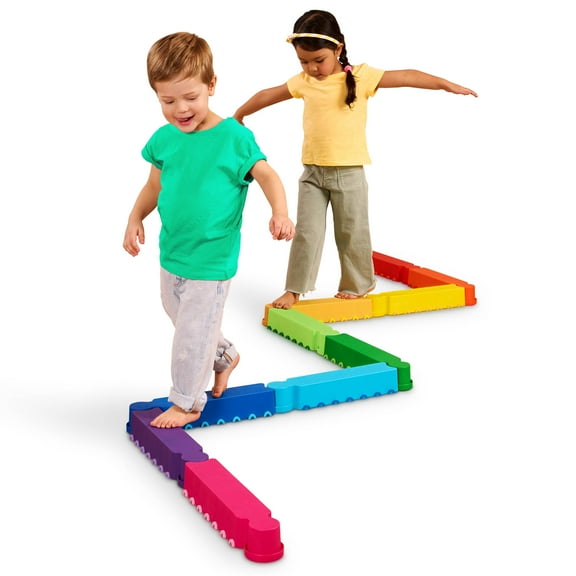
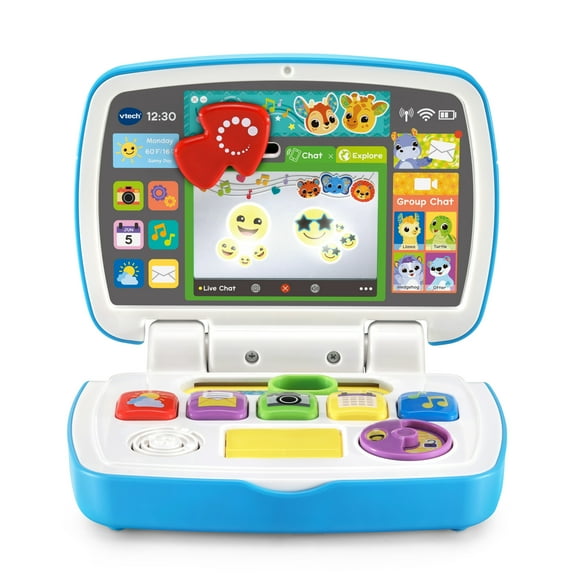


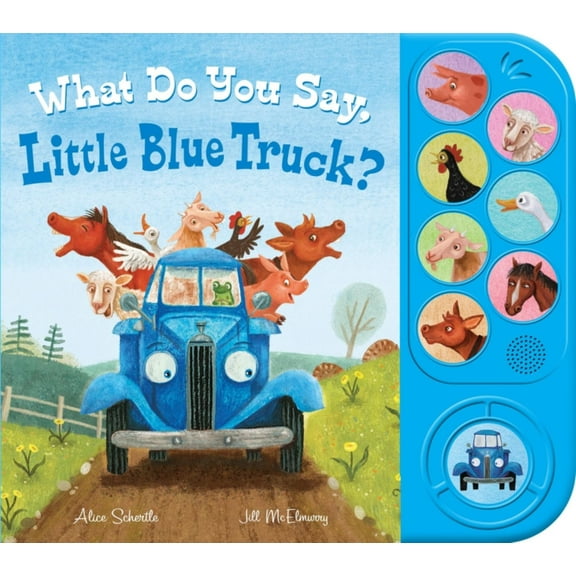
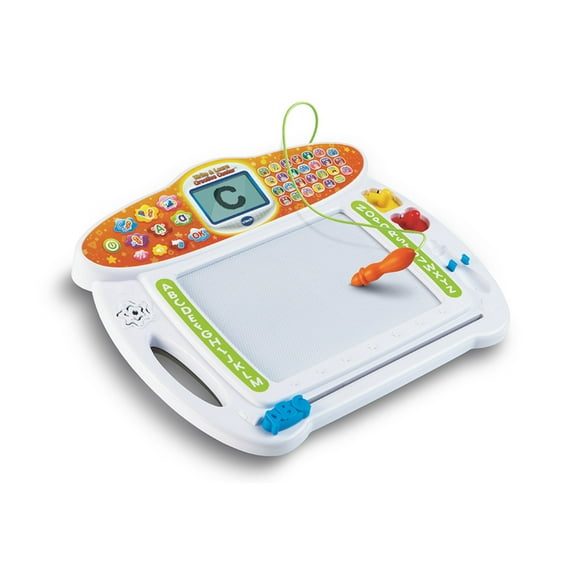

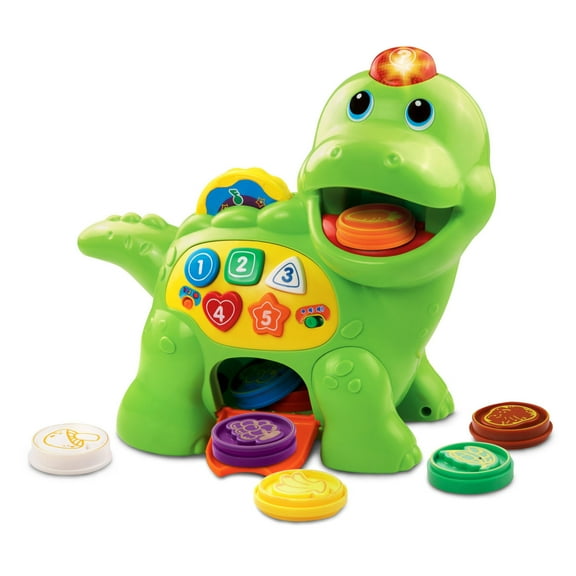

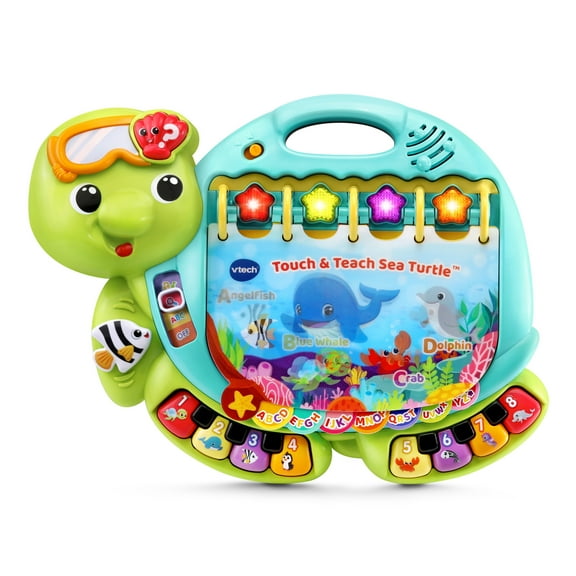
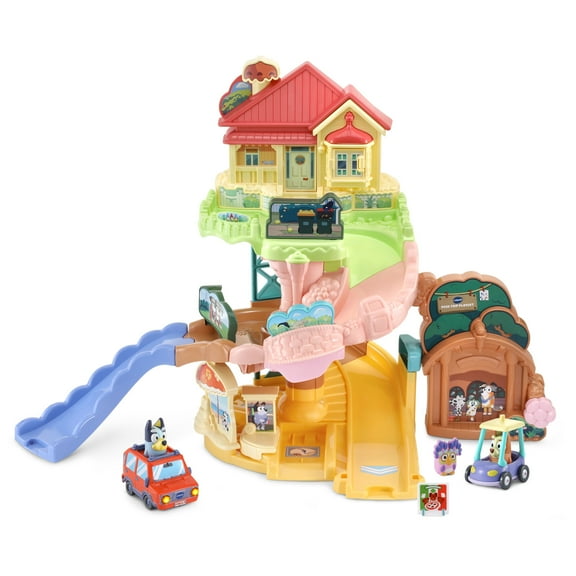
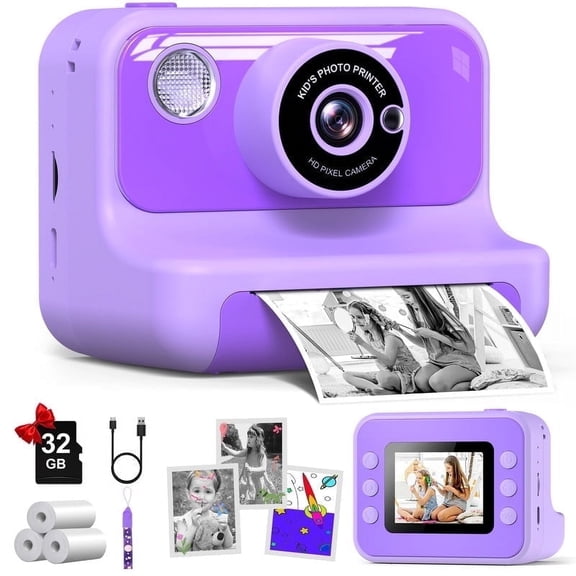


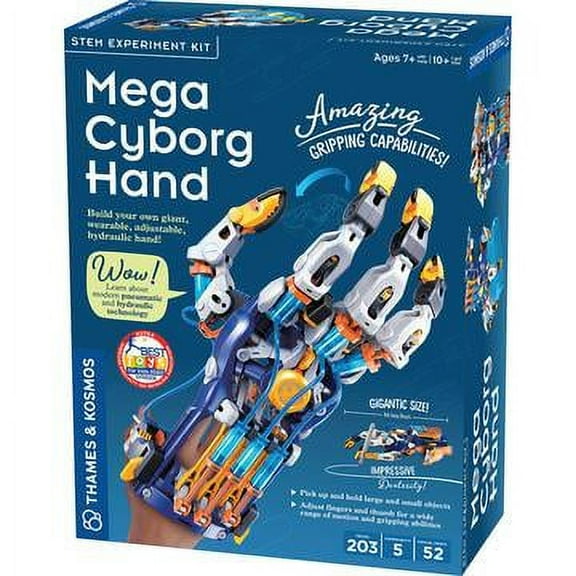

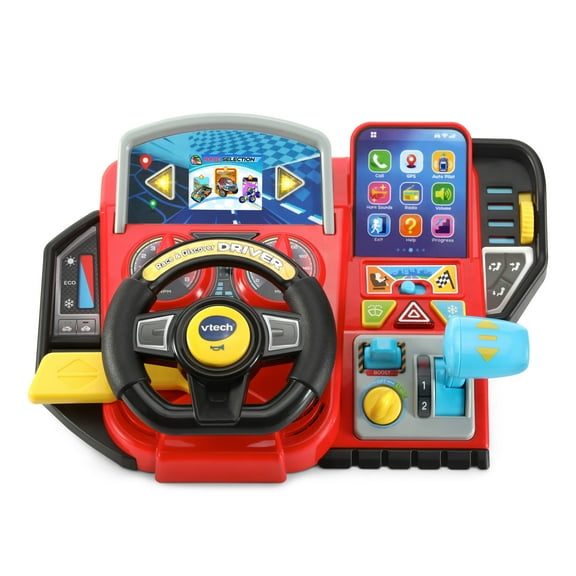
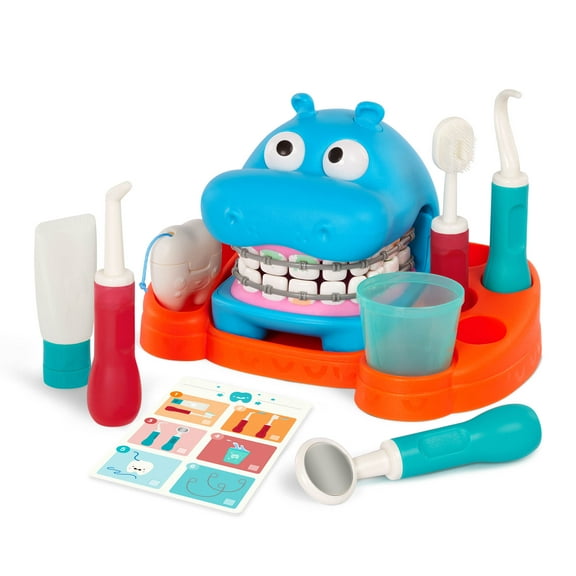





About Learning Toys in Toys - Walmart.com
Kids learning toys help you match playtime with age, skill goals, and everyday routines. You can compare age groups, subjects, and toy types to choose learning-focused fun that fits your child.
You may want options that support counting, early reading, sensory play, or simple building tasks. You can also look for materials, battery needs, and durability details before you decide.
How to choose kids learning toys by age group
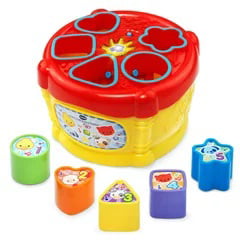
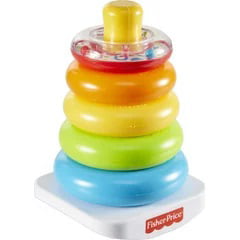
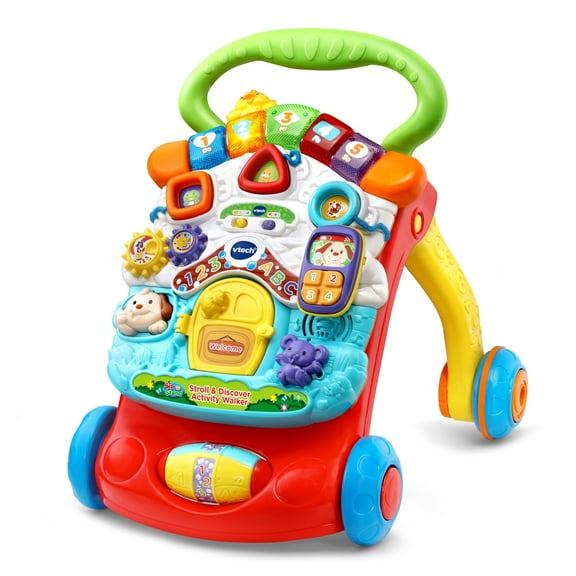
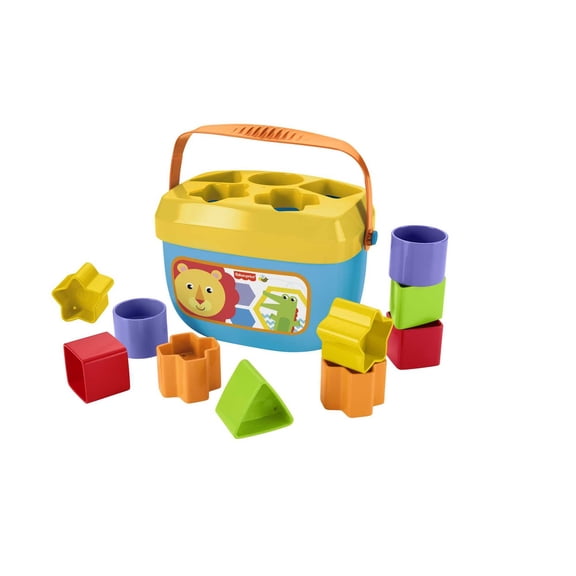
Toddlers often need chunky pieces, simple actions, and clear cause-and-effect play. You can look for toys that fit small hands and support fine motor skills through stacking, sorting, and button pressing.
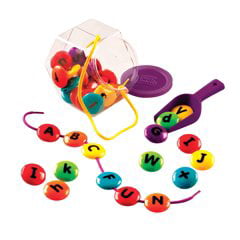
Preschool shoppers often compare alphabet play, early counting, and matching activities. You can use this stage to choose toys for learning that build attention, turn-taking, and simple problem solving.
School-age children may want more steps, rules, and challenge. You can consider building sets, coding-style games, or reading activities that connect play with cognitive milestones and independent practice.
Choosing educational toys for kids by subject
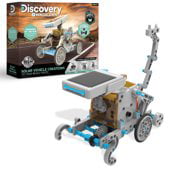
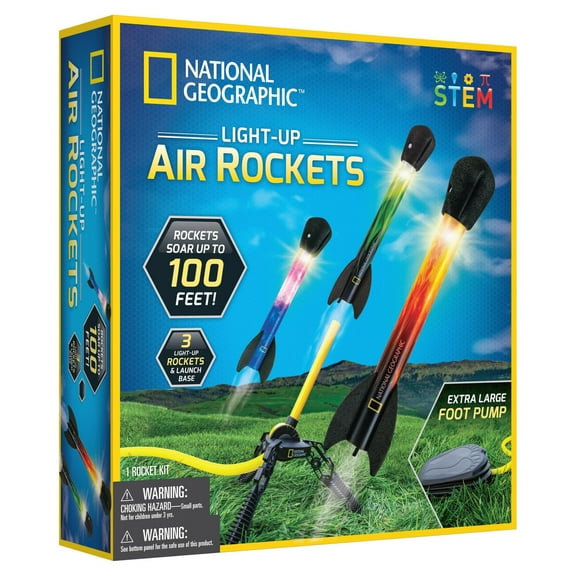
STEM options can help you introduce patterns, gears, magnets, and simple engineering ideas. You can compare interactive electronics, building blocks, and hands-on kits based on how much guidance your child likes.
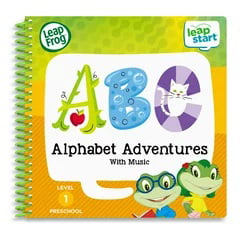
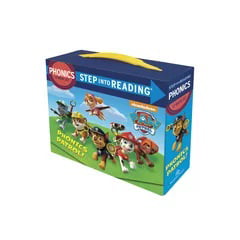
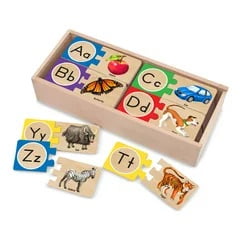
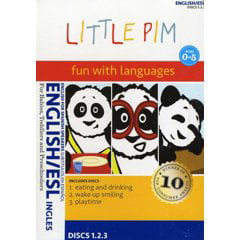
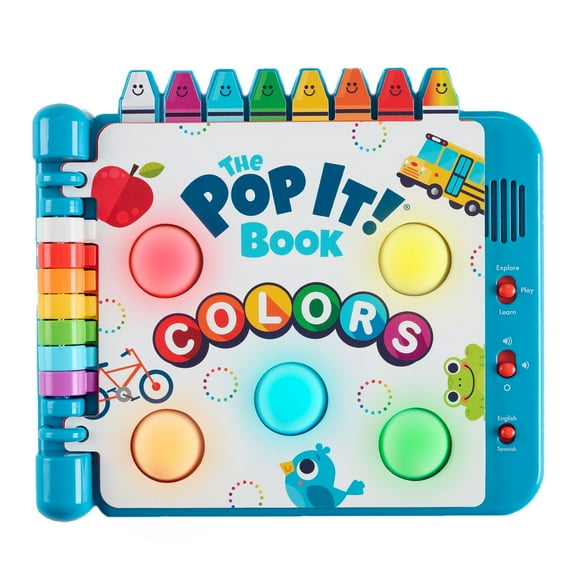
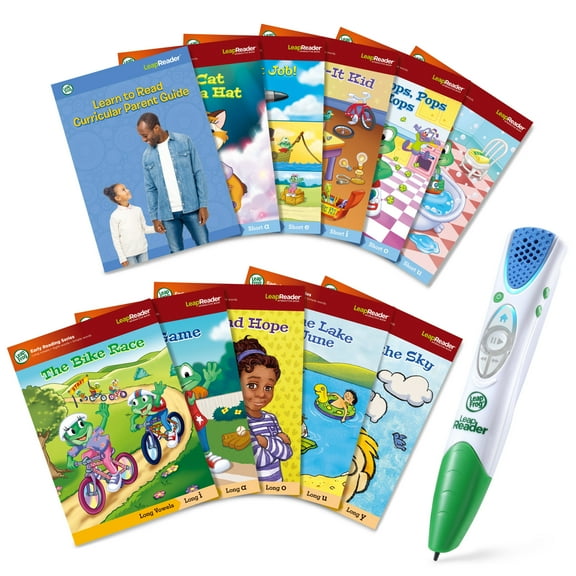
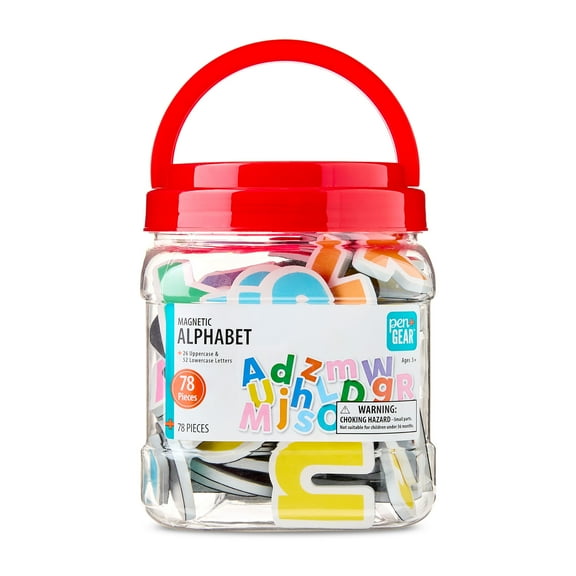
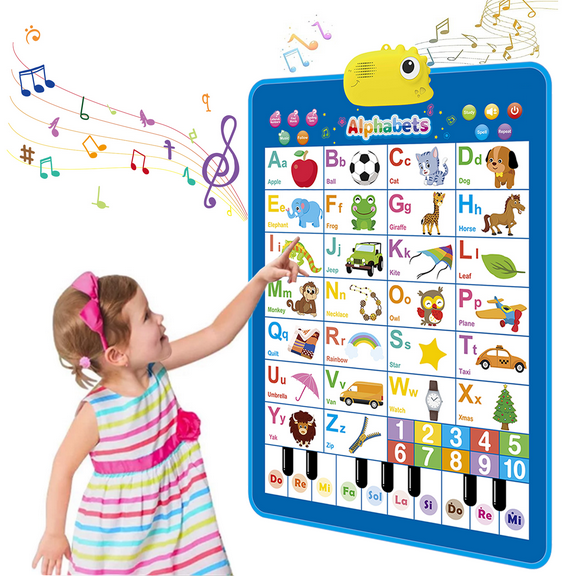
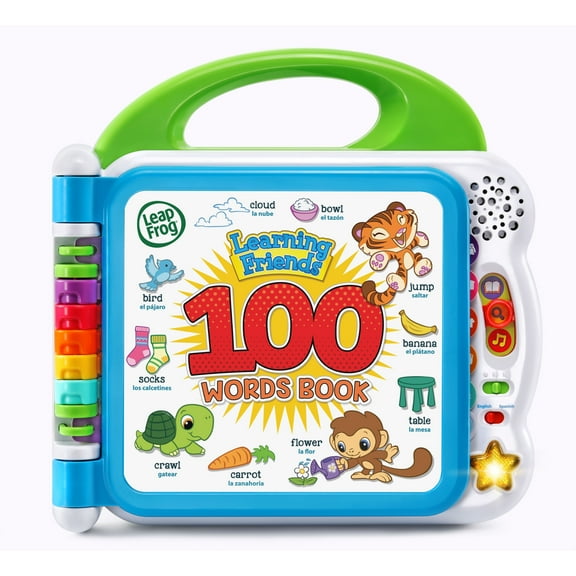
Reading and phonics toys can support letter recognition, sound matching, and early word building. You can look for puzzles, sound buttons, or card-based games that make repeated practice feel engaging.
Math-focused choices often center on counting, sorting, shapes, and number order. You can use wooden puzzles, stacking sets, and tile games to make quantity and sequence easier to see.
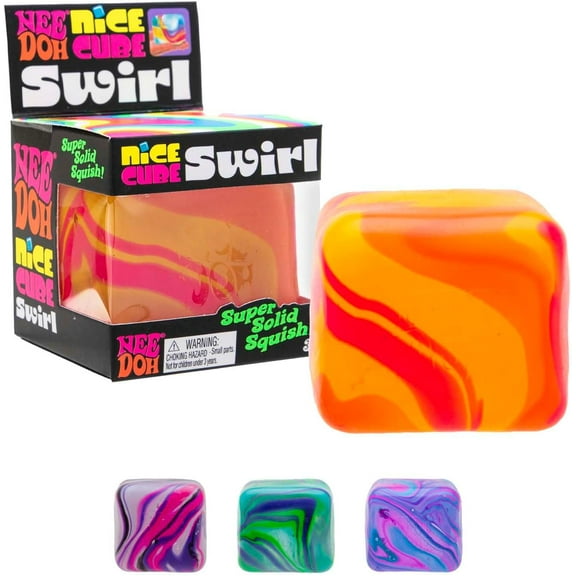
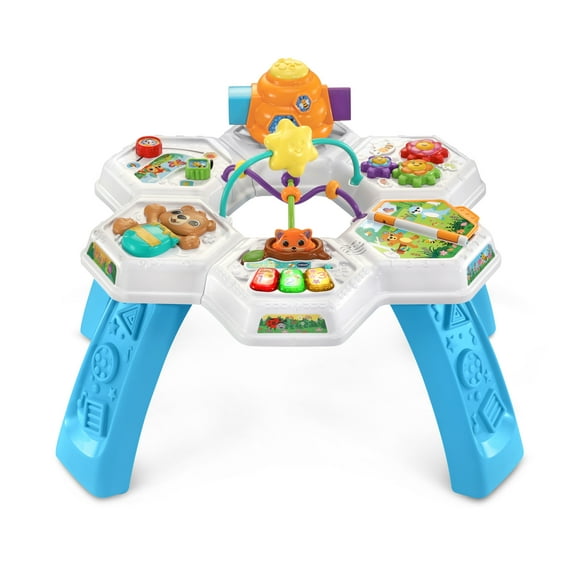
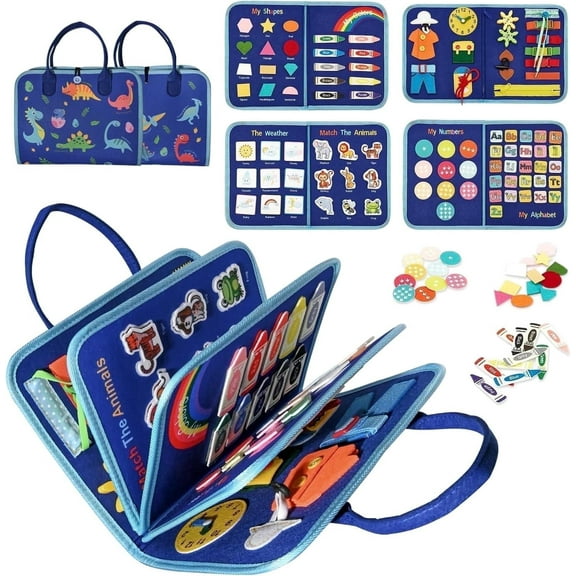
Sensory toys can add texture, sound, light, and movement to play sessions. You can compare tactile boards, activity cubes, and interactive pieces when your child learns through hands-on exploration.
- You can match play to toddlers, preschool, or school-age stages.
- You can focus on STEM, reading and phonics, math, or sensory learning.
- You can compare wooden puzzles, building blocks, and interactive electronics.
- You can check battery needs, care steps, and activity complexity before choosing.
What to look for in learning toys
Materials and construction matter when you want a toy to handle repeated use. You can check for sturdy wood, smooth edges, secure fasteners, and pieces sized for the intended age group.
Safety details can shape your shortlist during comparison. You can look for ASTM standards information and BPA-free labeling when those details appear on product packaging or listings.
Power requirements also affect daily convenience. You can check whether interactive electronics need batteries, charging cables, or included accessories, so setup feels simple from the start.
Size and storage can make a real difference in busy rooms. You can compare tabletop puzzles, floor play sets, and compact bins based on where your child usually plays.
Skill fit matters as much as theme or color. You can use fine motor skills, matching, sequencing, and early logic as practical filters when several options look similar.
Comparing toy categories for different play styles
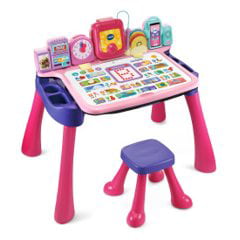
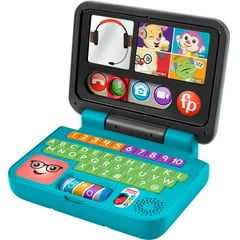
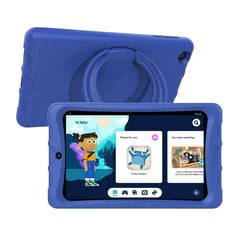
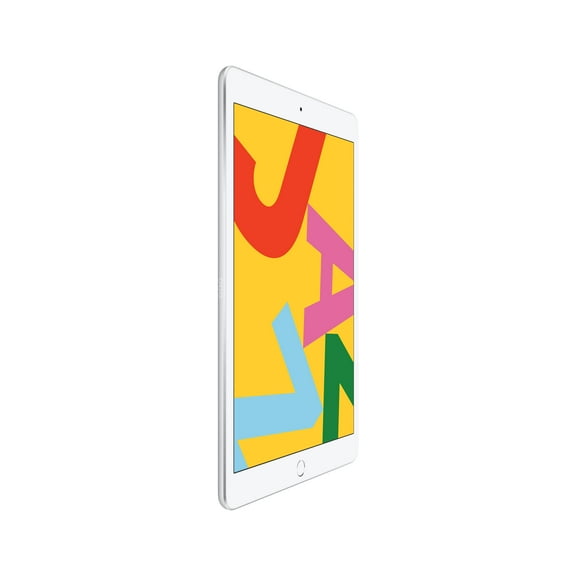
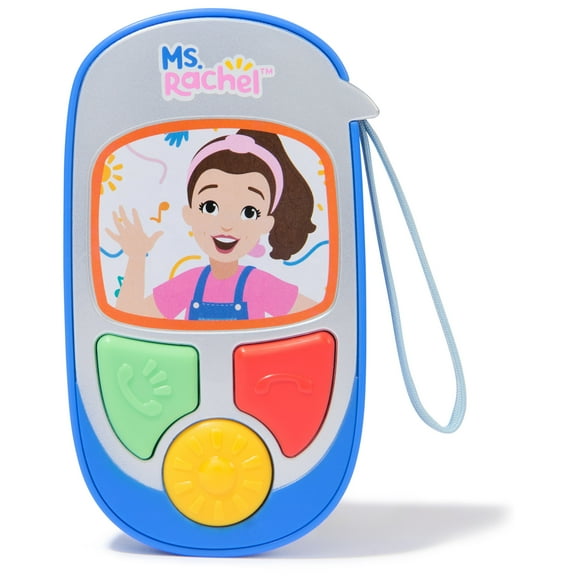
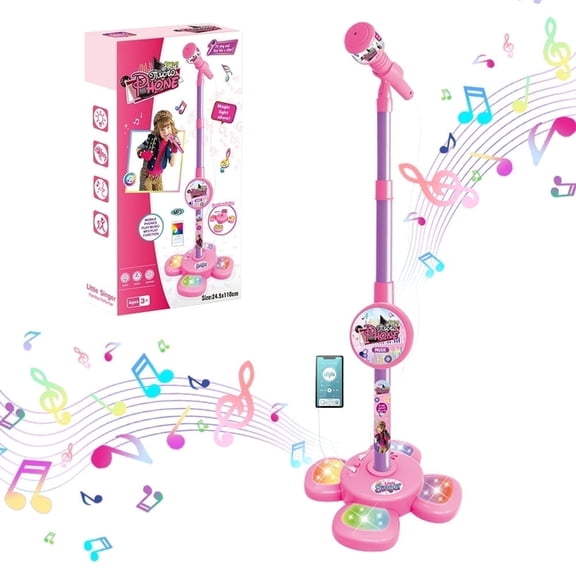
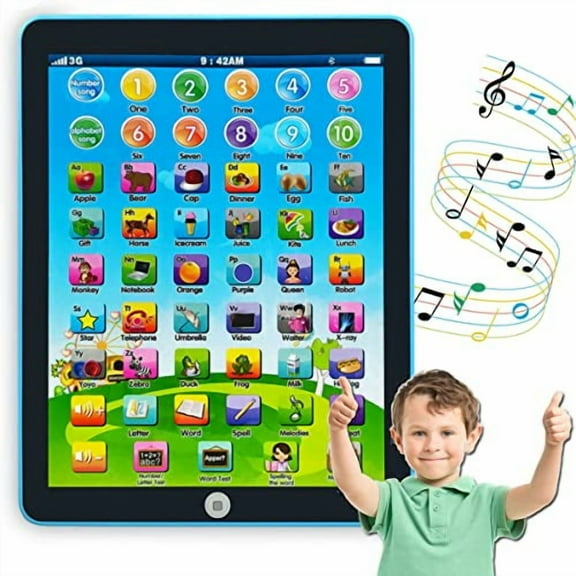
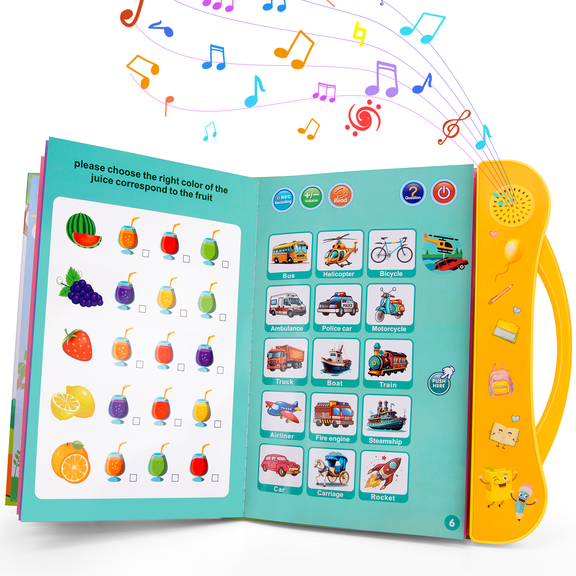
Interactive electronics can work well when your child responds to sounds, lights, and guided prompts. You can use them for letter practice, number games, or quick activities between larger play sessions.
Wooden puzzles often appeal when you want hands-on pieces and visible progress. You can choose knob puzzles for younger learners or layered sets for children ready for more detailed matching.
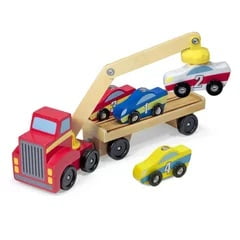
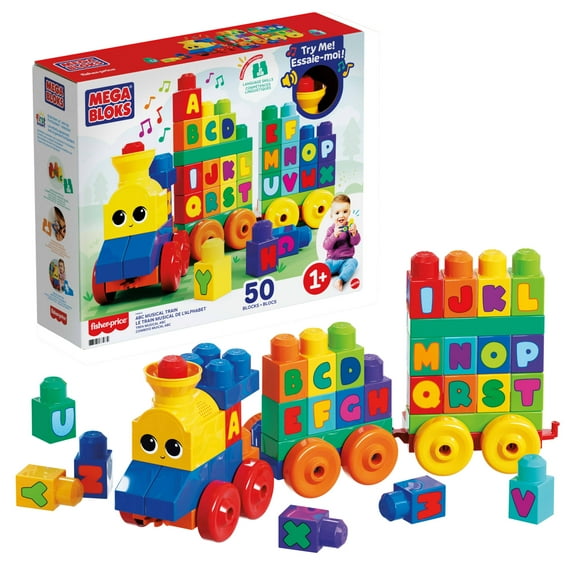
Building blocks can support open-ended play and step-by-step thinking. You can use them for color sorting, shape recognition, counting practice, and simple engineering challenges across age ranges.
Some children's educational toys blend several categories into one activity. You can find sets that combine stacking, spelling, sorting, or sound features when you want longer play variety.
Using kids learning toys in everyday routines
You can keep a few toddler-friendly options in the living room for short supervised play periods. You can rotate sensory boards, shape sorters, and chunky blocks to keep routines fresh.
For preschool routines, you can set up a small station with phonics cards, number toys, and simple puzzles. You can use short sessions before dinner or after naps for consistent practice.
School-age children may use learning toys during quiet time, homework breaks, or weekend family activities. You can choose challenge levels that feel engaging without turning play into extra schoolwork.
You may also sort by target audience when you compare colors, themes, and activity styles. You can focus on the child’s interests first, whether you’re shopping for boys, girls, or shared family play.
If you want fewer interruptions, you can check whether pieces store together and reset quickly. You can also compare wipe-clean surfaces and easy organization when daily cleanup matters.
Why this category makes decision-making easier
Kids learning toys give you a practical way to compare age fit, subject focus, toy category, and setup needs in one place. You can narrow choices with more confidence and bring home play that feels purposeful and easy to use.