

Laser Tag in Toys













About Laser Tag in Toys - Walmart.com
Laser tag helps you turn a living room or backyard into active play within minutes. You can compare player count, infrared range, and charging style to match your family game time.
How to choose laser tag for your group
When you shop laser tag, you should start with set size and player count. You’ll want enough blasters or vests for siblings, friends, or party guests.
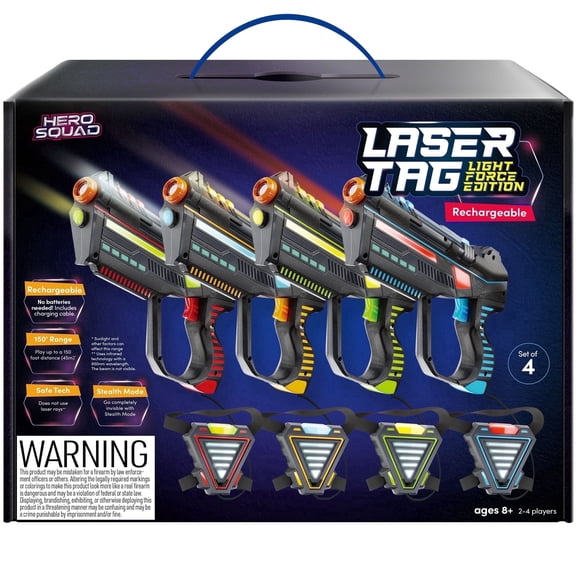
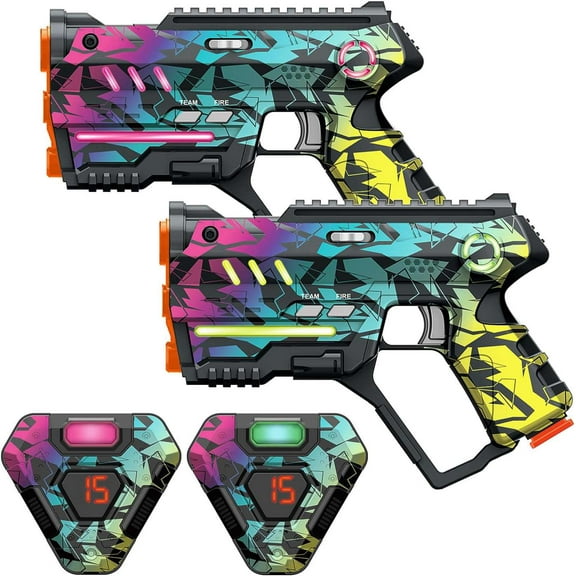
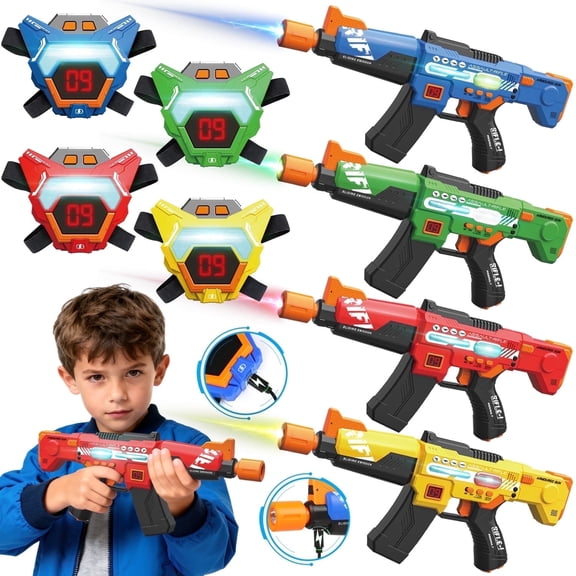
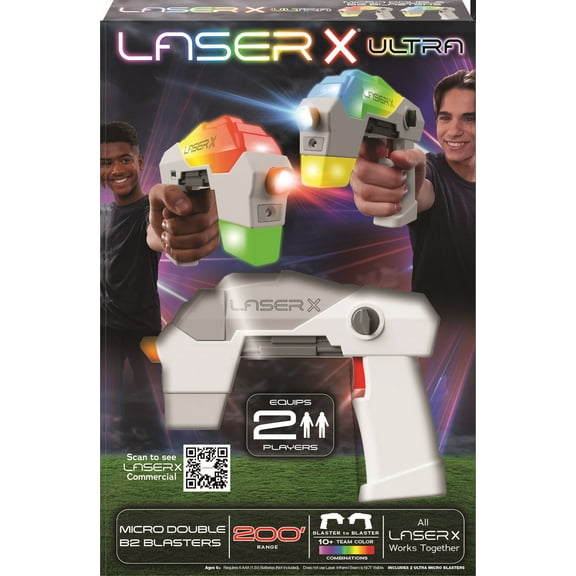
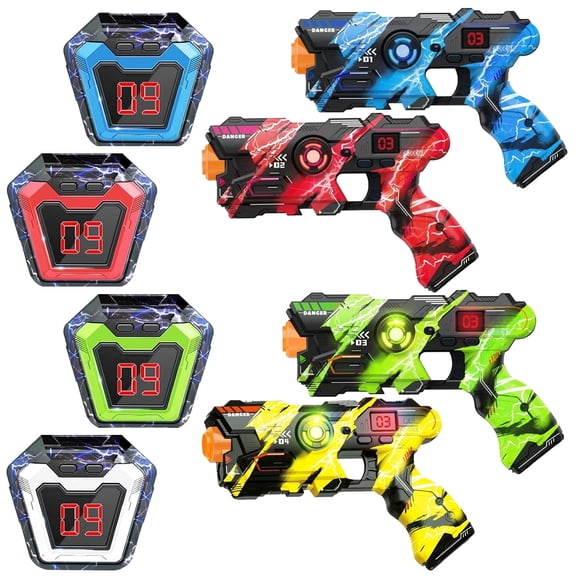
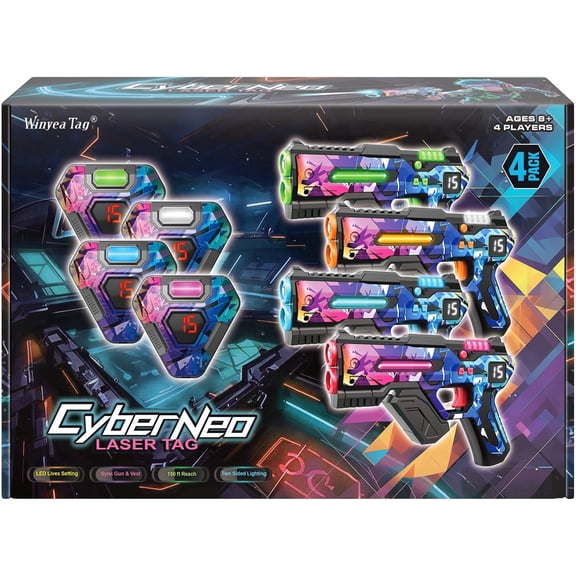
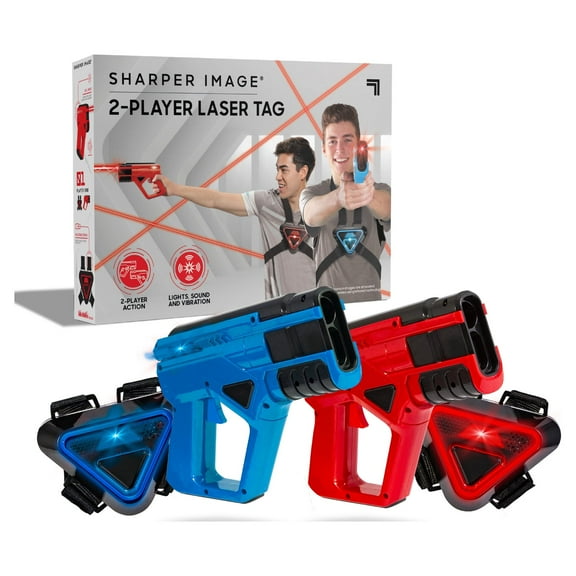
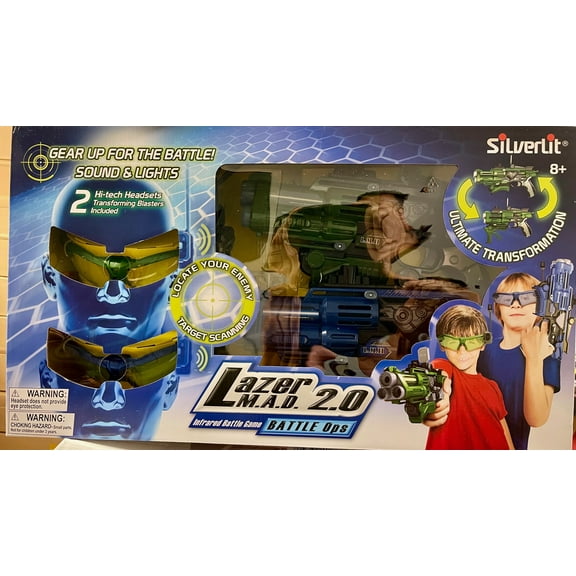
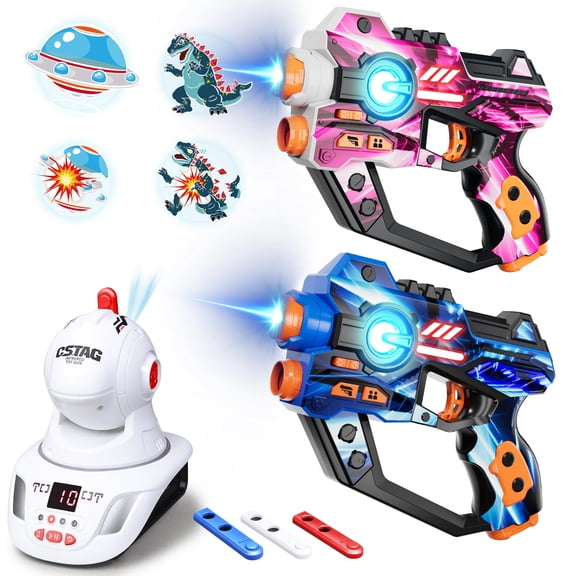
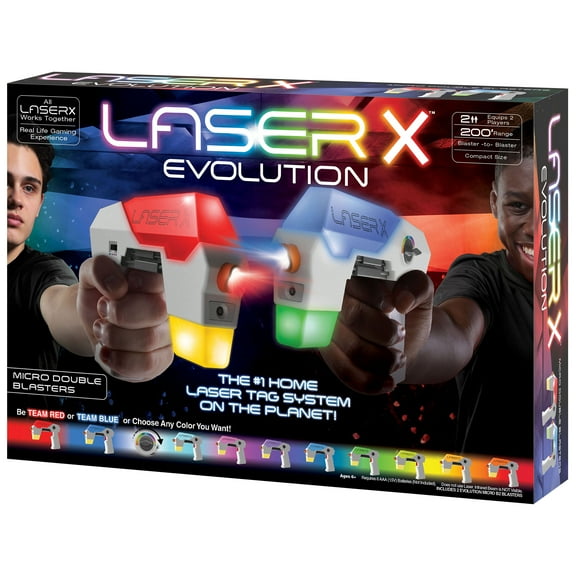
A two-pack works well when you want head-to-head play and easy setup. A four-pack gives you team play right away, and multiplayer laser tag supports larger group sessions.
You should also compare receiver sync and channel limits before you choose. Those details help you keep players connected and let separate teams play without confusion.
- You can pick a two-pack for quick duels in smaller spaces.
- You can choose a four-pack for family game night and team matches.
- You can look for multiplayer laser tag when you host birthdays or neighborhood play.
- You can check channel options when you want more players in one game.
You may also notice different target styles across laser tag sets. Some options use built-in gun sensors, while others include active target vests for body hits.
Built-in sensors can make setup faster because you have fewer pieces to manage. Vests can make team roles clearer when you want a more arcade-style experience.
Comparing laser tag sets and laser tag guns
You should compare laser tag sets by how they handle range, feedback, and score tracking. Those features shape how the game feels in a hallway, basement, or backyard.
Infrared play gives you a clean, light-based way to track hits during active games. You’ll often find that infrared laser tag works well for indoor spaces and open outdoor areas.
Long-range options matter when you want more movement across a yard or driveway. Shorter-range play can feel easier to manage when you’re playing in tighter rooms.
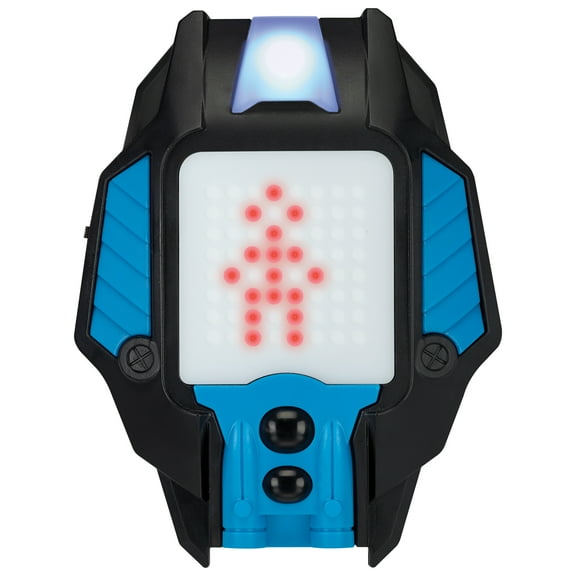
You may want LCD screens when you like quick score checks during play. Those displays can show health, ammo, or team info, so you spend less time guessing.
Laser tag guns can differ in grip size, button layout, and reload style. You should look for controls that feel simple enough for younger players and still engaging for older ones.
Vests included in a set can change how you plan each round. You can assign teams faster, track hits more clearly, and create a fuller battle setup.
You should also compare power options before you decide. AA batteries can work well for occasional play, while rechargeable and USB charging can simplify repeat use.
Rechargeable laser tag can make it easier to prep for weekend games or parties. USB charging can also help you keep gear ready with cords you already use at home.
Choosing range, sensors, and safety features
You should measure where you plan to play before you choose a set. A living room setup needs different range than a backyard game with more running room.
Indoor play often works well with responsive sensors and moderate range. You can keep rounds fast, avoid constant resets, and move easily around furniture or hallways.
Outdoor play usually benefits from longer range and clear hit feedback. You’ll notice those features matter more when players spread out across grass, patios, or driveways.
Sensor accuracy affects how fair each match feels during active movement. You should look for reliable hit detection, whether your set uses gun sensors or separate vests.
Infrared technology is a key decision point because it shapes gameplay and setup. You can enjoy light-based play without foam darts, pickup mess, or extra projectiles.
You may also want sound and light effects that make hits easy to follow. Those cues can help younger players understand scoring and keep games moving smoothly.
Matching laser tag for kids, teens, and family play
Laser tag for kids often works well when controls stay simple and pieces stay manageable. You should look for easy team switching, clear indicators, and comfortable sizing.
For mixed ages, you may want four-player or multiplayer laser tag with flexible modes. That setup lets you run free-for-all rounds, team battles, or rotating backyard tournaments.
You can use smaller sets for rainy-day indoor games and quick after-school matches. You can use larger sets for birthdays, sleepovers, and family gatherings with more players.
If you want a more immersive setup, you should compare laser tag with vests. If you want faster cleanup, you may prefer built-in gun sensors with fewer wearable pieces.
Rechargeable options can fit households that play often through the week. Battery-powered sets can fit occasional sessions when you want simple grab-and-go gear.
When you compare player count, range, sensor style, and power source, you can narrow your choice faster. You’ll end up with a laser tag setup that fits your space and your group.
You can feel confident choosing a set when you know how many players join, where you play, and how you want hits tracked. That clarity helps you pick laser tag that keeps every round active and easy to manage.