

Recreation
































About Recreation - Walmart.com
Trampolines help you turn your yard into an active play zone when you match size, shape, and enclosure details to your space. You can compare outdoor trampolines by measuring clearance, checking net design, and matching weight capacity to your household.
If you're planning family play, fitness rebounding, or gymnastics practice, you need guidance that fits real backyard layouts. You can use this guide to compare sizes, shapes, padding, and frame strength before you narrow your options quickly.
How to choose trampolines for your space
You should start with yard measurements before you compare frame sizes. You need open ground, overhead room, and extra clearance around the jumping area for a comfortable setup.
If you're considering 12ft, 14ft trampolines, or 15ft models, you should measure the full footprint, not just the mat. You should also leave space beyond the frame so your enclosure poles and entry area fit easily.
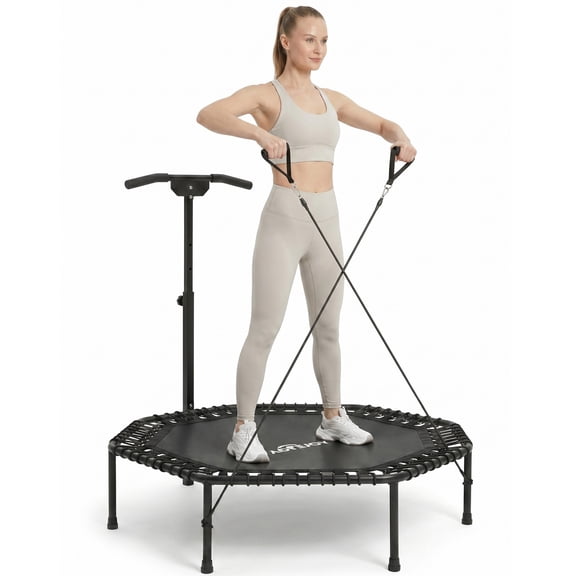
You may prefer mini models when your focus is compact exercise rather than full backyard play. You can usually compare mini options by footprint, handle design, and how easily they fit into your routine.
Choosing size, shape, and use case
You can narrow your choices quickly when you match shape to how you plan to use the trampoline. You may prefer round models for centered bounce patterns, while rectangular trampolines suit more directed jumping.
If your goal is backyard play, you may like round or oval designs that fit shared family use. If your goal is gymnastics or more controlled practice, you may prefer rectangular layouts with longer jumping lanes.
You should also think about who will use the trampoline frequently. You may choose kids trampolines for age-appropriate dimensions, while larger backyard trampolines suit mixed household use.
- You can use round shapes when you want a centered bounce feel for casual backyard play.
- You can choose rectangular shapes when you want a more even takeoff area for drills or gymnastics practice.
- You can consider oval frames when you want a long jumping path with a softer footprint shape in your yard.
- You can compare mini styles when you want indoor-friendly rebounding or a smaller exercise setup.
What to look for in trampolines with enclosure
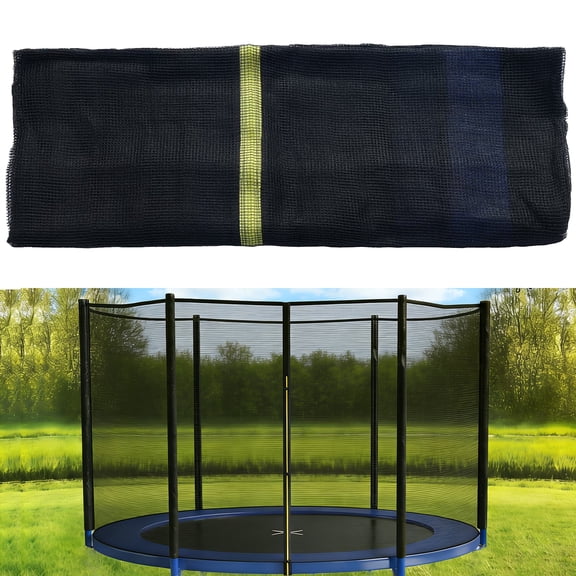
You should check the safety enclosure net before anything else because attachment style changes the feel of entry and edge coverage. You can compare inside-net and outside-net designs by how the poles, springs, and mat line up.
If you're reviewing trampolines with enclosure, you should look for a safety enclosure net that stays aligned with the jumping surface. You should also check for a padded spring cover that helps create a cleaner edge around the frame.
You may also want a no-gap design when you want the mat and net area to feel more integrated. You can compare zipper entry styles, pole padding, and closure details to see what fits your routine.
You should read enclosure details closely because net height, pole placement, and entry opening can vary by model. You can use those details to compare access, coverage, and how contained the jumping area feels.
Comparing frame strength and heavy duty trampolines
You should match frame strength to your planned use instead of choosing by size alone. You can compare heavy duty trampolines by frame material, leg design, spring layout, and listed weight capacity.
If you're checking capacity labels like 250 lbs or 400 lbs, you should follow the stated limit exactly. You should also remember that weight capacity relates to design testing, not how many people should jump at once.
You may notice galvanized steel frames in many outdoor trampolines because that finish supports outdoor use and seasonal exposure. You can also compare base shapes and connection points when you want a steady feel.
You should review spring placement and padding coverage when you compare bounce feel across models. You can use those details to balance rebound preference, frame size, and intended activity.
Using trampolines for backyard play, rebounding, and practice
You can match your trampoline to your routine when you separate casual play from exercise or skill work. You may want summer backyard trampolines for open family play, or compact rebounders for shorter sessions.
If your yard hosts regular playdates, you should focus on enclosure coverage, easy entry, and a shape that fits your lawn. If your routine includes fitness rebounding, you may prefer a smaller format with a simple footprint.
You may choose larger outdoor trampolines when you want a dedicated backyard activity zone. You can choose rectangular trampolines when your goal includes longer jumping passes for drills or practice patterns.
You should also keep future upkeep in mind while you compare models. You can look for compatible trampoline accessories and trampoline parts when you want replacement support for pads, nets, or springs.
Trampolines work effectively when your size, shape, enclosure, and capacity choices all match your space and how you plan to use them. You can choose with confidence when you measure carefully and compare decision-critical details that affect everyday play.