

Traditional R&B and Soul Music Collection


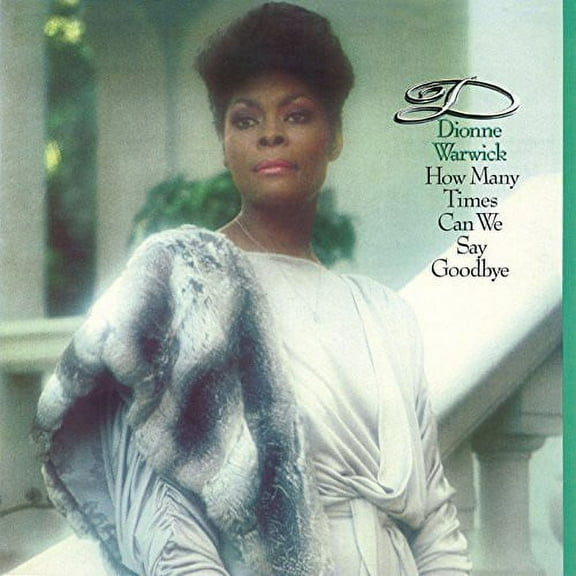


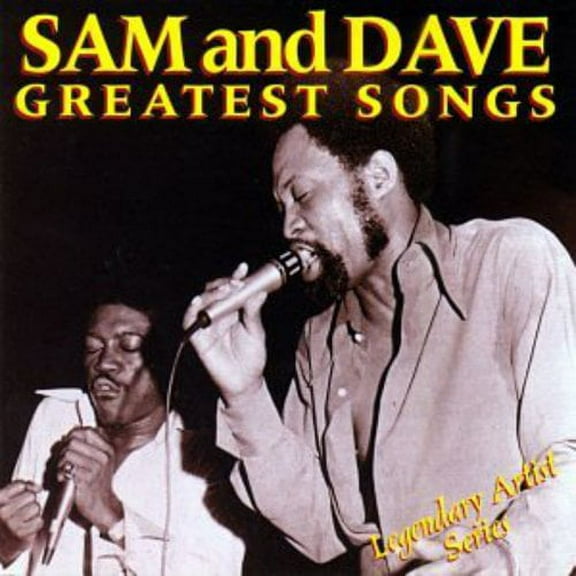
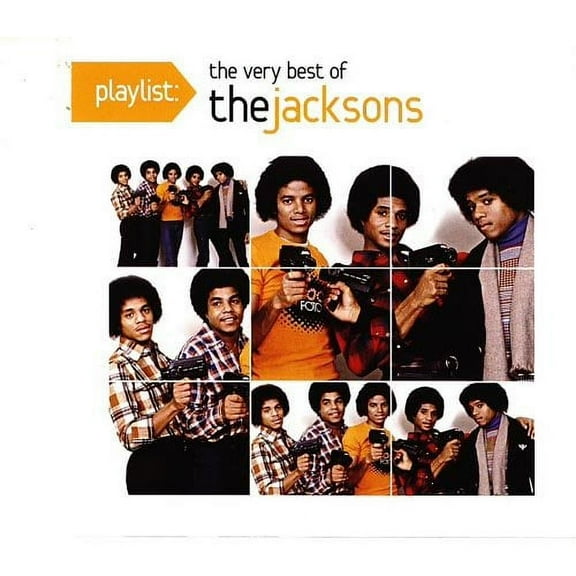


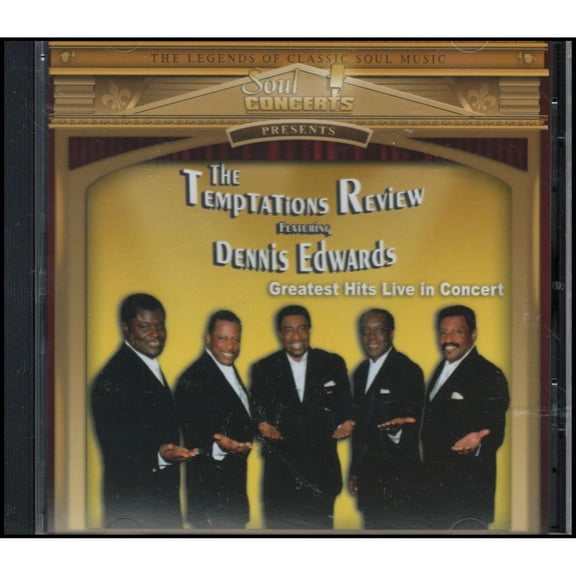
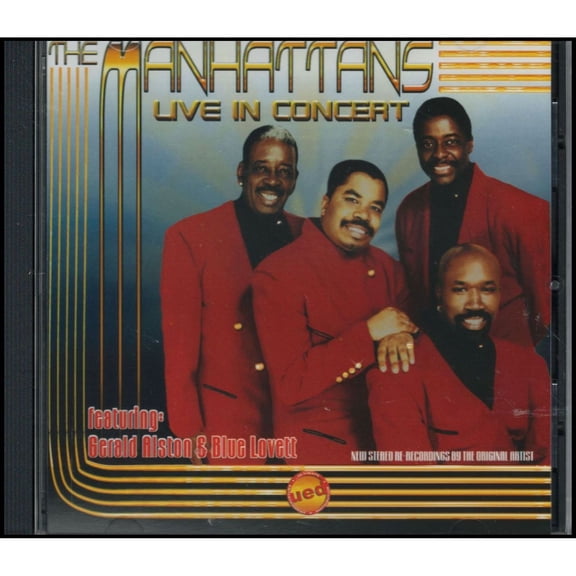
![Gladys Knight - Beautiful Ballads [CD]](https://i5.walmartimages.com/seo/Gladys-Knight-Beautiful-Ballads-CD_f67ac3d1-3345-4703-981f-4b3ecbfdbd2a.12ab82680d34ce24cb744418d683ad29.jpeg?odnHeight=576&odnWidth=576&odnBg=FFFFFF)
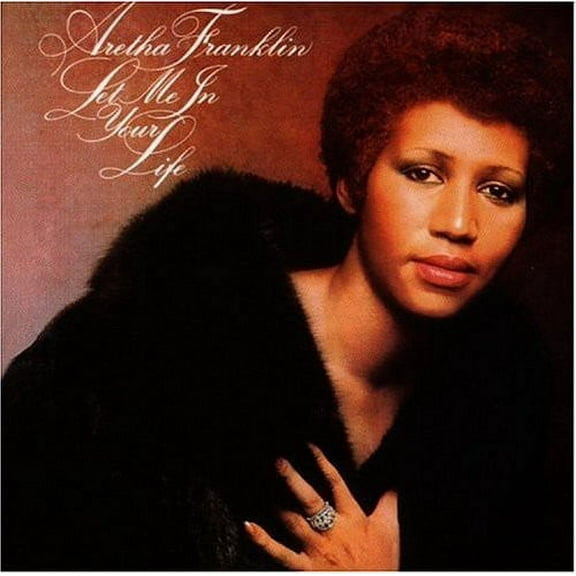
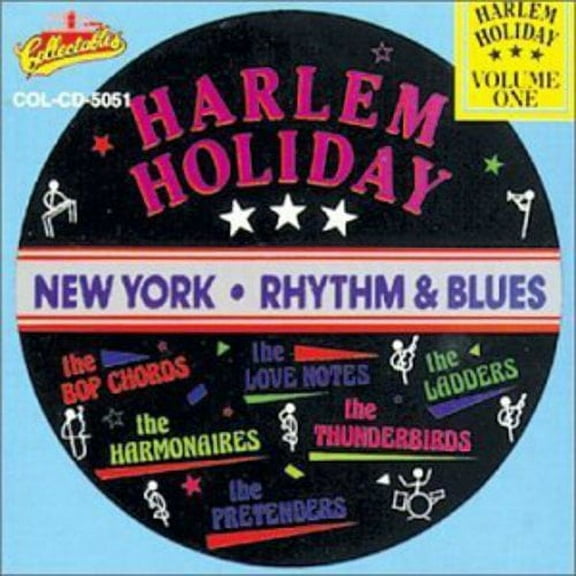






![Pre-Owned Golden Oldies, Vol. 2 [Original Sound 1994] (CD 0081658702225) by Various Artists](https://i5.walmartimages.com/asr/365e98bb-2640-4d60-bc72-2beb4afbc8a0.e40d5dfbca058f04432556398ef2108b.jpeg?odnHeight=576&odnWidth=576&odnBg=FFFFFF)


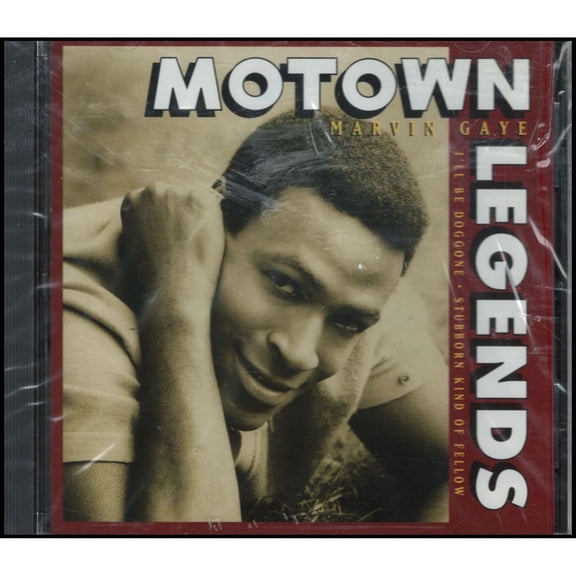
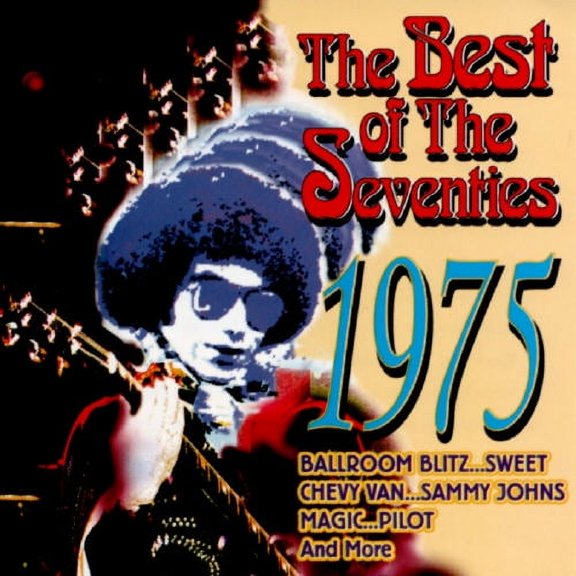

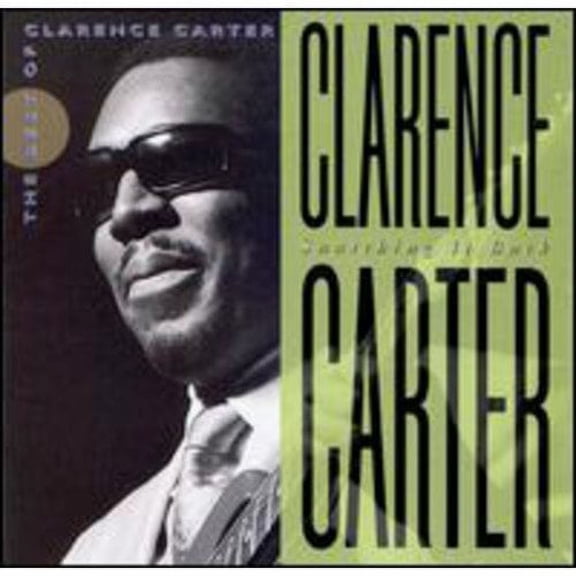
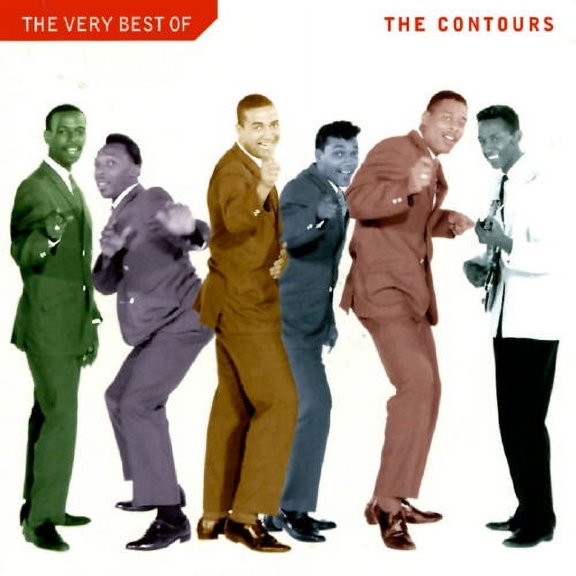


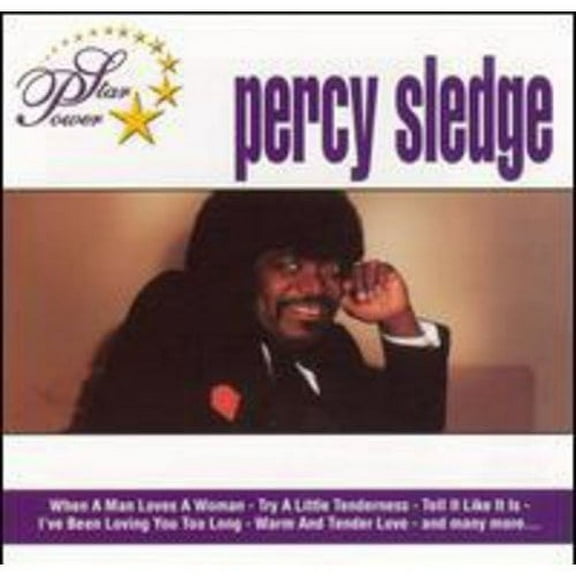


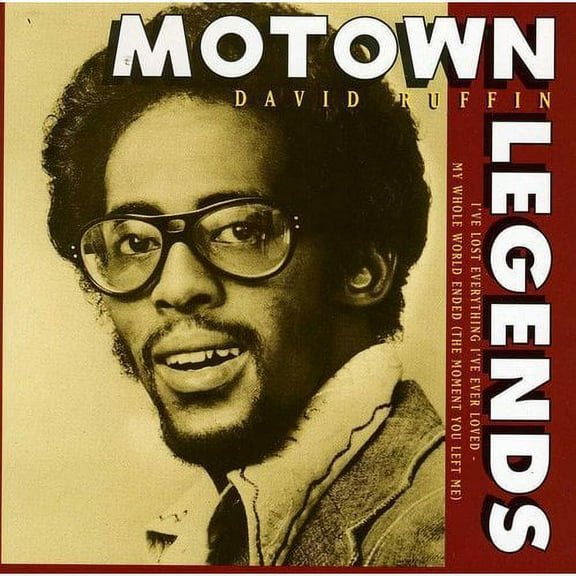
About Traditional R&B and Soul Music Collection - Walmart.com
Traditional r&b and soul music helps you build a collection with timeless vocals, rich arrangements, and physical formats you can play your way. You can compare CDs, vinyl records, and LP editions while you narrow down classic eras, artist styles, and release types.
How to choose traditional r&b and soul music by format
You should start with format, because your player setup shapes what fits your listening routine. You can choose soul music cds for simple playback, or you can choose r&b vinyl records for a larger-format collecting experience.
When you compare CDs and records, you should check compatibility before you pick an album. You can play most CDs in standard CD players, while vinyl records need a turntable with the right speed settings.
You should look for 33 RPM compatibility on many full-length LP albums. You may also see 45 RPM editions, and you should confirm your turntable supports that speed.
- You can choose CDs when you want easy track access and compact storage.
- You can choose vinyl when you want larger cover art and a hands-on listening routine.
- You can compare LP and reissue formats when you want a familiar album in a different presentation.
- You should check edition notes when you want standard or deluxe tracklists.
Choosing classic soul vinyl and CD edition details
You should compare edition details closely, because tracklists can change across studio albums, greatest hits collections, and box sets. You may prefer a studio album when you want the original sequence, or a hits set when you want key songs together.
Standard editions usually give you the core album, and deluxe editions may add bonus tracks or alternate versions. You should read listing details so your purchase matches the songs and packaging you expect.
When you shop traditional r&b albums, you may also see reissues with refreshed cover art or updated packaging notes. You can use those details to decide whether you want a shelf-ready collectible look or a straightforward listening copy.
How genre era shapes your traditional r&b albums choice
You can narrow your search faster when you compare genre eras as distinct listening styles. Classic Soul often brings warm horn sections and expressive vocals, while 90s R&B often leans into polished harmonies and smoother production.
If you want Motown era recordings, you should look for driving bass lines, tight vocal groups, and danceable songwriting. If you want modern traditional releases, you can look for newer recordings that still reflect older soul arrangements.
You may also sort by the mood you want during listening sessions at home. You can build a collection around deep ballads, upbeat crossover singles, or full albums that follow a stronger story arc.
What to look for in solo vocalists, groups, and bands
You should also compare artist type, because performance style changes the feel of each album. Solo vocalists often highlight one signature voice, while vocal groups usually bring layered harmonies and call-and-response moments.
Bands can give you a stronger instrumental presence, especially when rhythm sections and horns shape the sound. You can use that difference to choose records for focused listening, gatherings, or dedicated collector shelves.
When you browse soul music cds or vinyl, you may want one artist type for consistency across your collection. You can also mix solo acts and groups to create broader coverage across decades and recording styles.
Choosing pressing and packaging features for r&b vinyl records
You should review pressing and packaging notes when vinyl is your format of choice. Standard vinyl can suit everyday listening, while heavier-weight vinyl may feel sturdier in hand and on your shelf.
You can also look at sleeve condition details, cover presentation, and reissue notes when those details matter to your collection. If you care about display appeal, you should compare jacket art, inner sleeves, and boxed packaging formats.
For CDs, you should check whether you want jewel cases, digipaks, or multi-disc sets. You can use those packaging differences to match your storage space and how often you plan to replay each album.
Using traditional r&b and soul music for different listening goals
You can match release type to the way you listen most often. A studio album works well when you want the original flow, while a greatest hits collection fits quick listening sessions.
If you want a deeper archive, you should consider a box set with multiple discs or records. You may prefer a reissue when you want a familiar title returned to CD or classic soul vinyl format.
You can also build around occasions and room setups. CDs suit car players, office systems, and compact media shelves, while vinyl suits turntable rooms, focused listening nights, and display-friendly collections.
When you want motown soul music or traditional grooves for weekend listening, you can compare eras and editions in one category. You can land on a format and release type that fits both your player and your collecting style.
You can shop with more confidence when you compare format, era, artist type, and release style before choosing an album. That approach helps you bring home traditional sounds, familiar tracklists, and physical media that fit your setup.