

Children’s Lullaby Music Collection of New and Classic Albums | Walmart.com
![LULLABIES FOR LITTLE DREAMERS [DIGIPAK]](https://i5.walmartimages.com/seo/LULLABIES-FOR-LITTLE-DREAMERS-DIGIPAK_b2d5ad74-7d2e-4211-b889-5a2a389a8c5b.b7283dfce0c1ce82b136aaa4f6e83b43.jpeg?odnHeight=288&odnWidth=288&odnBg=FFFFFF)

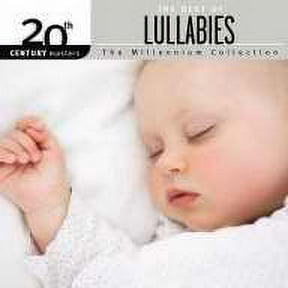
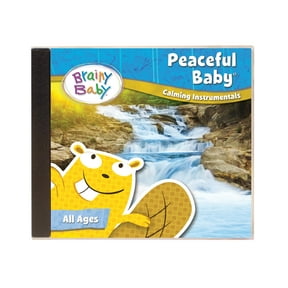


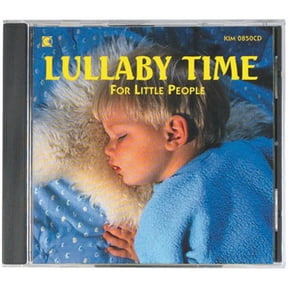
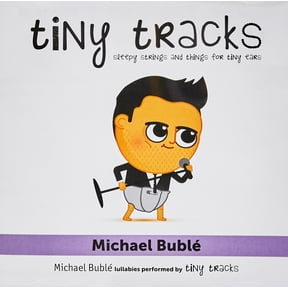











About Children’s Lullaby Music Collection of New and Classic Albums | Walmart.com
You can use lullabies to shape a calmer bedtime routine and compare formats, themes, and sound styles before you choose. You’ll find options made for newborns, infants, and toddlers, with choices that fit players, speakers, and sound books.
How to choose lullabies for babies
When you compare lullabies for babies, you’ll want music that fits your child’s age and your nightly routine. You may prefer shorter tracks for quick wind-down time or longer albums for extended settling.
Format matters because you’ll need music that works with the devices you already use at home. You can choose CD, vinyl, digital audio, or sound books based on how you play bedtime music.
- You can use CDs when your nursery setup includes a dedicated player.
- You can choose digital audio when you want simple playback on phones, tablets, or speakers.
- You can pick sound books when you want touch-friendly bedtime music for kids and toddlers.
- You can select vinyl when you enjoy a more classic listening experience at home.
Sound style also shapes the routine you build each night. You may notice your child settles differently with instrumental tracks, soft vocals, nature sounds, or classical arrangements.
Theme can help you match music to familiar characters or timeless songs. You can compare Disney lullabies, traditional collections, and bedtime stories based on what feels comforting in your space.
Choosing the right baby lullaby music format
Baby lullaby music works differently depending on where and how you play it. You should check compatibility first, especially if you use a CD player, wireless speaker, or nursery sound machine.
CDs can make sense when you want a dedicated album that stays in one room. You’ll often appreciate straightforward track order and easy replay during naps and bedtime.
Digital audio fits flexible routines because you can move from the nursery to the car without changing formats. You may find this option useful when your child sleeps in different spaces.
Sound books support hands-on use as your child grows into toddler routines. You can pair simple buttons and familiar songs with quiet story time before lights out.
Vinyl can suit family listening when you want a slower, intentional bedtime ritual. You should confirm your setup and track length if you plan to use records in the evening.
Playtime duration deserves attention because you’ll want enough music to cover rocking, feeding, and settling. You can compare total runtime and track count to match your usual bedtime window.
What to look for in sound type and age range
You should match sound type to your child’s response, not only to your own preference. Some babies relax with gentle singing, while others respond to instrumental melodies or soft nature sounds.
Instrumental selections can create a smooth background when you want fewer lyrical distractions. You may prefer piano, strings, or classical pieces for a quieter nursery atmosphere.
Vocal tracks can feel familiar and comforting during cuddling or rocking. You can use them when your child responds well to repeated words and soft human voices.
Nature sounds and blended recordings can support a steady listening backdrop. You may choose these when you want sleep music for infants that feels even and consistent.
Age range helps you narrow the category with more confidence. You should look for newborn-friendly pacing, infant-focused track variety, or toddler options with recognizable songs and stories.
For newborns, you may want simple arrangements and softer transitions between tracks. For toddlers, you might look for bedtime stories or themed songs that support familiar routines.
Using bedtime music for kids in real routines
You can use bedtime music for kids in several ways throughout the day and night. You might start with a short playlist during diaper changes, then continue with longer tracks during rocking time.
For evening wind-down, you can choose traditional songs with slower pacing and gentle repetition. You’ll often find these collections helpful when you want a predictable pattern before sleep.
During naps, you may prefer digital albums that begin quickly and play without extra setup. You can keep the same recordings available on portable devices for more consistent listening.
If your child likes familiar characters, you can try themed collections that connect music with favorite stories. You may use those tracks during reading time, then transition into quieter songs.
For siblings with different ages, you can compare sound books for toddlers and longer audio albums for babies. You’ll have an easier time matching the format to each child’s routine.
You should also keep volume in mind when setting up nighttime playback. You can look for devices with simple volume control so your child hears soft, gentle audio in the room.
Why lullabies fit your bedtime setup
You can narrow lullabies by format, sound type, target age, and theme without guessing what fits your routine. You’ll feel more confident choosing music that plays smoothly, lasts long enough, and supports a calmer bedtime rhythm.