

Pink Pans in Pots & Pans

























About Pink Pans in Pots & Pans - Walmart.com
Pink pans can give your kitchen a coordinated look while supporting everyday cooking tasks. You can compare sets, single pieces, coatings, and compatibility to match your routine.
How to choose pink pans by cookware type
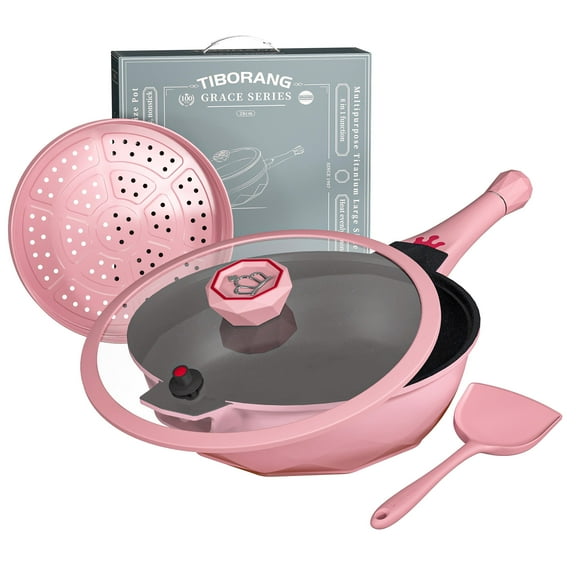
You should start with cookware type, because your routine decides whether a full set or one pan makes sense. You may prefer a pink cookware set if your kitchen needs several matching pieces.
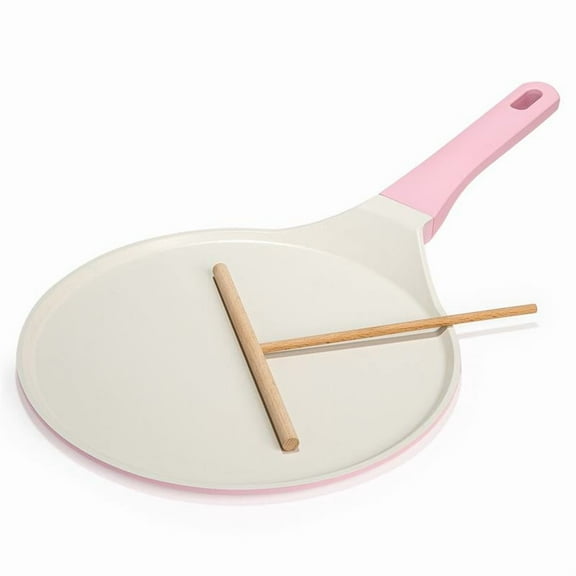
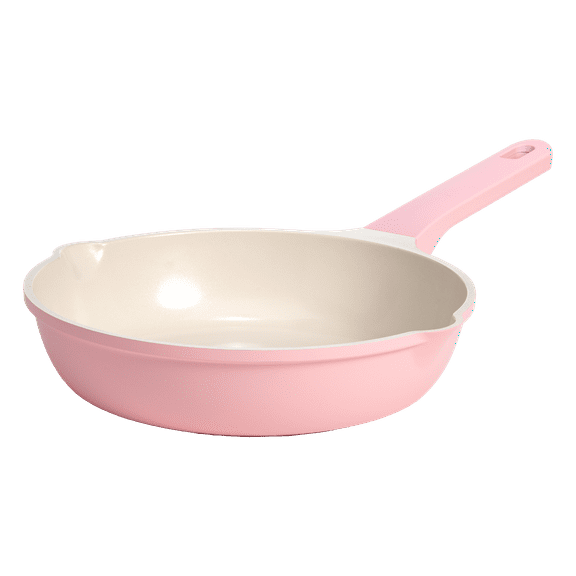
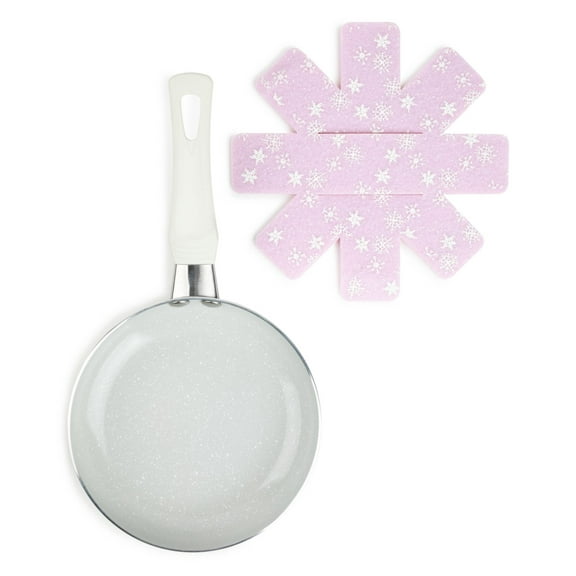
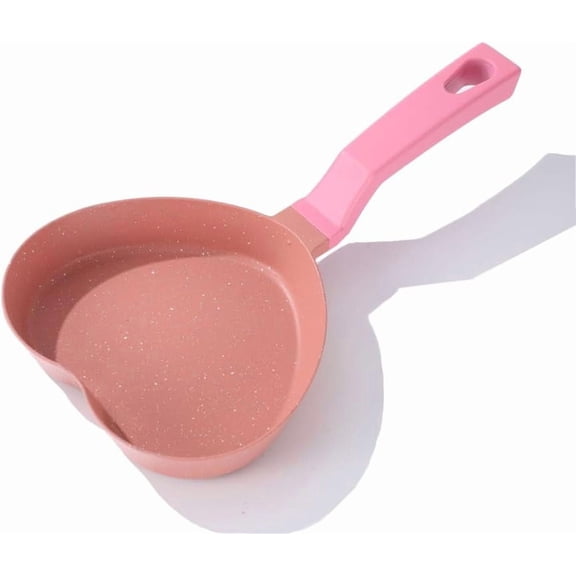
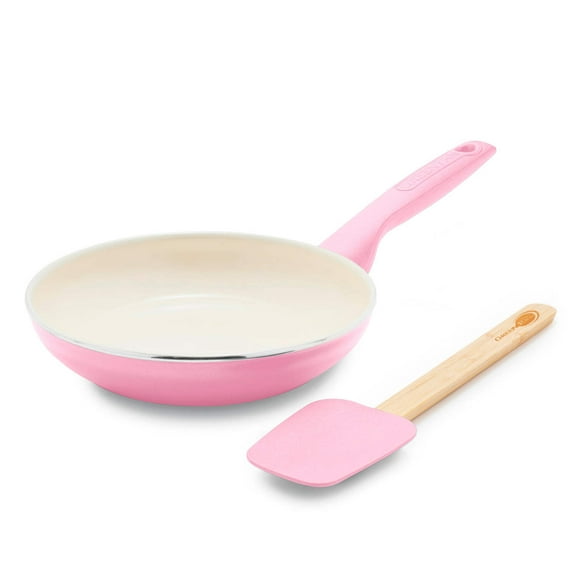
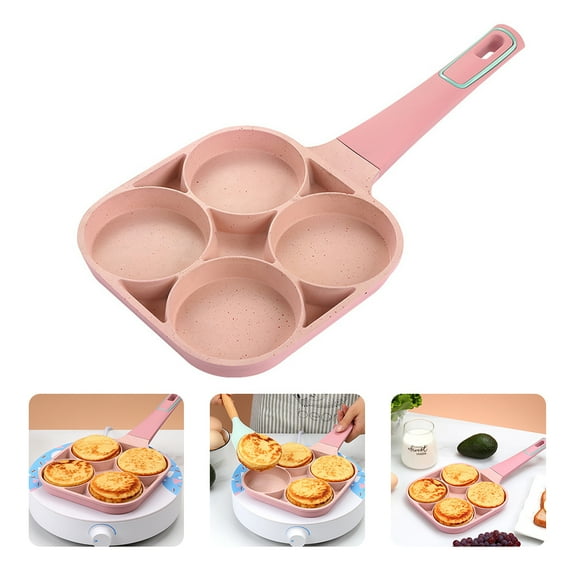
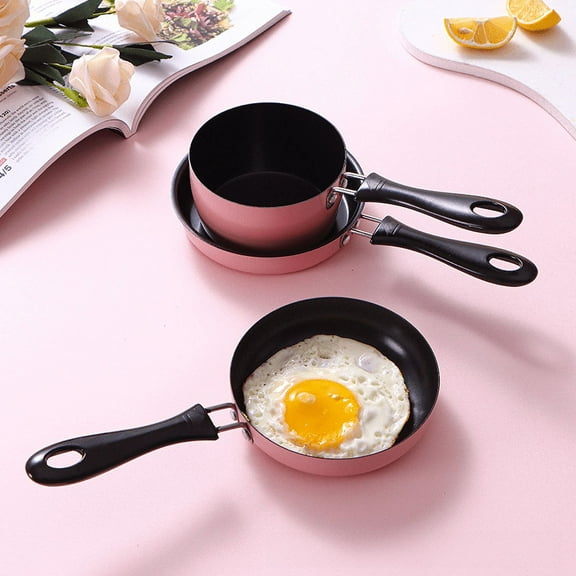
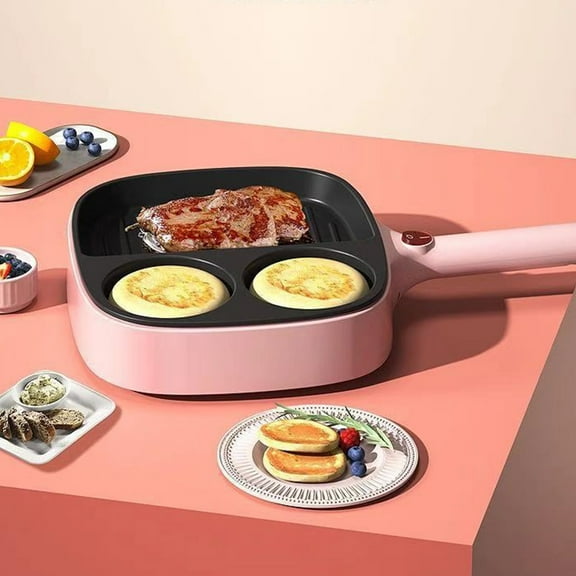
If you cook quick breakfasts or weeknight dinners, you may want a pink frying pan for eggs, pancakes, or sautéed vegetables. If you simmer sauces, grains, or soups, your saucepan choice can shape daily use.
Individual pans give you flexibility when you only need one size or one shape for regular meals. Sets can help you keep handles, lids, and finishes visually consistent across your stovetop.
- You can choose single skillets for frying, searing, or reheating.
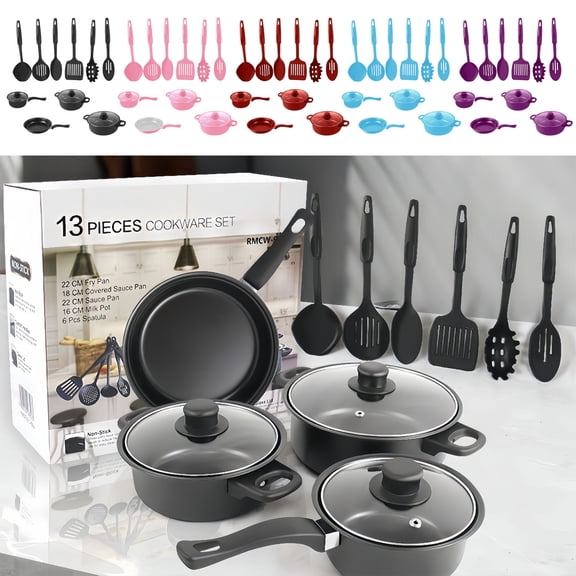
- You can select cookware sets when you need matching pieces for several cooking methods.
- You can compare frying pans and saucepans by diameter, depth, and lid style.
- You can coordinate pink pots and pans with white, gold-tone, or neutral kitchen accents.
What to look for in pink pots and pans materials
You should compare materials first, because each one changes how your cookware heats and feels. You can narrow choices by weight, upkeep, and the meals you make most often.
Aluminum pieces usually feel lighter in your hand, so you can lift and move them more easily. You may like that lighter build when you cook often or store pans in upper cabinets.
Ceramic pink pans can appeal to you when you want a smooth cooking surface and a soft, modern finish. You can use that material comparison when appearance matters alongside everyday function.
Cast iron options usually feel heavier and hold heat longer during cooking. You may prefer that steady heat when you make cornbread, skillet meals, or stovetop-to-oven dishes.
Choosing the right coating for pink nonstick pans
You should compare coatings carefully, because they affect food release, cleanup, and daily maintenance. You can look at nonstick, ceramic nonstick, and uncoated interiors before making your choice.
Traditional nonstick surfaces can help you cook sticky foods with less residue left behind. You may appreciate that convenience when you make scrambled eggs, grilled sandwiches, or delicate fish.
Ceramic nonstick interiors offer another option if you’re comparing finish types closely. You should check product details for PTFE and PFOA information if those coating details guide your decision.
Uncoated interiors can suit you if you prefer a classic cooking surface and don’t mind extra cleanup. You may find that coating choice is especially important when you cook every day.
Checking compatibility before you pick a pink frying pan
You should check compatibility before choosing cookware, because your pans need to fit your stove and cooking habits. You can compare induction safe, gas stove compatible, and oven safe options.
For induction cooktops, you’ll want a magnetic base that supports that surface. You can usually confirm that detail in the product specifications before choosing a piece or set.
Gas stove compatible cookware can suit many households that want quick heat response and flexible burner use. You should still compare base shape and handle design, because those details affect balance.
Oven safe construction can help when you start a dish on the stove and finish it with baked heat. You may want that option for frittatas, skillet cookies, roasted vegetables, or pan sauces.
How care and cleaning affect your everyday routine
You should compare care needs as closely as color, size, or coating before making your choice. You can check dishwasher guidance, hand-wash recommendations, and cleaning instructions in the product details.
If you want easier cleanup, you may lean toward surfaces that release food with less scrubbing. You can also protect the finish by checking if the manufacturer recommends silicone, wood, or nylon utensils.
Some shoppers prefer hand-wash care to help preserve appearance and coating performance over time. You may decide that extra maintenance works for your routine when style also matters.
Matching a pink cookware set to how you cook
You can compare dimensions first, because size affects storage, burner fit, and daily use. You should measure burner size, cabinet depth, and pan diameter before choosing larger pieces.
A smaller skillet may suit apartment kitchens, quick lunches, and simple breakfasts with less storage demand. You may prefer a multi-piece set when you cook family meals, meal prep, or mixed stovetop recipes.
If your kitchen leans modern, ceramic finishes can support a softer, streamlined look on the stove. If your style feels classic, you may prefer deeper pink tones with sturdy handles and lidded saucepans.
When you compare pink pots and pans this way, you can narrow choices by type, material, coating, and compatibility. This helps you find cookware that fits your stove, your cleaning routine, and your kitchen style.