

OXO Kitchen Tools and Storage Solutions










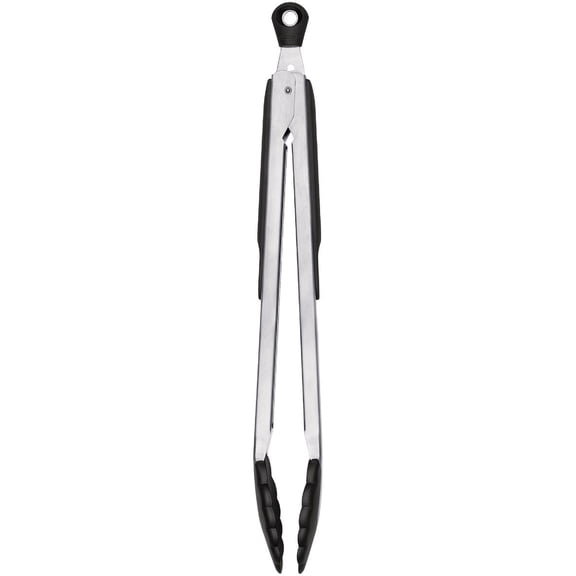

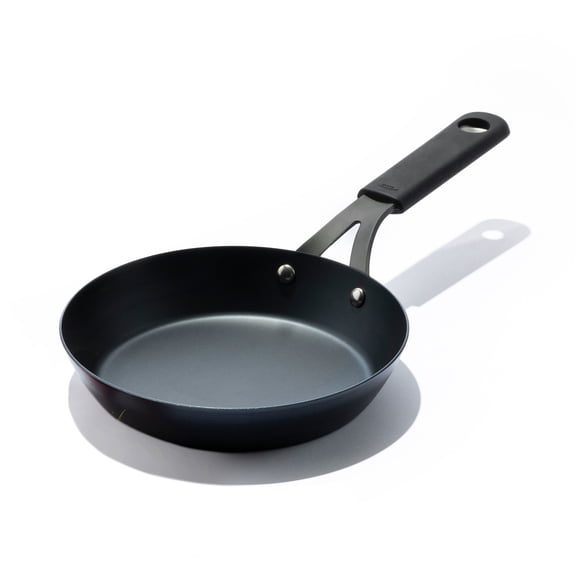
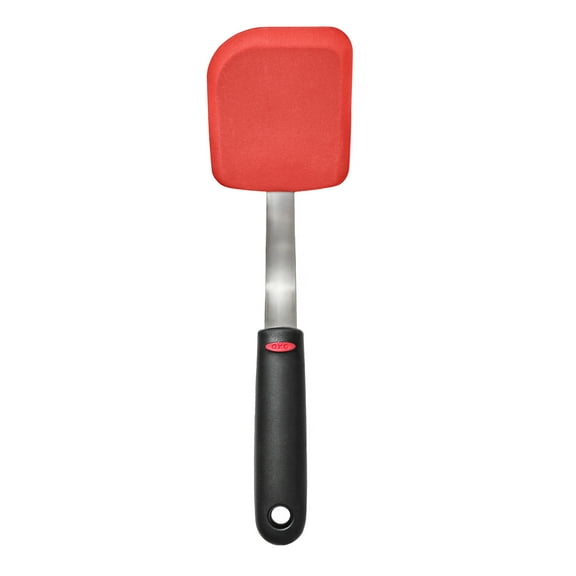

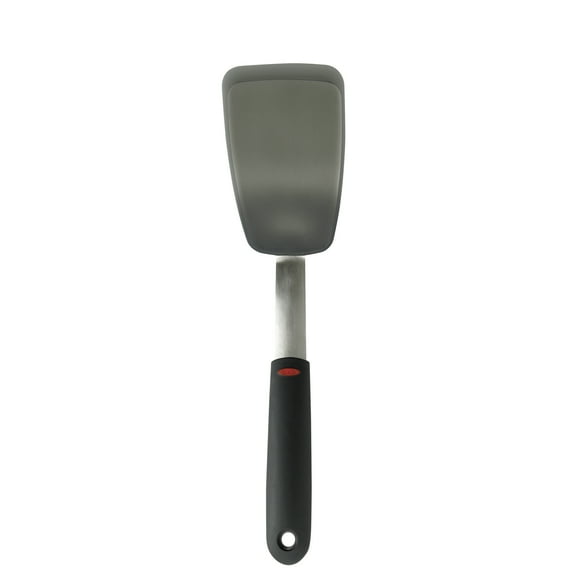






About OXO Kitchen Tools and Storage Solutions - Walmart.com
You can simplify prep with baking tools that support accurate measuring, steady mixing, and cleaner transfers from bowl to pan. You’ll also get practical guidance on materials, grip styles, and care needs that matter in everyday baking.
How to choose baking tools for your kitchen
When you compare baking tools, you should start with the tasks you do frequently. You may need spatulas for folding batter, measuring cups for accuracy, whisks for smooth mixing, and bowls for combining ingredients.
If you bake often, you’ll want tools that feel balanced in your hand during longer prep sessions. You can also look for nesting pieces or hanging loops when your drawers and counters need a tidier setup.
As you narrow your options, you should match each tool type to your recipes and routine. You’ll notice that the right mix of utensils can make cookies, cakes, muffins, and bread prep feel more organized.
What benefits you get from the right baking tools
You can work with more control when your tools match the texture and thickness of your batter. You’ll also get cleaner bowl scraping, smoother mixing, and more even ingredient distribution.
With the right measuring cups and whisks, you can keep recipe steps consistent from batch to batch. You’ll appreciate that consistency when you bake cupcakes, brownies, or quick breads on busy days.
Comfort matters too, especially when your prep includes several bowls, sticky dough, or repeated stirring. You’ll notice ergonomic and non-slip grips can feel steadier when your hands are damp.
- You can scrape batter from bowl corners with flexible spatulas.
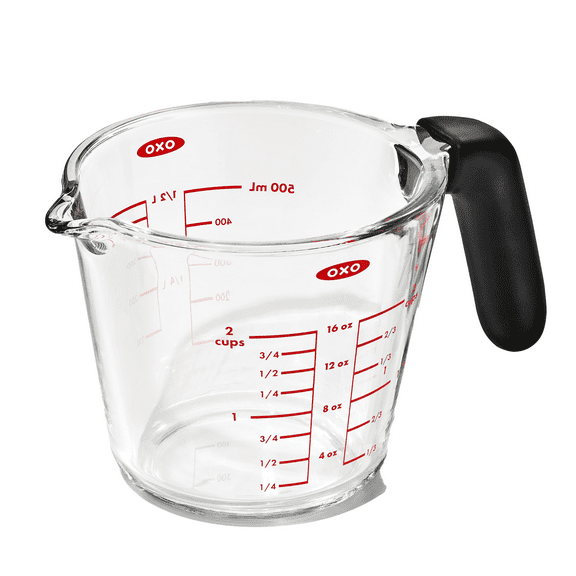
- You can measure dry and liquid ingredients with more consistency.
- You can mix fillings and batters with less strain on your hands.
- You can keep your kitchen tidier with nesting bowls and compact tools.
Which material works for your baking tools
You should compare materials first because they affect flexibility, durability, and how each tool handles heat. You’ll often see silicone, stainless steel, nylon, and wood across core baking utensils.
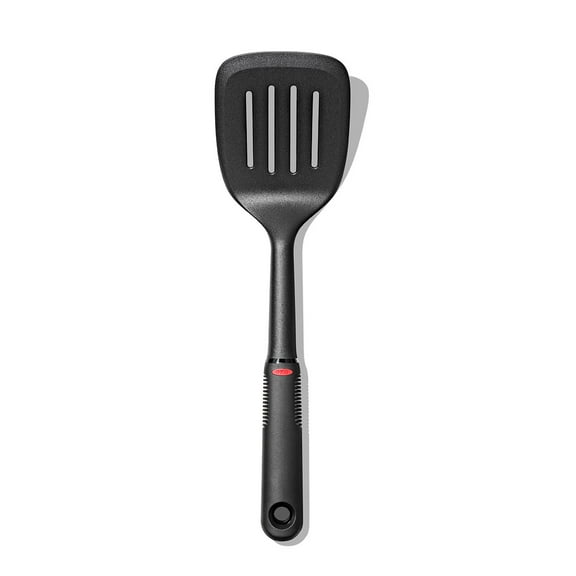
If you want flexible edges for scraping bowls and spreading batter, you may prefer silicone. You’ll also appreciate BPA-free silicone when you want a food-contact material with straightforward kitchen appeal.
When heat matters, you should check whether silicone pieces list heat resistance up to 600°F. You’ll find that this spec helps you choose tools for hot pans, warm fillings, and quick stovetop transitions.
If you want strength and structure, you may lean toward stainless steel for whisks and measuring tools. You’ll notice stainless steel can feel solid in hand and support repeated measuring and mixing.
Nylon can suit tasks where you want a lighter feel and gentle contact with coated bakeware. Wood can give you a classic look and a firm grip for select mixing tasks.
How to compare grip type and comfort
You should pay close attention to grip type because comfort changes how each task feels in your hand. You’ll likely notice the difference during longer mixing sessions or when your hands are wet.
If you want more control, you can look for ergonomic handles shaped to fit your palm naturally. You may also prefer non-slip or soft-grip surfaces that feel steadier during whisking, stirring, and scraping.
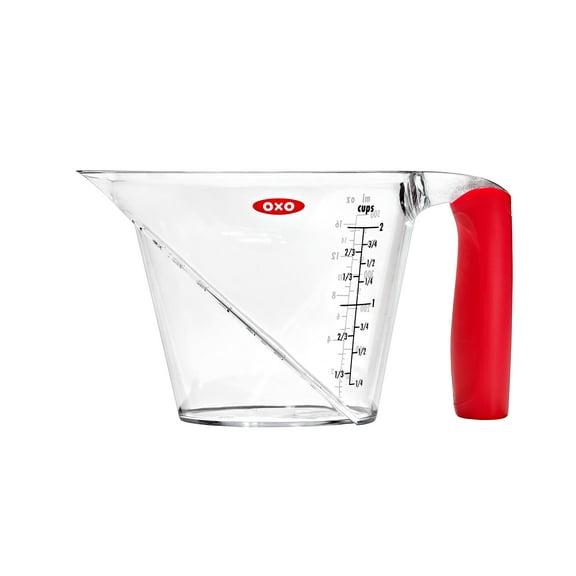
For precise measuring, you’ll want handles that stay comfortable while you level flour or pour liquids. If your hands tire easily, you may find broader, cushioned grips easier to hold through a full recipe.
You should also think about control when you’re folding delicate batter or scraping thick dough from corners. You’ll get cleaner movement when the handle feels secure and the tool head responds predictably.
How to compare tool types and care needs
You can build a useful setup by focusing on the tool types you reach for every week. You’ll usually want spatulas, measuring cups, whisks, and mixing bowls as your core baking pieces.
Spatulas help you fold batter, scrape bowls, and spread frosting with less mess on the sides. Measuring cups help you portion dry and liquid ingredients with consistency from one batch to the next.
Whisks support smooth blending when you want fewer lumps in pancake batter, brownies, or custard bases. Mixing bowls give you a stable place to combine ingredients and stage your recipe before baking.
You should always check care instructions before choosing tools for frequent use. You’ll want dishwasher safe pieces when quick cleanup matters after weekday baking.
If a tool is hand wash only, you should decide whether the material or finish fits your routine. You may not mind extra care for select wood pieces or specialty tools you use less often.
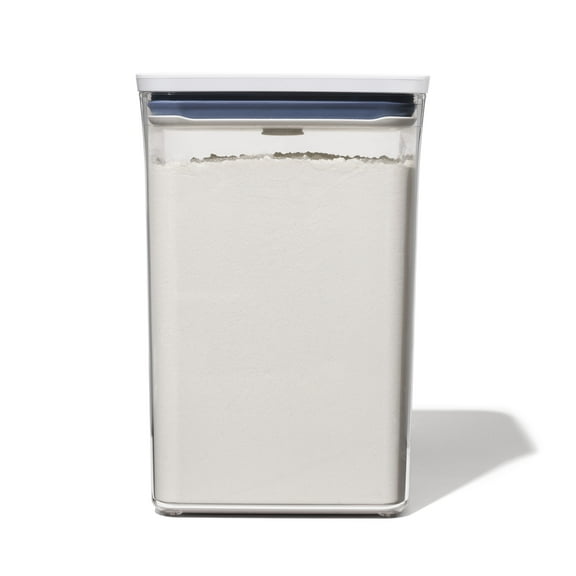
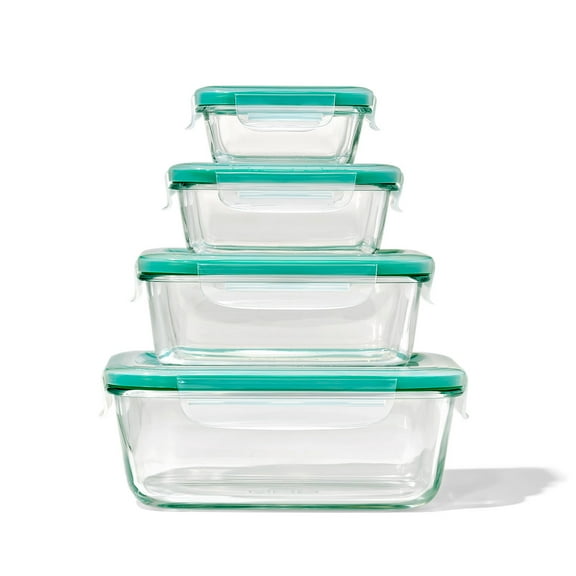
Storage details can matter just as much as cleanup when your kitchen space is limited. You’ll want to compare nesting bowls, stackable measuring cups, and hanging loops for easier organization.
If your drawers fill quickly, you can keep your setup simpler with multiuse utensils and compact shapes. You’ll spend less time searching when your frequently used tools store together neatly.
How baking tools fit your everyday recipes
You can use these baking tools across everyday recipes, from cookies and cupcakes to quick breads and weekend brunch bakes. You’ll rely on accurate measuring, smooth mixing, and easy scraping through every step.
For cookie dough, you may want a sturdy mixing bowl, reliable measuring cups, and a spatula that clears sticky dough. For cake batter, you’ll likely appreciate a whisk that blends evenly and a bowl with comfortable handling.
If you prep muffins, brownies, or loaf cakes, you can benefit from tools that move easily between dry and wet ingredients. You’ll also notice that heat-resistant silicone helps when you’re working near warm pans or melted ingredients.
When cleanup starts, you’ll appreciate care instructions that match your routine and storage that fits your kitchen. You can feel more prepared for your next recipe when your baking setup stays organized and ready.
You can choose baking tools with more confidence when you compare material, grip, care, and storage together. You’ll end up with utensils that fit your recipes, feel comfortable to use, and keep prep moving smoothly.